Platform - YouTube
















































YouTube PFP for Strong Channel Presence and Visual Recall
A YouTube PFP is not just a small image in the corner of a channel. It is one of the first signals people use to recognize a creator, remember a brand, and distinguish one presence from another. On YouTube, identity is compressed into a tiny circle that appears across channel pages, search results, subscriptions, Shorts, video recommendations, live chat, and comment sections. That makes avatar selection more important than most creators realize.
A strong YouTube PFP needs to do more than look good in isolation. It must survive scale reduction, carry recognizable personality, and support the broader channel identity. People often discover channels in fast-scrolling environments where the avatar is seen for a split second. If the image is weak, generic, cluttered, or visually soft, the identity gets lost immediately.
That is why the best YouTube avatar choices are not random profile images. They are designed as recognition tools. A good YouTube PFP helps the viewer build memory. It supports channel consistency. It turns repeat exposure into recall. Over time, that small visual asset becomes part of the creator’s entire brand system.
Why YouTube Has Different PFP Logic
Unlike a mood-based hub or an aesthetic-first avatar style, YouTube is a platform where the PFP works inside a creator ecosystem. The avatar is attached to content, to upload behavior, to recommendations, and to audience trust. People do not only see a YouTube PFP once. They may see it repeatedly across a subscription feed, a suggested video list, a comment thread, and a homepage recommendation carousel.
This repetition changes the function of the image. On YouTube, your PFP becomes a recognition device. The purpose is not only style. The purpose is visual association. Viewers should be able to connect the avatar with your content quickly, even when they cannot read the channel name in full.
This is especially important for creators trying to grow. When a channel is small, every element that strengthens recognition matters. A clear avatar can make repeated exposure feel more familiar. Familiarity increases the chance of a click. Over time, the YouTube PFP becomes one of the most repeated brand elements on the entire channel.
Visual Logic Behind an Effective YouTube Avatar
A YouTube PFP has to function in tiny circular crops. That means detail-heavy images often fail. Fine textures disappear. Small text becomes unreadable. Complex layouts collapse. What remains visible is simple structure, strong contrast, and a memorable central identity cue.
The best YouTube avatars usually rely on one of three strong signals. The first is a face or character with a distinct expression. The second is a bold symbol or icon with clean edges. The third is a highly recognizable identity composition that stays readable even at small sizes.
Color also matters. Since YouTube’s interface places avatars beside white backgrounds, dark text, thumbnails, and mixed visual noise, the PFP needs enough contrast to hold its own. Too much gray or muted blending can make the image disappear. A controlled, high-clarity palette usually performs better.
Personality matters just as much as clarity. A creator-focused YouTube PFP should not feel anonymous. Even minimal avatars need a signal: confident, playful, serious, intense, friendly, polished, chaotic, or branded. That identity signal is what helps viewers remember the channel later.
YouTube PFP Gallery

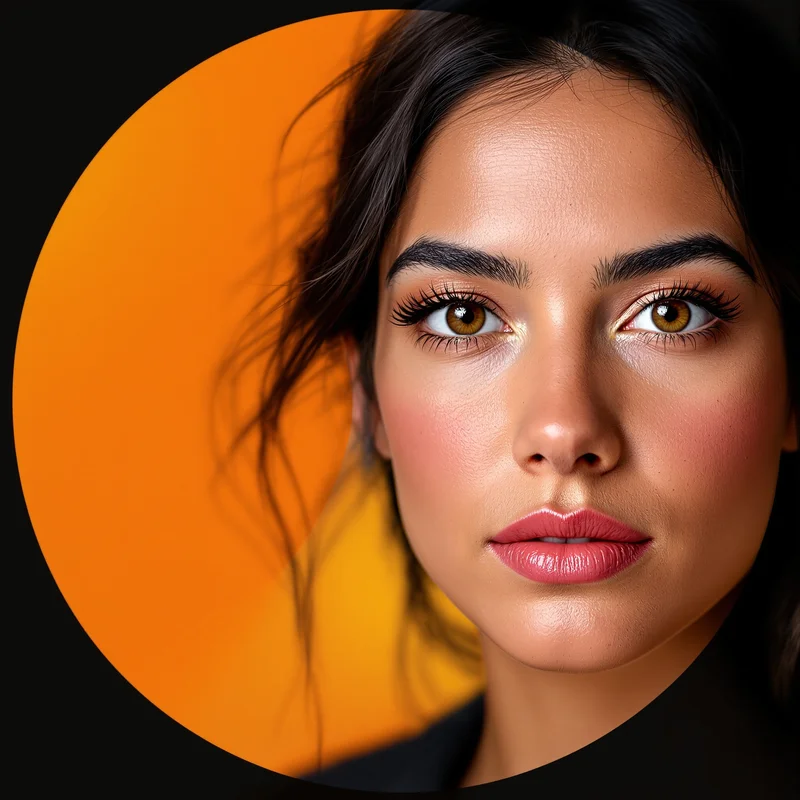
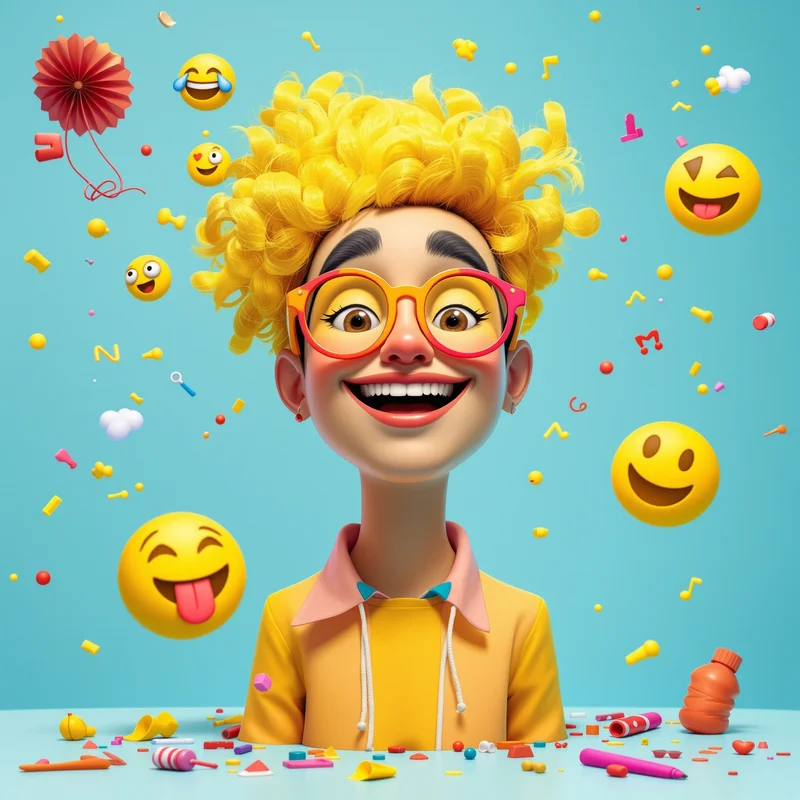
This avatar works as a channel anchor, giving the creator a cleaner and more recognizable identity across repeated viewer touchpoints.

A personality-driven YouTube avatar like this helps the channel feel more distinct, especially in feeds where many creators compete for attention.

This PFP is built around recognition first, making it easier for viewers to connect the image with the creator after repeated exposure.

A high-recognition avatar supports channel memory, which is critical for creators who want viewers to notice them immediately in search and recommendations.

This profile image emphasizes visibility and creator presence, helping the channel feel more established and easier to identify at a glance.
What a YouTube PFP Communicates
Every YouTube avatar sends a message before a viewer clicks anything. A polished PFP suggests control and intentional branding. A bold expressive avatar suggests personality and confidence. A clean minimal icon may suggest a focused niche or a more modern creator identity. A cluttered or weak avatar suggests inconsistency, even if the content itself is strong.
This is why YouTube PFP selection is also identity strategy. You are not only choosing an image. You are deciding what the viewer should feel when they see your channel. Should it look energetic? Trustworthy? Personal? Entertaining? Sharp? Mysterious? Friendly? Branded? Each direction shapes how your channel is perceived long before the viewer watches a video.
For creator channels, the strongest avatars often do one thing very well: they make the creator easier to remember. That memory matters more than visual complexity. YouTube is a long game built on repeated exposure. If people can recognize your avatar instantly after seeing it a few times, the PFP is doing real work.
When to Change or Improve Your YouTube Avatar
If your channel is growing but your visual identity still feels generic, updating the PFP can help unify your presence. This is especially true when the avatar no longer matches your content direction or when the image is too soft, outdated, or difficult to read at small sizes.
You may also need a better YouTube PFP if your channel has strong thumbnails but weak brand recall. In many cases, viewers remember the content style but not the creator behind it. A better avatar can close that gap and turn visual exposure into creator recognition.
Creators should avoid changing avatars too frequently without reason. A YouTube PFP gains strength through repetition. Once an avatar starts becoming familiar to the audience, consistency becomes a competitive advantage. The best time to change it is when the current image is actively limiting recognition, clarity, or branding power.
Best Use Cases for This Kind of YouTube PFP
This type of avatar works well for content creators, commentary channels, gaming channels, educational channels, Shorts creators, livestreamers, and personal brand channels. Any creator who wants stronger channel identity can benefit from a YouTube PFP built for recognition rather than decoration.
It is especially useful for channels that rely on recurring viewers. The more often people see your content, the more important the avatar becomes. A good YouTube PFP supports that repeat loop by making your identity easier to track and remember.
FAQ
What makes a good YouTube PFP?
A good YouTube PFP is clear, recognizable, and aligned with the creator’s channel identity. It should remain readable at small sizes and support long-term brand recall.
Why does my YouTube avatar look weak in search or comments?
Most likely the image has too much detail, weak contrast, or no strong central identity cue. Small circular display areas reward simple, bold, and memorable avatar structure.
Should a YouTube PFP show a face or a symbol?
Both can work. A face can build personal connection, while a strong symbol can strengthen branding. The better option depends on whether the channel is creator-led or brand-led.
How often should I change my YouTube profile picture?
Only when the current avatar no longer supports your channel identity well. Consistency usually helps recognition, so unnecessary changes can reduce viewer familiarity.