Aesthetic - Scene
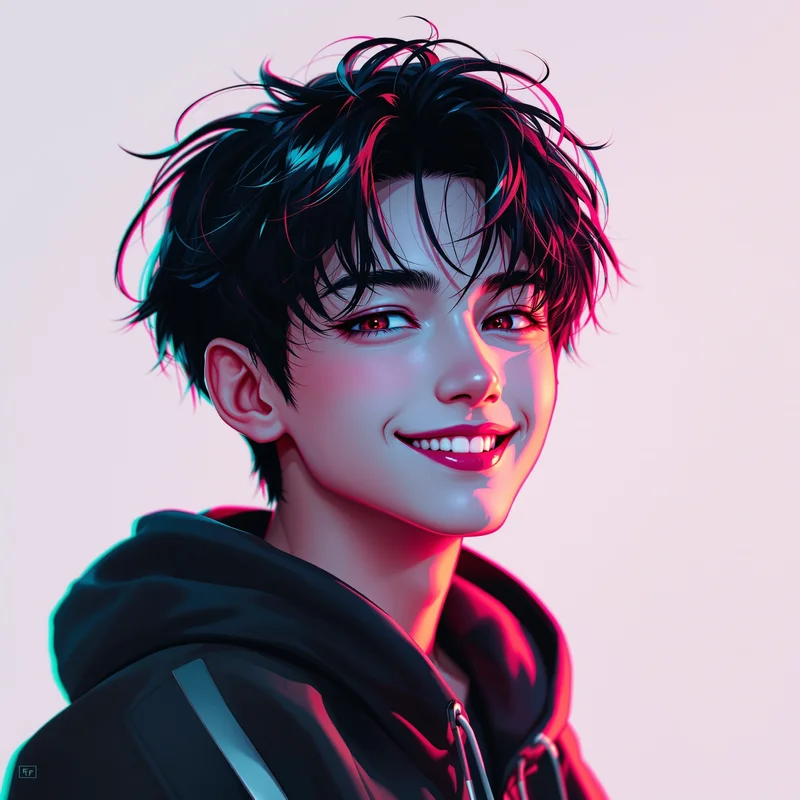

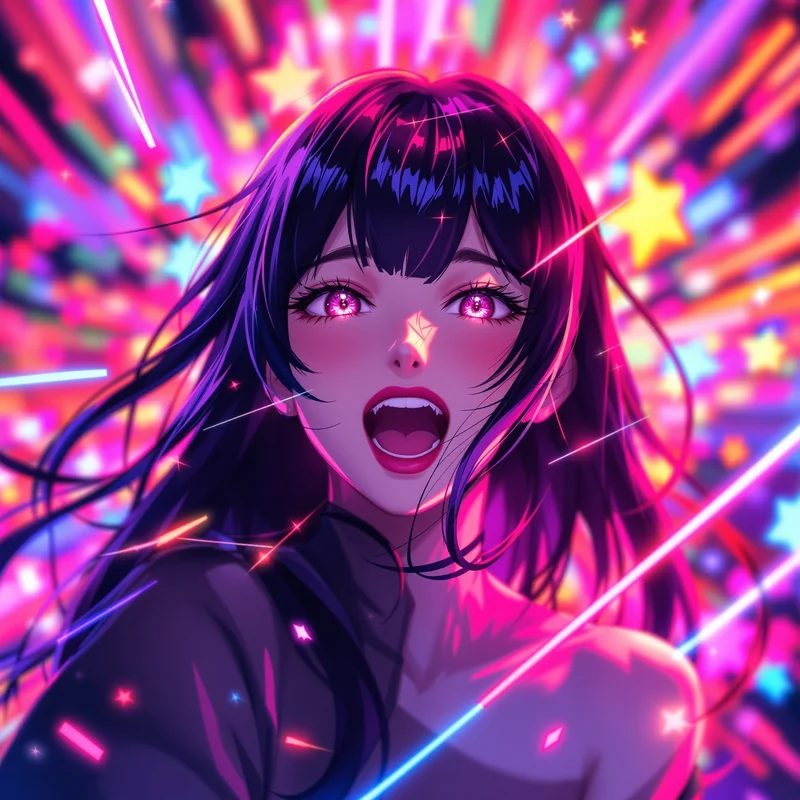
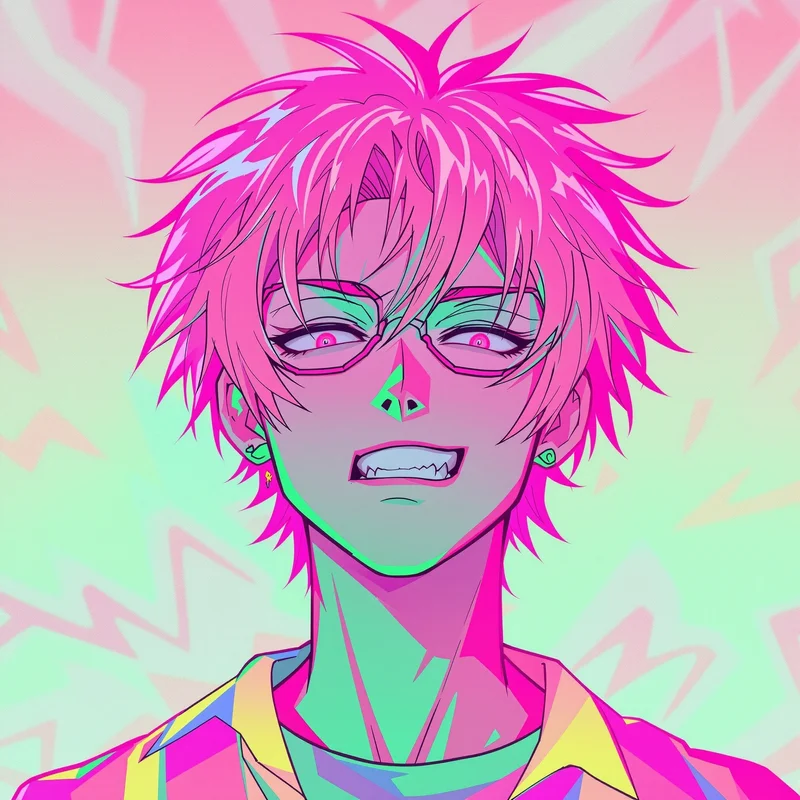
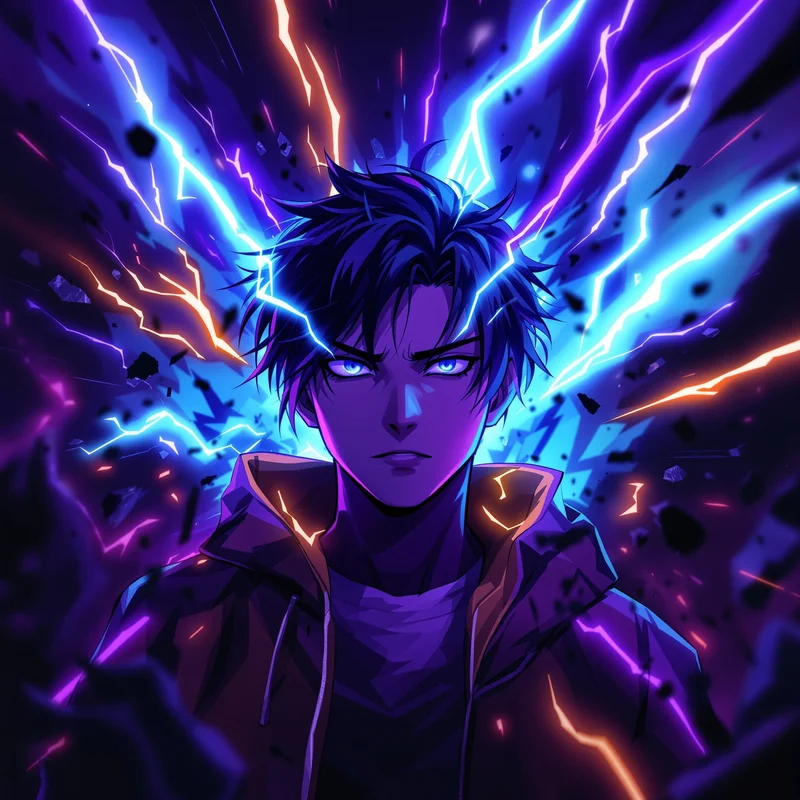


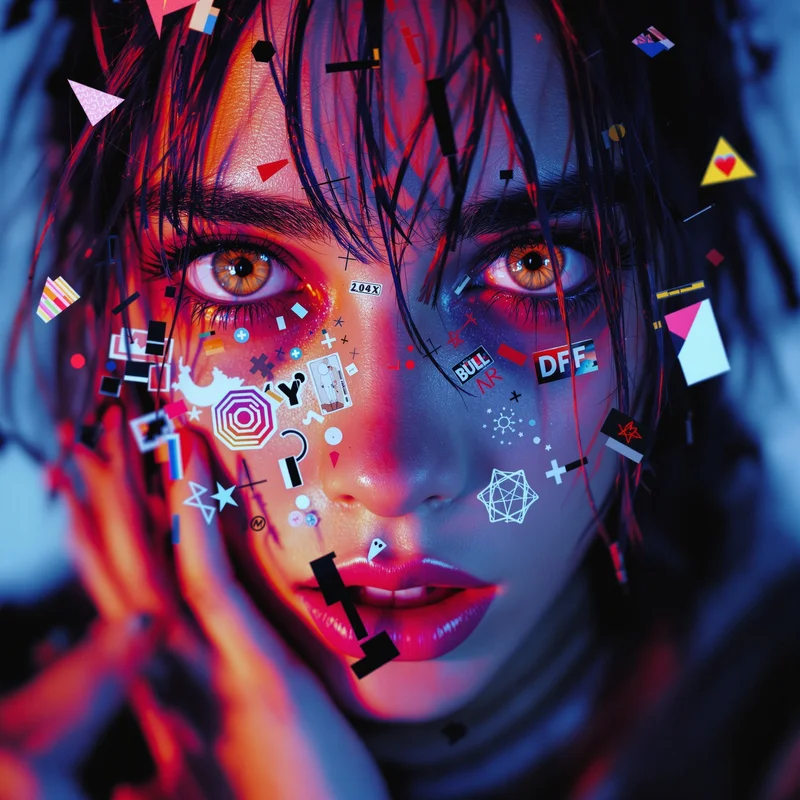
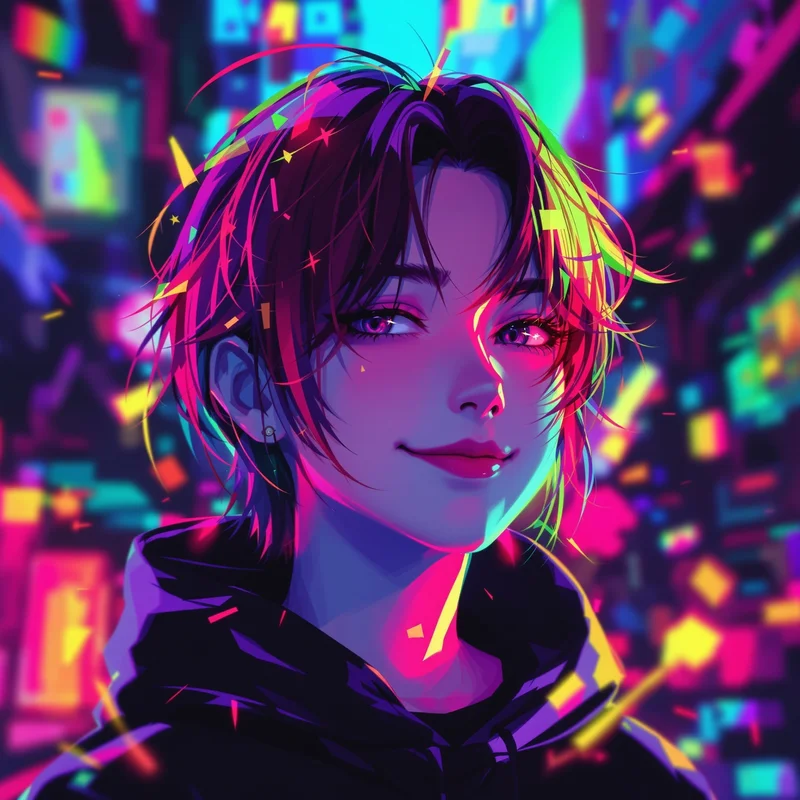
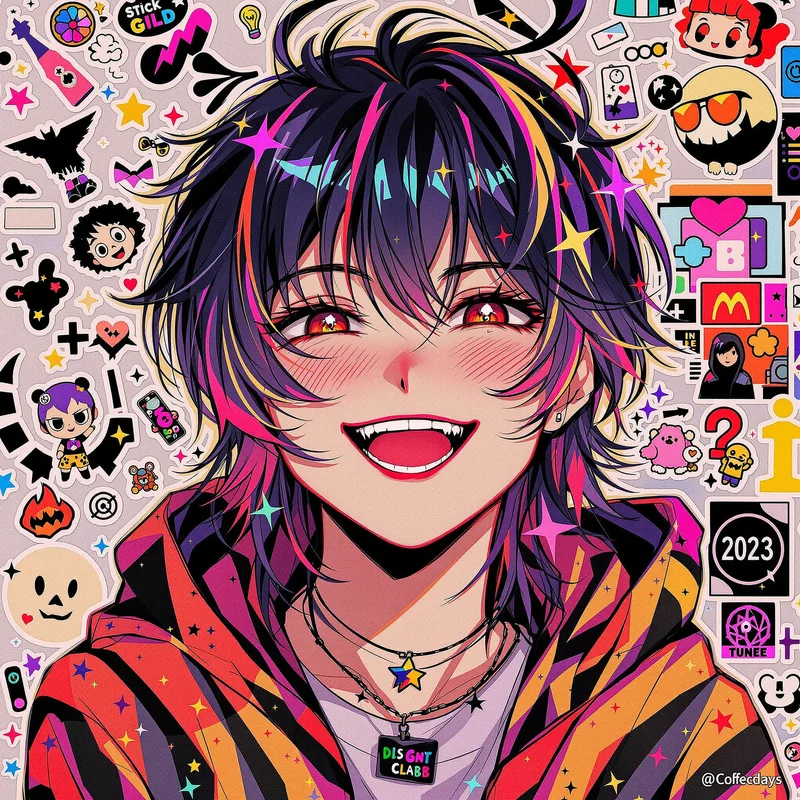
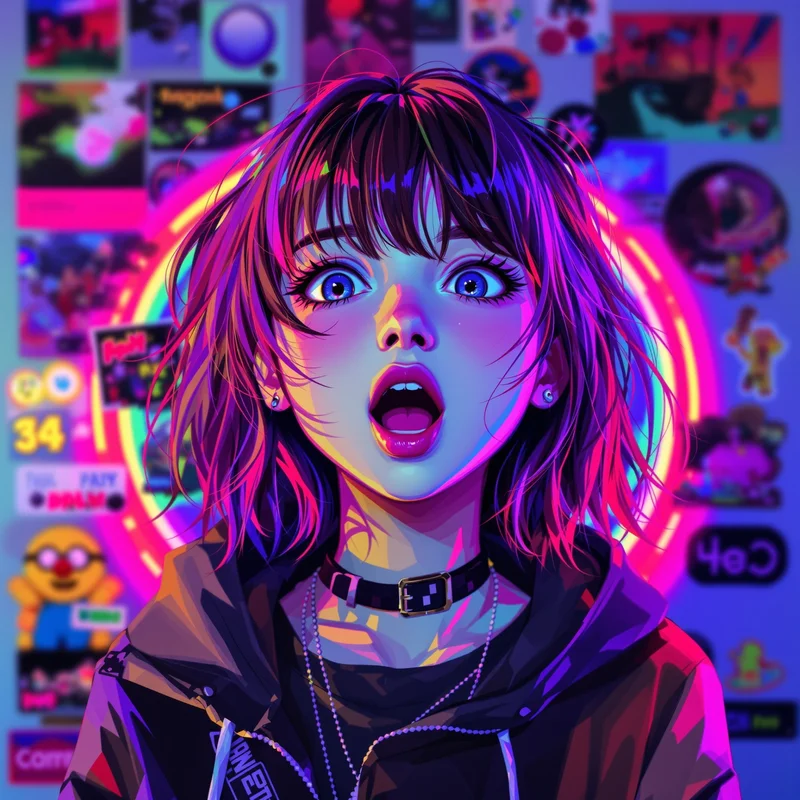




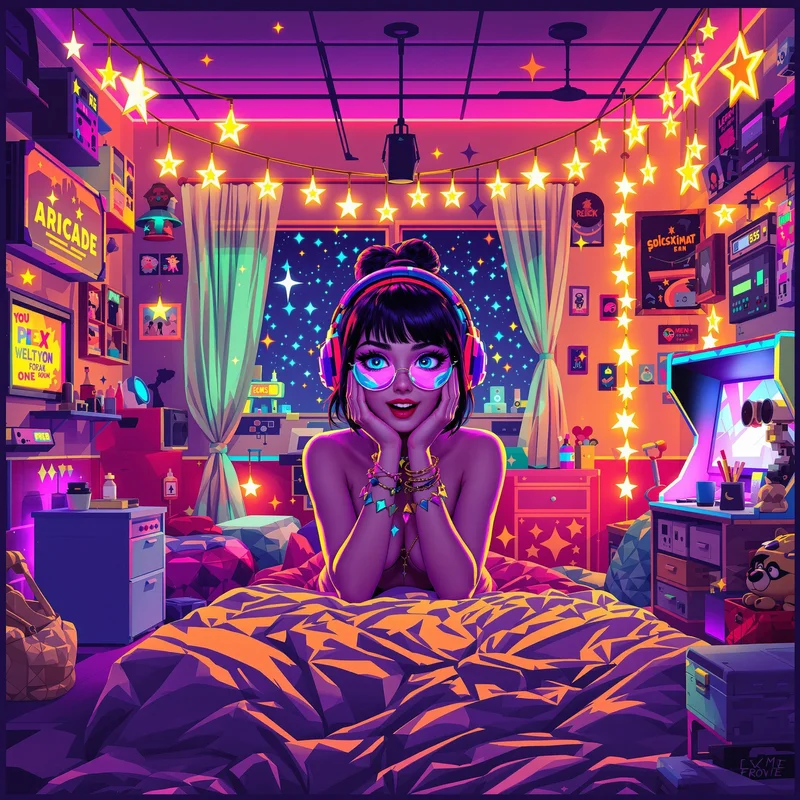
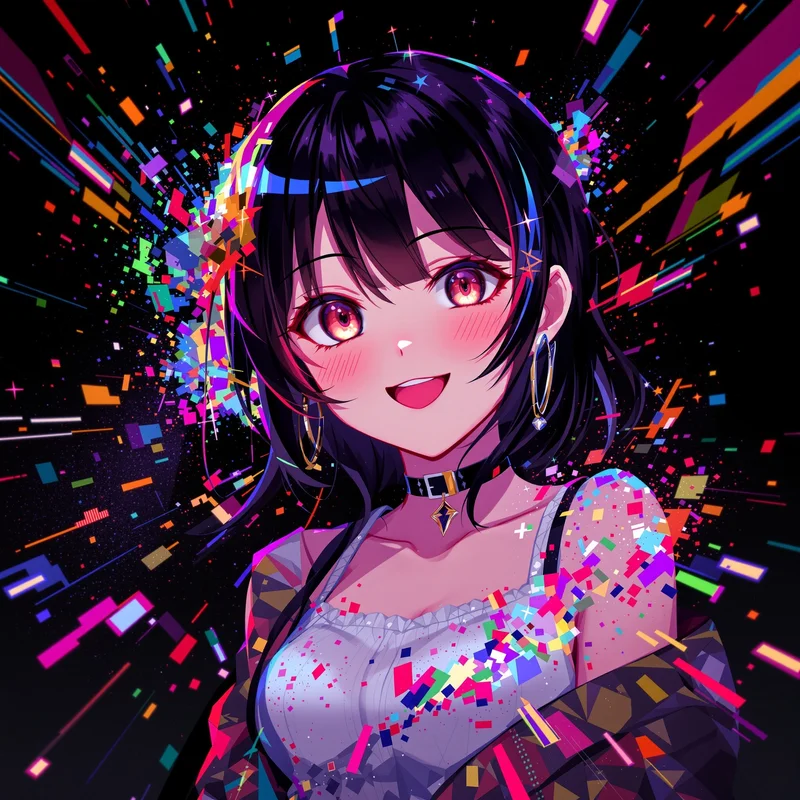
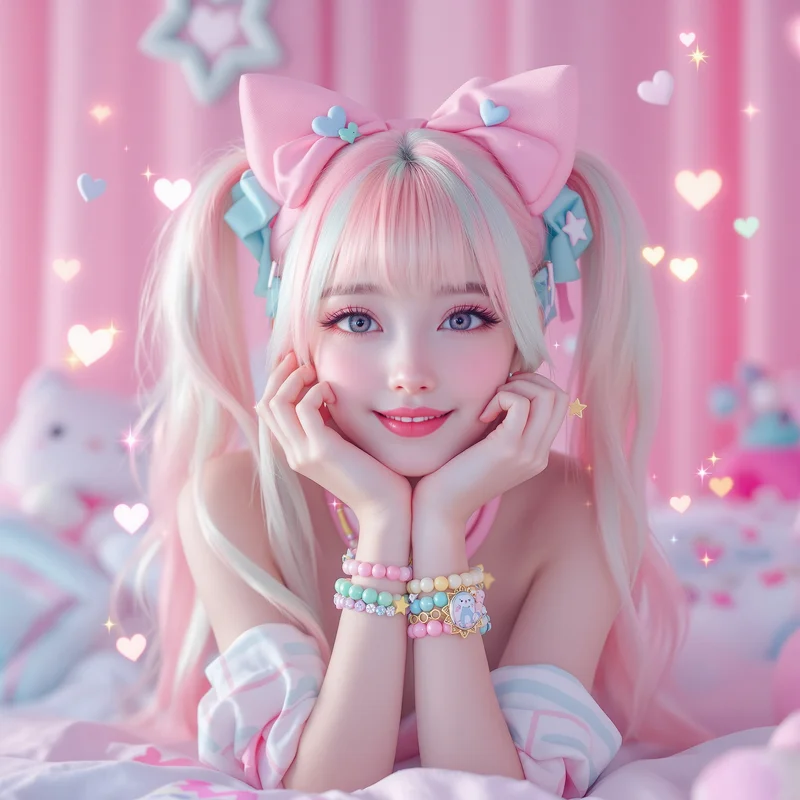
Scene PFP: Chaos, Expression, and Digital Identity
Scene PFP is not about balance. It is about disruption. It represents a visual identity where structure breaks, color clashes, and emotion becomes visible through chaos. This is not a clean aesthetic. It is loud, layered, and unapologetically expressive.
Rooted in early internet culture and alternative subcultures, the scene aesthetic emerged from a mix of emo, punk, and digital expression, where individuality mattered more than rules. :contentReference[oaicite:0]{index=0} A Scene PFP carries that same energy into the modern avatar space — it is not meant to blend in. It is meant to be seen, felt, and remembered.
Visual Logic of Scene PFP
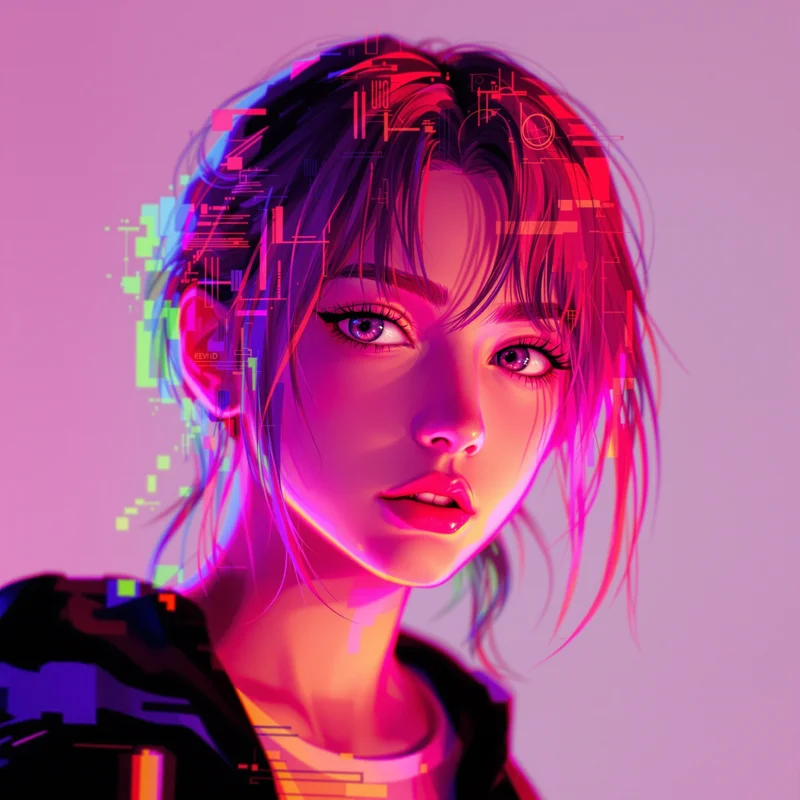
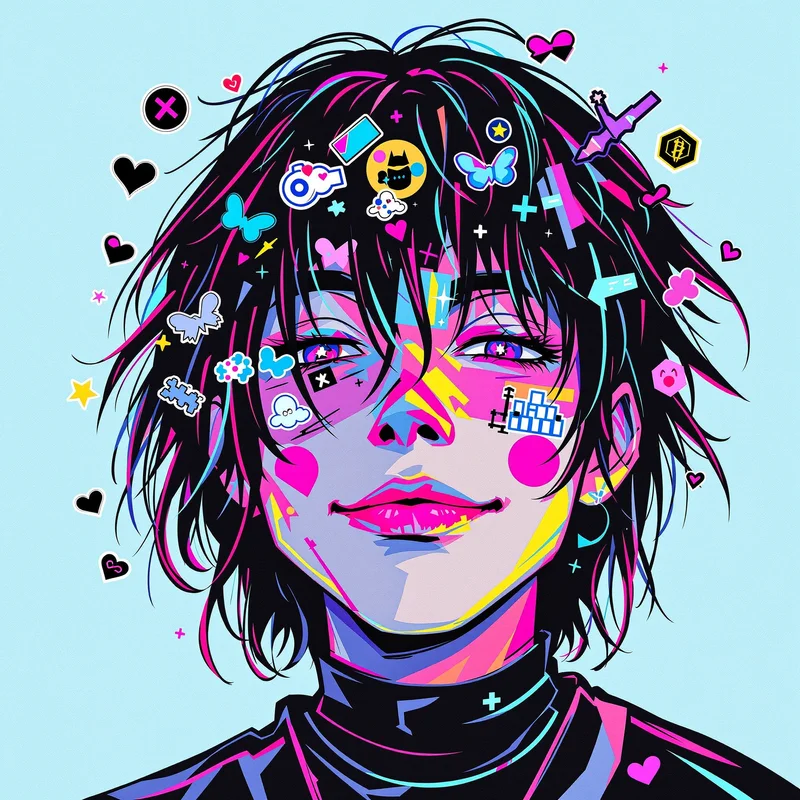
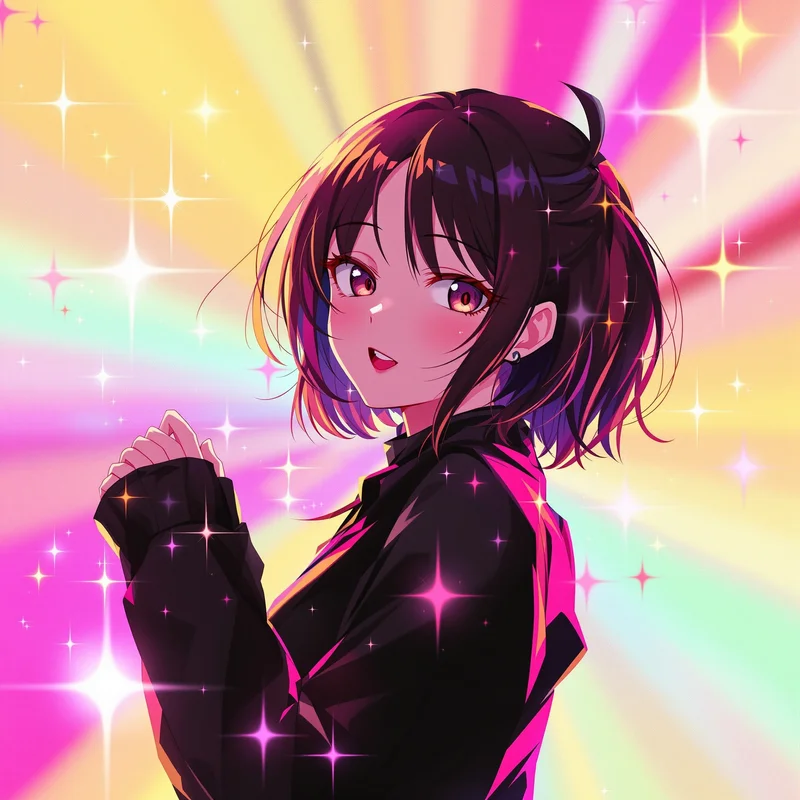
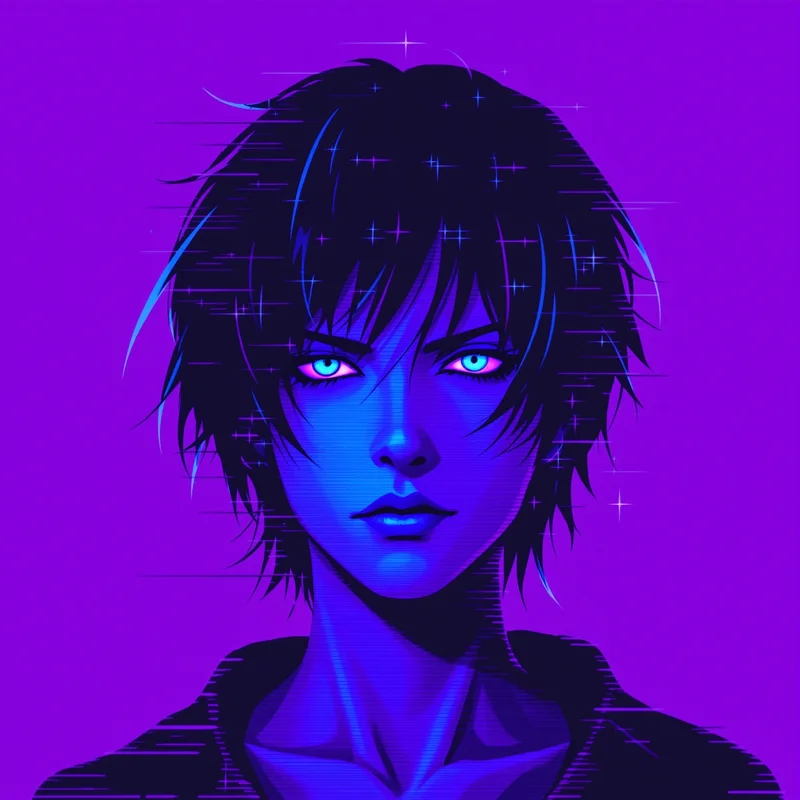
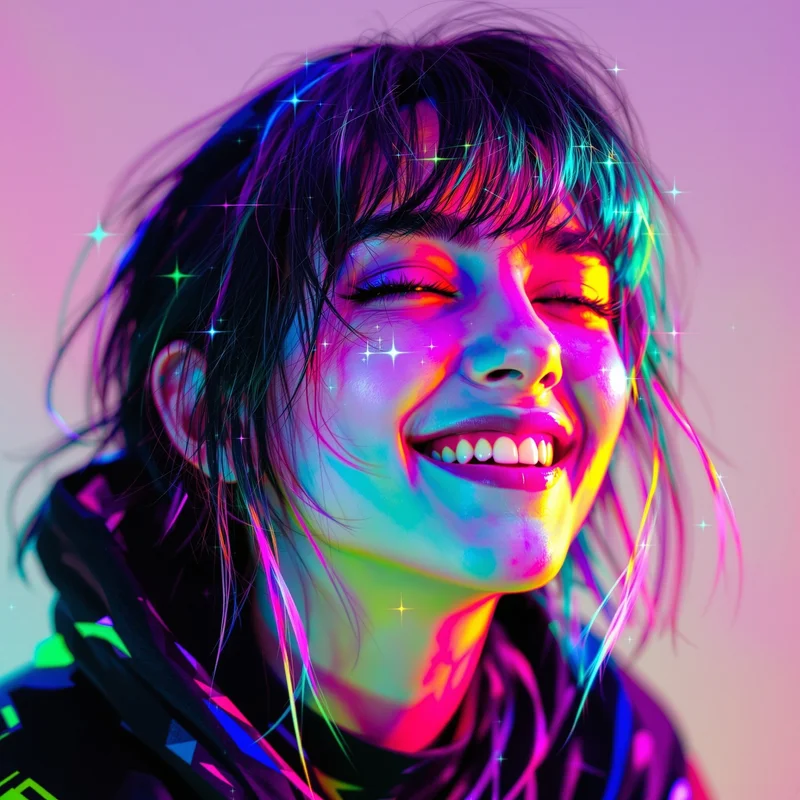
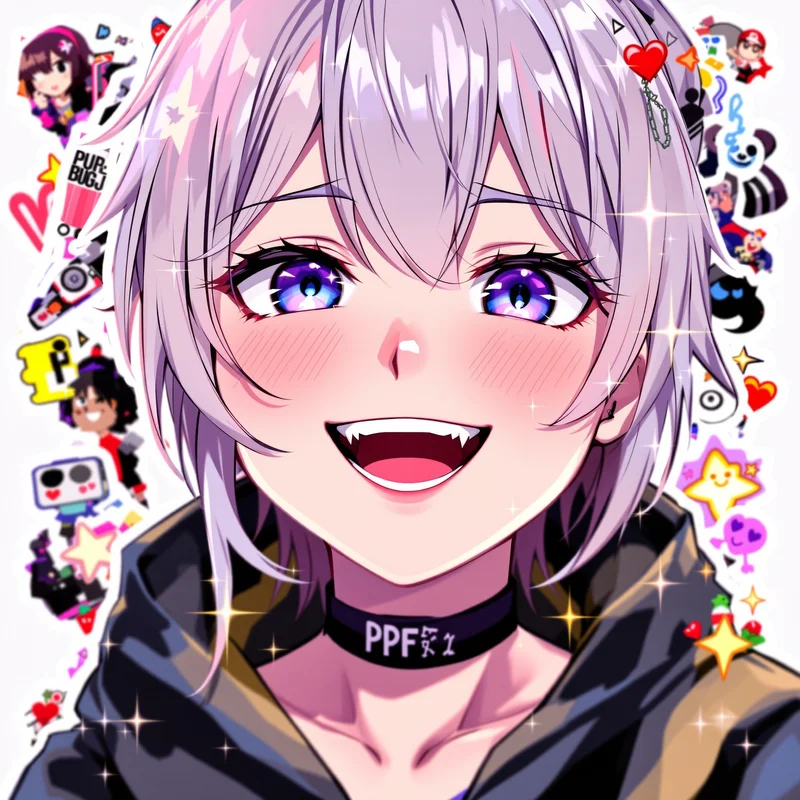
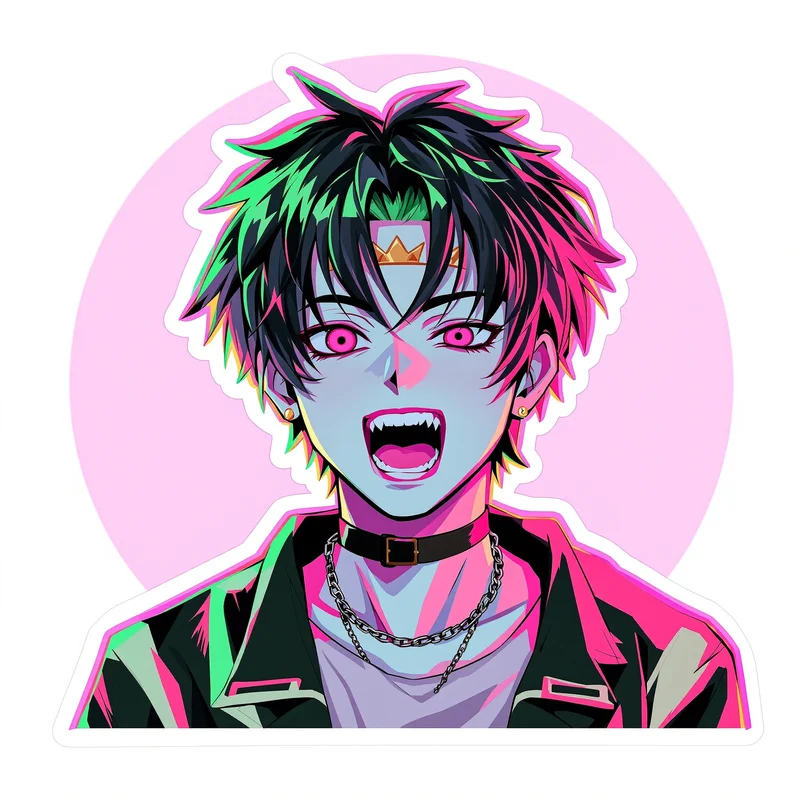
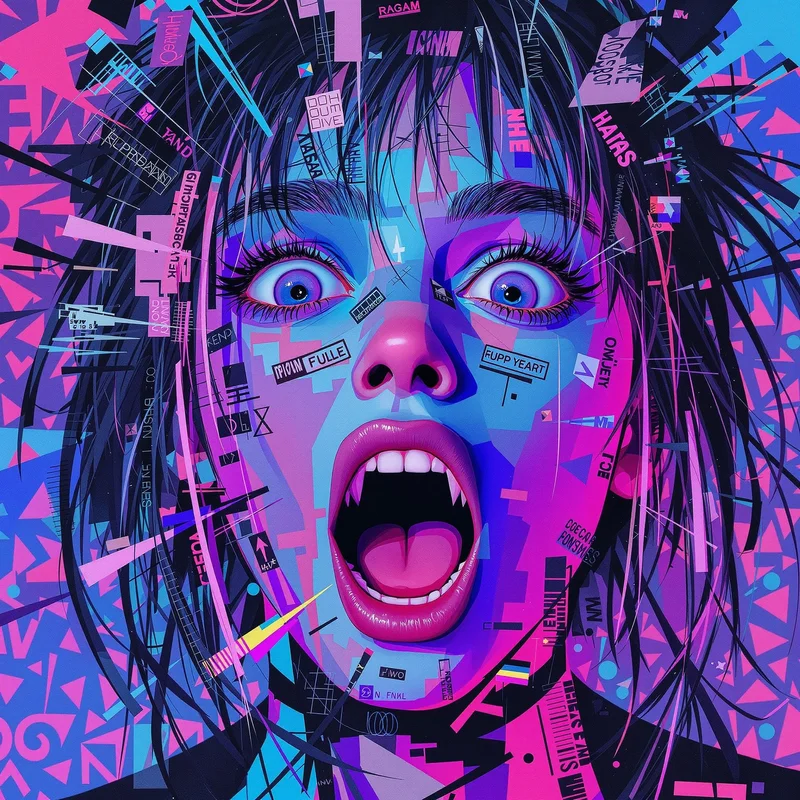
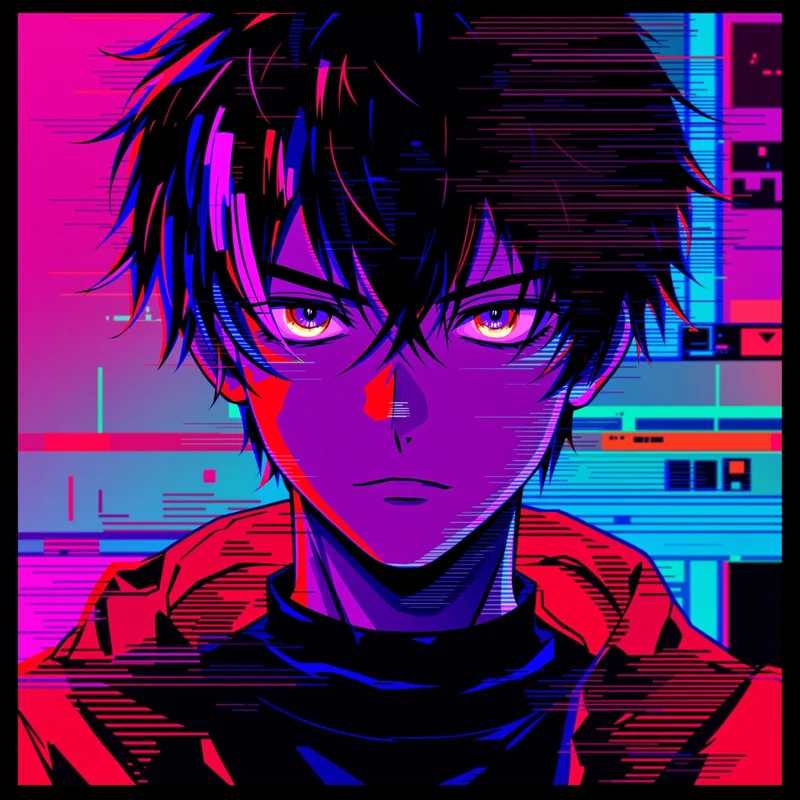
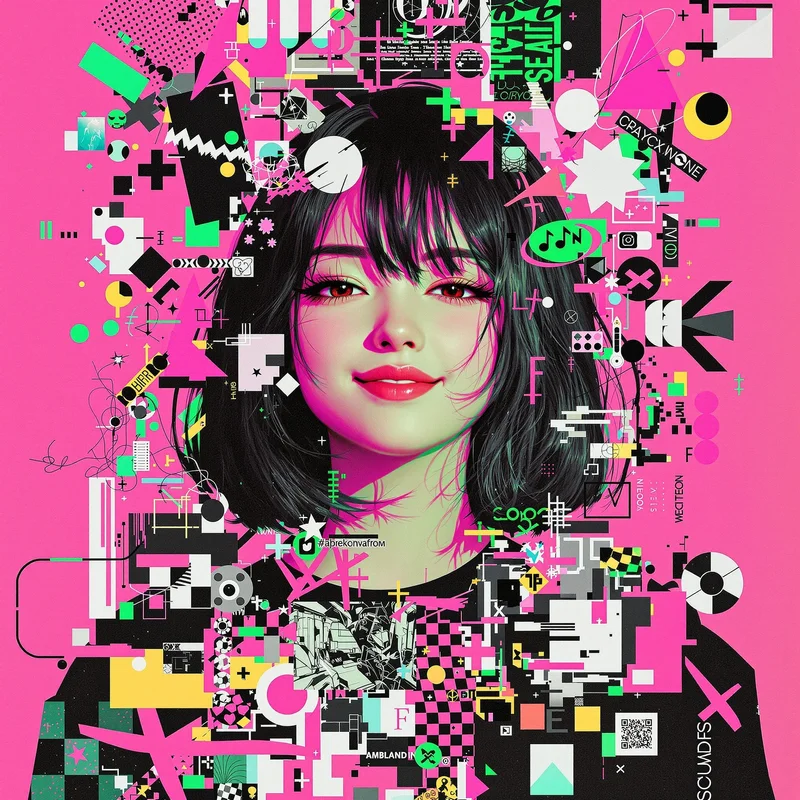
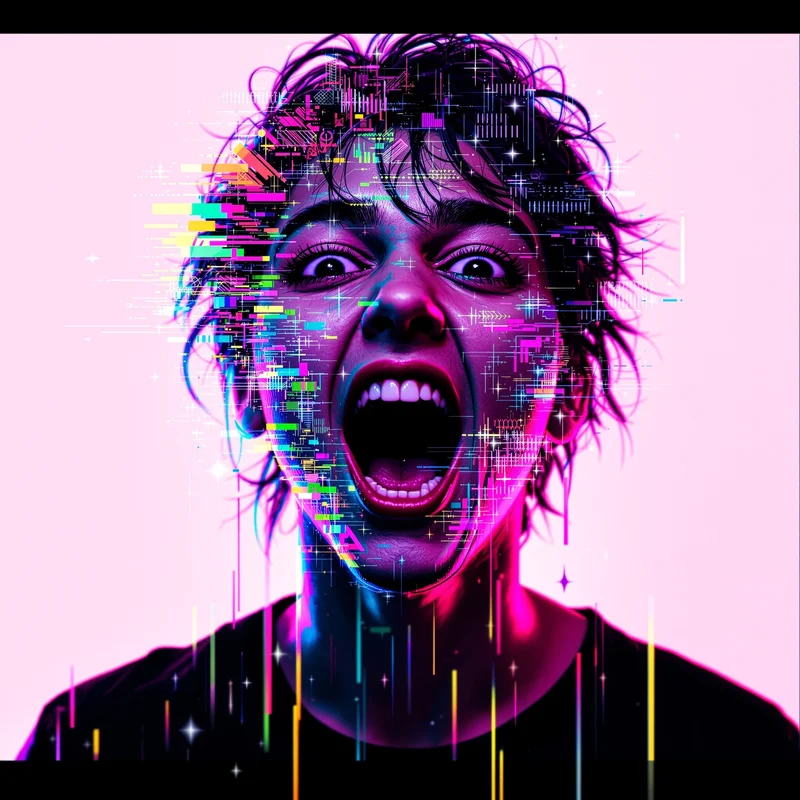
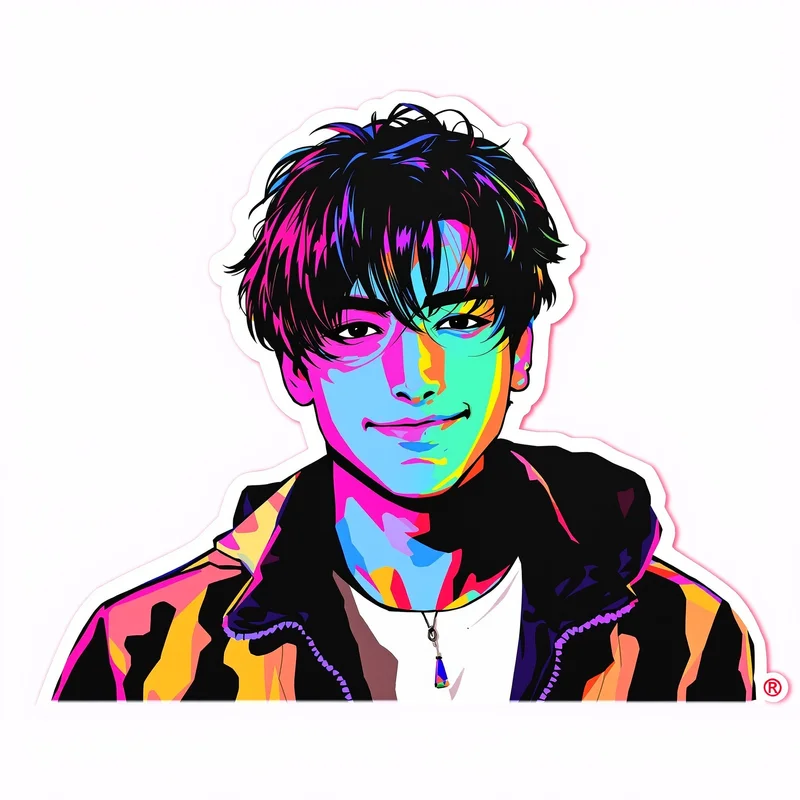
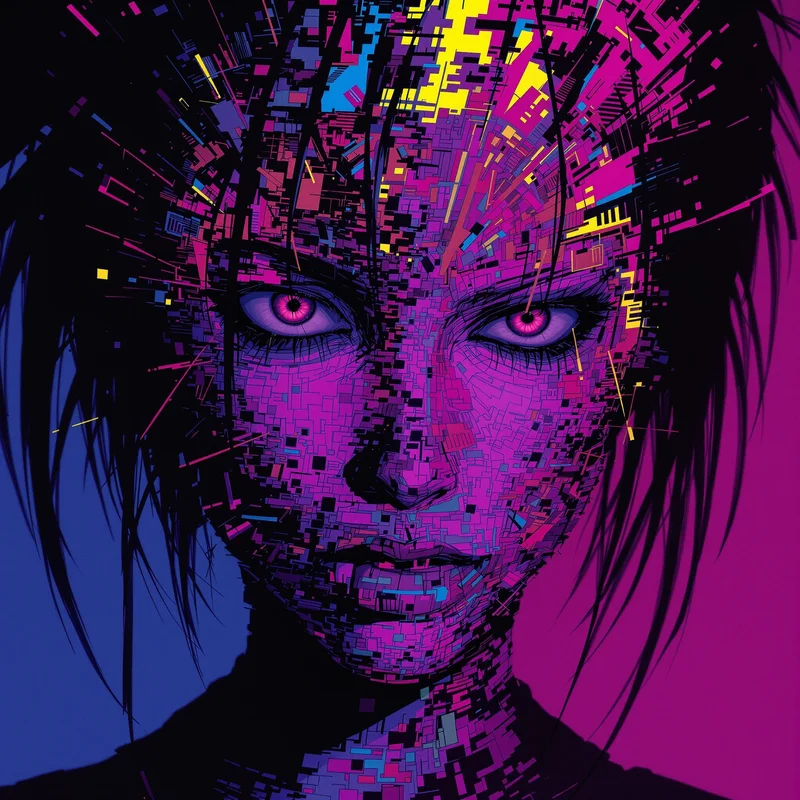
Scene PFP operates on visual overload. It combines contrasting colors, chaotic layering, glitch effects, and fragmented composition to create a presence that feels alive. There is no minimalism here. Every detail adds tension.
This aesthetic thrives on unpredictability. Neon highlights collide with dark shadows. Clean lines are interrupted by distortion. The result is an avatar that feels unstable in the best possible way — constantly shifting, never static.
More importantly, Scene PFP is not about copying a look. It is about amplifying personality. As many communities describe it, there is no single “correct” version of scene — individuality defines the identity. :contentReference[oaicite:1]{index=1}
Scene PFP Gallery
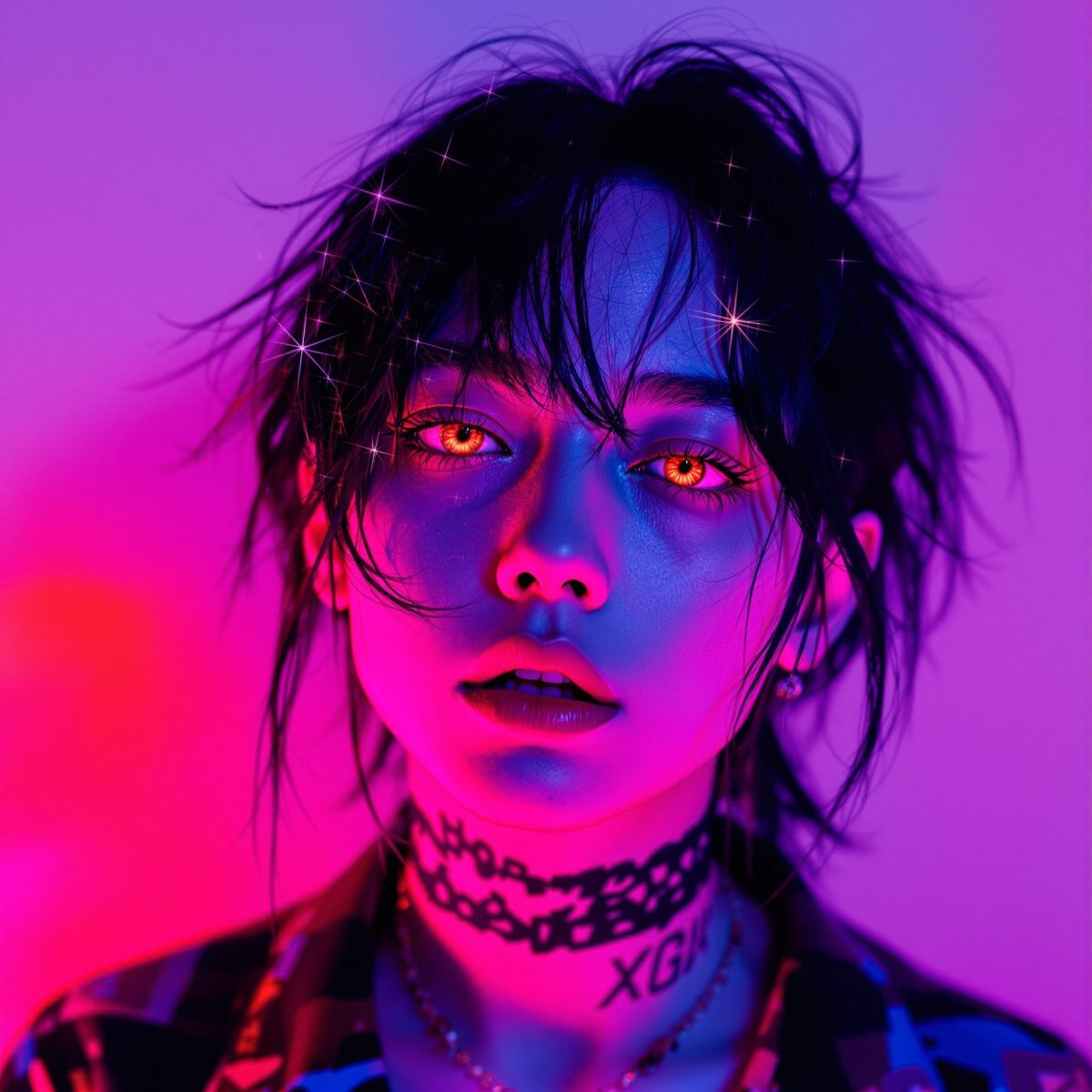
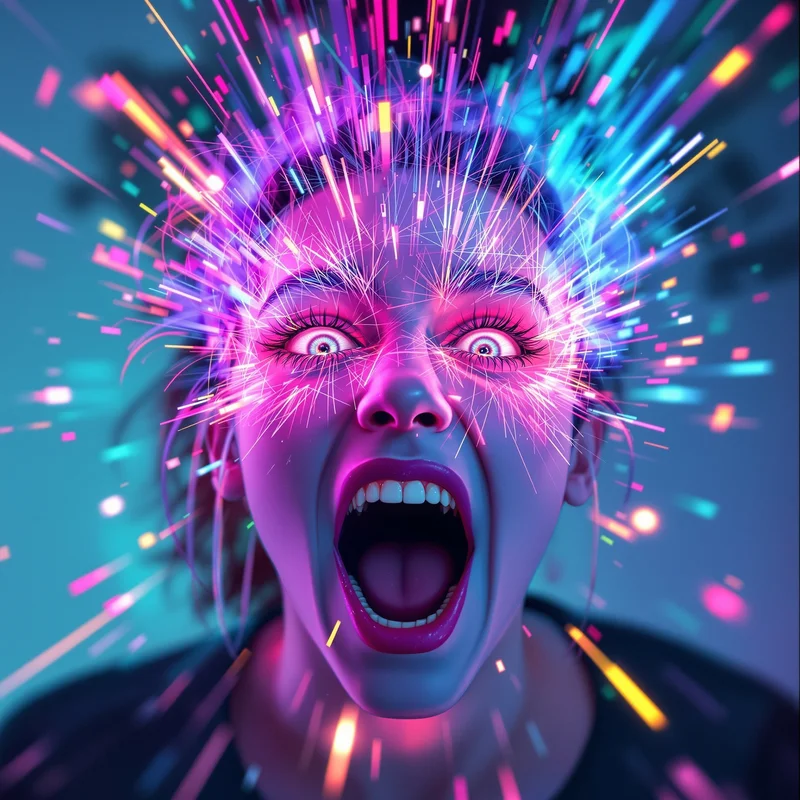
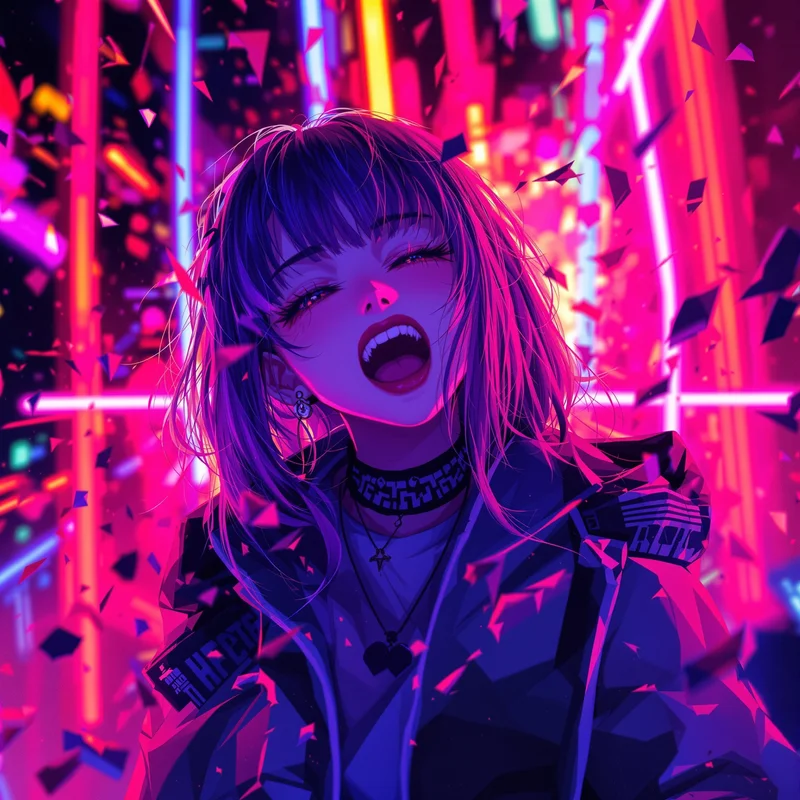
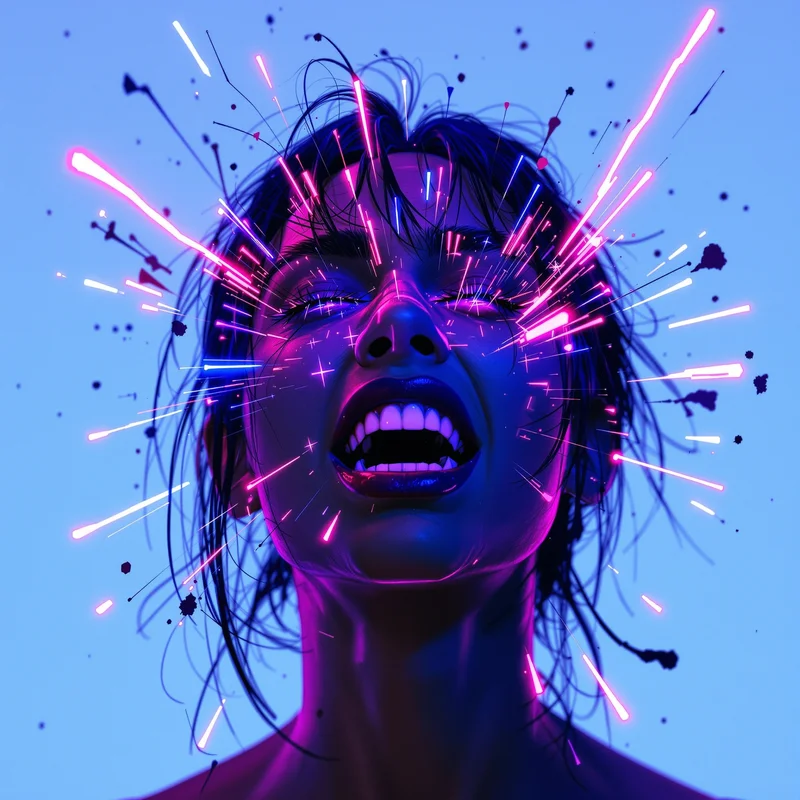
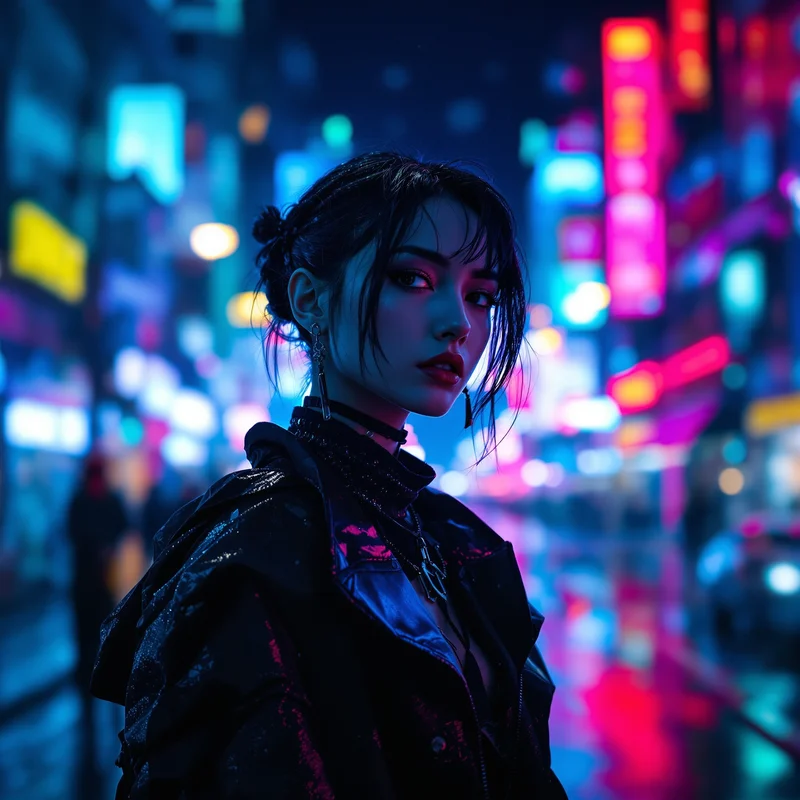
This PFP radiates electric chaos, projecting a digital identity that refuses to stay contained.
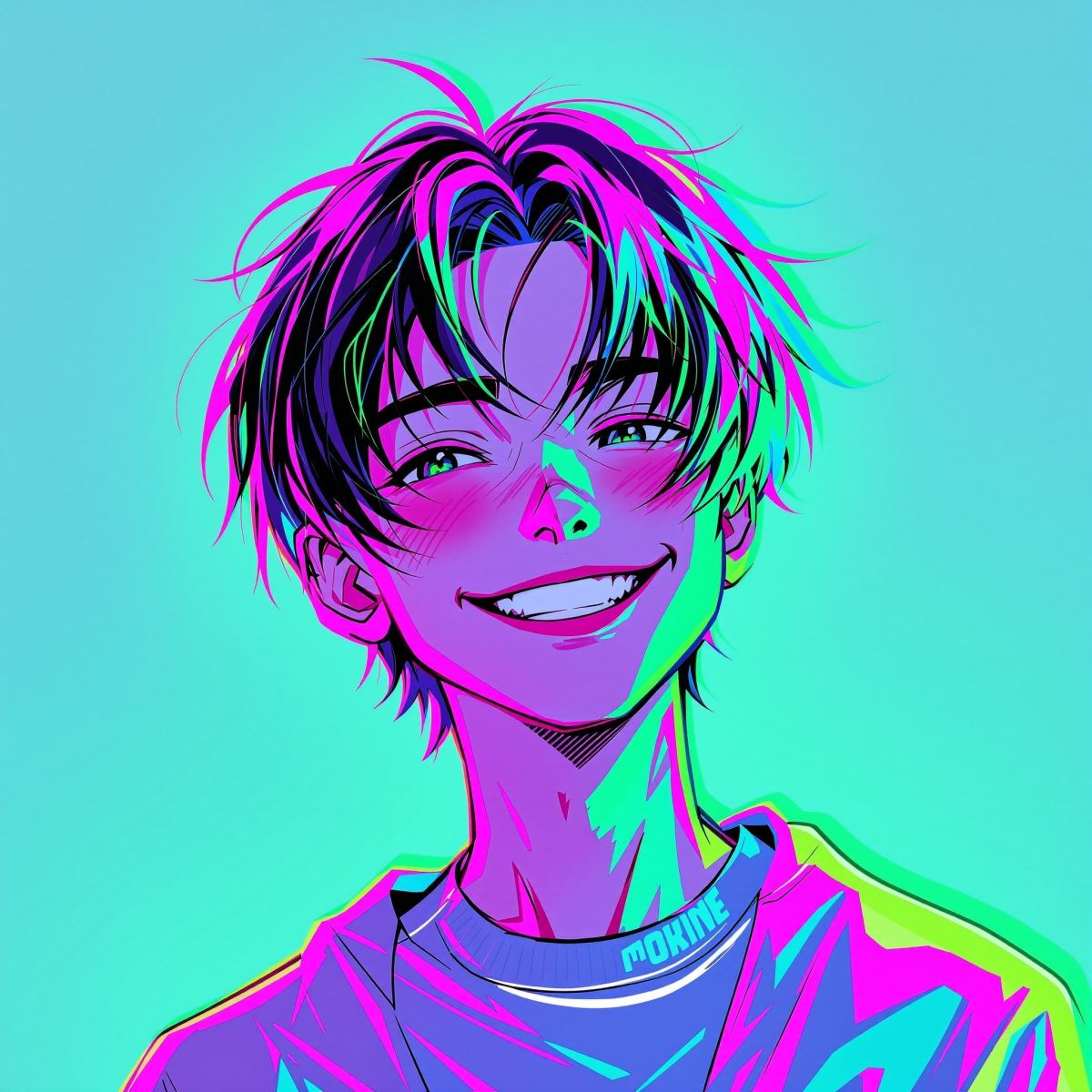
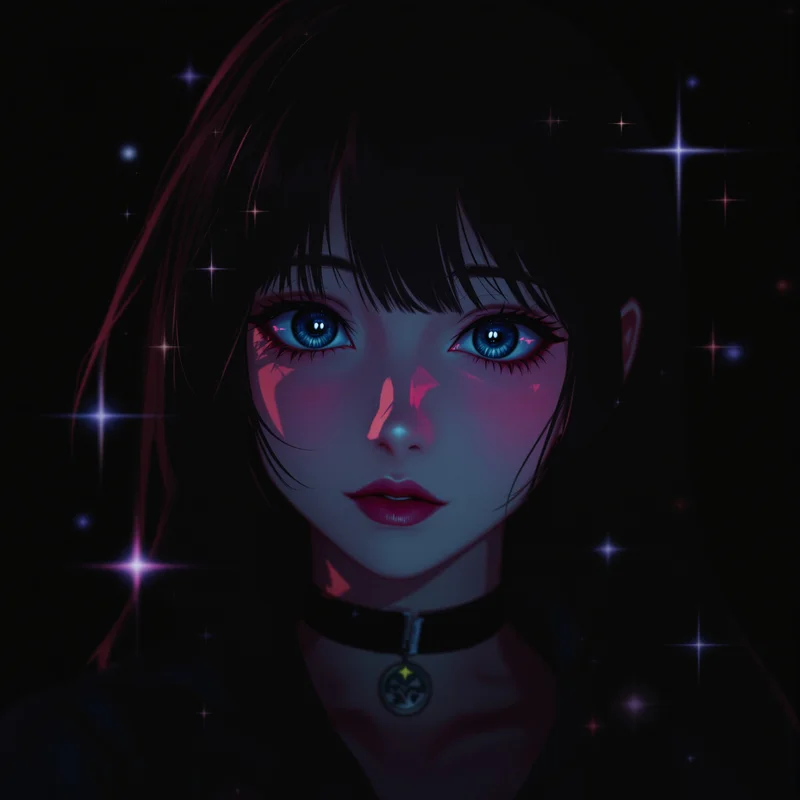
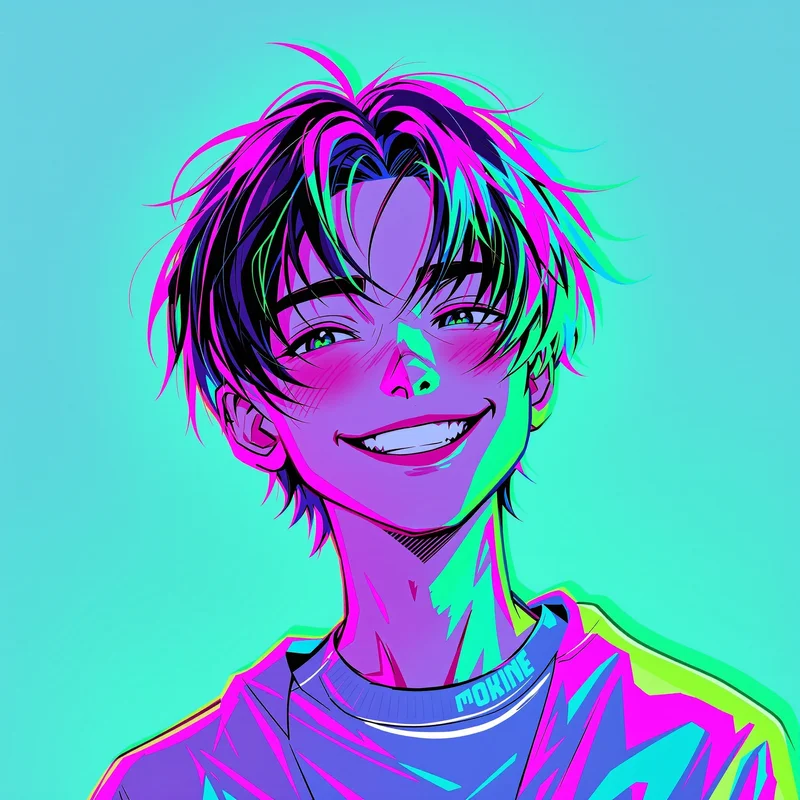
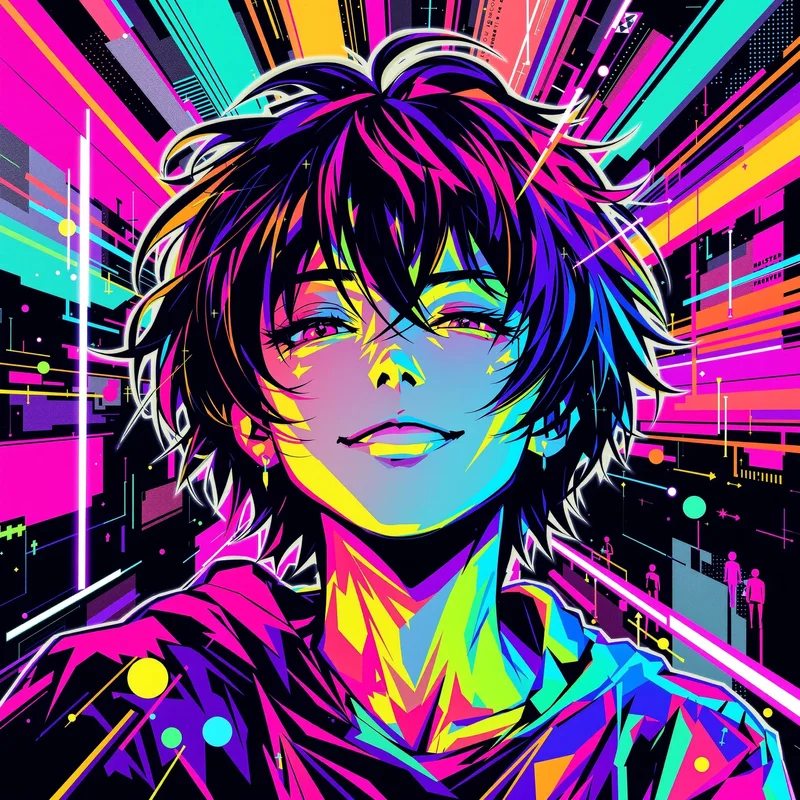
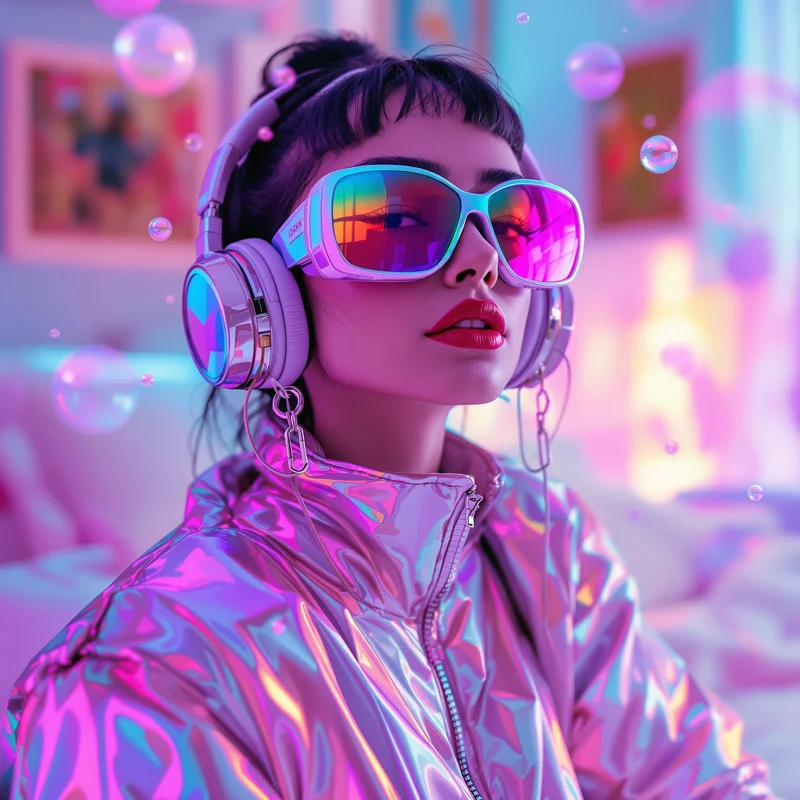
An identity built on tension, where darkness becomes a form of visual dominance.

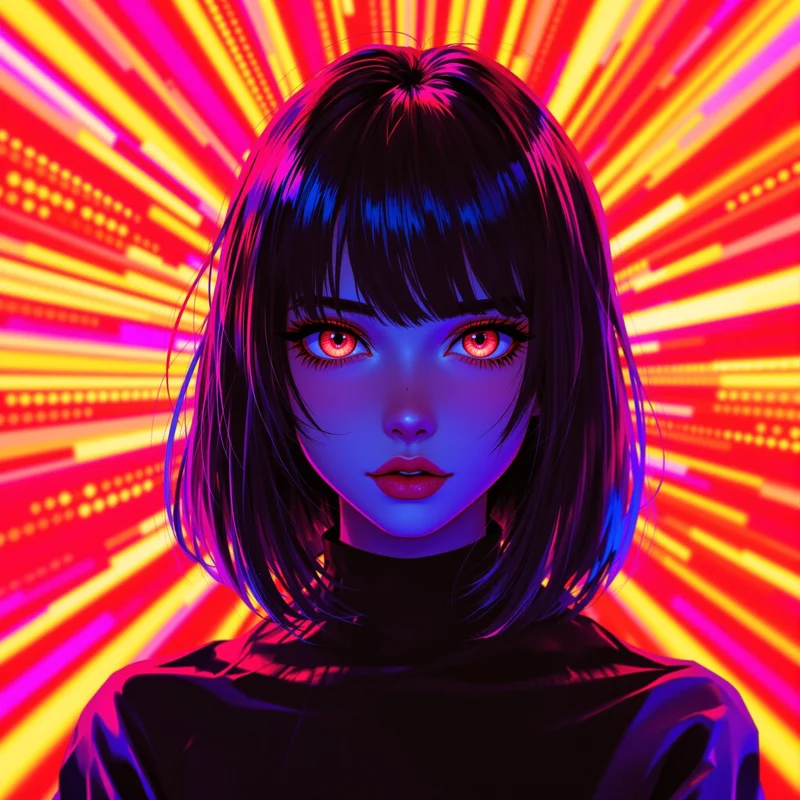
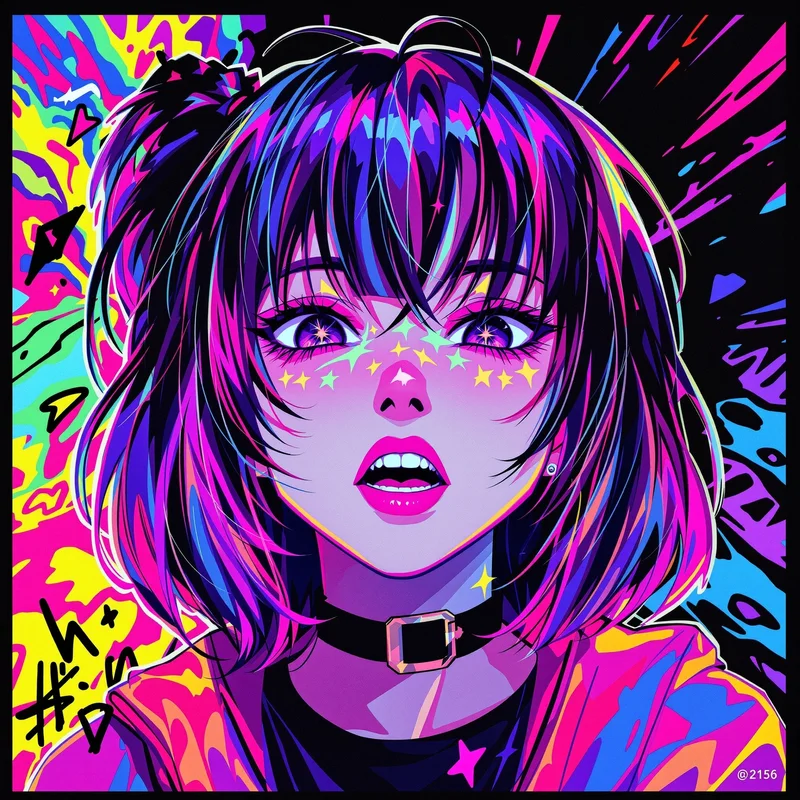
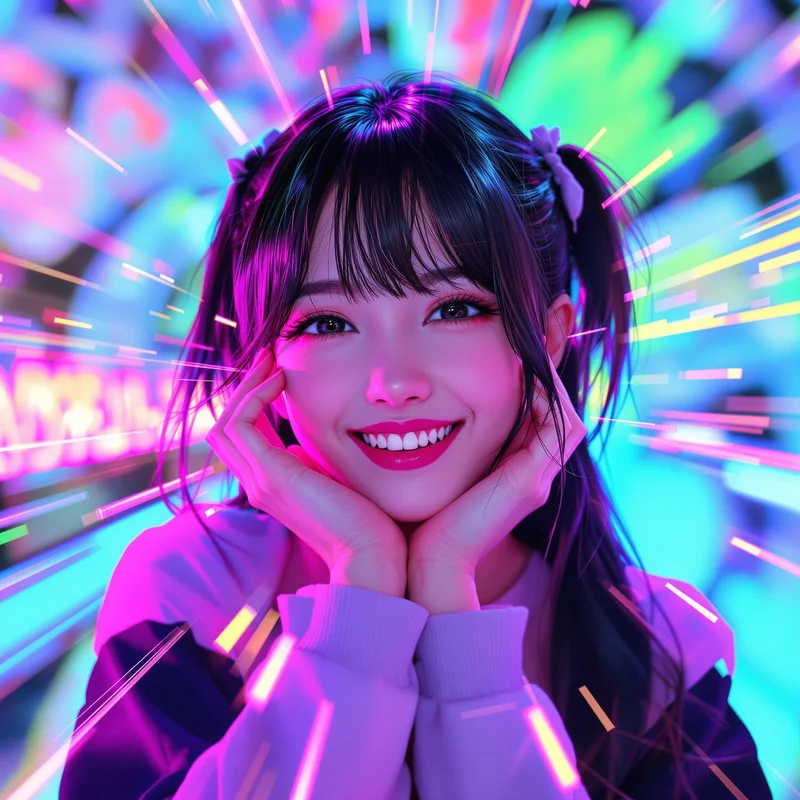
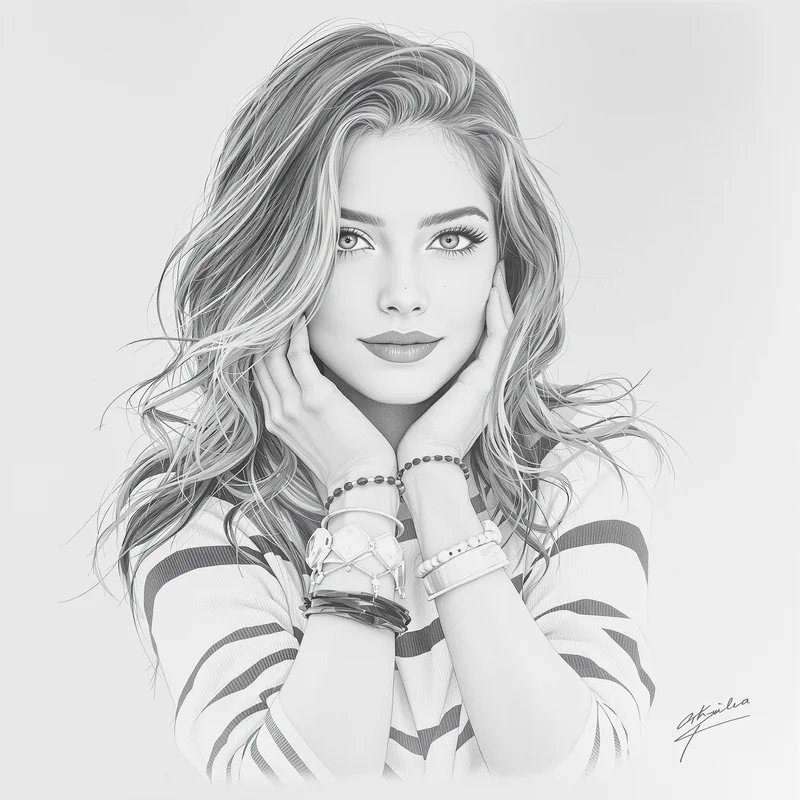
Layered fragmentation expresses a personality that exists in multiple emotional states at once.
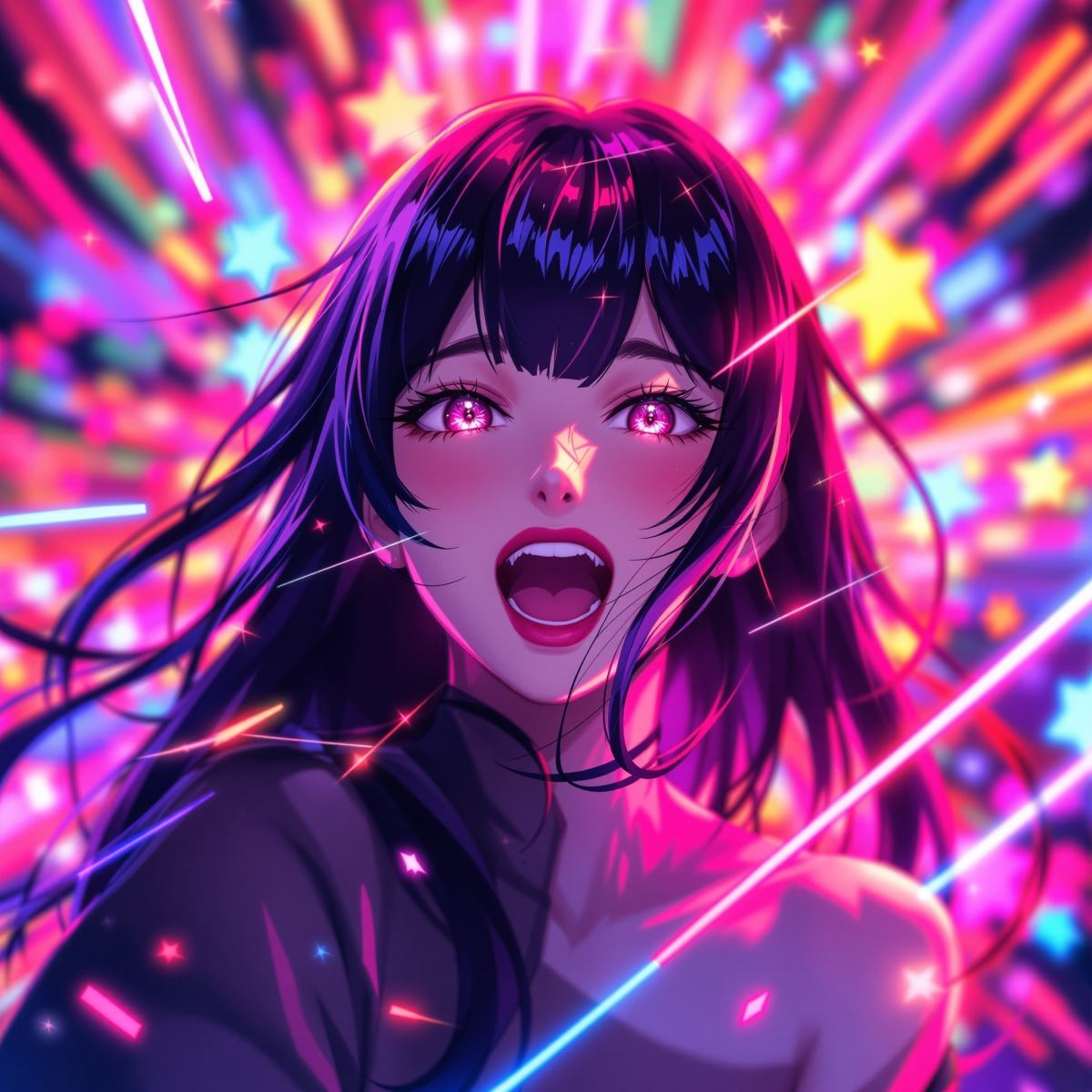
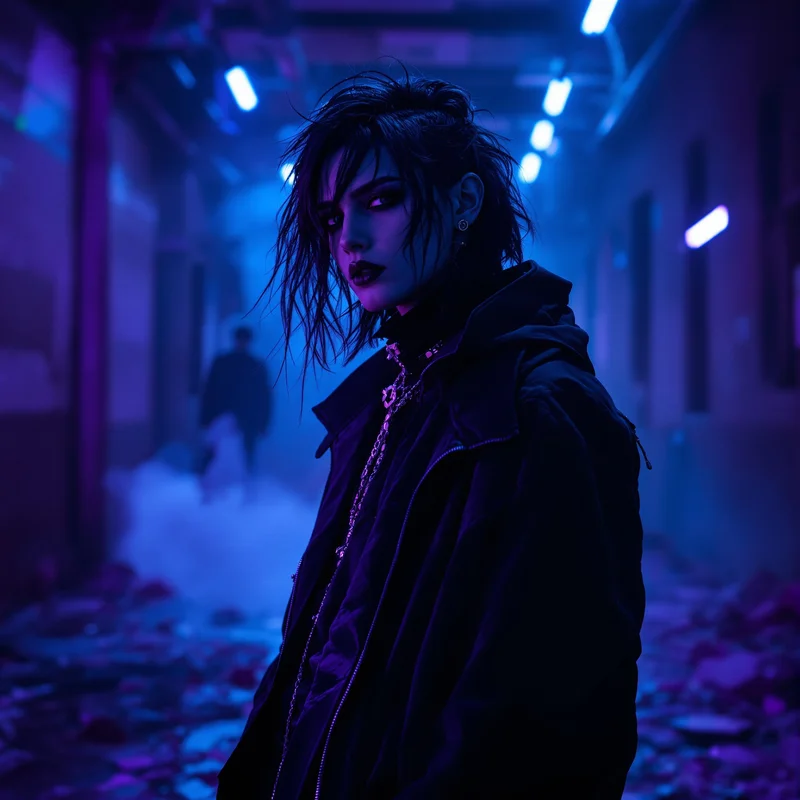
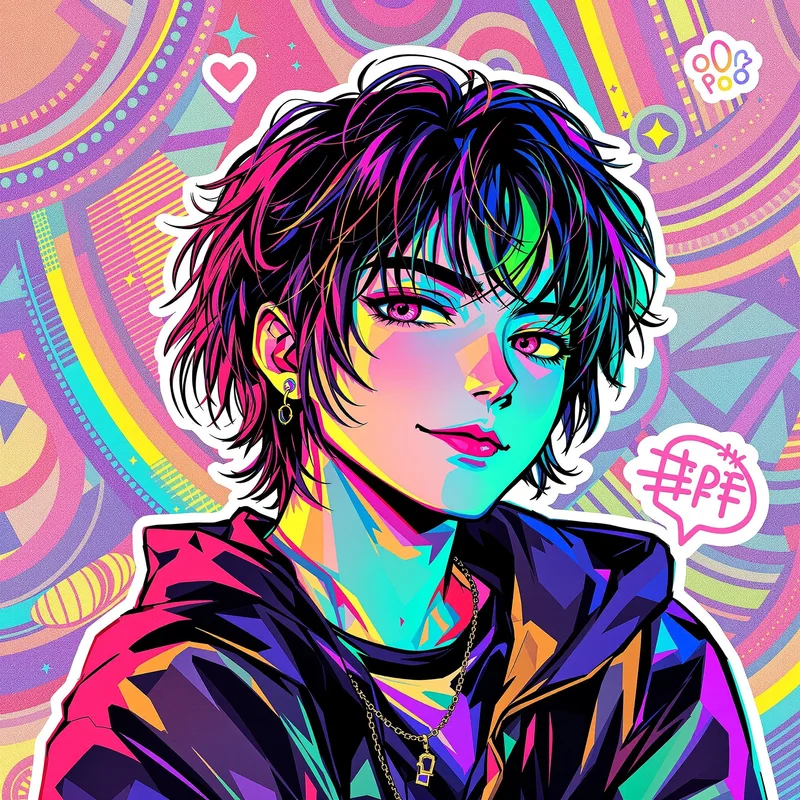
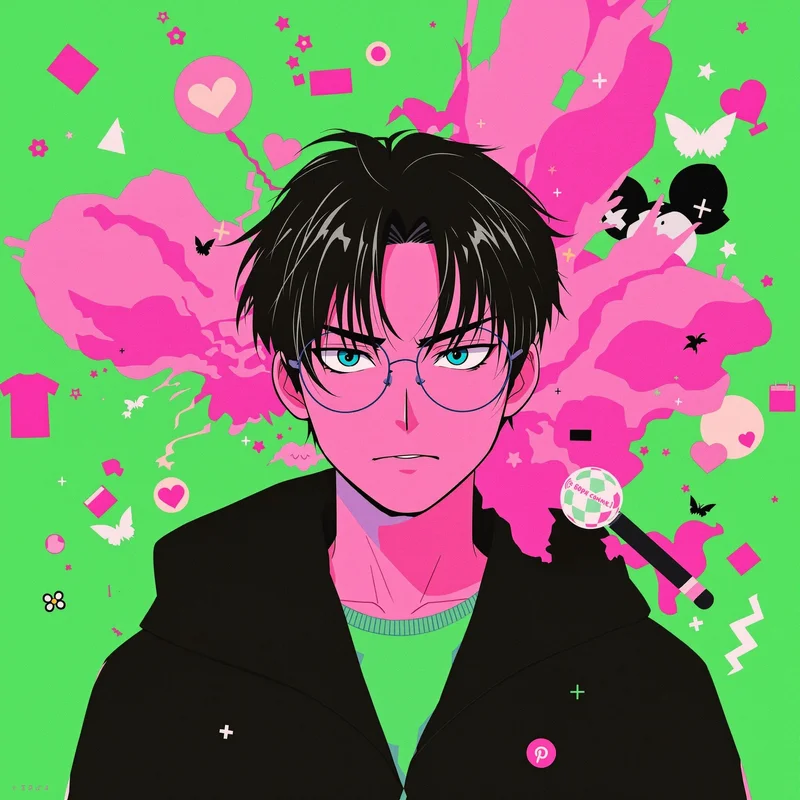
This avatar carries rebellion as its core signal, pushing against every visual expectation.
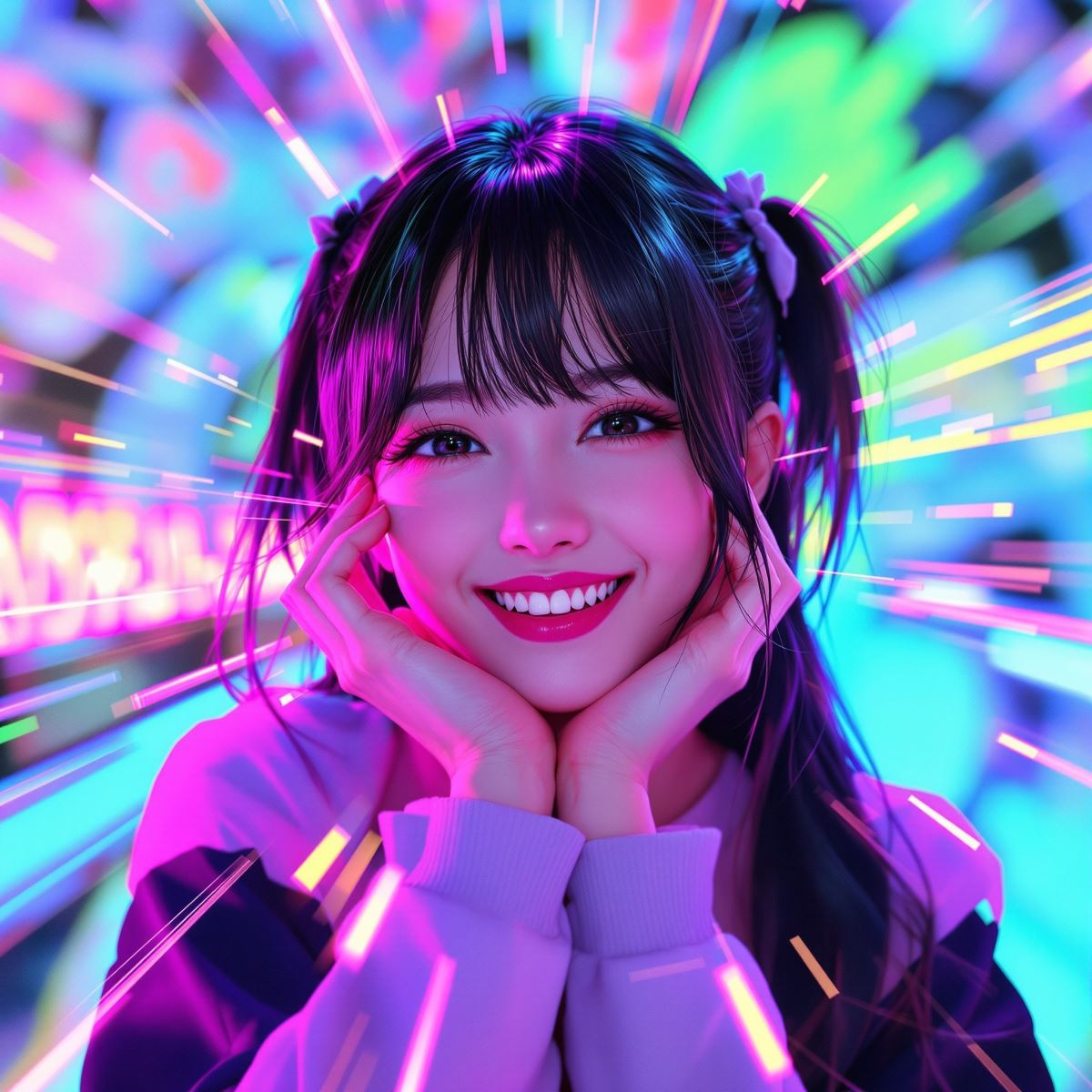
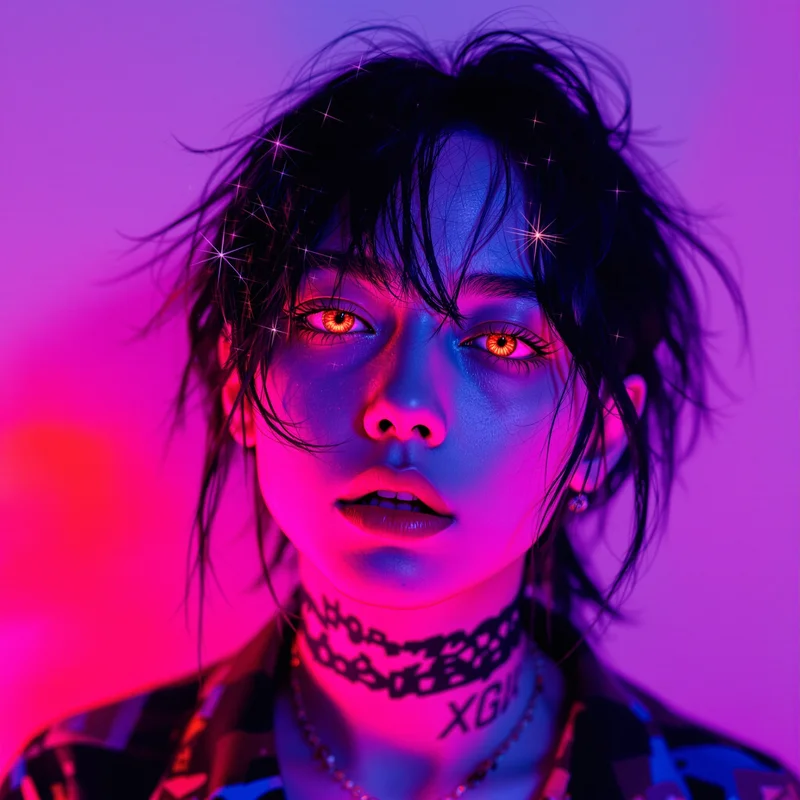
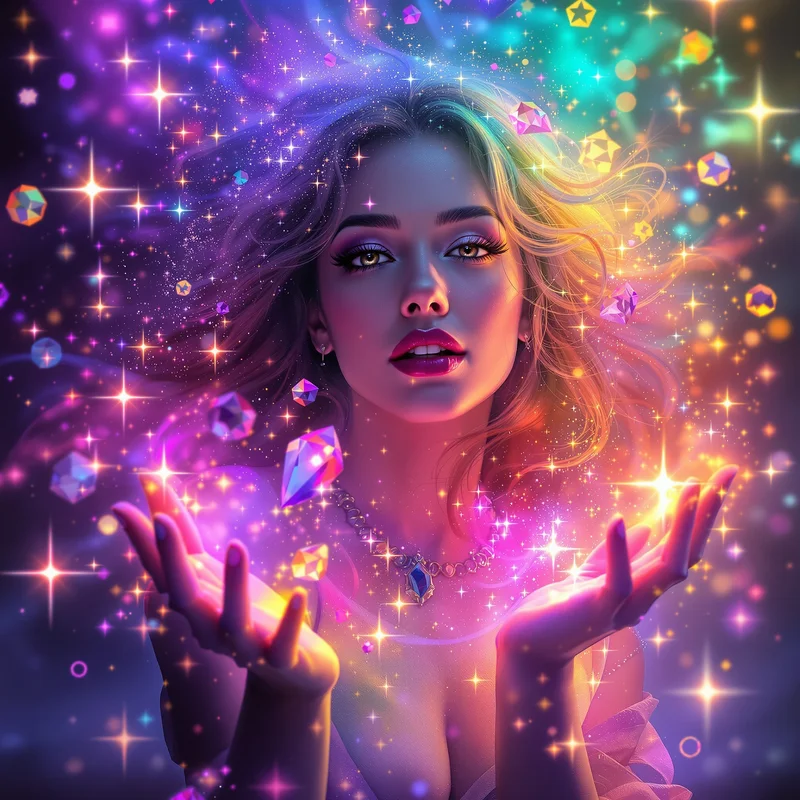
Visual overload becomes identity, where excess is not noise but intention.
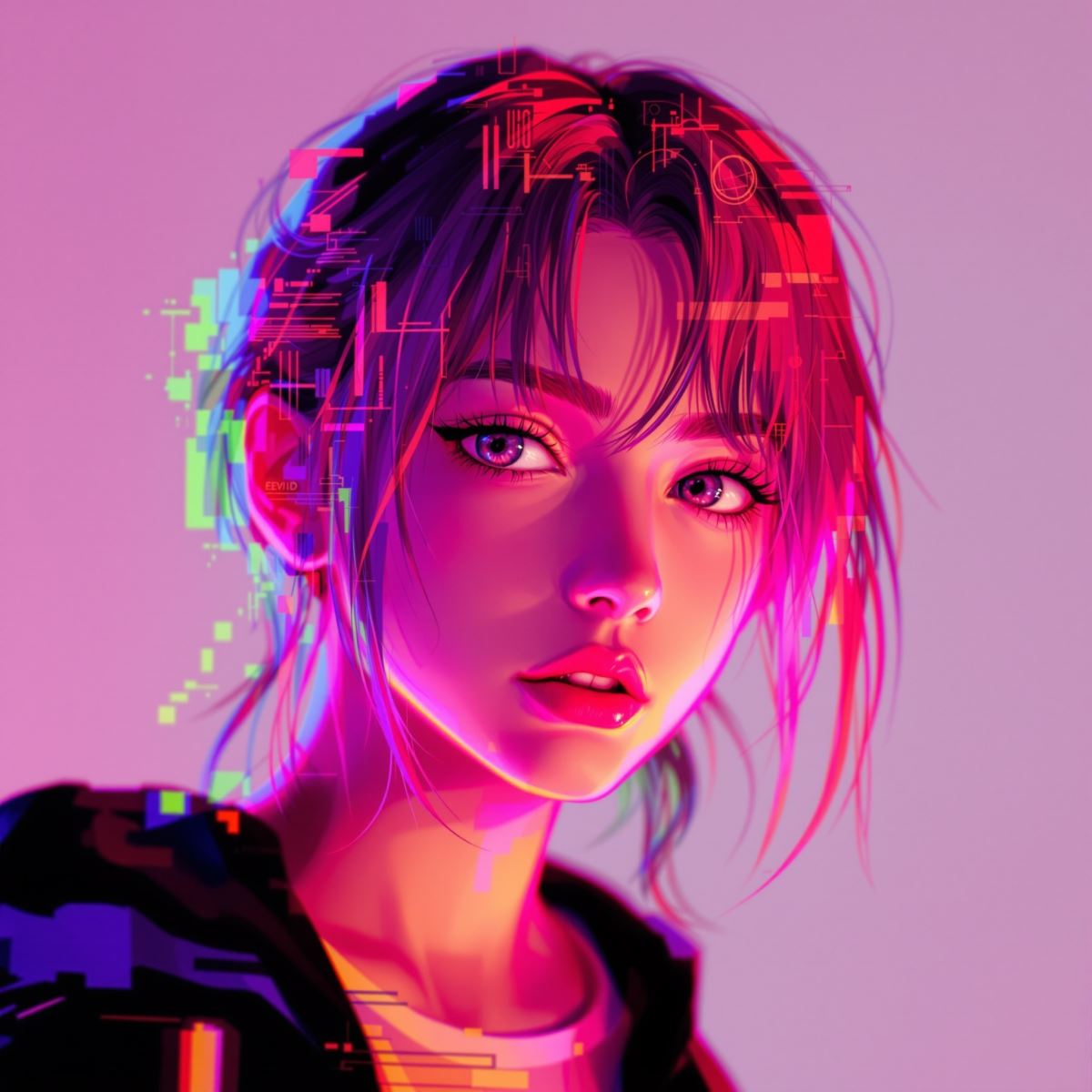
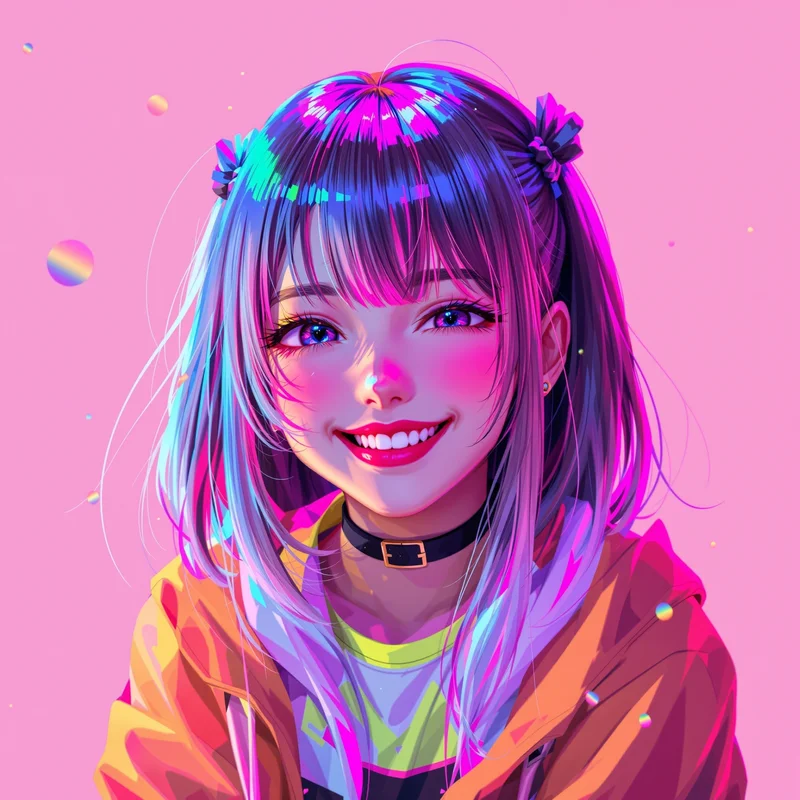
A balance of chaos and color, shaping an identity that feels both nostalgic and current.
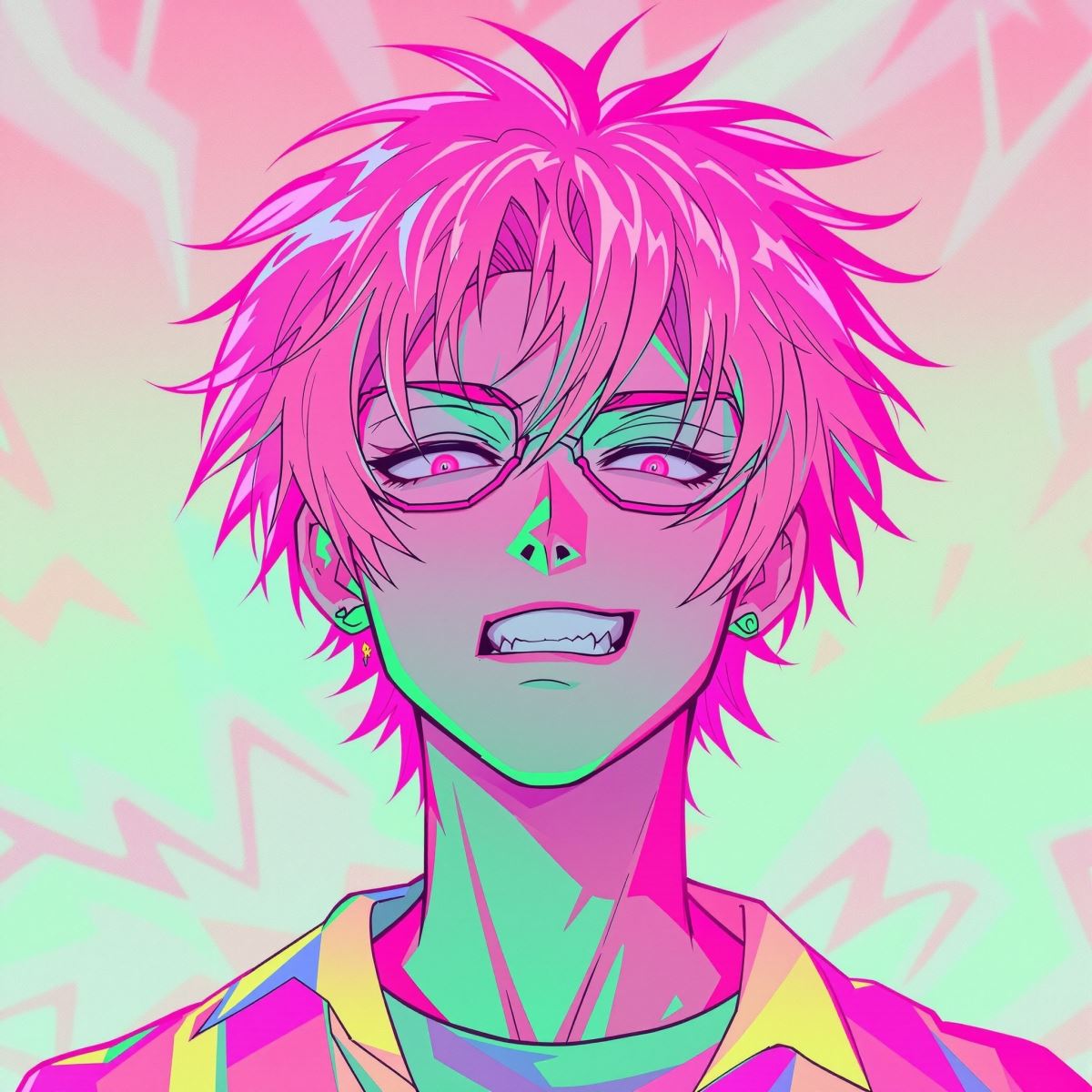
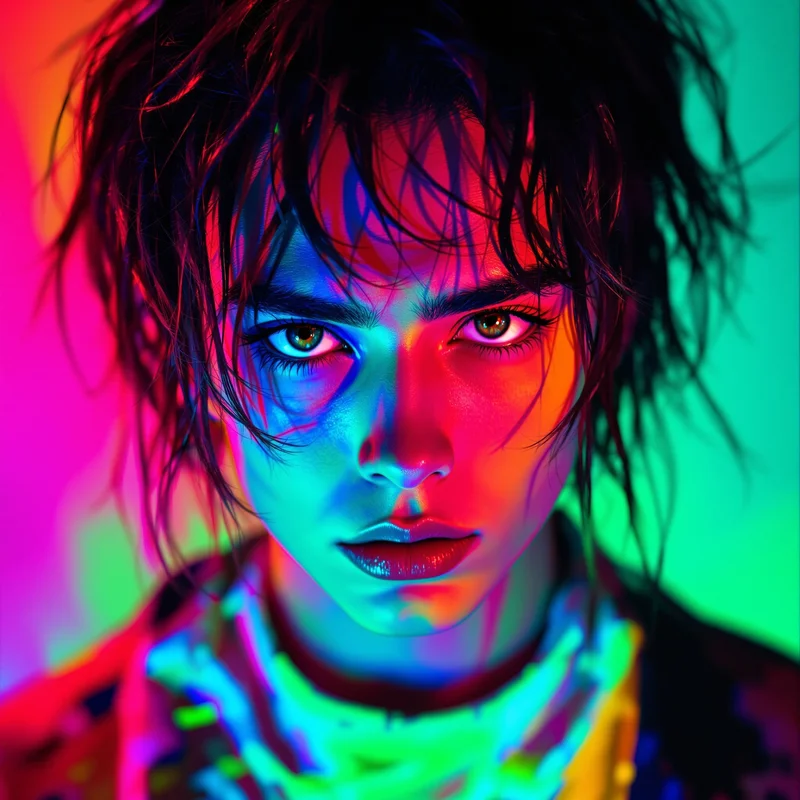
This PFP communicates raw freedom — an identity that refuses to be simplified.
Identity Meaning Behind Scene PFP
Choosing a Scene PFP is a statement. It signals that your identity is not fixed or easily categorized. It reflects emotional complexity, creative rebellion, and a willingness to stand outside visual norms.
Unlike minimal or aesthetic-driven avatars that aim for harmony, Scene PFP thrives in contradiction. It embraces noise, intensity, and visual tension as part of self-expression.
This makes it powerful in digital environments. While other avatars aim to look clean or polished, a Scene PFP commands attention. It interrupts scrolling behavior and forces recognition.
When to Use Scene PFP
Scene PFP works best when your identity is expressive, emotional, or unconventional. It fits environments where personality matters more than perfection.
- Social platforms where individuality drives engagement
- Creative communities and artistic spaces
- Gaming or digital identities that embrace chaos energy
- Moments where you want to stand out, not blend in
If your presence is bold, unpredictable, or emotionally charged, Scene PFP becomes a natural extension of that identity.
Scene PFP as a Behavior Signal
Scene PFP is not passive. It actively influences how others perceive and interact with you. It signals intensity, creativity, and emotional depth before any words are exchanged.
In the PFP ecosystem, this creates a distinct behavior loop:
- User notices the chaos → stops scrolling
- User interprets identity → curiosity increases
- User remembers the avatar → recognition builds
This is why Scene PFP is powerful. It does not just represent identity. It shapes interaction.
FAQ
What makes a Scene PFP different from other aesthetic PFPs?
Scene PFP focuses on chaos, layering, and expressive overload, while most aesthetic PFPs aim for harmony and simplicity.
Is Scene PFP only about bright colors?
No. It can include dark tones, neon contrasts, or mixed palettes. The key is intensity and contrast, not just brightness.
Can Scene PFP represent personality?
Yes. It often reflects emotional depth, rebellion, and individuality more strongly than clean or minimal avatars.
Why does Scene PFP attract attention?
Because it breaks visual patterns. The human eye is drawn to contrast, chaos, and unexpected composition.