Character




























Character PFP – Identity Through Style, Personality, and Recognition
Character PFP is one of the broadest and most important parent hubs in the entire avatar system because it sits above many different identity directions at once. Unlike a narrow child hub built around one specific character or mood, Character PFP functions as a discovery layer for users who want a profile picture shaped by personality, archetype, or recognizable figure. It is not a single aesthetic. It is a structured entry point into multiple forms of avatar identity.
Some users want a profile that feels cool and detached. Others want something cute and emotionally warm. Some want a recognizable anime or gaming character. Others want a music-driven or culture-driven profile signal with stronger attitude. That is exactly why Character PFP matters. It organizes those paths into one parent entity so the user can move from broad intent to the exact type of avatar identity that fits them best.
A strong Character PFP system is not just about collecting pages. It is about building a readable taxonomy of identity. Each child hub expresses a different emotional direction, symbolic signal, and recognition style. Together, they create a larger map of how character-based avatars function across platforms, communities, and profile-driven environments.
Why Character PFP Works as a Parent Hub
Character-based avatars work because they compress identity fast. Instead of starting from abstract color or generic mood, they give the user an immediate symbolic anchor. A cool PFP suggests confidence or edge. A cute PFP suggests softness or emotional warmth. Killua PFP brings sharp anime intensity. Sackboy PFP introduces playful craft energy. Chief Keef PFP adds darker music-driven attitude. These are not random image types. They are different identity lanes.
That is why Character PFP works so well as a parent hub. It gives users a top-level category where character-centered identity becomes navigable. Rather than forcing a single emotional direction, it opens multiple routes at once. This makes the page more useful both for search behavior and for on-site discovery. Users can arrive with a broad idea and leave with a very specific avatar fit.
There is also a strong recognition advantage. Character-based profiles usually outperform flat generic images because they carry built-in narrative, cultural memory, or emotional coding. A strong parent hub helps organize those signals so Google and users both understand the structure more clearly.
Representative Character PFP Gallery

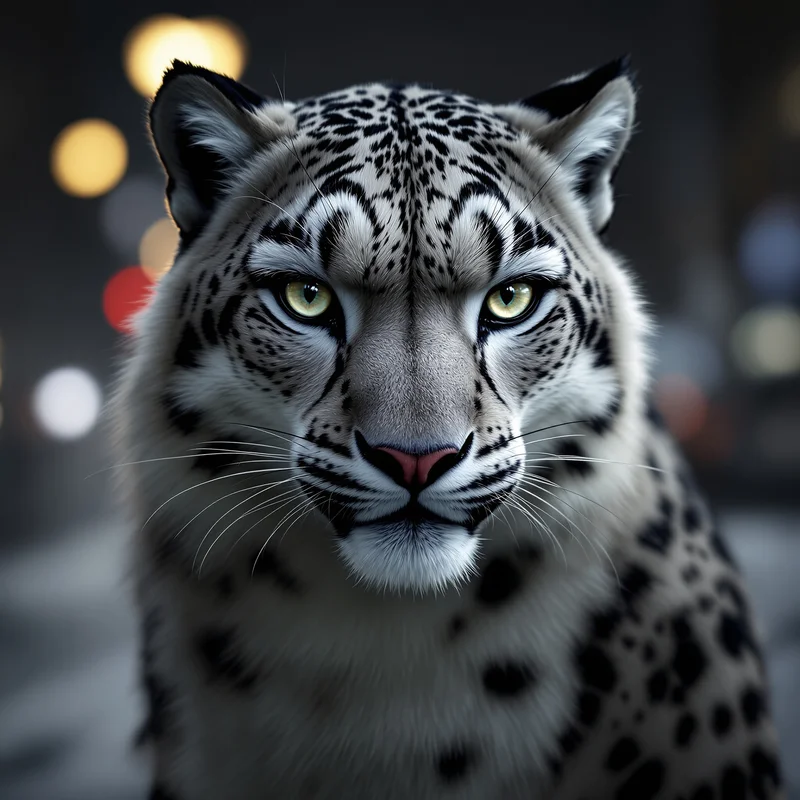
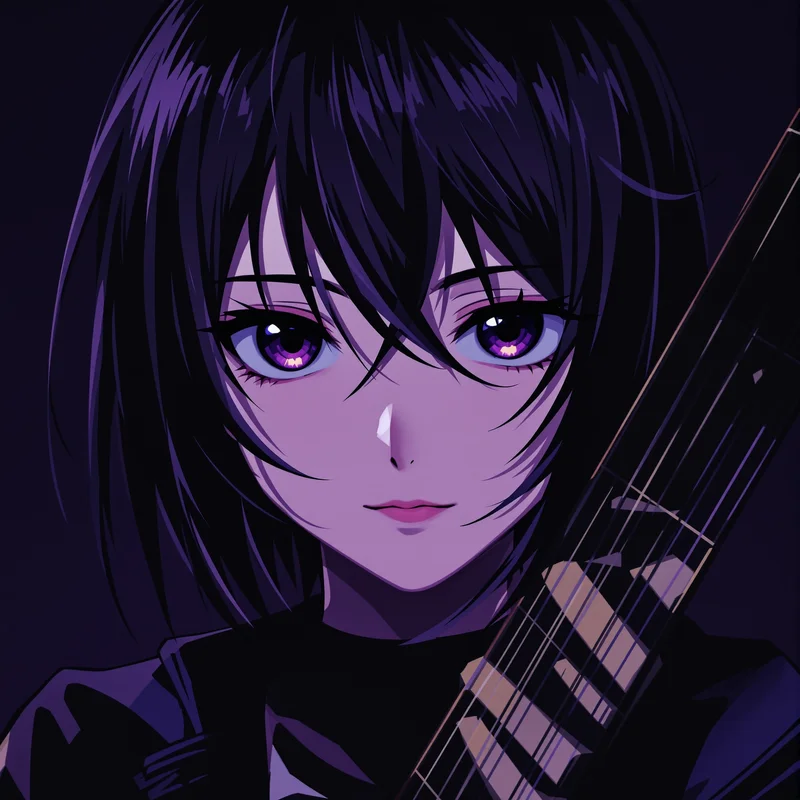
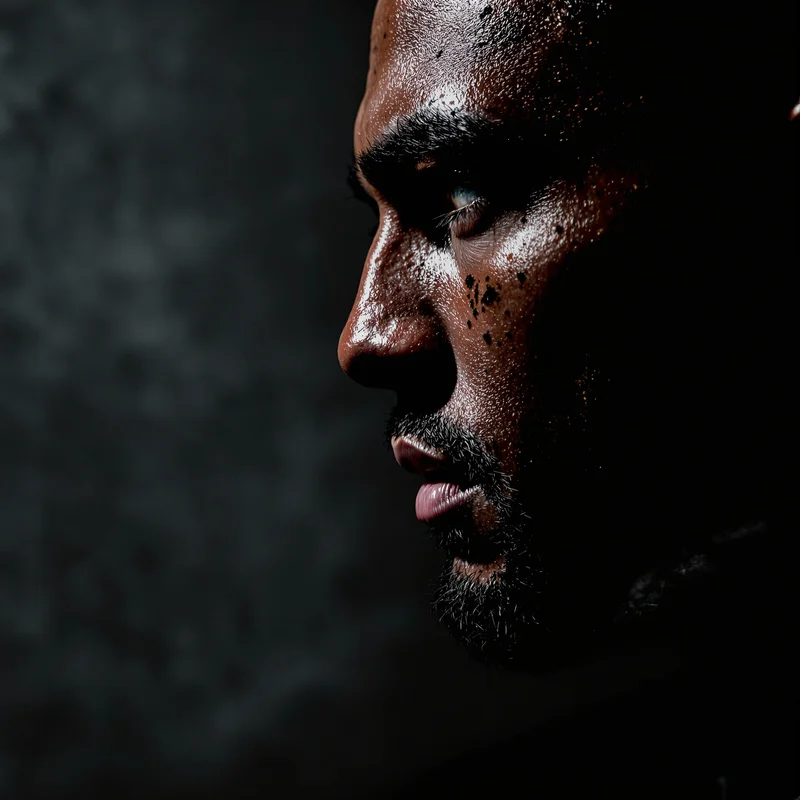
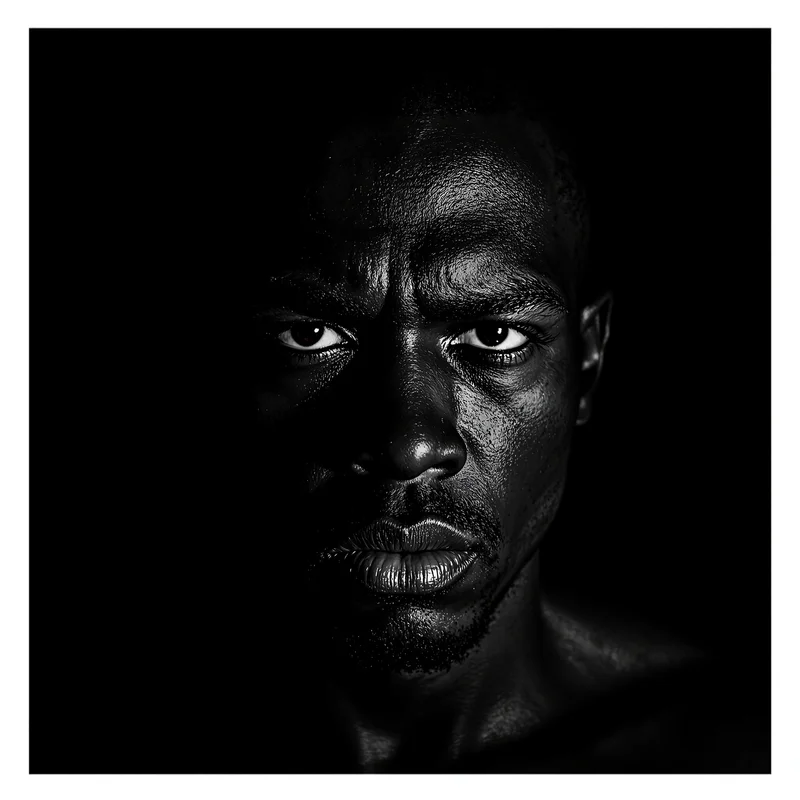
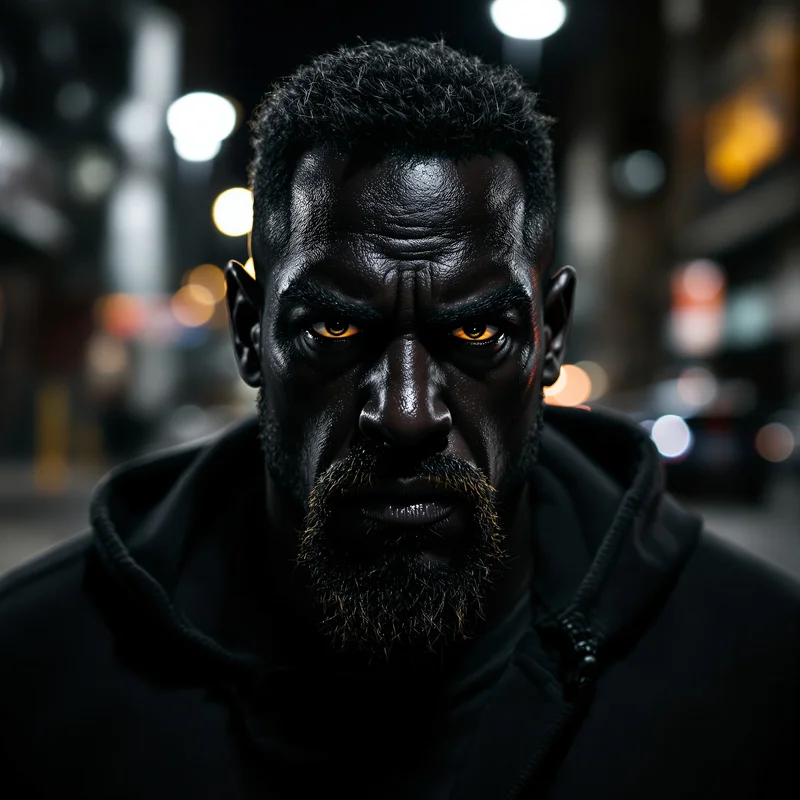
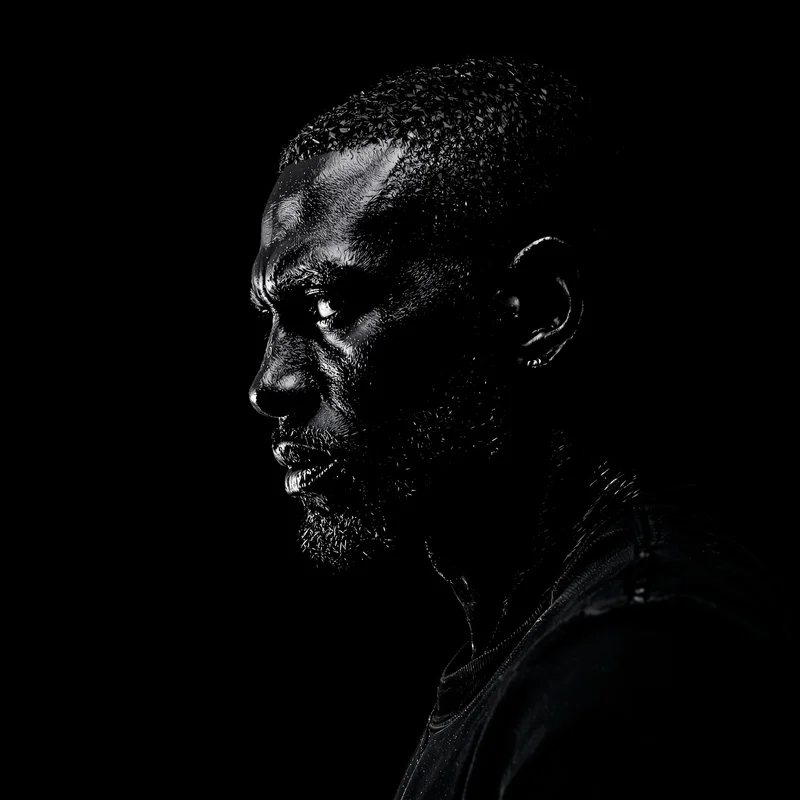
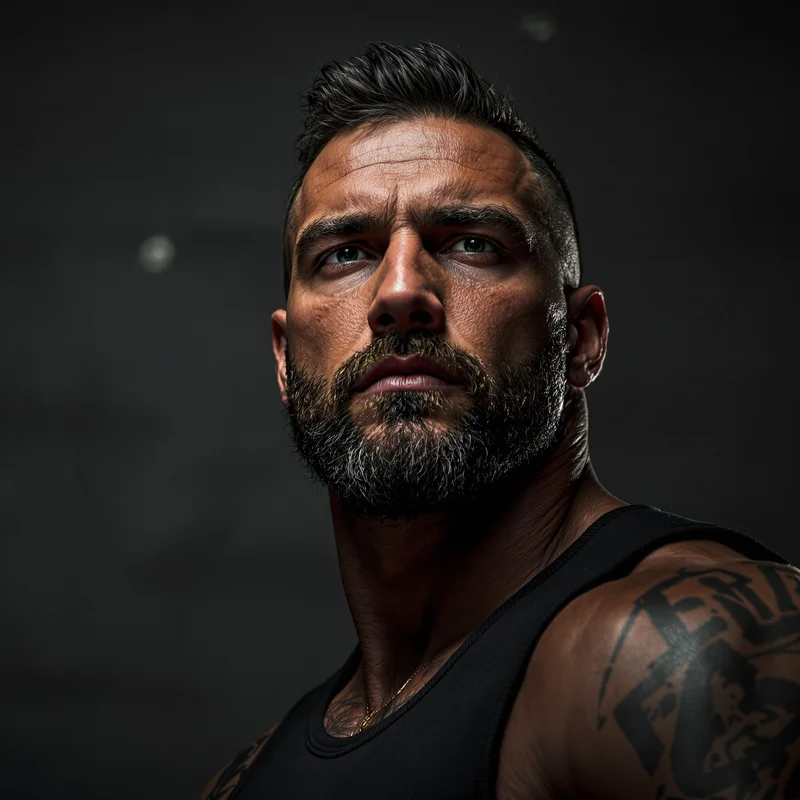
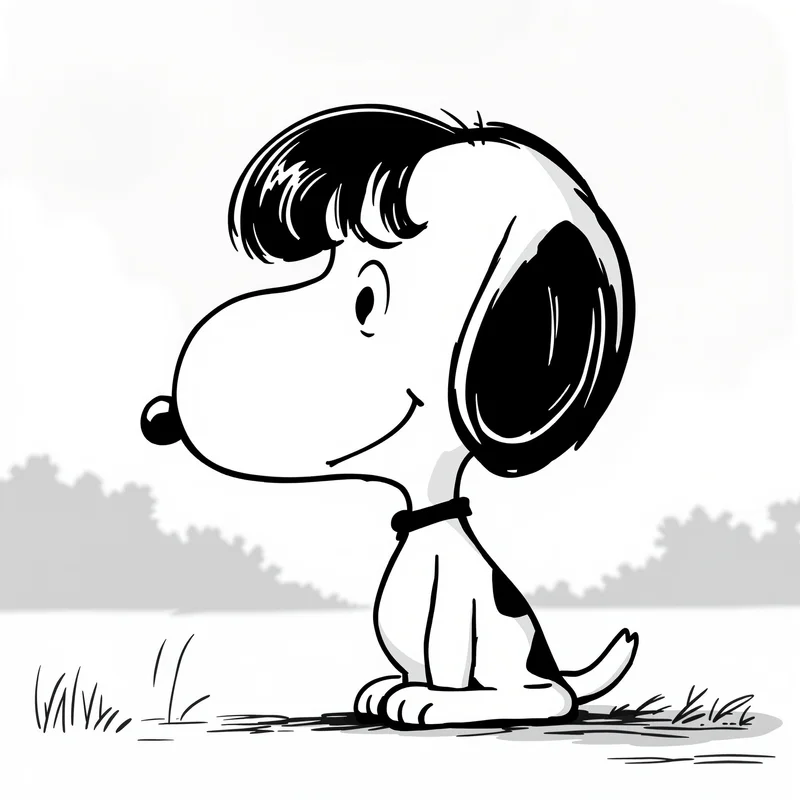
This style gives the profile a calmer and more controlled identity signal, making the avatar feel sharper without needing loud visual pressure.
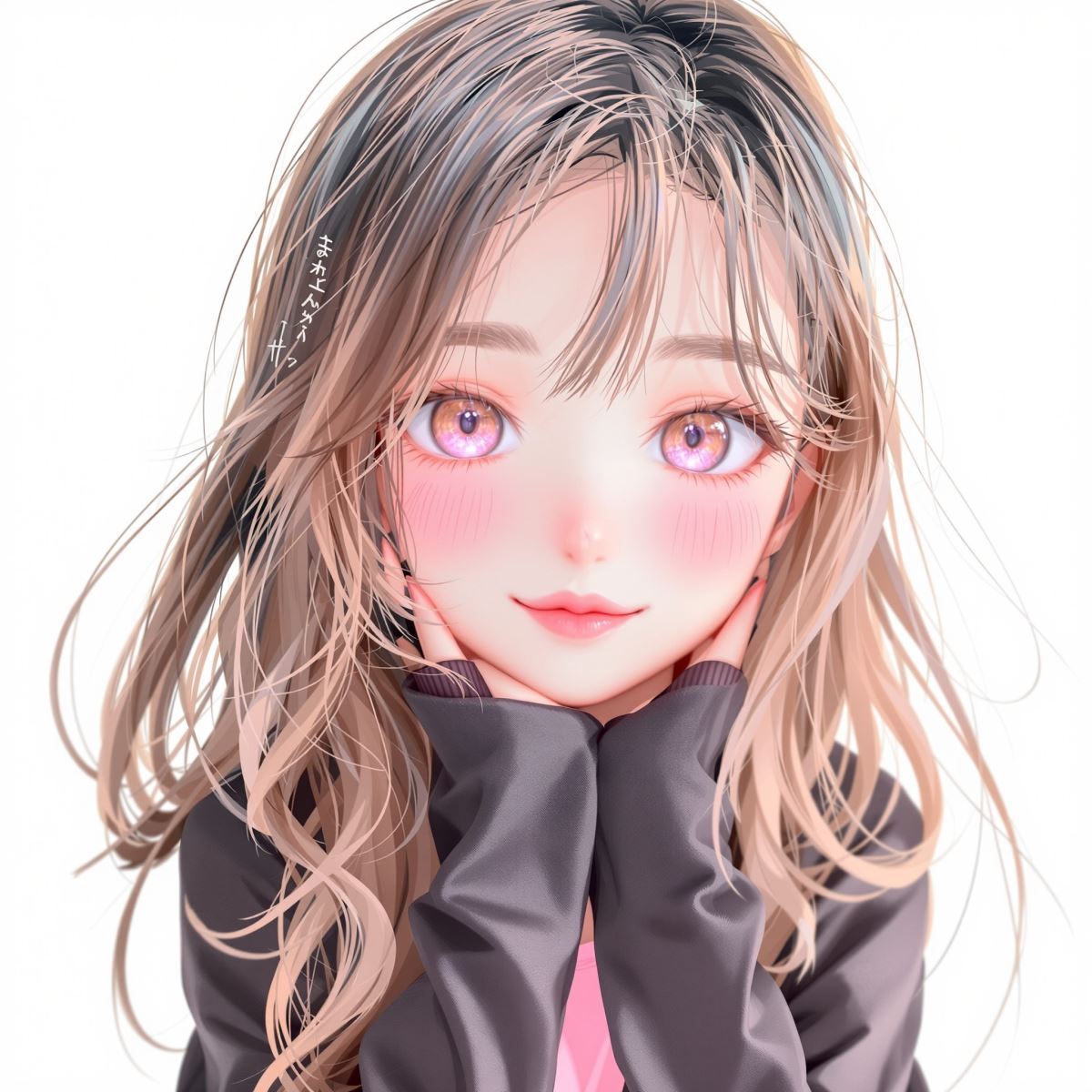
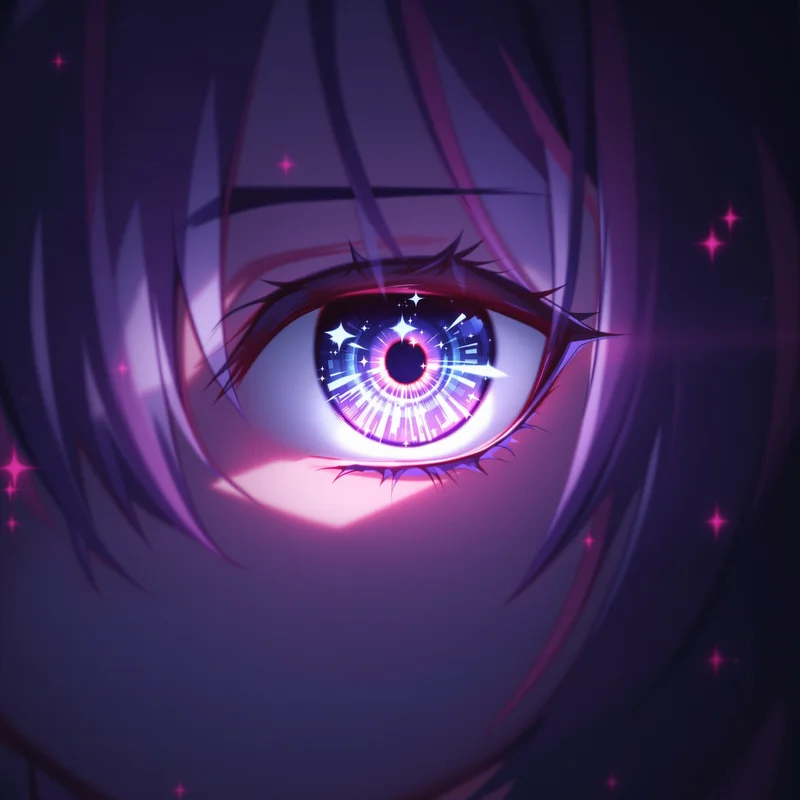
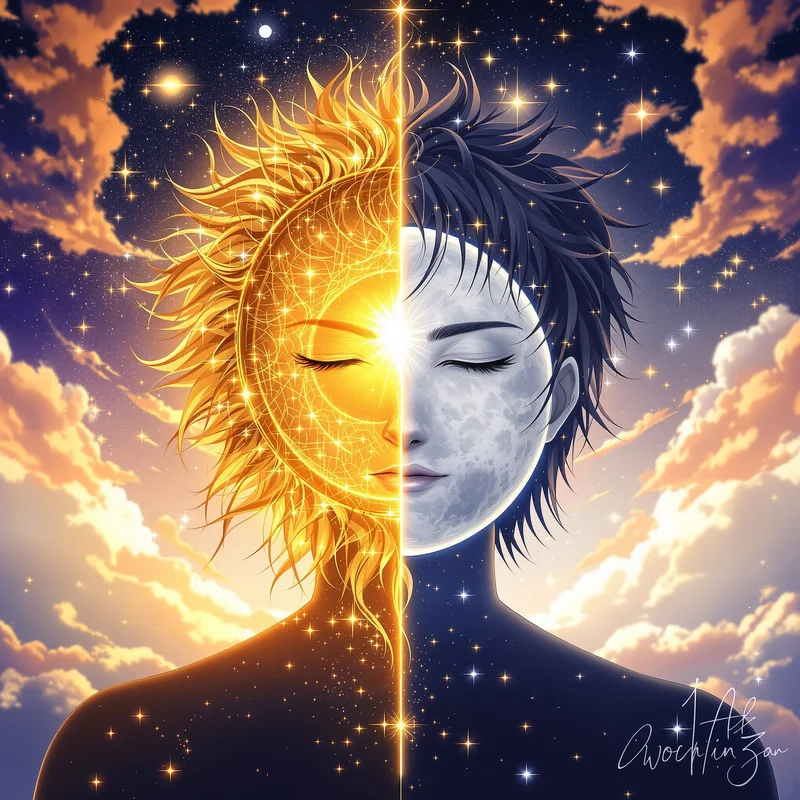
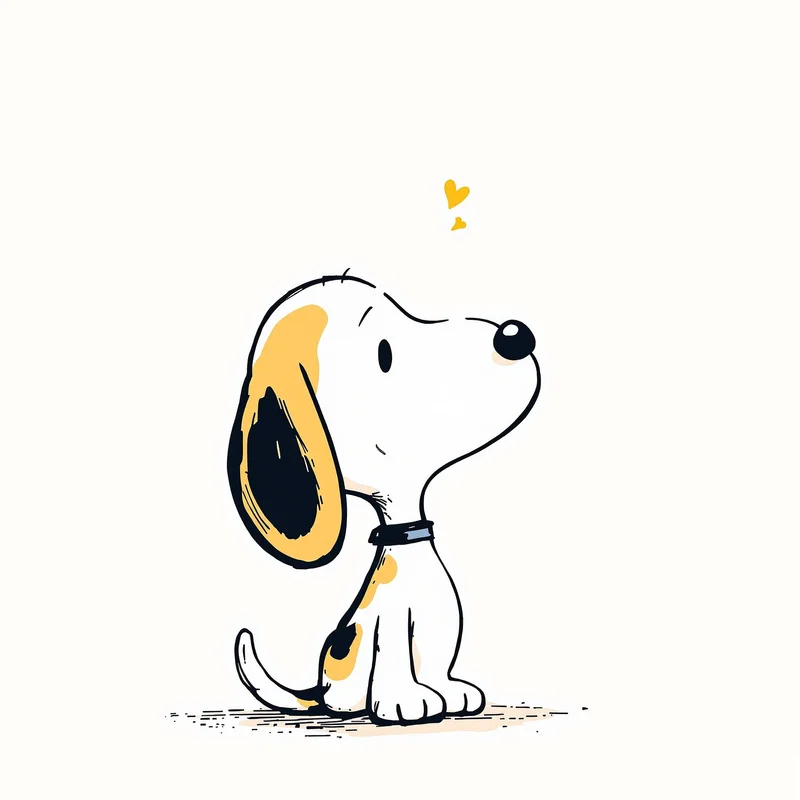
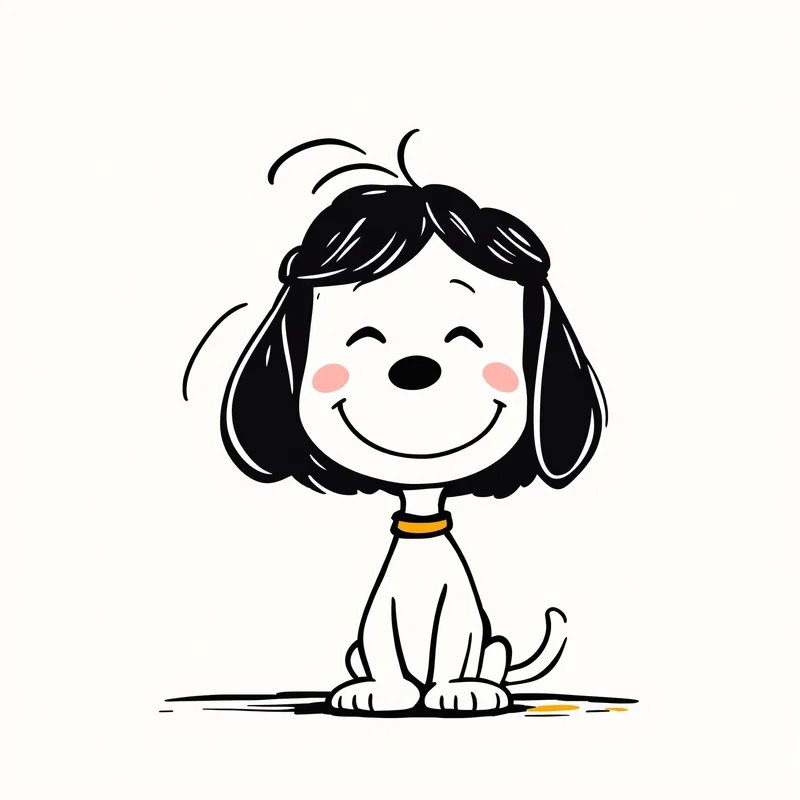
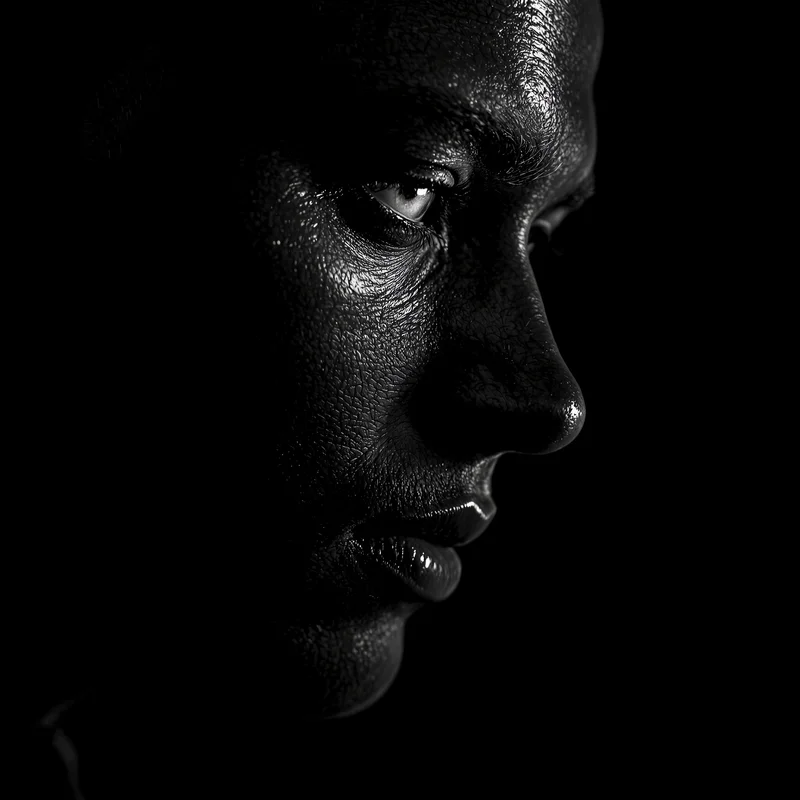
A softer character direction like this helps the profile feel warmer, more approachable, and emotionally easier to connect with.

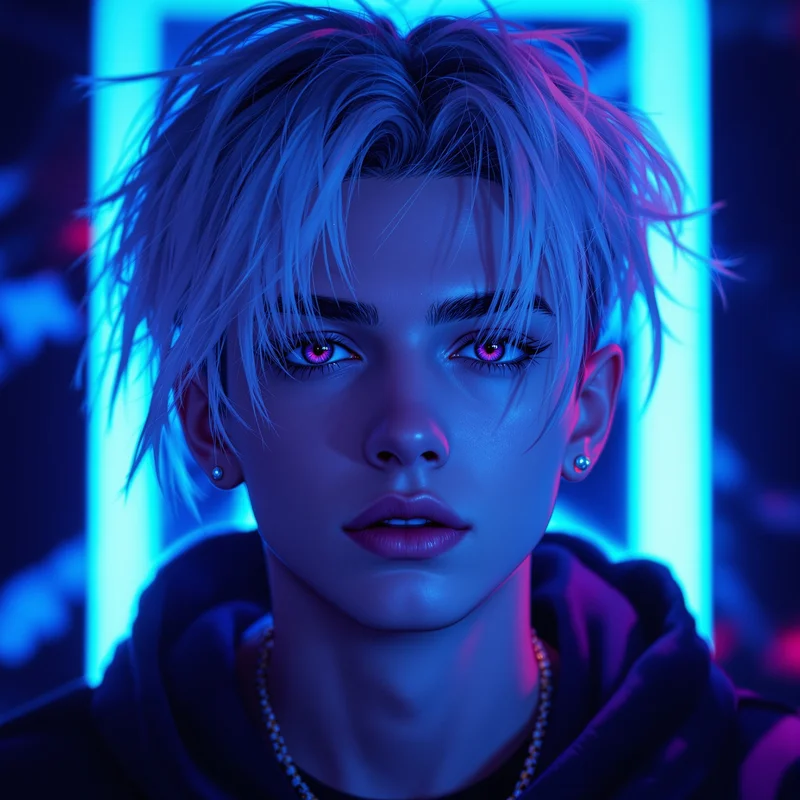
This kind of image pushes sharper anime energy, helping the profile feel more focused, more intense, and more memorable in repeated viewing.
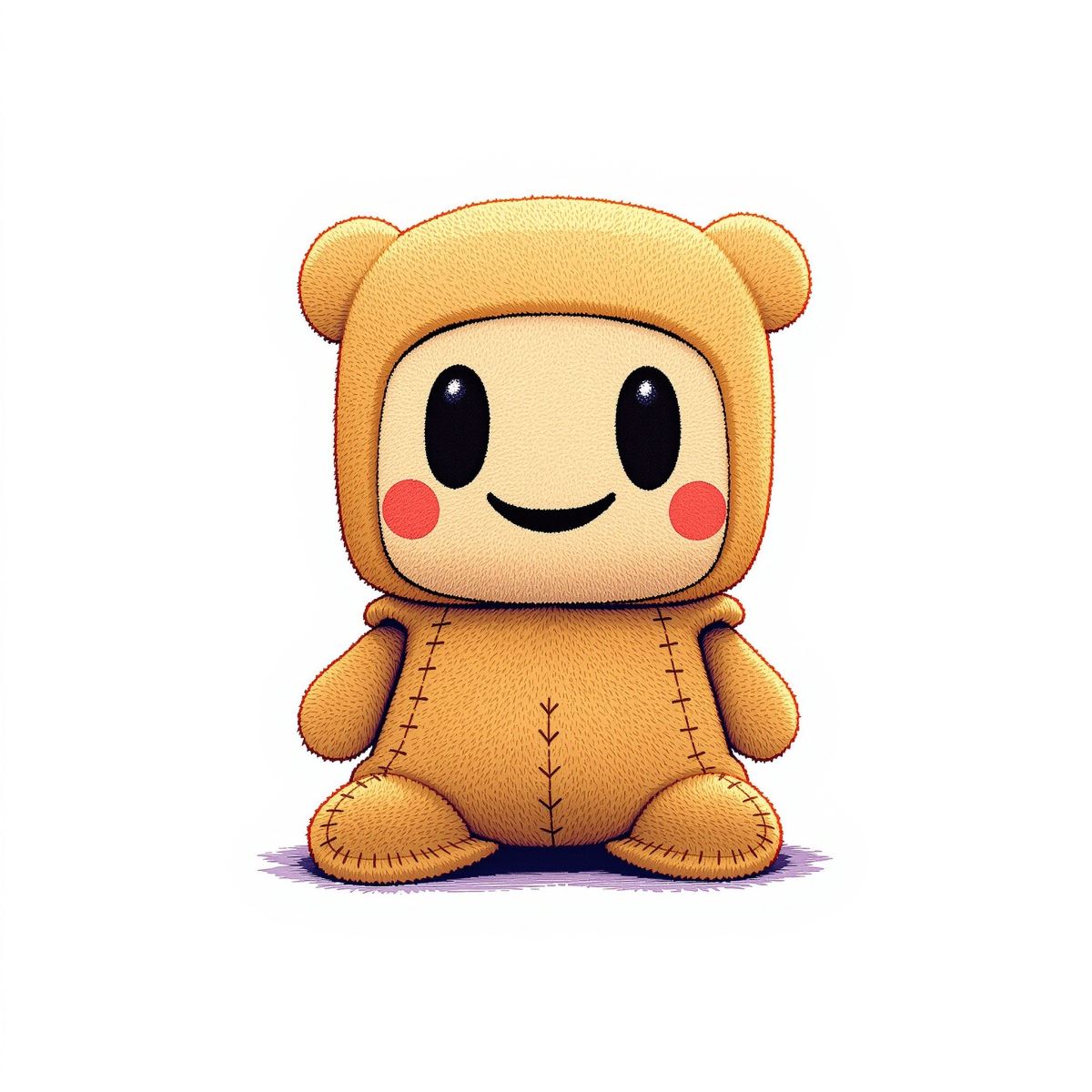
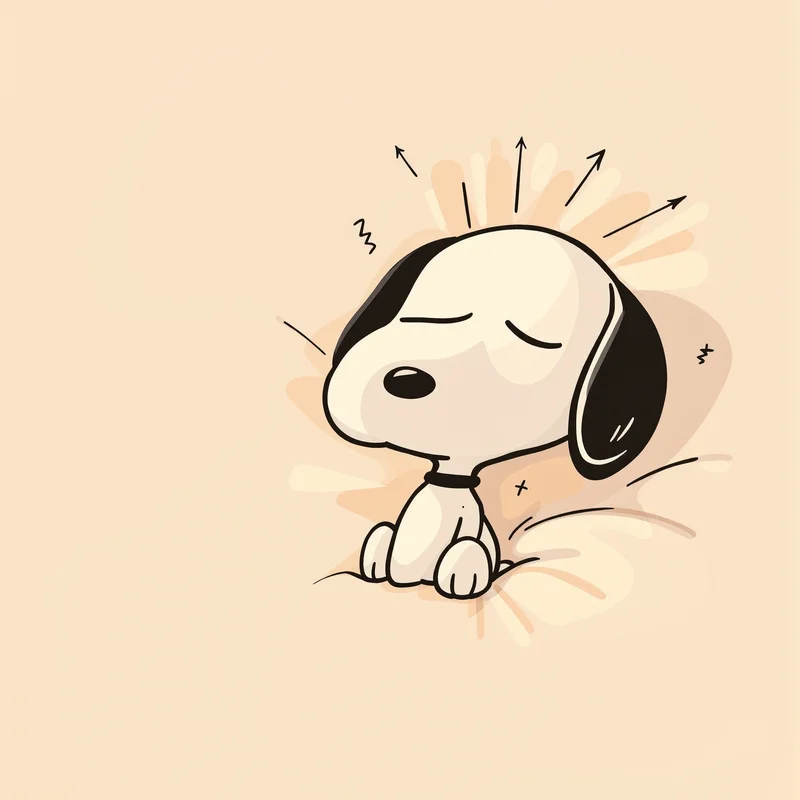
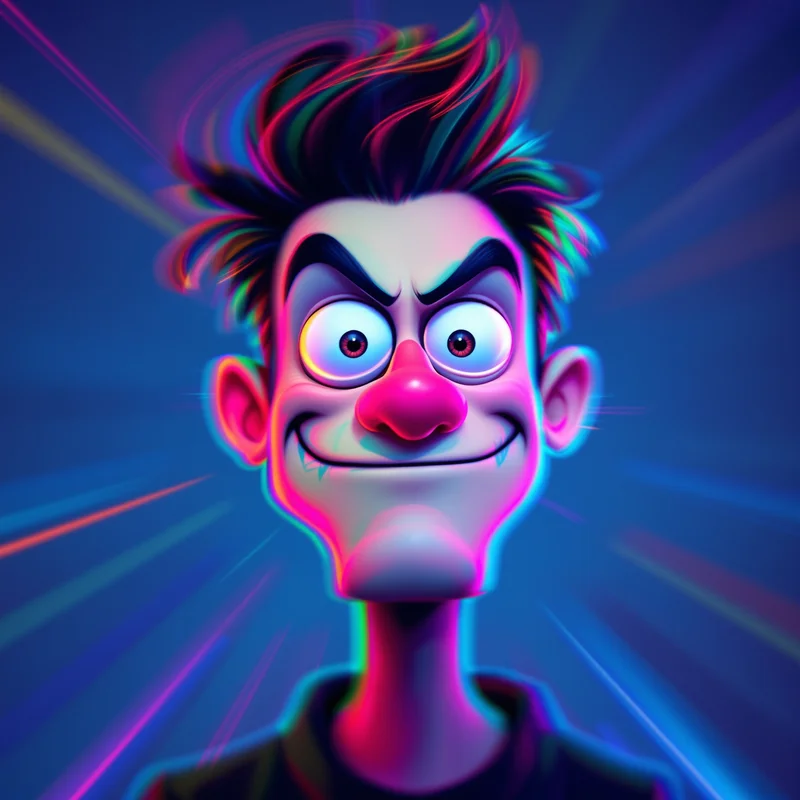
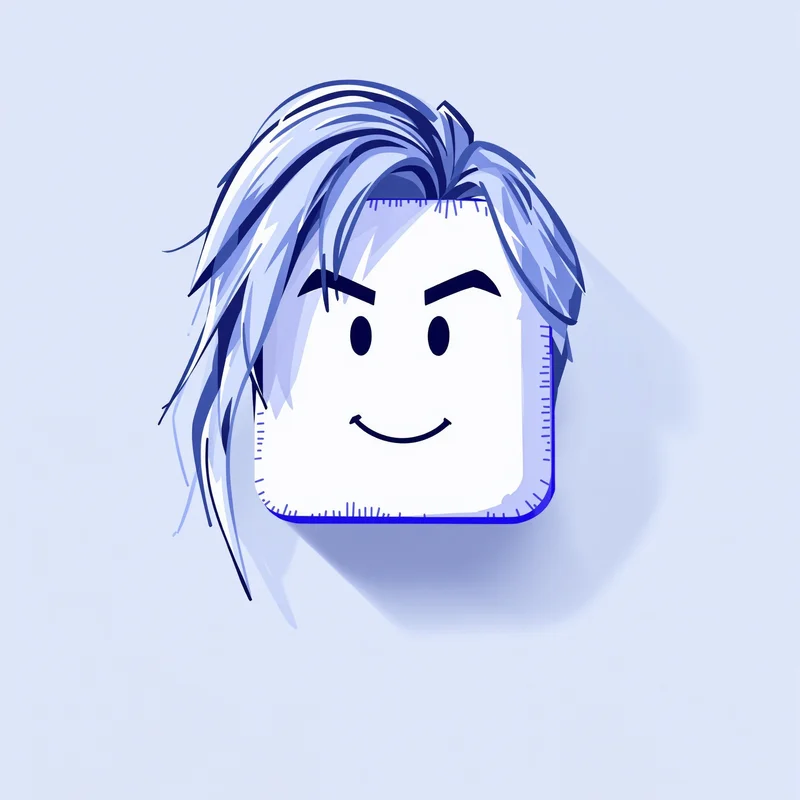
A playful gaming-style avatar like this adds more charm and texture, giving the account a friendlier and more creative profile presence.

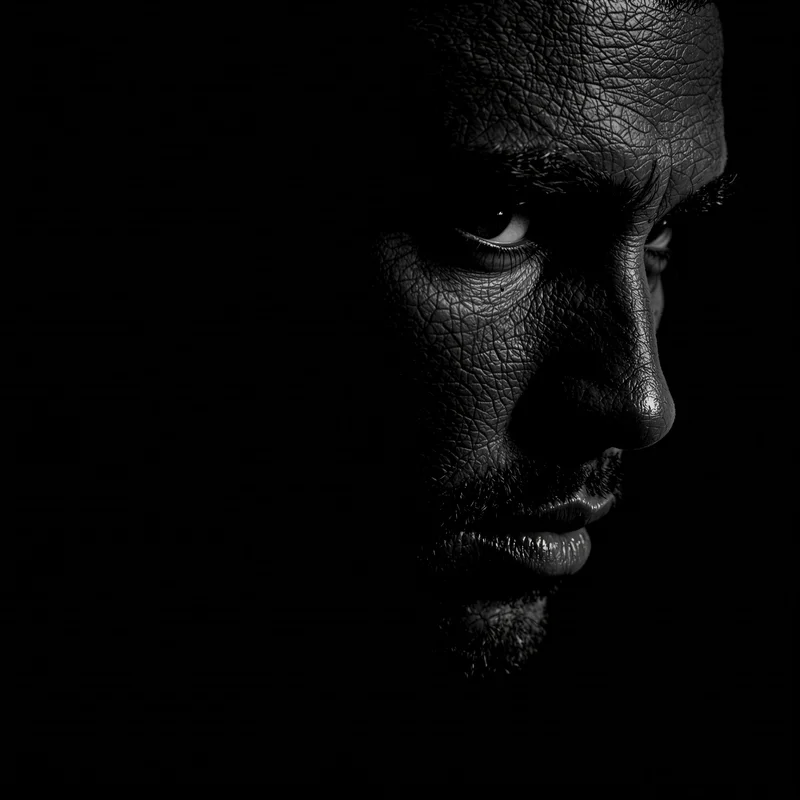
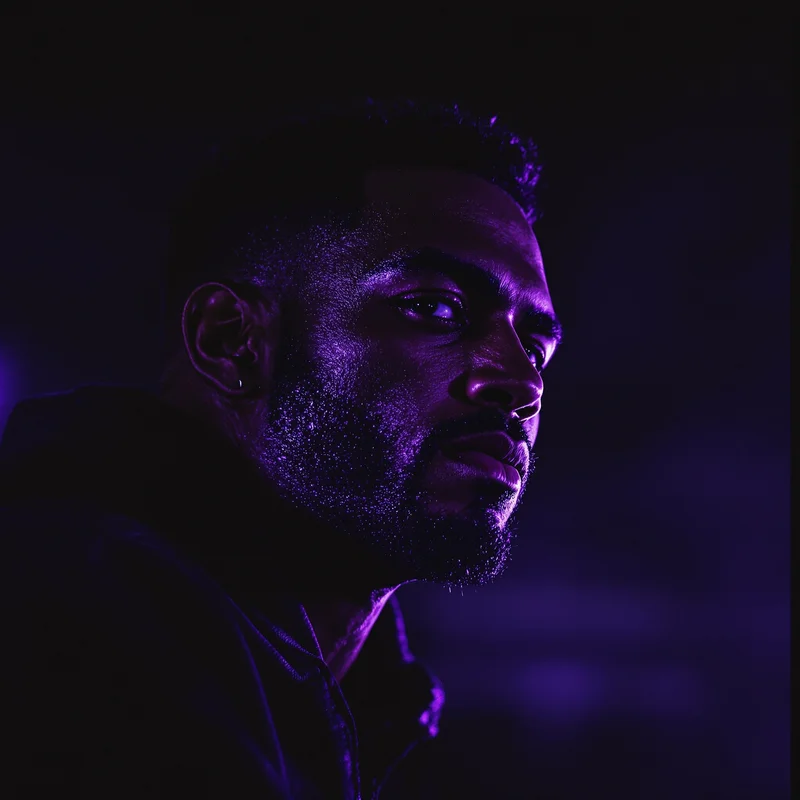
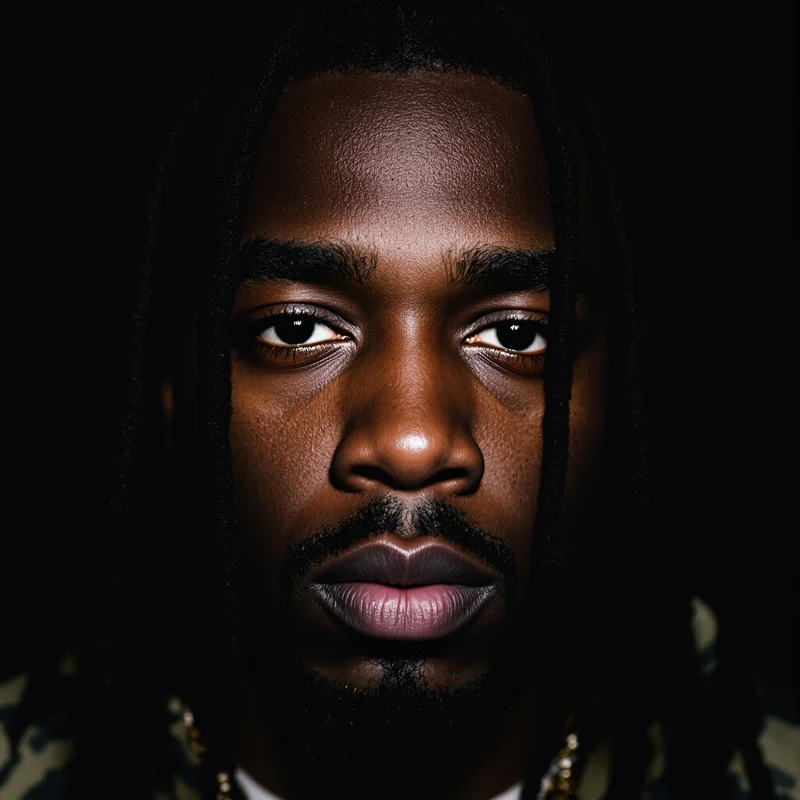
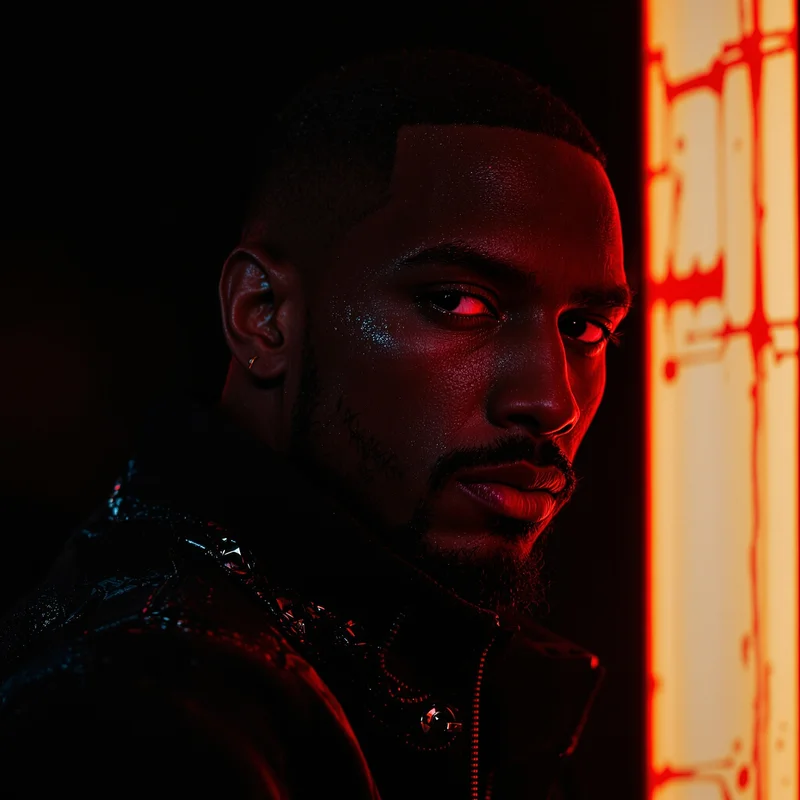
This profile direction brings darker cultural intensity, making the avatar feel more serious, more stylized, and more socially charged.
Core Identity Paths Inside Character PFP
The Character PFP hub is valuable because it connects multiple identity routes instead of collapsing everything into one page. Cool PFP helps users who want cleaner distance, quiet confidence, or a low-noise identity. Cute PFP serves users who want emotional warmth, softness, and more inviting profile energy. Killua PFP introduces anime speed, control, and electric intensity. Sackboy PFP adds playful imagination and crafted visual charm. Chief Keef PFP represents darker music-led identity and stronger cultural weight.
Each of these child hubs solves a different profile problem. Some users do not know which character they want, but they do know how they want the account to feel. Others already know the exact identity lane they want. The parent hub must support both behaviors. That is why Character PFP should function as a taxonomy page first and an image discovery page second.
How to Choose the Right Character PFP
Start with emotional direction. Do you want your profile to feel cool, cute, sharp, playful, intense, relaxed, or culturally loaded? That question matters more than choosing the biggest name or the most dramatic image. A good character avatar should match the energy of your profile rather than fight it.
Then think about recognition strength. Some character paths rely on broad archetypes like cool or cute. Others rely on specific recognition like Killua, Sackboy, or Chief Keef. Both can work, but the right path depends on whether you want a wider emotional category or a tighter symbolic identity.
Finally, think about memory. A strong Character PFP is not only attractive in isolation. It becomes something other people associate with your account after repeated exposure. That is why expression, composition, and emotional consistency matter so much at the parent-hub level as well as the child-hub level.
Featured Character PFP Hubs
FAQ
What is Character PFP?
Character PFP is a parent category for profile pictures built around recognizable personalities, archetypes, or named figures used to express identity across platforms.
Why are character-based avatars effective for profile pictures?
Character-based avatars work well because they create faster recognition, stronger emotional coding, and more memorable identity signals than generic images.
Should I choose a broad style like cool or cute, or a specific character?
Choose a broad style if you want more emotional flexibility. Choose a specific character if you want a tighter symbolic identity and stronger recognition signal.
What makes a strong Character PFP?
A strong Character PFP uses readable composition, clear emotional direction, and enough distinction that people can remember the profile after repeated viewing.