Celebrity









































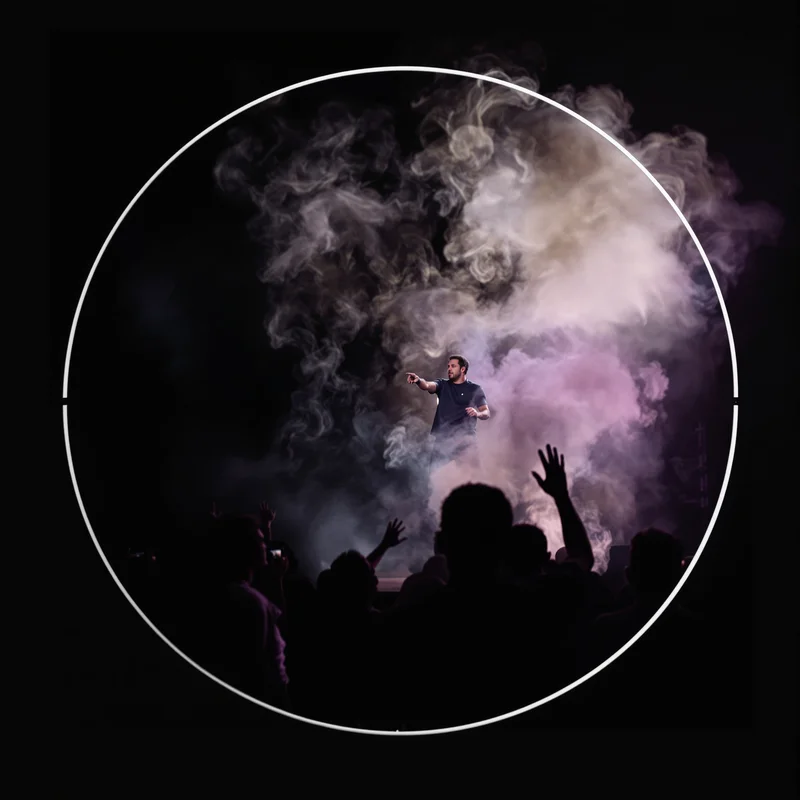
Celebrity PFP – Profile Identity Through Fame, Mood, and Recognition
Celebrity PFP is one of the strongest parent hubs in the entire avatar system because celebrity-based profile pictures combine instant recognition with highly specific emotional coding. Unlike generic aesthetic images or anonymous character avatars, celebrity profile pictures carry built-in identity layers. The moment someone sees the image, they often understand not only who the person is, but also the mood, style, or cultural signal attached to them. That makes celebrity avatars incredibly effective in profile spaces where recognition and symbolic identity matter.
This is what gives Celebrity PFP its power as a parent hub. It is not only about famous faces. It is about using recognizable public figures to shape profile identity. Some users want a profile that feels emotionally deep and vulnerable. Others want grace, charisma, mystery, softness, confidence, or moody intensity. A celebrity avatar can signal those things quickly because the person already carries a strong cultural imprint. The PFP becomes more than an image. It becomes a borrowed identity atmosphere.
That is why this hub needs to function as a real taxonomy page. Celebrity PFP is not one flat category. Each child hub represents a different emotional and stylistic route. Juice WRLD PFP supports emotional depth and fragile intensity. Taylor Swift PFP supports grace, elegance, and polished emotional expression. Drake PFP supports charisma, self-control, and socially recognizable confidence. SZA PFP supports softness, dreaminess, and emotionally rich visual presence. Billie Eilish PFP supports darker mood, modern coolness, and understated tension. Together, these pages form a broader map of celebrity-driven identity.
Why Celebrity Avatars Work So Well for Profile Pictures
Celebrity avatars work because recognition happens fast. People do not need much time to process the image. A famous face already arrives with context. That makes the PFP stronger in social environments where attention is limited and the profile image needs to communicate quickly. A celebrity avatar can project tone, cultural taste, emotional energy, and aesthetic alignment almost instantly.
There is also a major mood advantage. A celebrity PFP does not only tell people which public figure you connect with. It also tells them what kind of profile feeling you want to create. A moody Billie Eilish image gives a different signal than a polished Taylor Swift image. A Juice WRLD avatar communicates something different from a Drake avatar. This makes the category much more than fandom. It becomes identity selection through cultural association.
Another reason the category works so well is memorability. Strong celebrity PFPs stay in memory because the face is already tied to familiarity. When that recognition is paired with a sharp emotional fit for the account, the image becomes even more effective. The profile starts to feel more defined because the avatar already comes with emotional texture and symbolic weight.
Celebrity PFP as a Parent Identity Hub
The Celebrity PFP hub should function as a discovery system, not just a celebrity gallery. Its role is to help users move from broad celebrity-avatar intent into the specific type of public-figure identity they want attached to their account. Some users arrive already knowing the exact artist they want. Others only know they want something graceful, moody, charismatic, expressive, or emotionally deep. The parent hub exists to organize those routes clearly.
That is why the child pages matter so much. Juice WRLD PFP serves users who want emotional fragility, introspection, and more vulnerable identity signals. Taylor Swift PFP supports refined presence, grace, elegance, and carefully controlled emotional tone. Drake PFP supports charisma, cultural confidence, and more socially dominant visibility. SZA PFP supports softer dream-like presence with expressive beauty. Billie Eilish PFP supports darker cool-toned identity, restraint, and contemporary mood. These are distinct profile directions, not interchangeable celebrity faces.
By bringing them together inside one parent entity, the Celebrity PFP hub helps both users and search systems understand that celebrity avatars are part of a broader identity field. The parent page should make it clear that the user is exploring not just people, but profile moods and symbolic social signals.
Representative Celebrity PFP Gallery

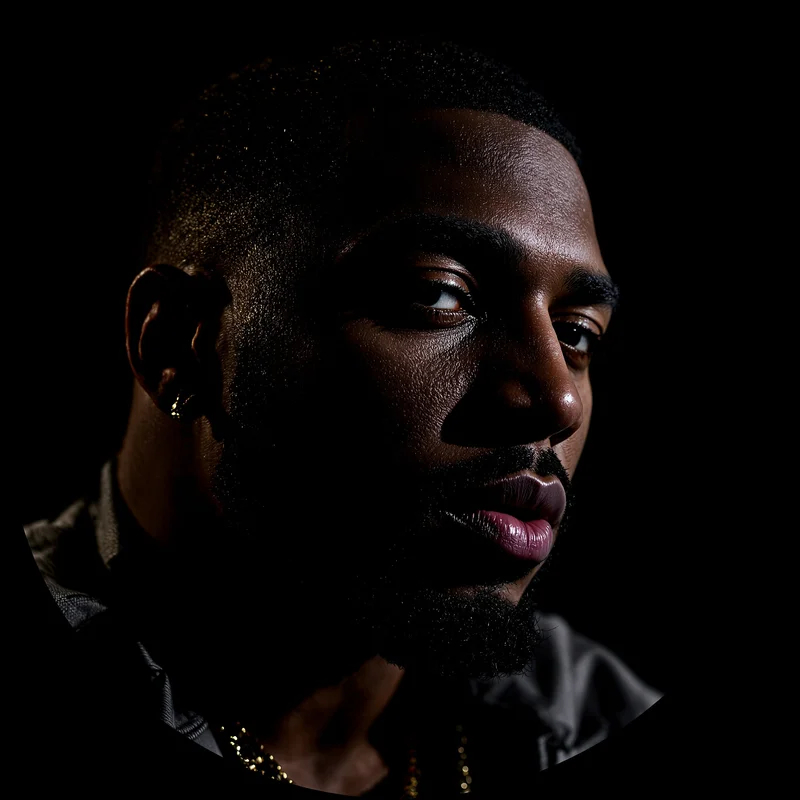
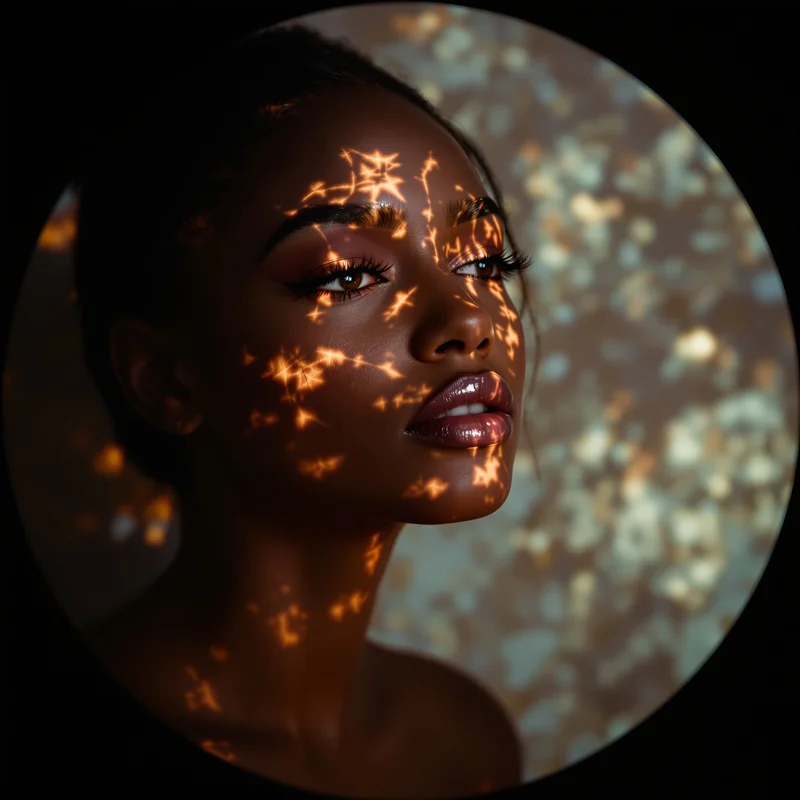
This kind of celebrity avatar gives the profile more emotional intensity, helping the identity feel more vulnerable, reflective, and memorable.
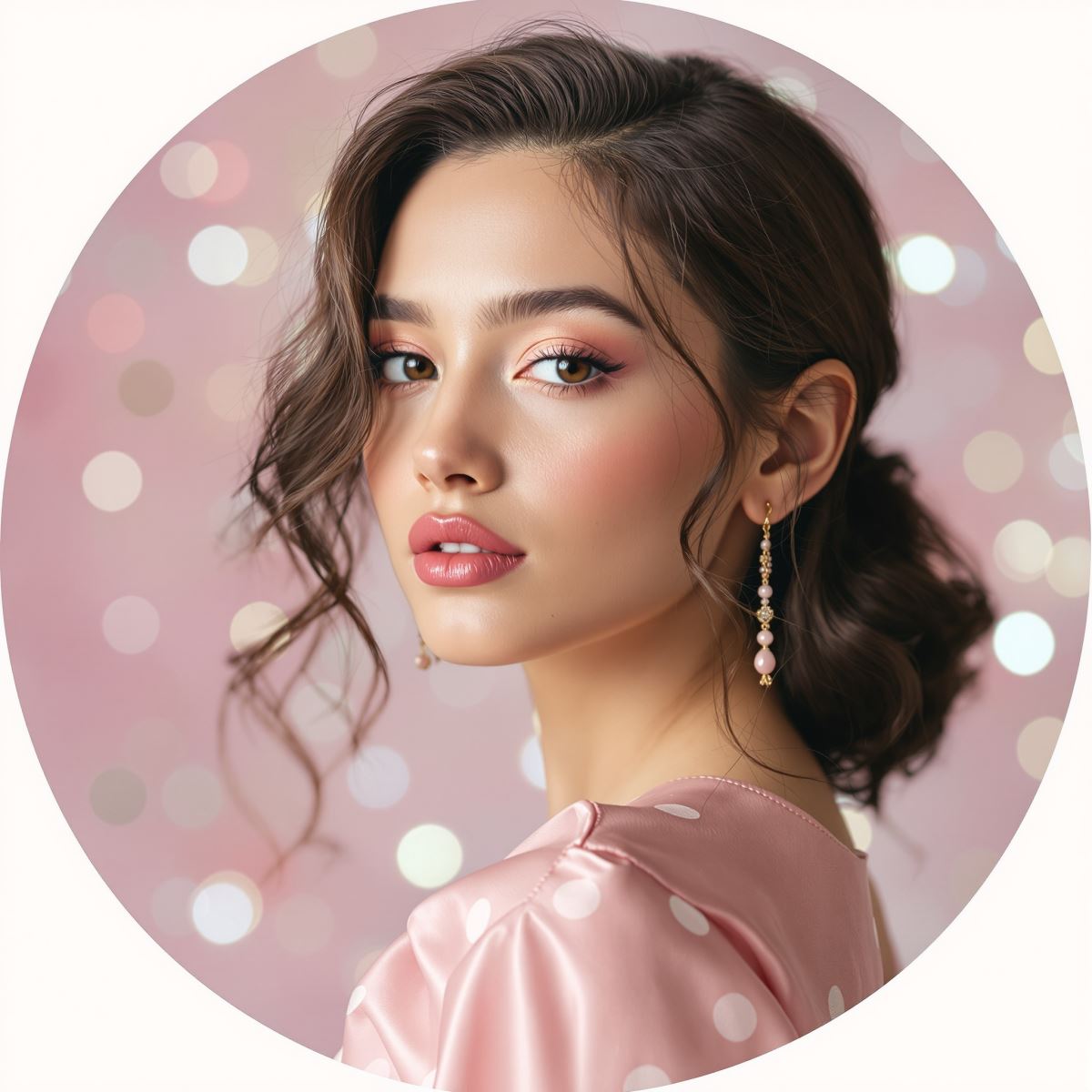
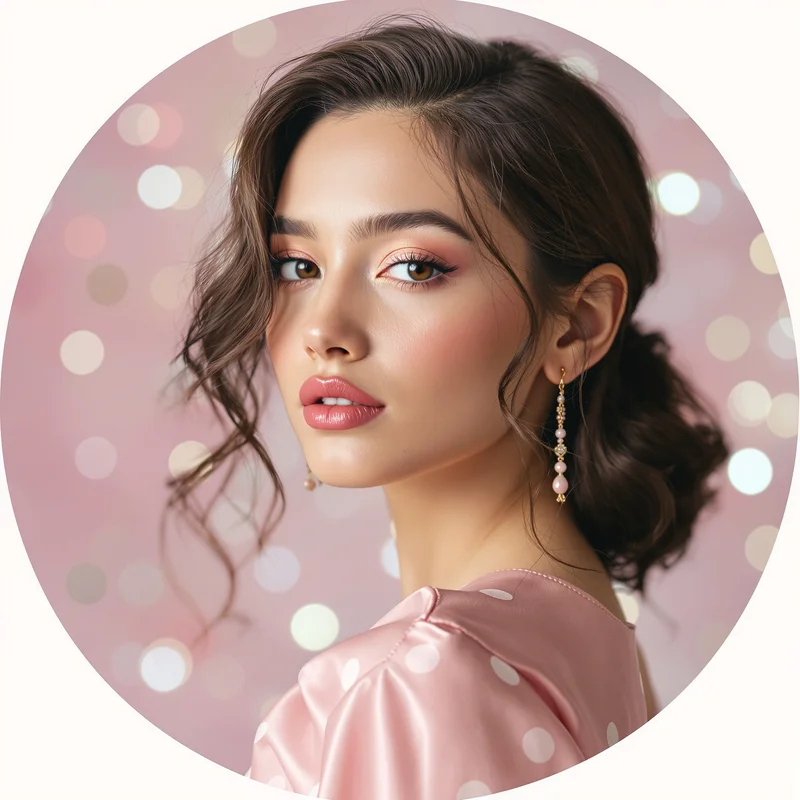
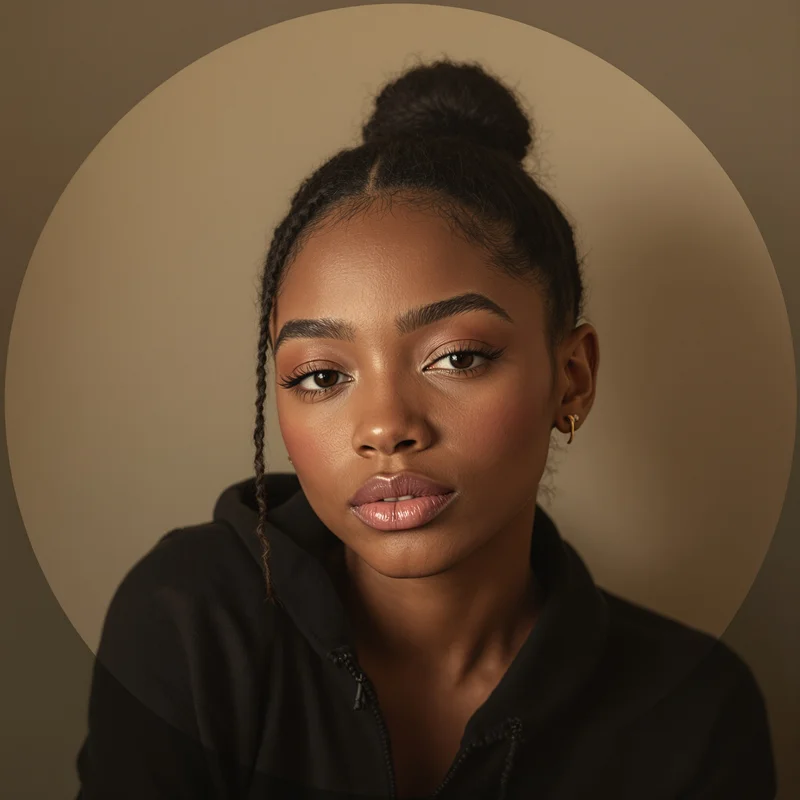
A profile image like this creates a more refined and elegant signal, making the account feel more graceful and emotionally composed.

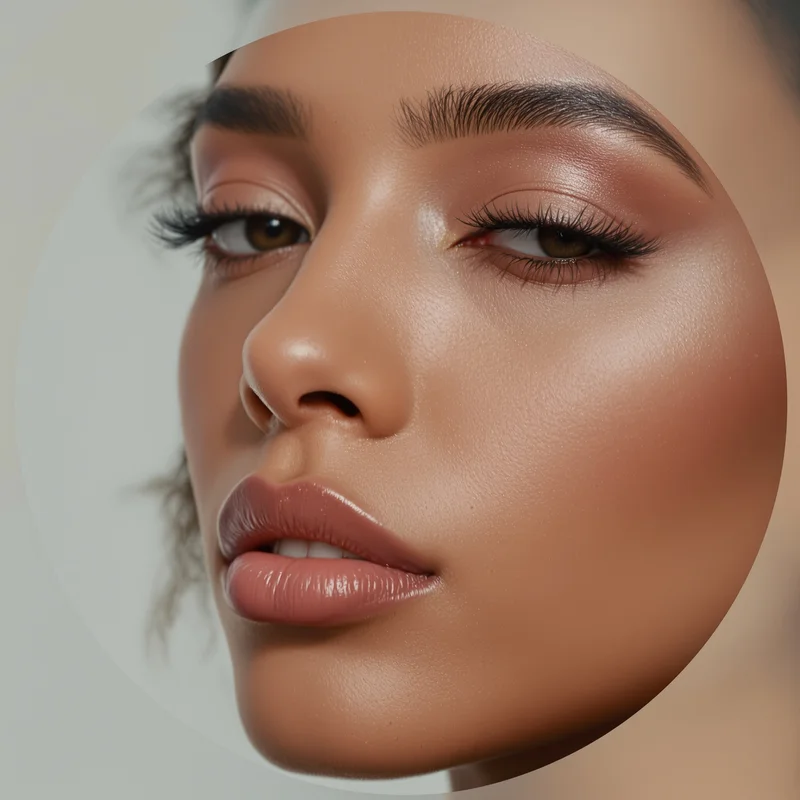
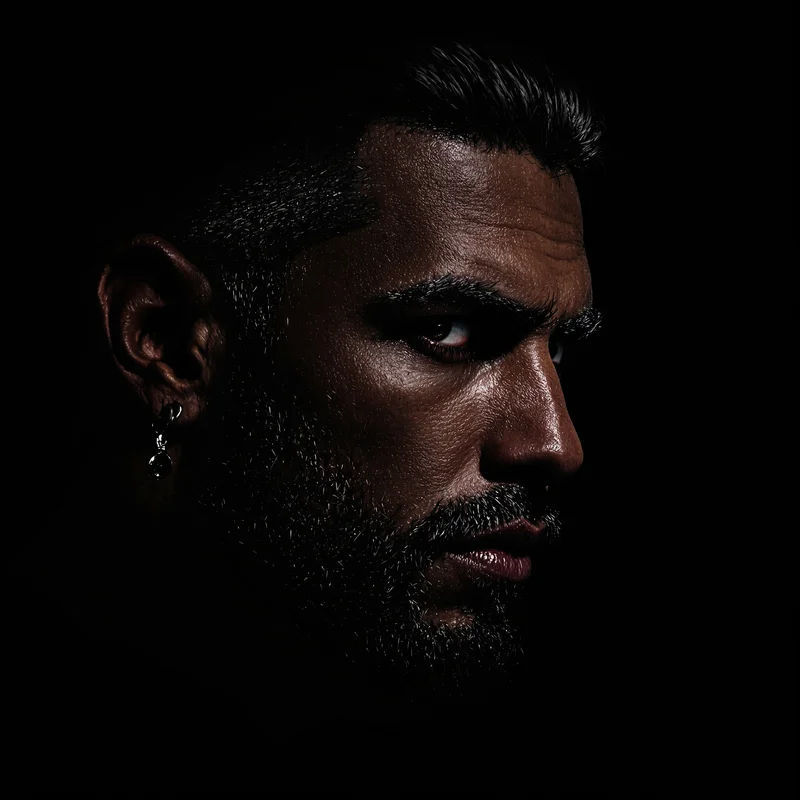
This kind of avatar gives the profile stronger social confidence, helping the account feel more controlled, more recognizable, and more self-assured.

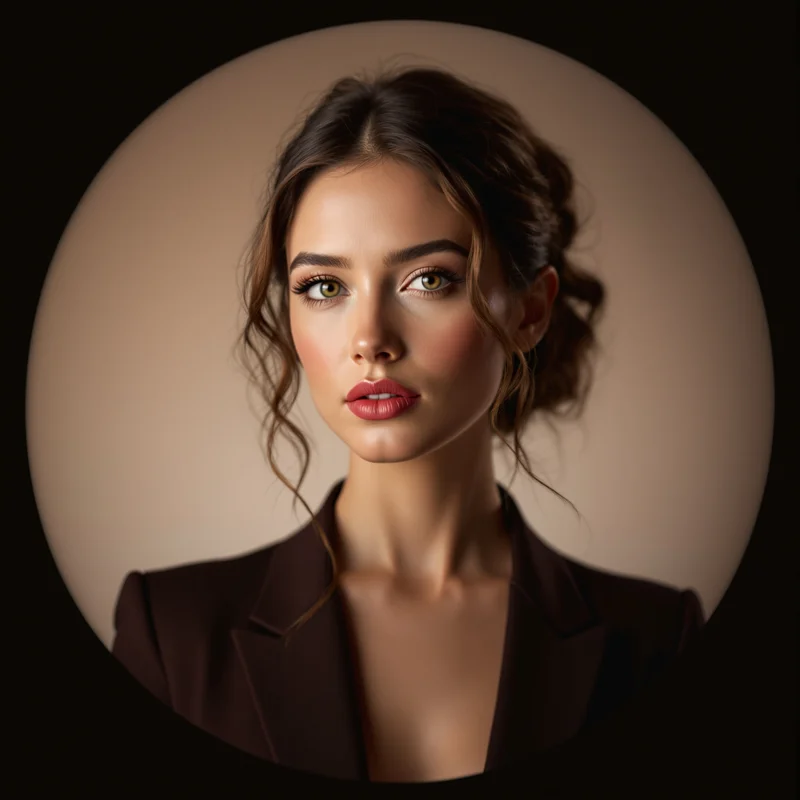
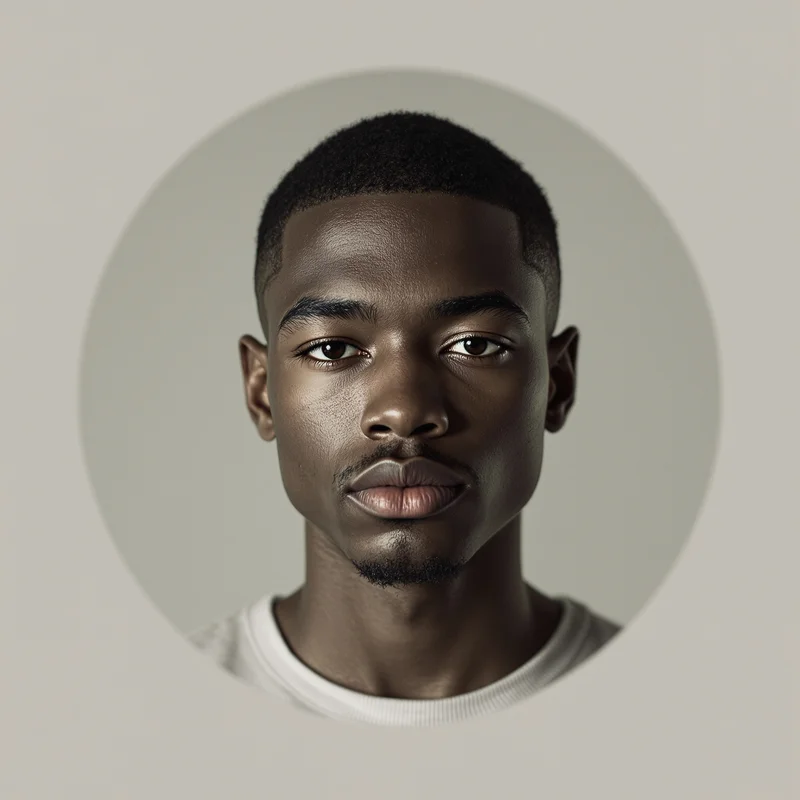
A softer image like this adds dreamier emotional texture, helping the profile feel more intimate, more artistic, and more visually expressive.

This kind of celebrity avatar pushes darker modern mood, giving the profile more tension, more restraint, and stronger contemporary identity.
Core Celebrity Identity Paths Inside This Hub
Each child hub inside Celebrity PFP supports a different identity path. Juice WRLD PFP leans emotional, fragile, and inward. Taylor Swift PFP leans polished, graceful, and controlled. Drake PFP leans charismatic, culturally aware, and confidence-driven. SZA PFP leans dreamy, expressive, and visually soft. Billie Eilish PFP leans moody, restrained, and darkly modern.
These are not just different celebrity names. They are different profile behaviors. Some users want softer emotional openness. Others want poise, recognition, coolness, or social dominance. The parent hub is valuable because it makes those differences visible instead of reducing everything to “celebrity images.”
How to Choose the Right Celebrity PFP
Start with emotional direction. Do you want your profile to feel vulnerable, graceful, charismatic, dreamy, or moody? That matters more than choosing the most popular celebrity. A strong celebrity avatar should match the emotional tone of your account, not just your general fan preference.
Then think about recognition versus mood. Some users mainly want a highly recognizable figure. Others want a specific atmosphere, like tenderness, polish, or darkness. The best choice usually balances both: a face people recognize and a feeling that fits your profile identity.
Finally, think about memory. A strong Celebrity PFP is not only visually appealing. It becomes something other people attach to your account after seeing it a few times. That is why composition, emotional consistency, and symbolic fit matter so much inside this hub.
Featured Celebrity PFP Hubs
FAQ
What is Celebrity PFP?
Celebrity PFP is a parent category for profile pictures and avatars built around recognizable public figures used to express identity, mood, taste, and stronger visual recognition.
Why are celebrity avatars effective for profile pictures?
Celebrity avatars are effective because they combine instant recognition with built-in emotional and cultural associations, which helps the profile communicate faster and more clearly.
Should I choose a celebrity based on recognition or emotional fit?
Recognition matters, but emotional fit matters more. The strongest celebrity avatar is one that matches the mood and identity you want your profile to project.
What makes a strong Celebrity PFP?
A strong Celebrity PFP uses clear composition, strong emotional direction, and enough symbolic weight that people remember the account after repeated viewing.