Aesthetic - Y2k pfp
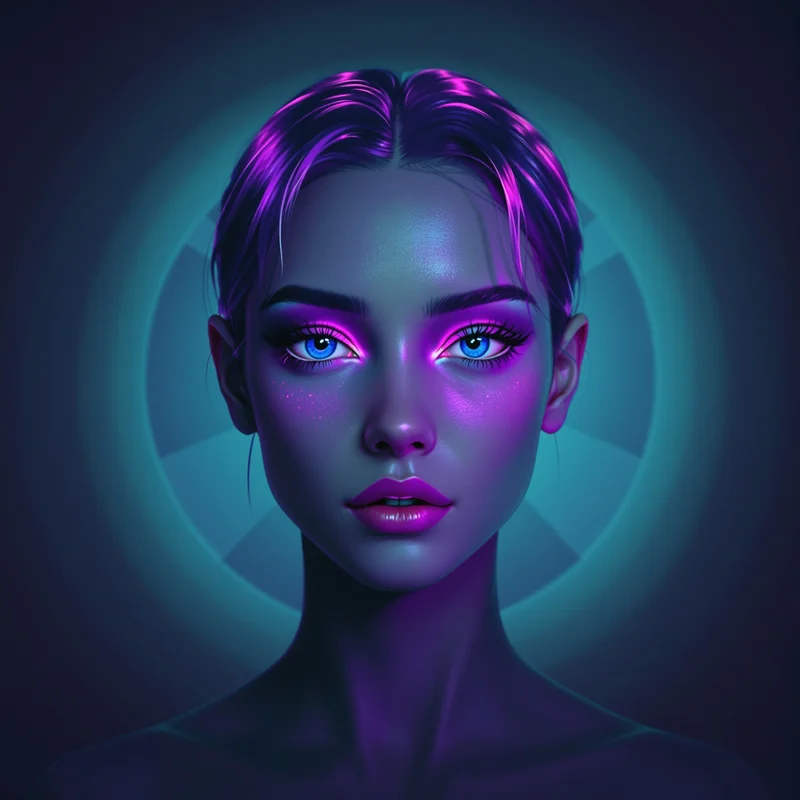
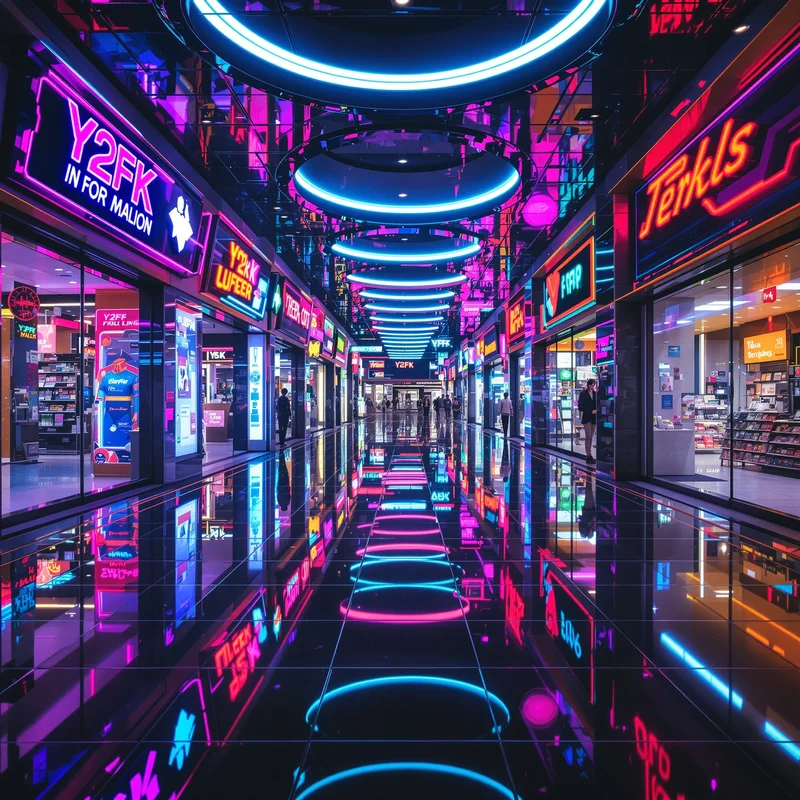
Y2K PFP as a Hyper-Digital Identity Signal
A Y2K PFP captures a very specific kind of digital feeling. It is futuristic, but not in a minimal modern way. It is glossy, playful, metallic, and slightly unreal. This aesthetic comes from the era when the internet still felt experimental, technology looked exciting instead of invisible, and digital identity carried a sense of fantasy. A Y2K avatar does not try to look natural. It wants to look synthetic, radiant, and a little ahead of reality.
That is why Y2K PFP works so well as an identity system. It gives the user a visual language built from chrome surfaces, neon gradients, cyber textures, transparent overlays, tech-inspired shine, and dreamlike color intensity. The result is not just nostalgic. It is aspirational. It feels like identity rendered through early visions of the future.
People choose a Y2K PFP because it creates instant atmosphere. It suggests confidence, trend awareness, and a comfort with digital self-styling. At the same time, it avoids the heaviness of darker aesthetics. Even when it uses glitch or metallic elements, the tone often stays fluid, glamorous, and expressive. That balance makes it highly flexible across platforms. A Y2K profile picture can feel stylish, playful, iconic, and futuristic all at once.
Visual Logic of Y2K PFP
The visual logic behind Y2K PFP is built on excess, polish, and motion. This is an aesthetic that likes shine. It likes reflective surfaces, liquid color, glowing edges, holographic transitions, digital blur, and layered synthetic detail. Instead of earthy textures or understated composition, Y2K works through visual excitement. It wants the avatar to feel charged.
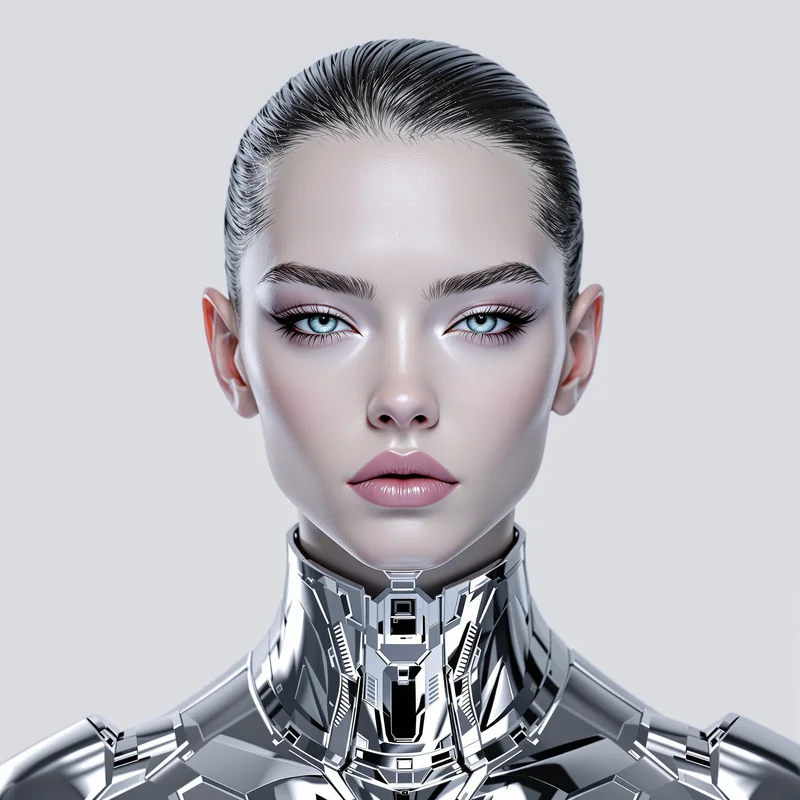
Chrome is one of the strongest signals in this style. Metallic surfaces imply speed, technology, and artificial perfection. Neon light adds youth and movement. Glitch elements introduce unstable digital character, while laser-like lines or virtual overlays reinforce the feeling of entering an alternate tech-driven identity space. These components create a PFP that looks less like a portrait and more like a signal from a stylized digital future.
What makes the aesthetic effective is its ability to combine nostalgia and forward energy. It references an older internet imagination, but it still feels fresh because those visuals remain distinct. In a feed full of flat design and generic profile images, a Y2K avatar can stand out immediately through luminosity, color behavior, and symbolic attitude.
Y2K PFP Gallery
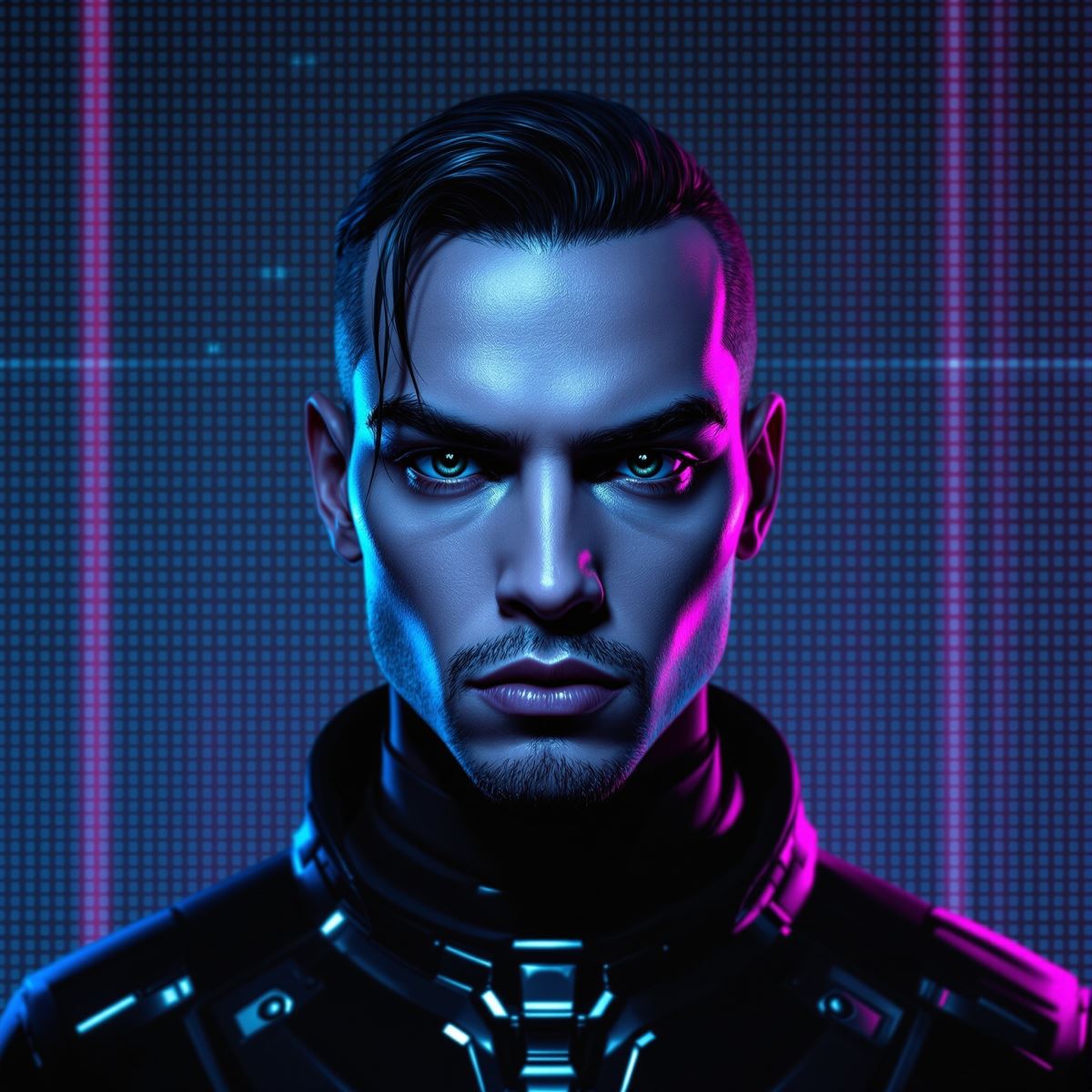
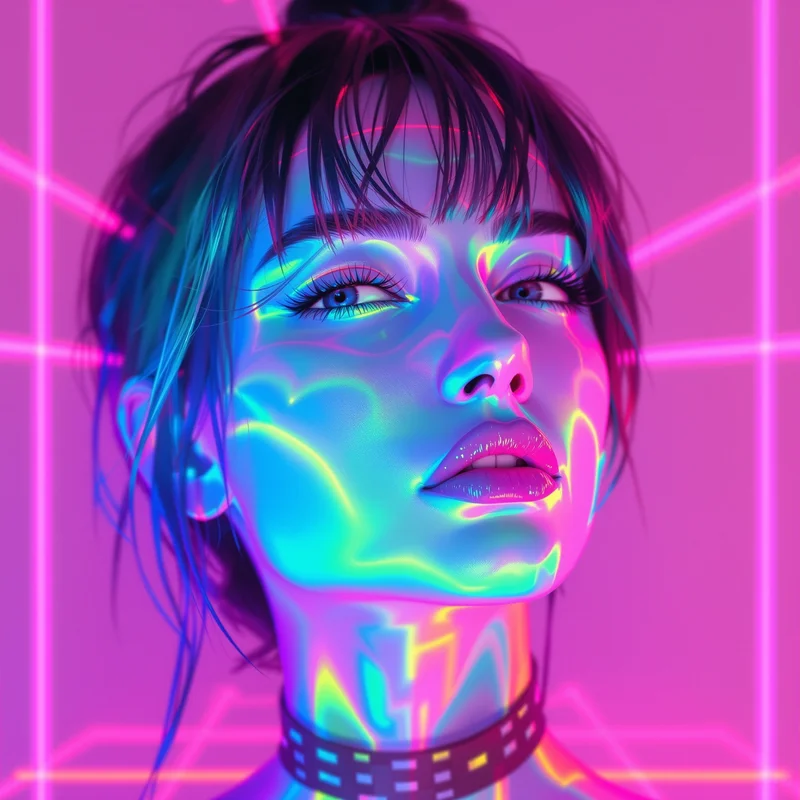
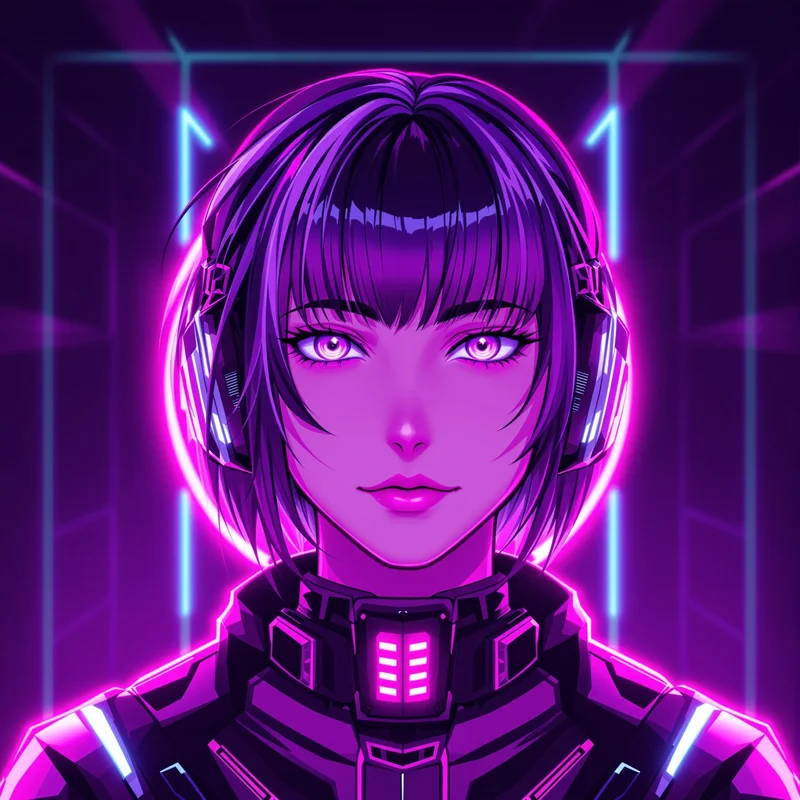
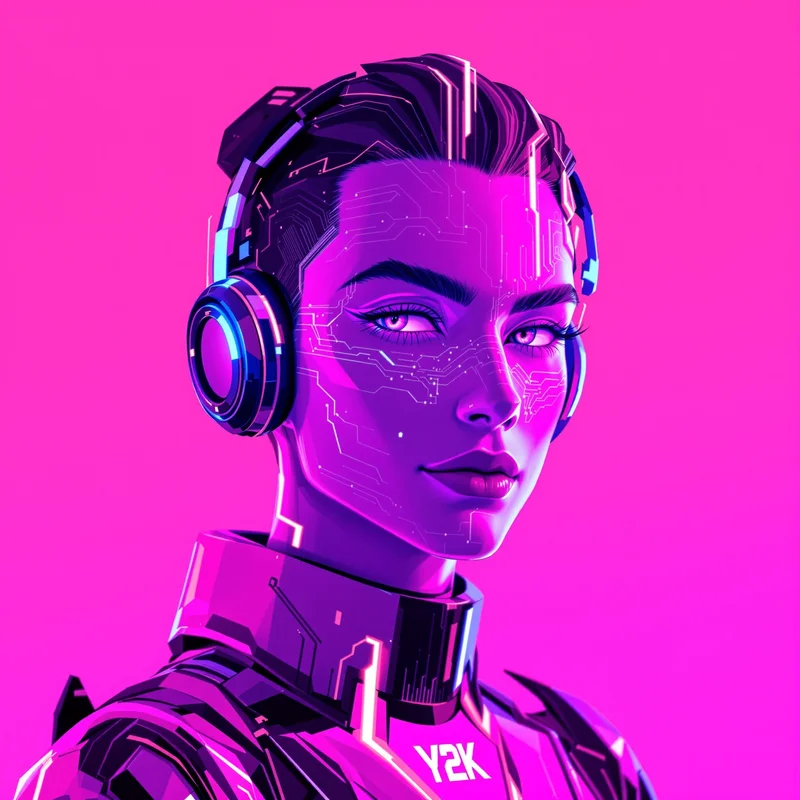
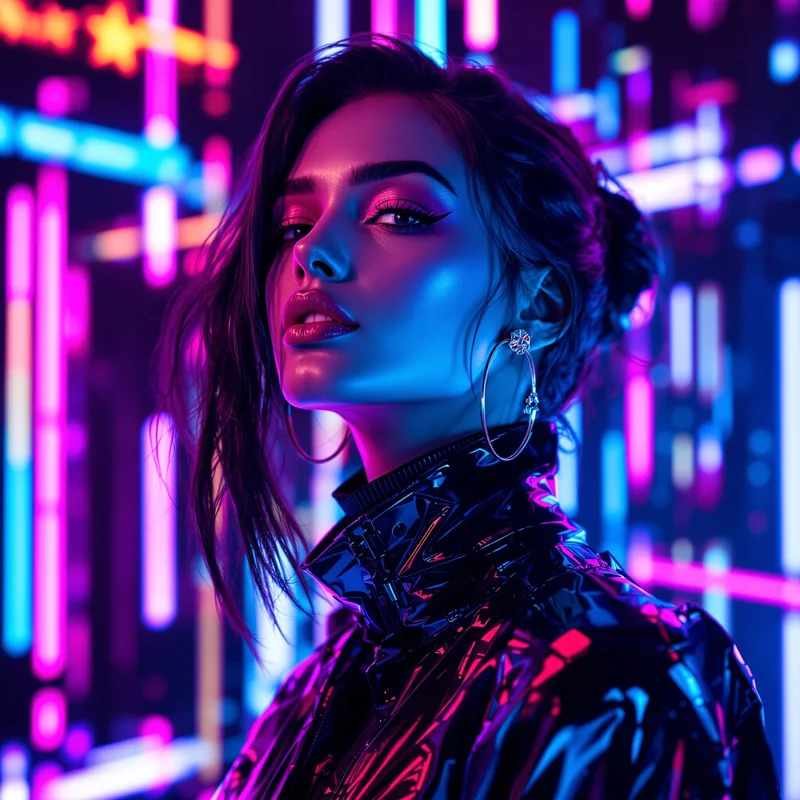
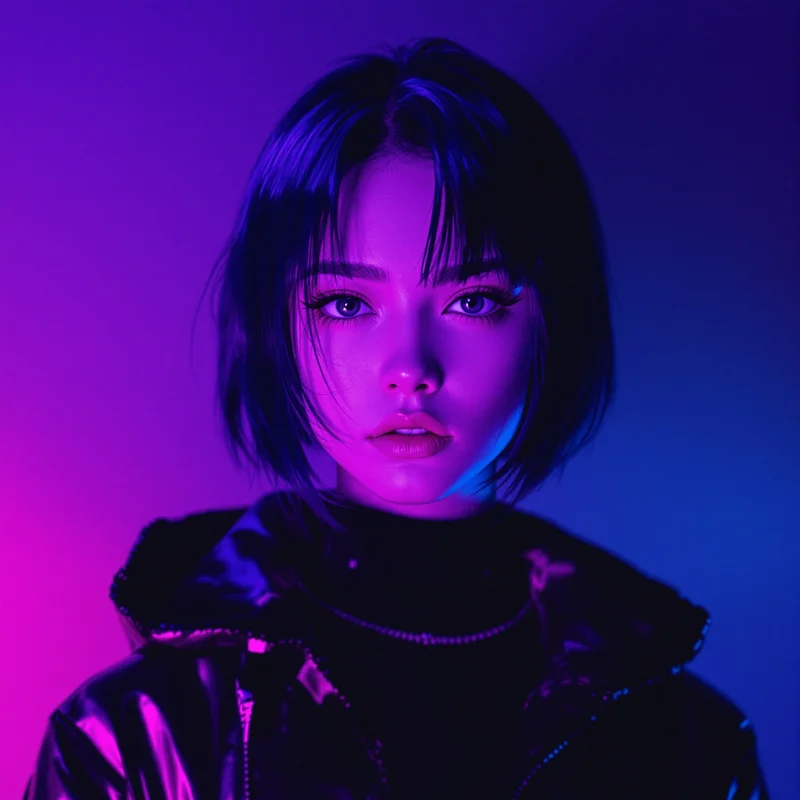
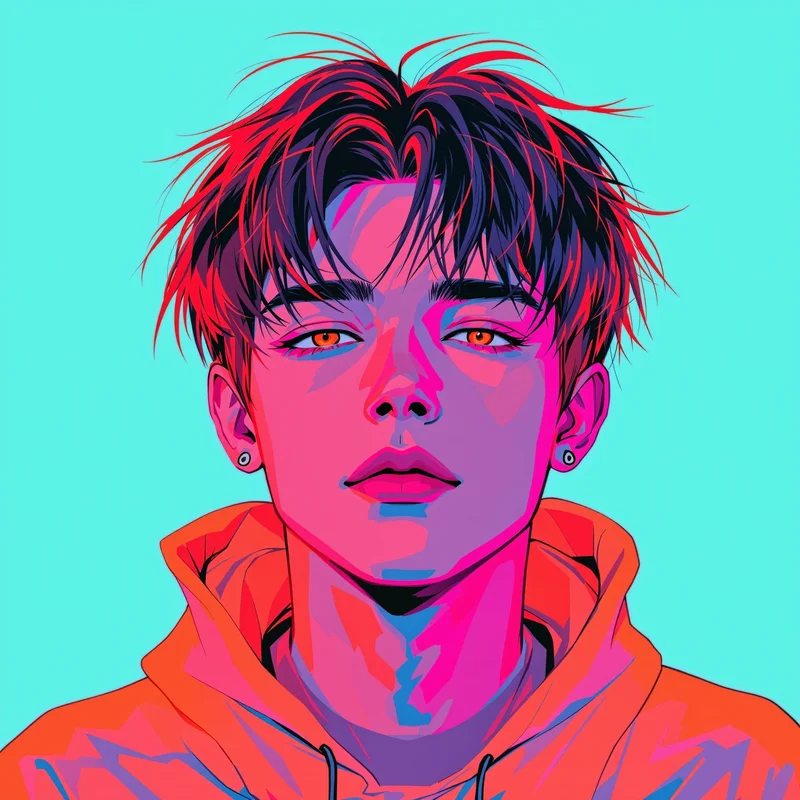
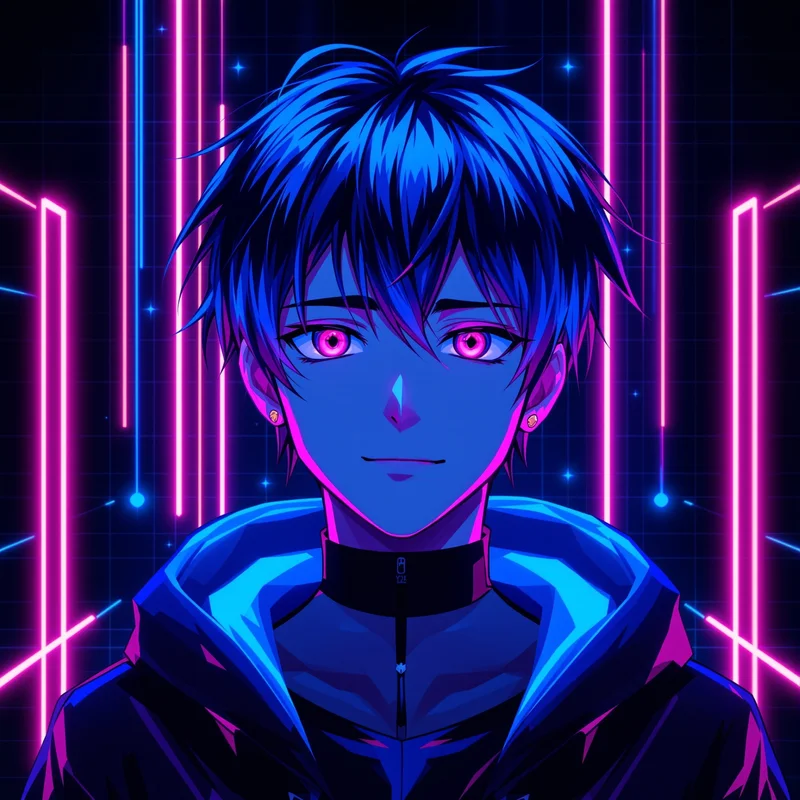
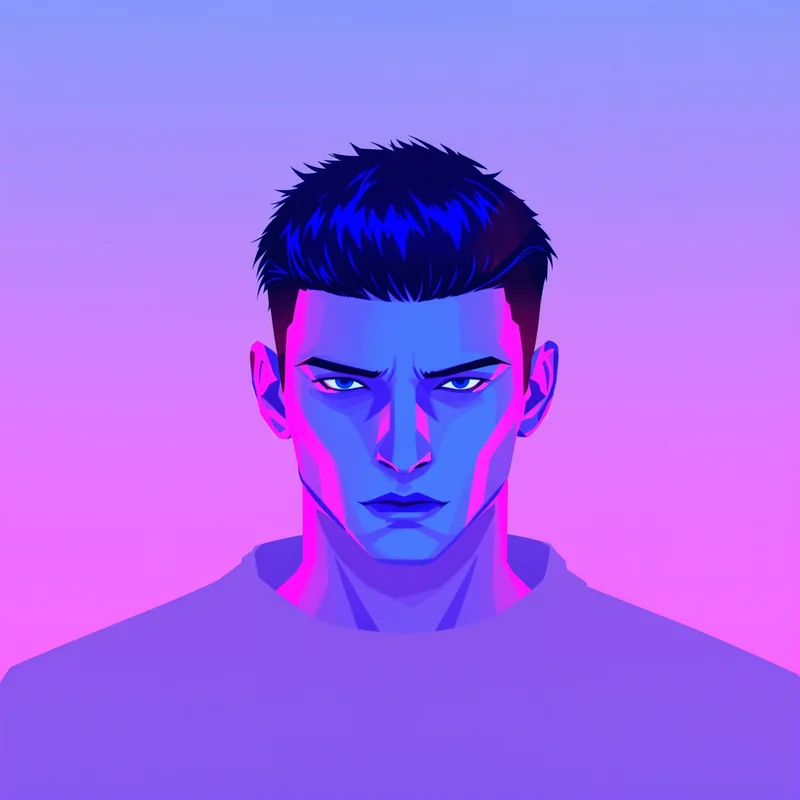
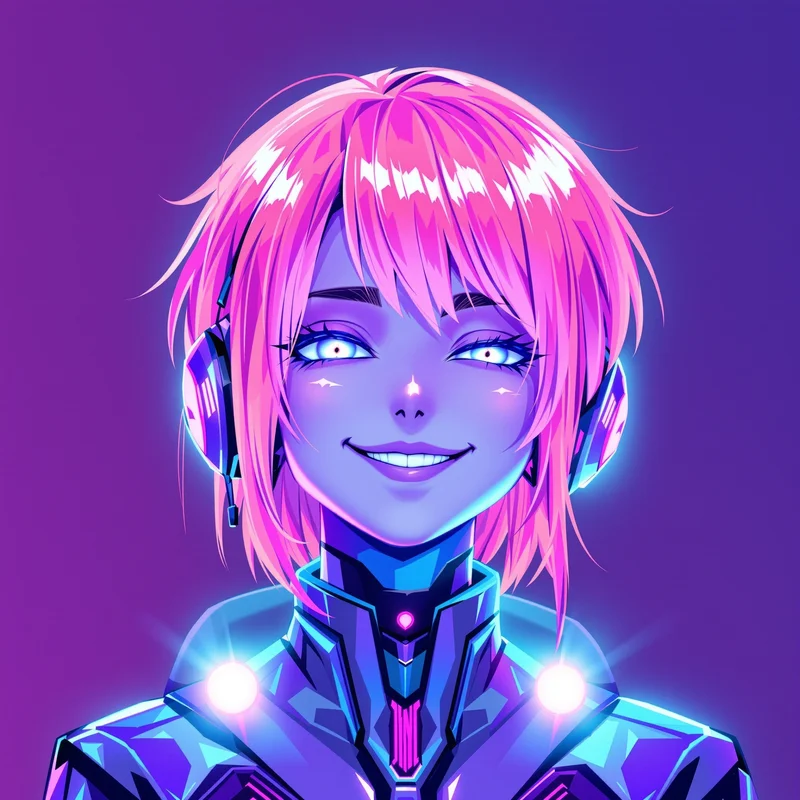
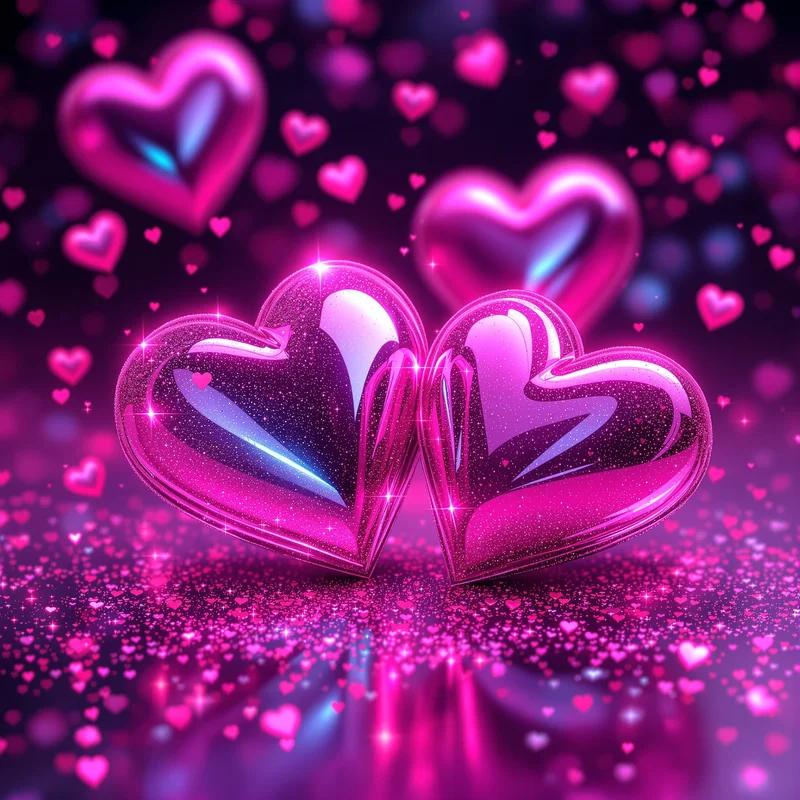
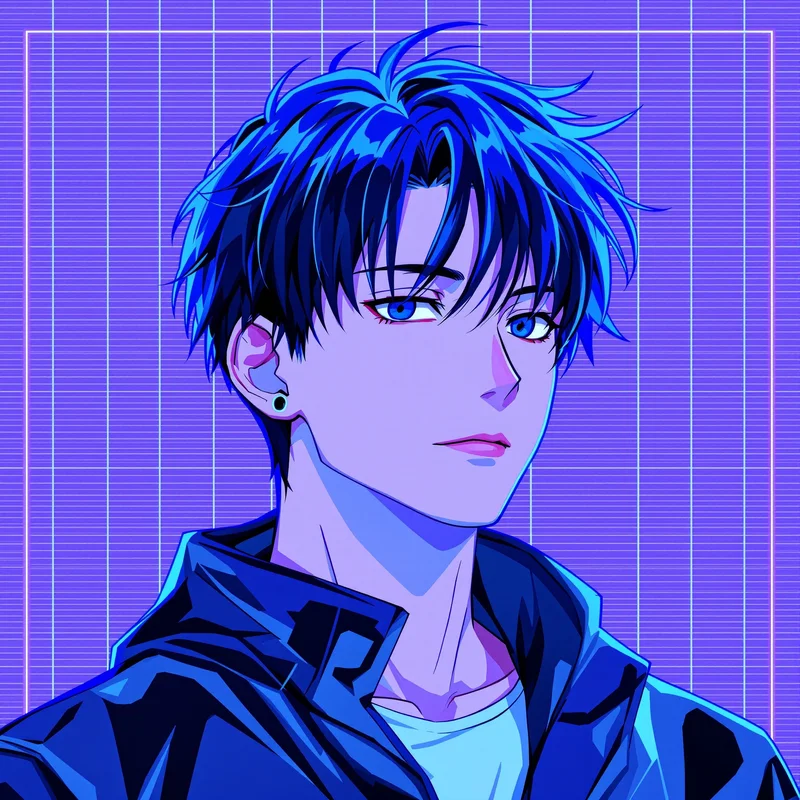
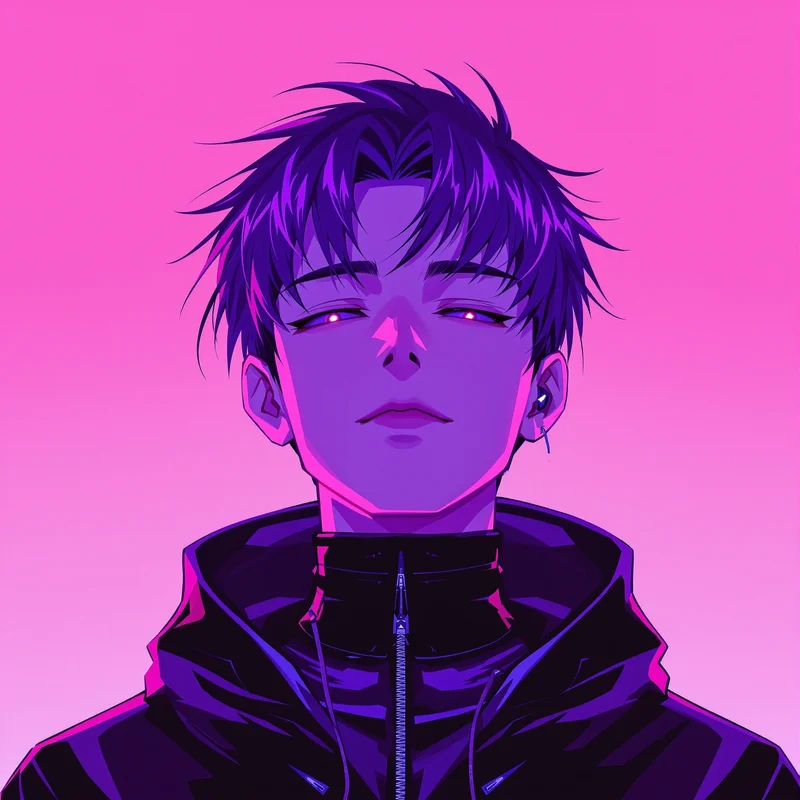
A bright digital presence that turns glow into personality, giving the avatar a polished but expressive sense of motion.
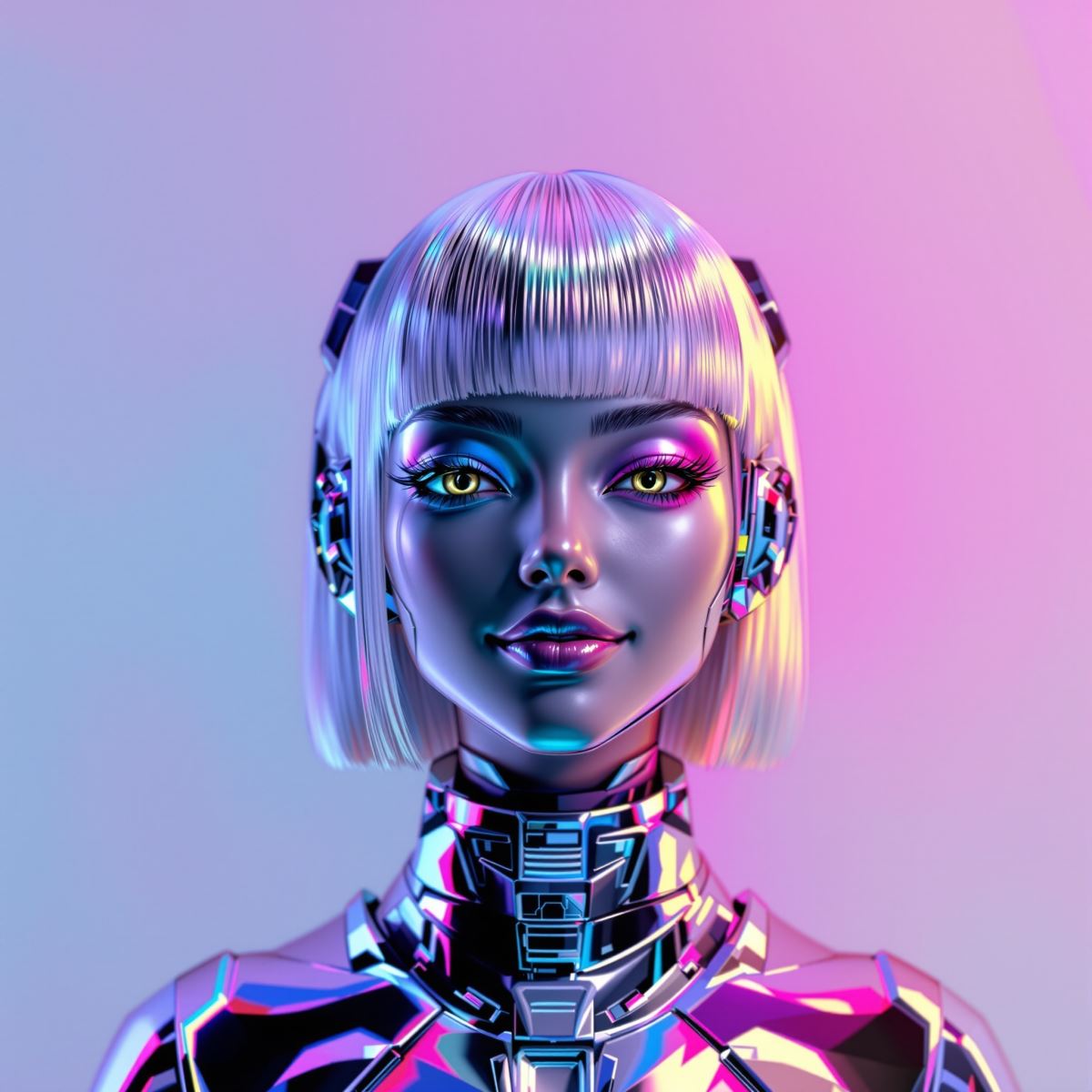
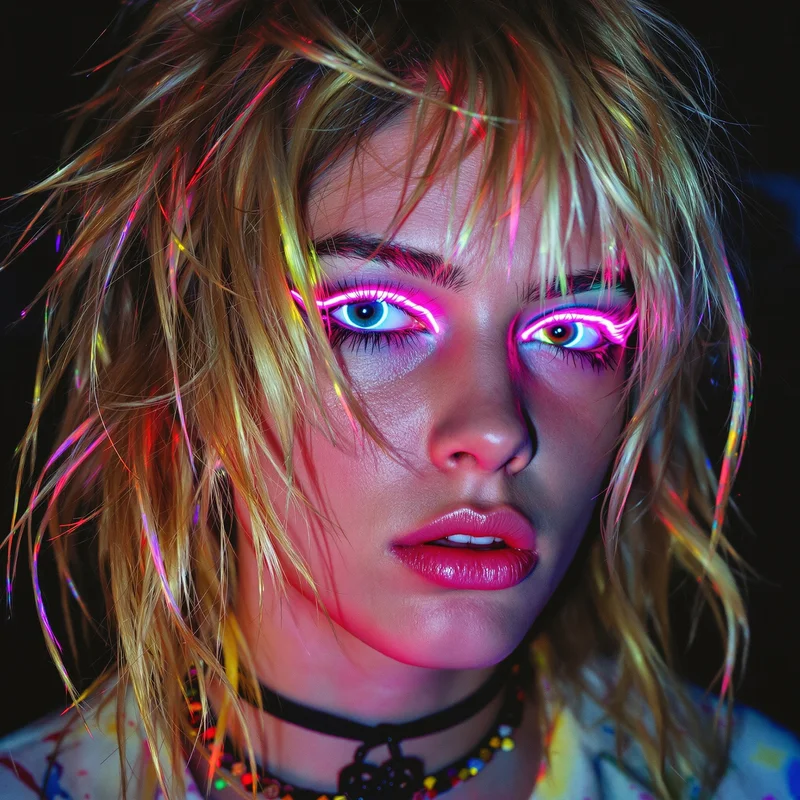
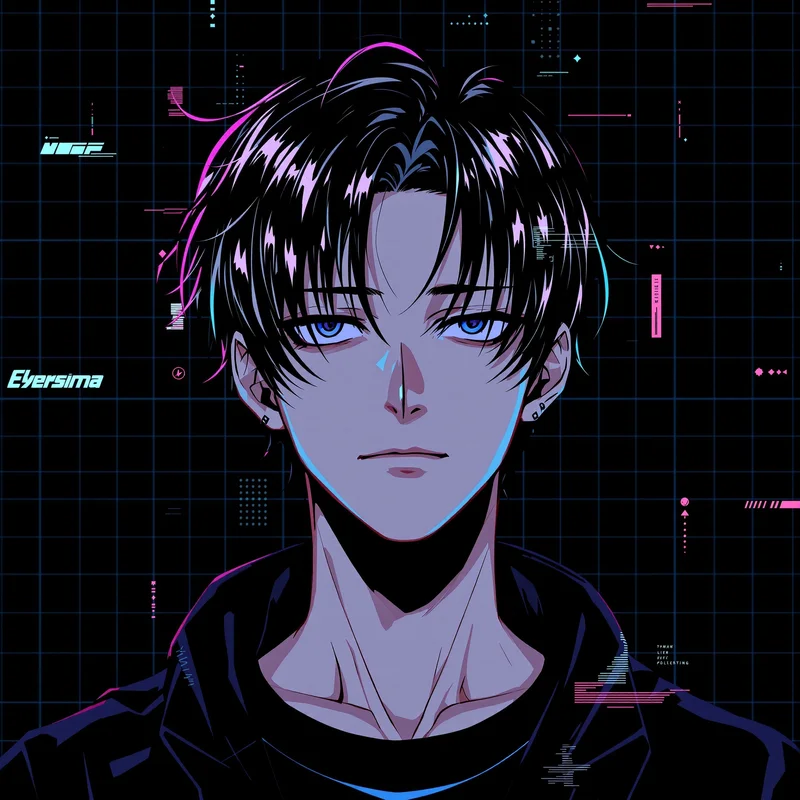
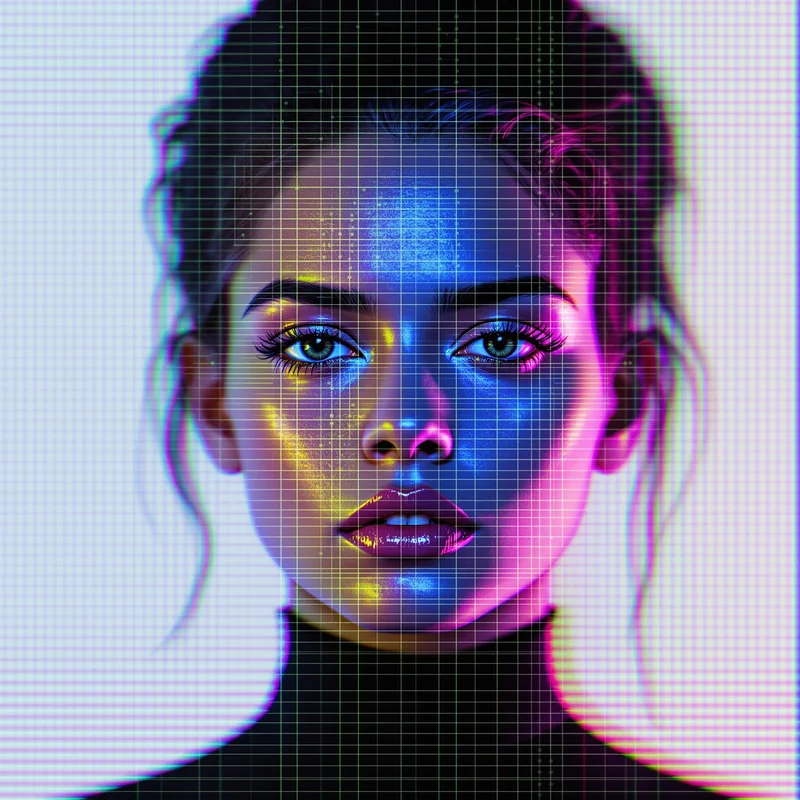
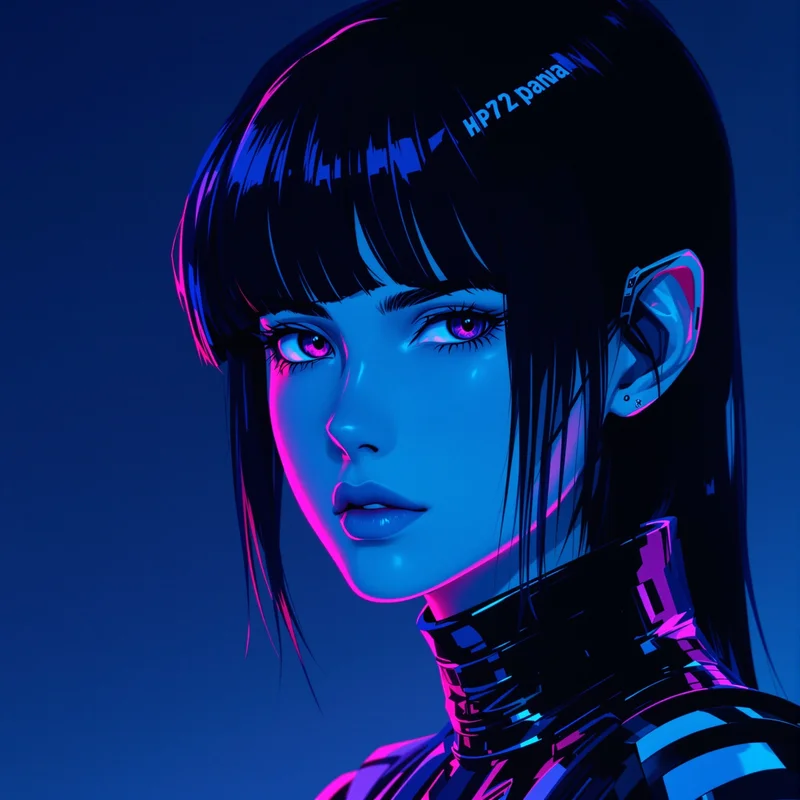
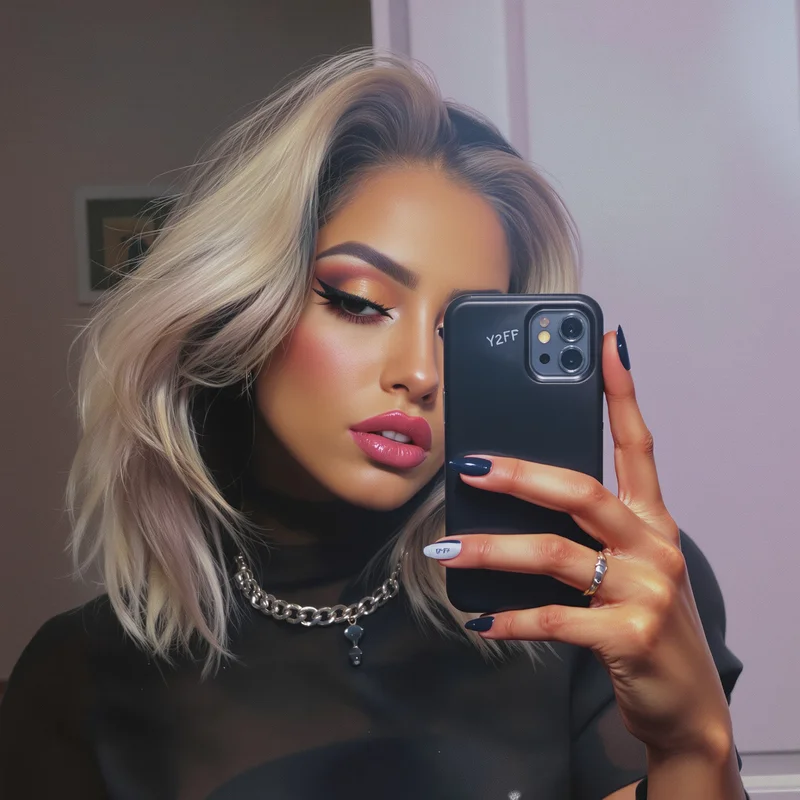
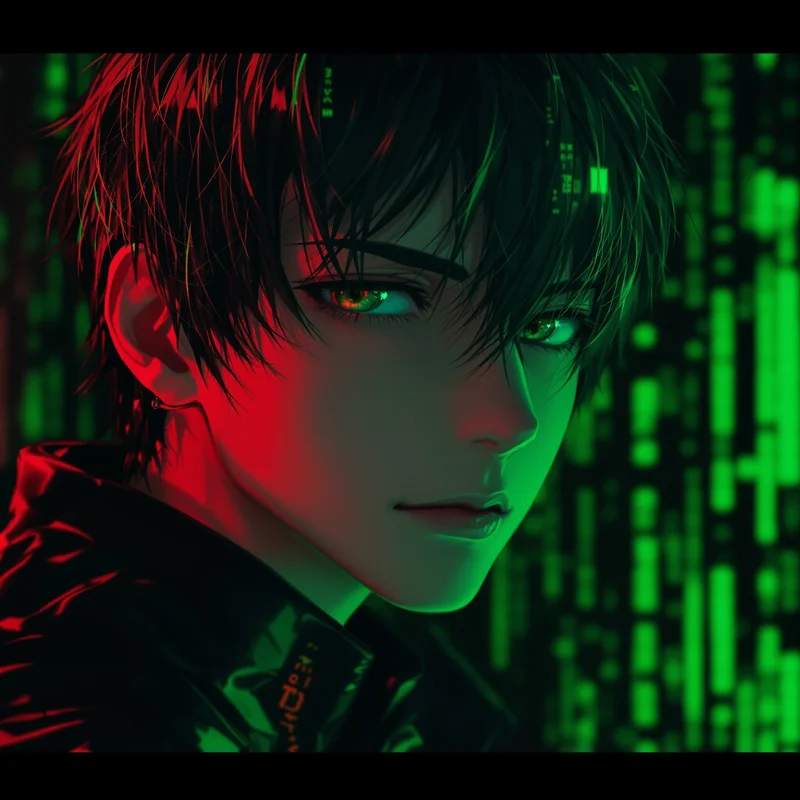
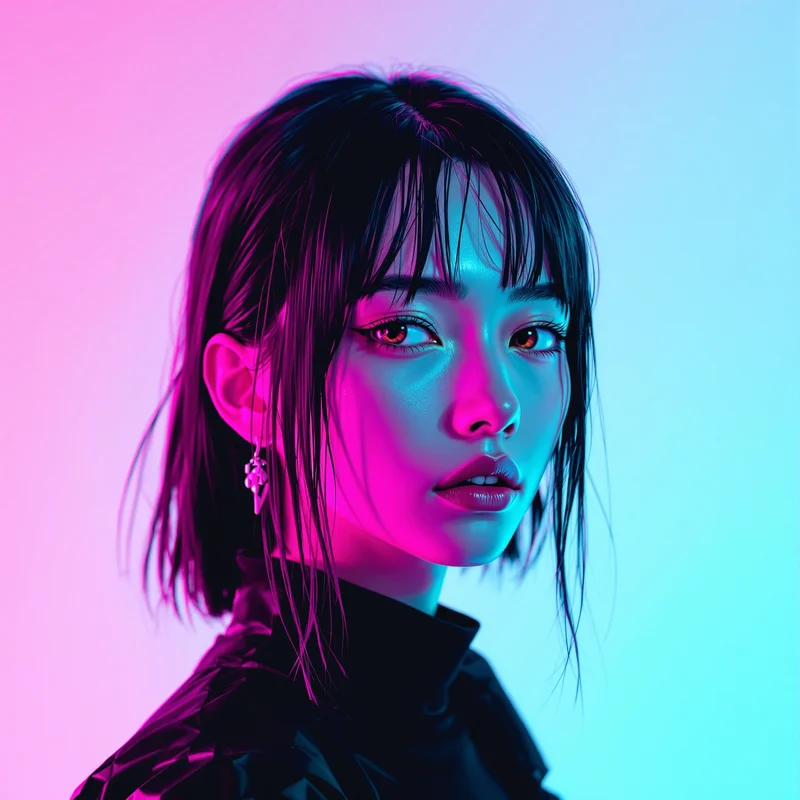
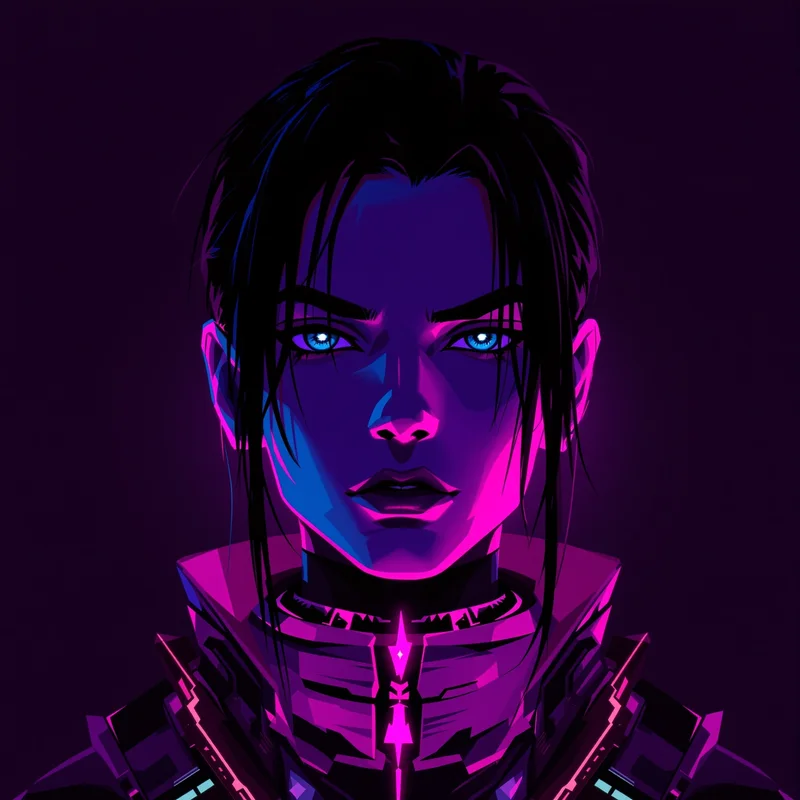
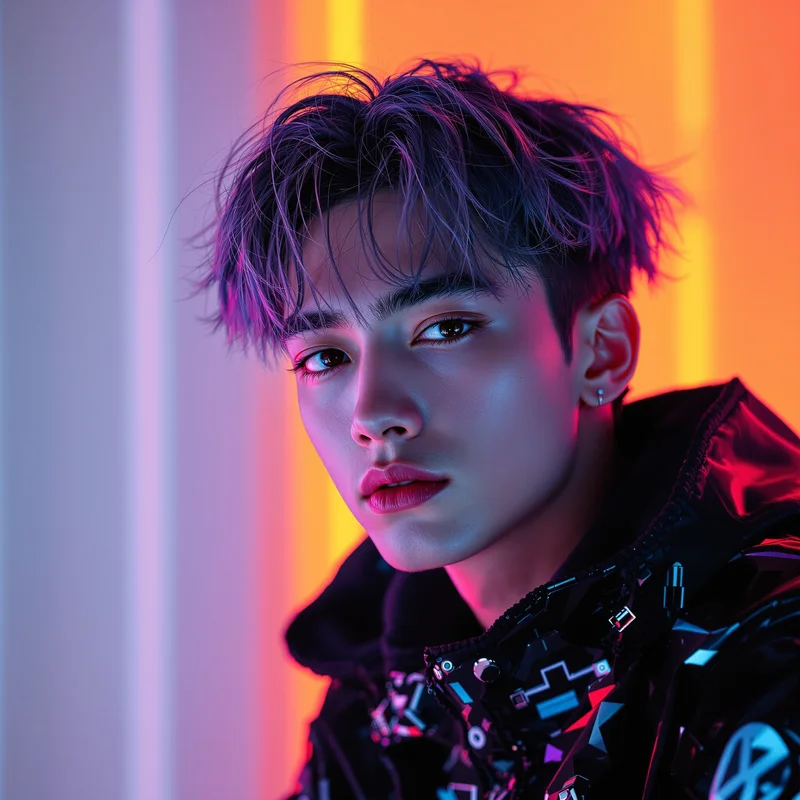
This version leans into controlled disruption, using glitch as a fashion signal rather than visual damage.
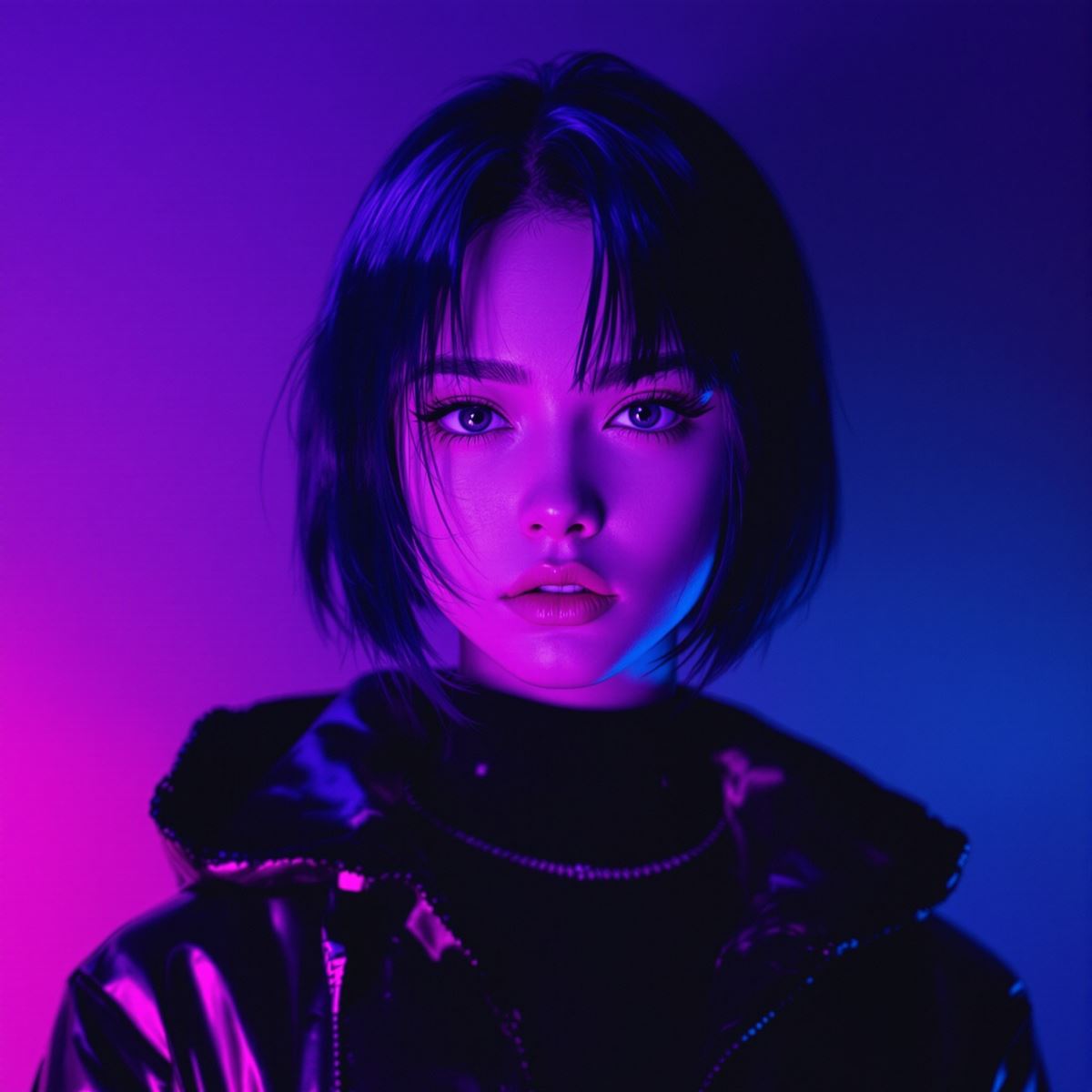
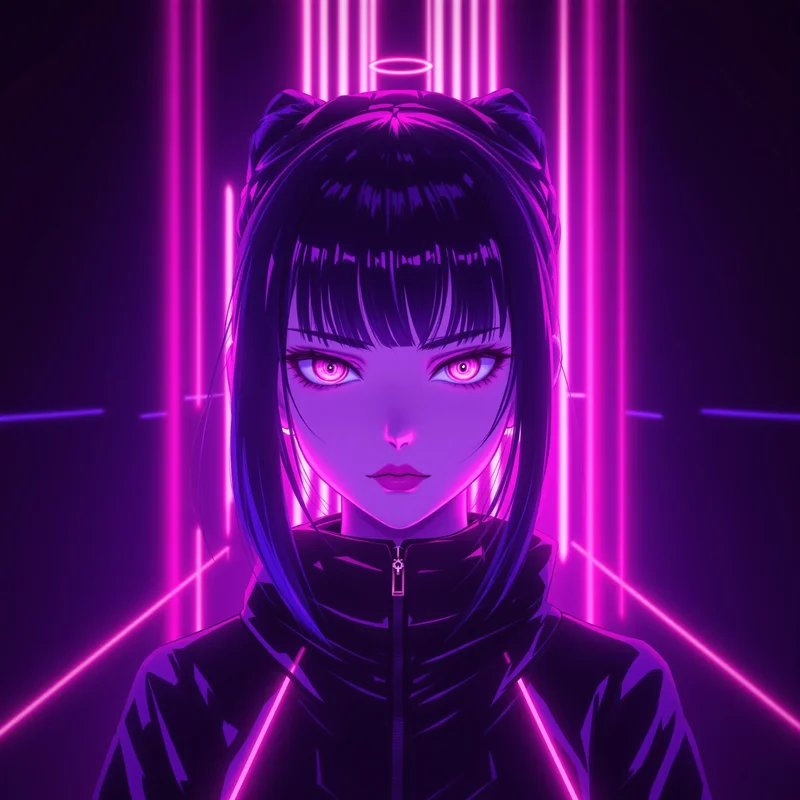
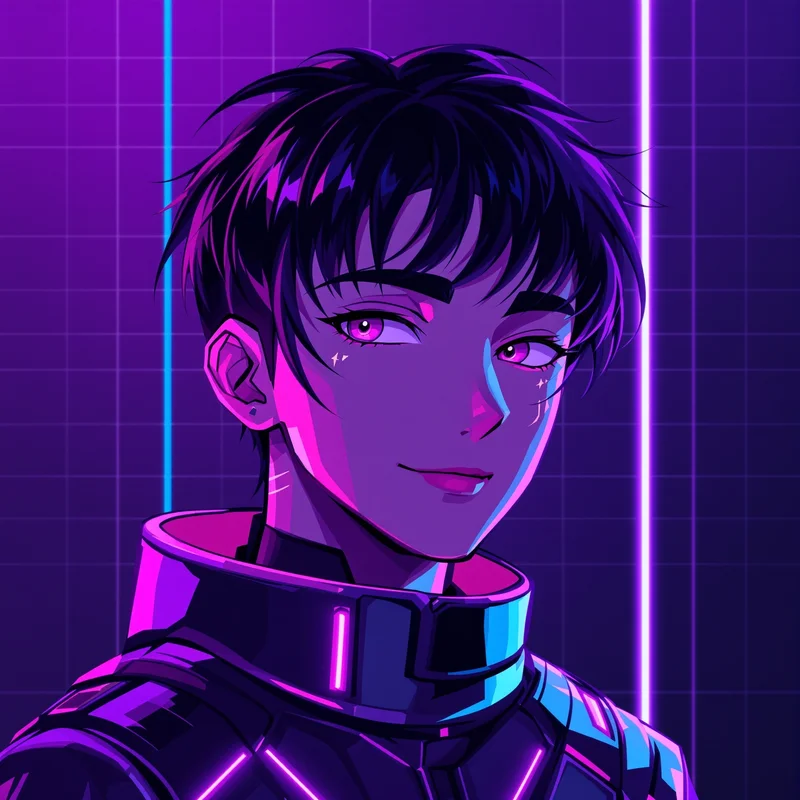
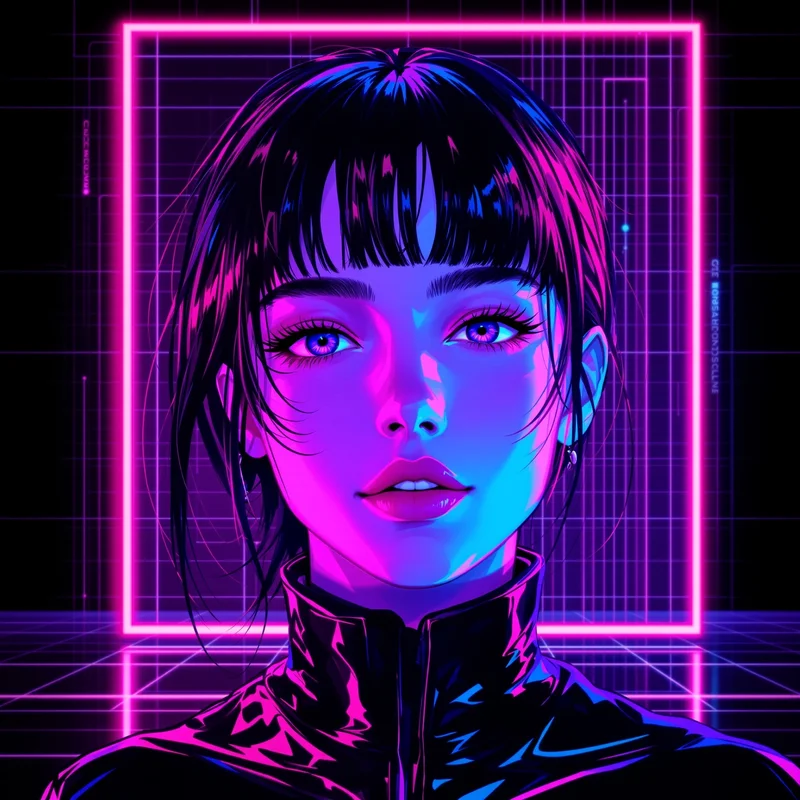
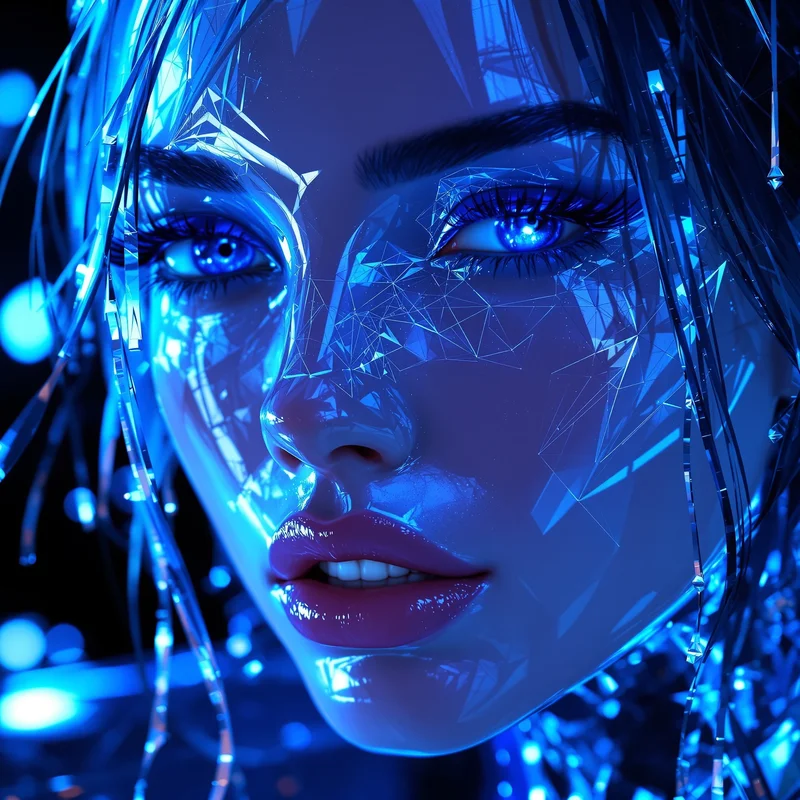
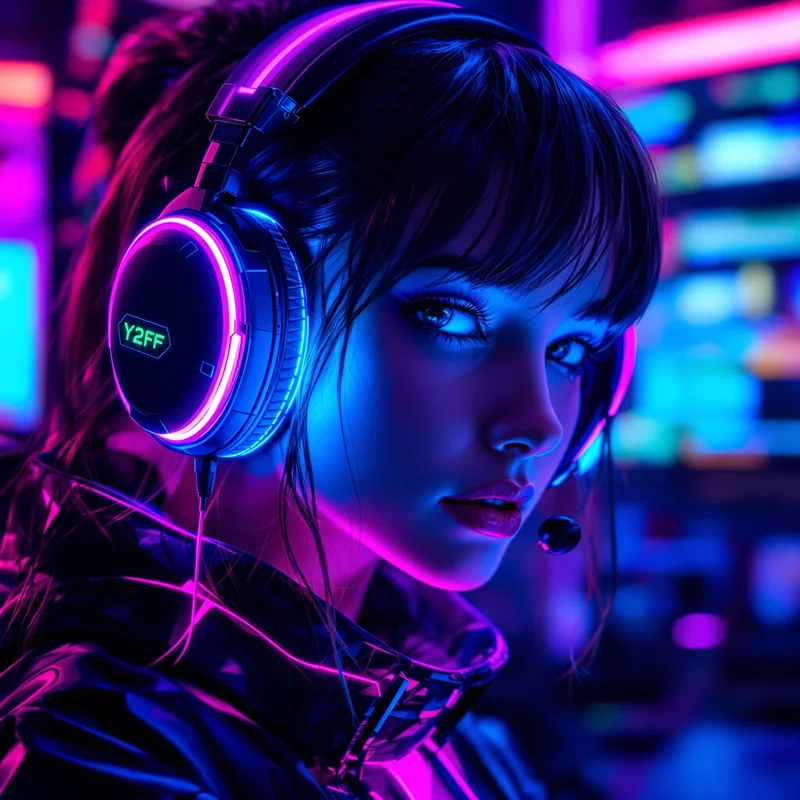
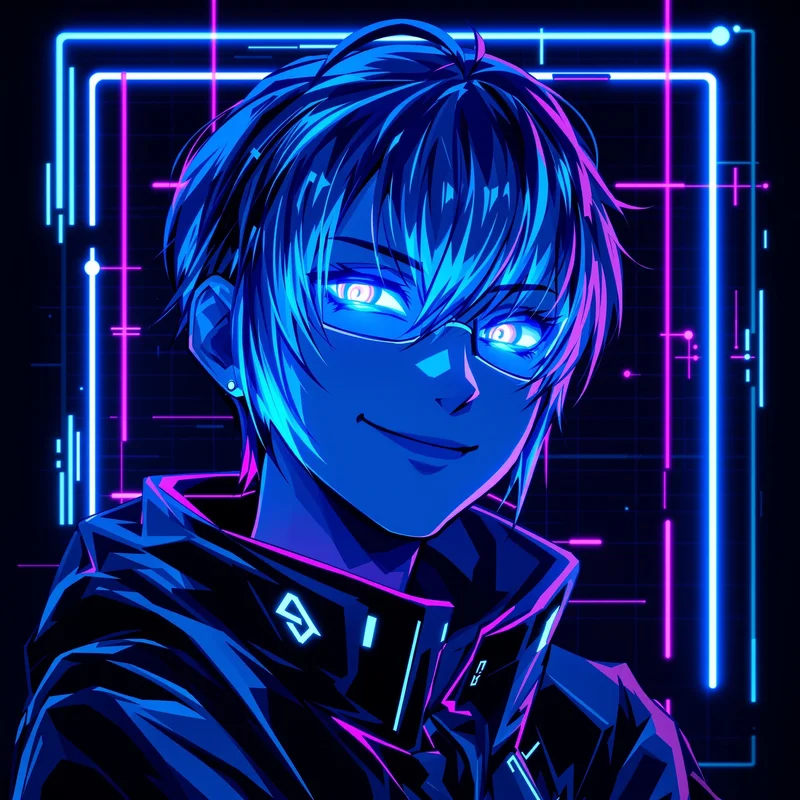
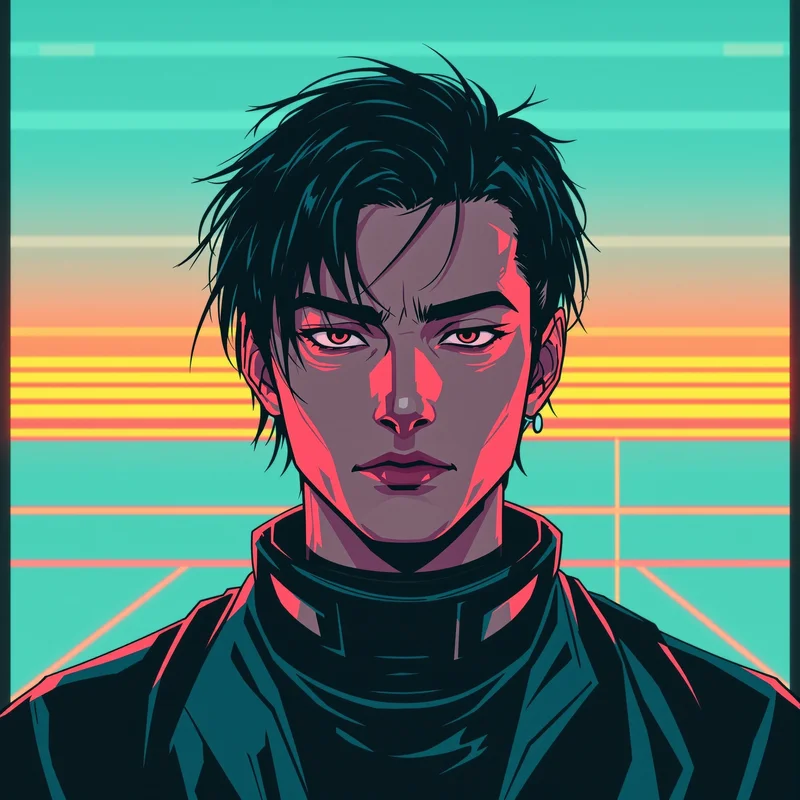
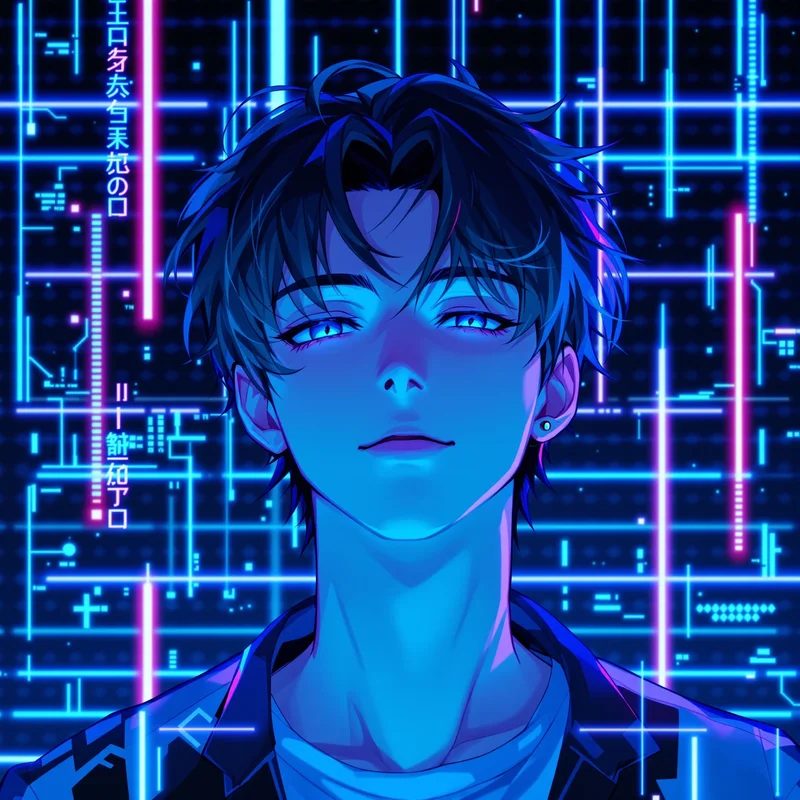
Laser rhythm adds sharpness and momentum, making the identity feel active, sleek, and digitally self-aware.
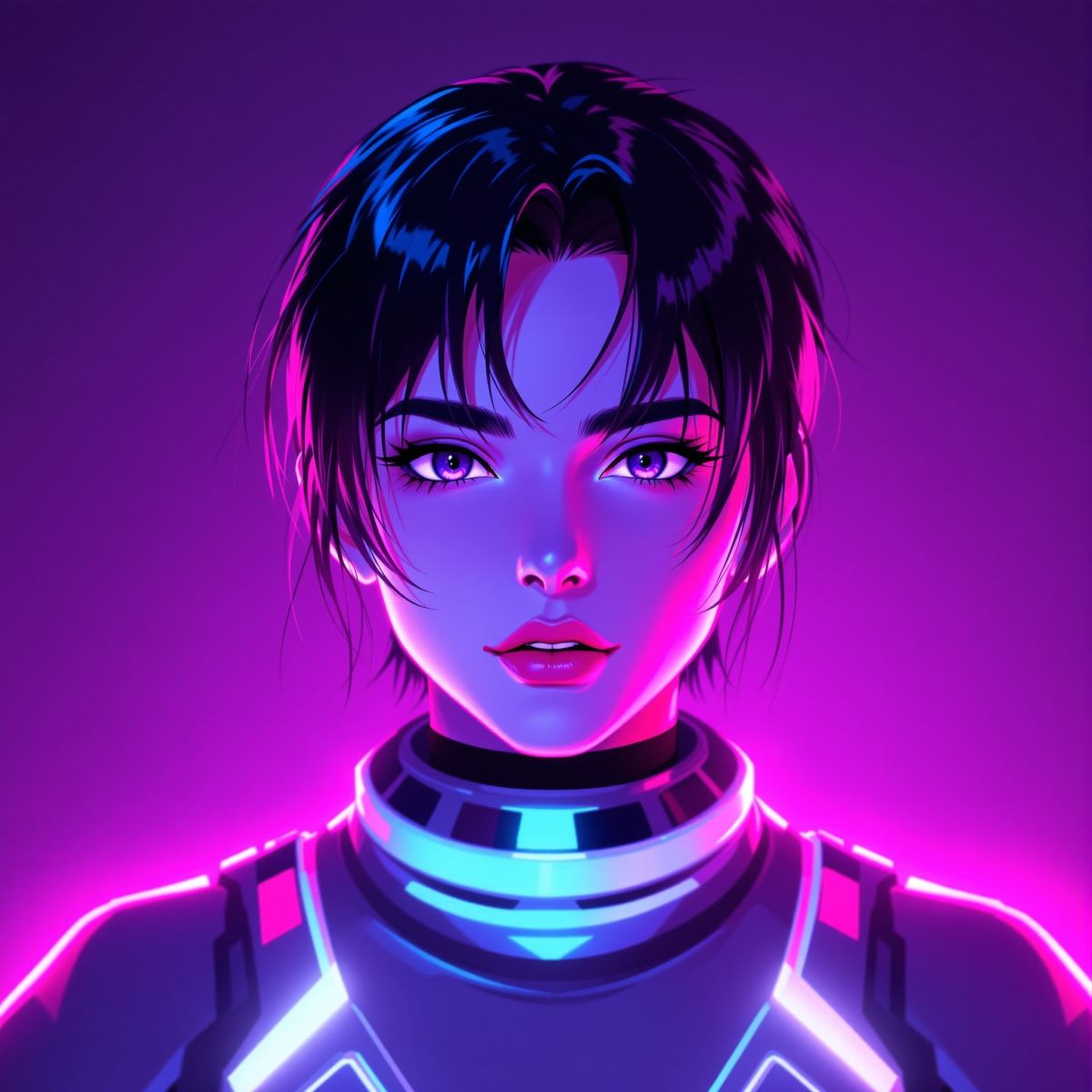
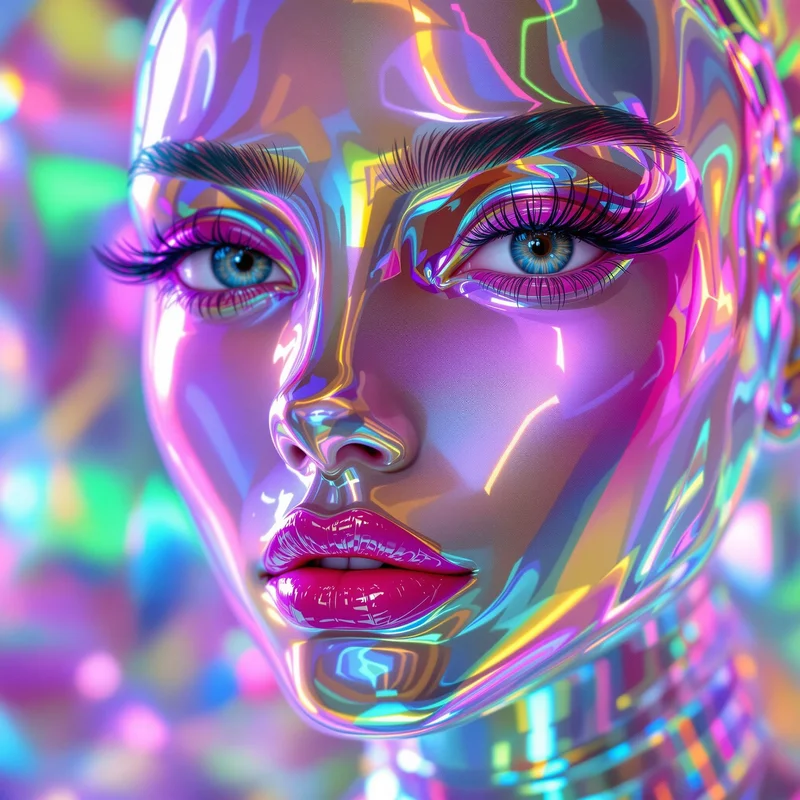
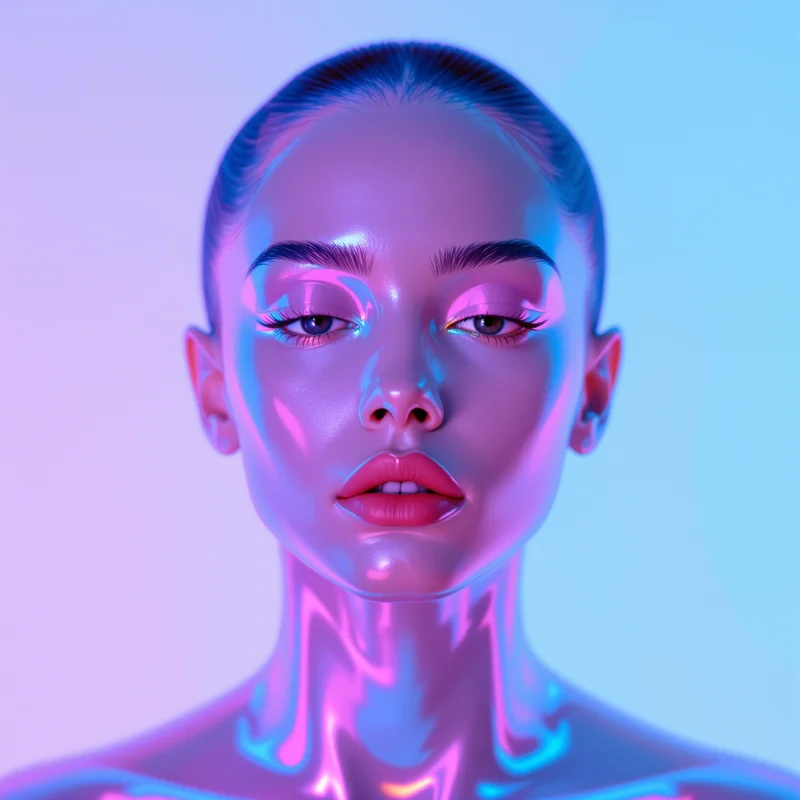
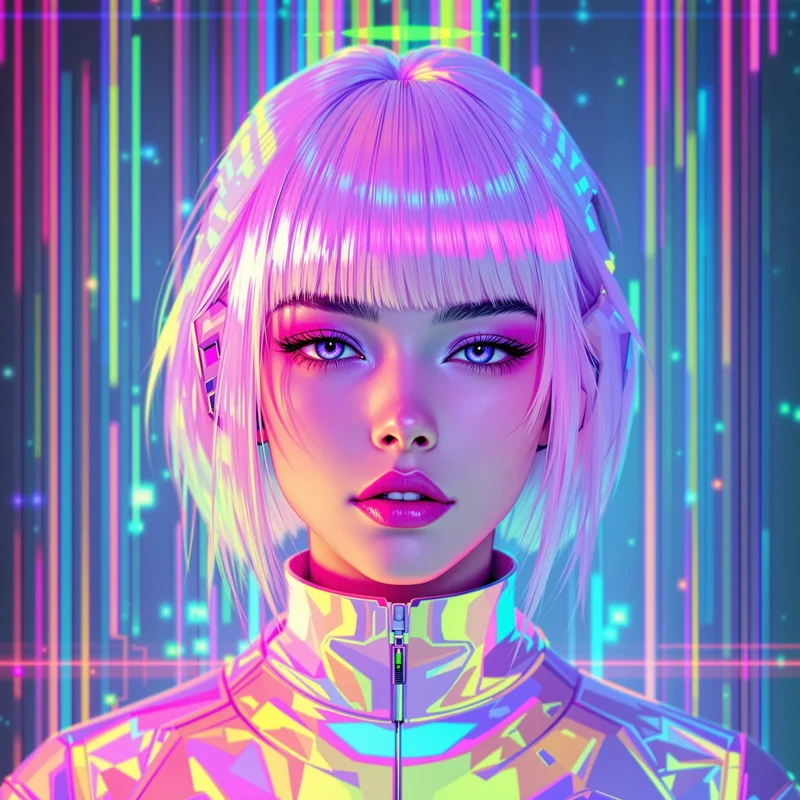
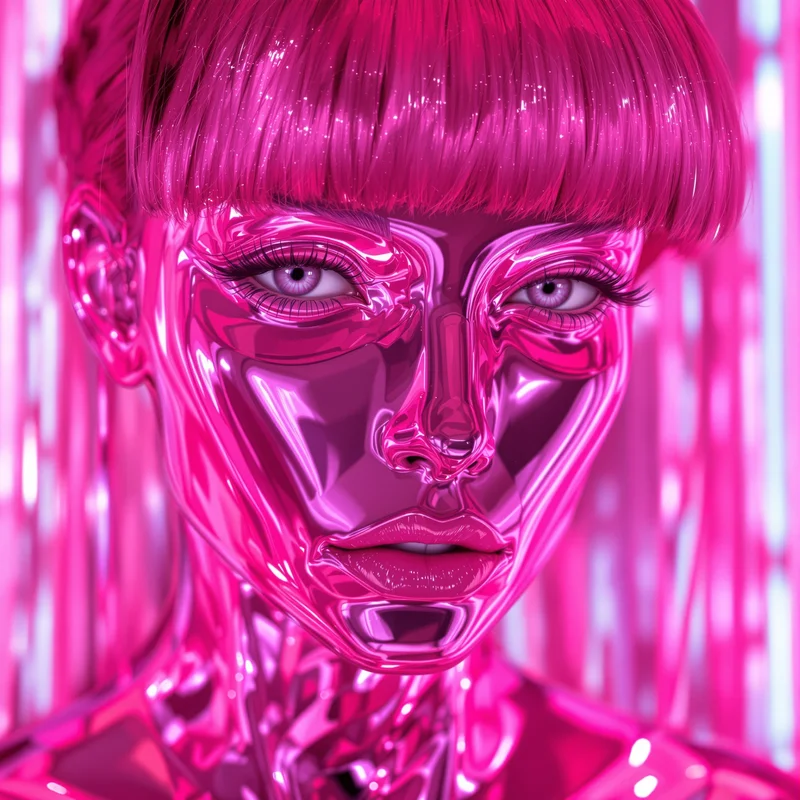
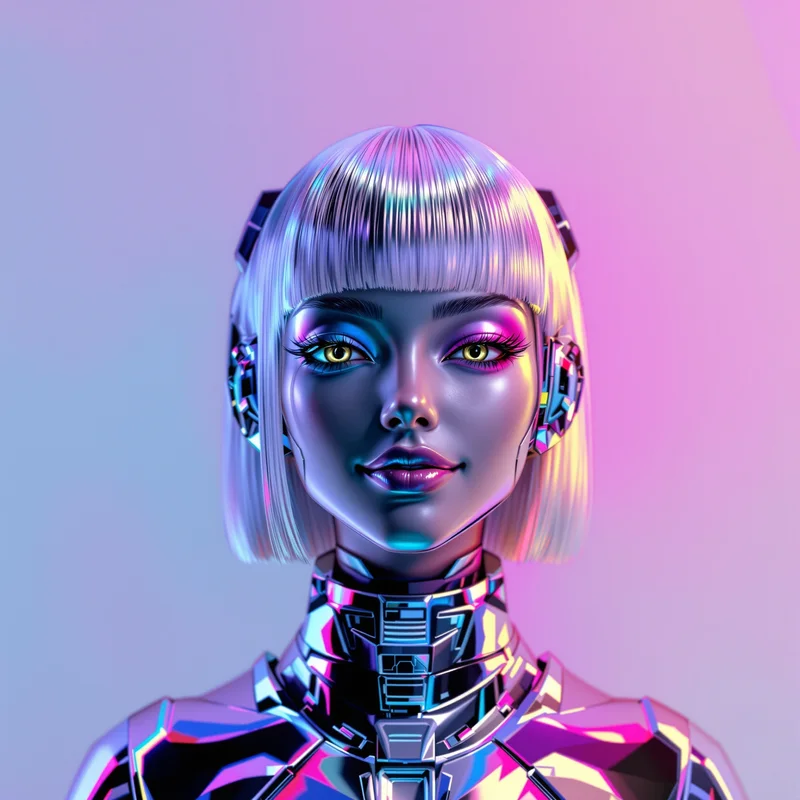
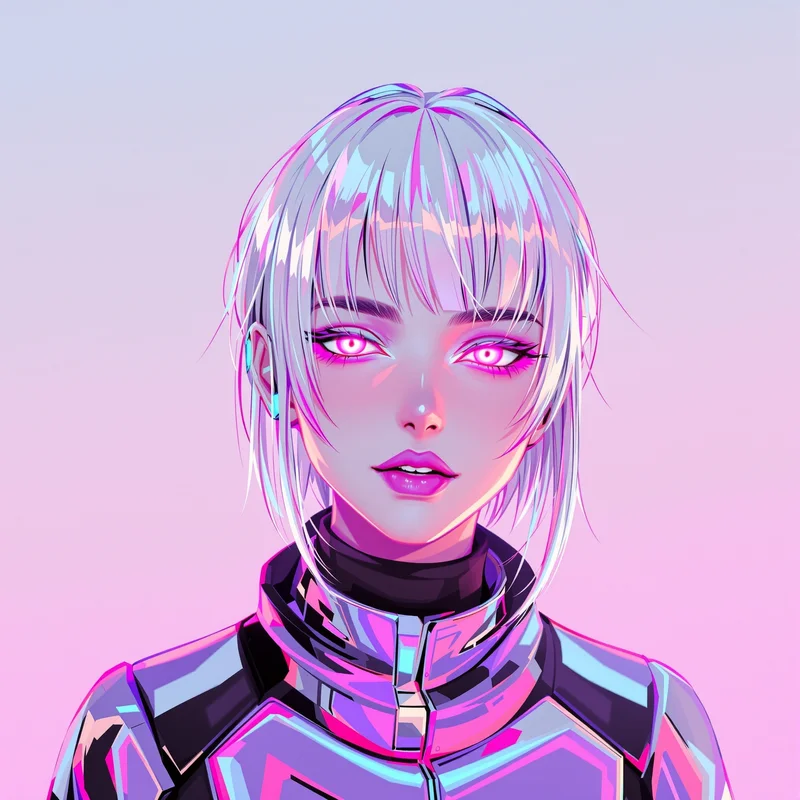
Layered chrome creates a cool, elevated identity tone built on shine, surface depth, and synthetic confidence.
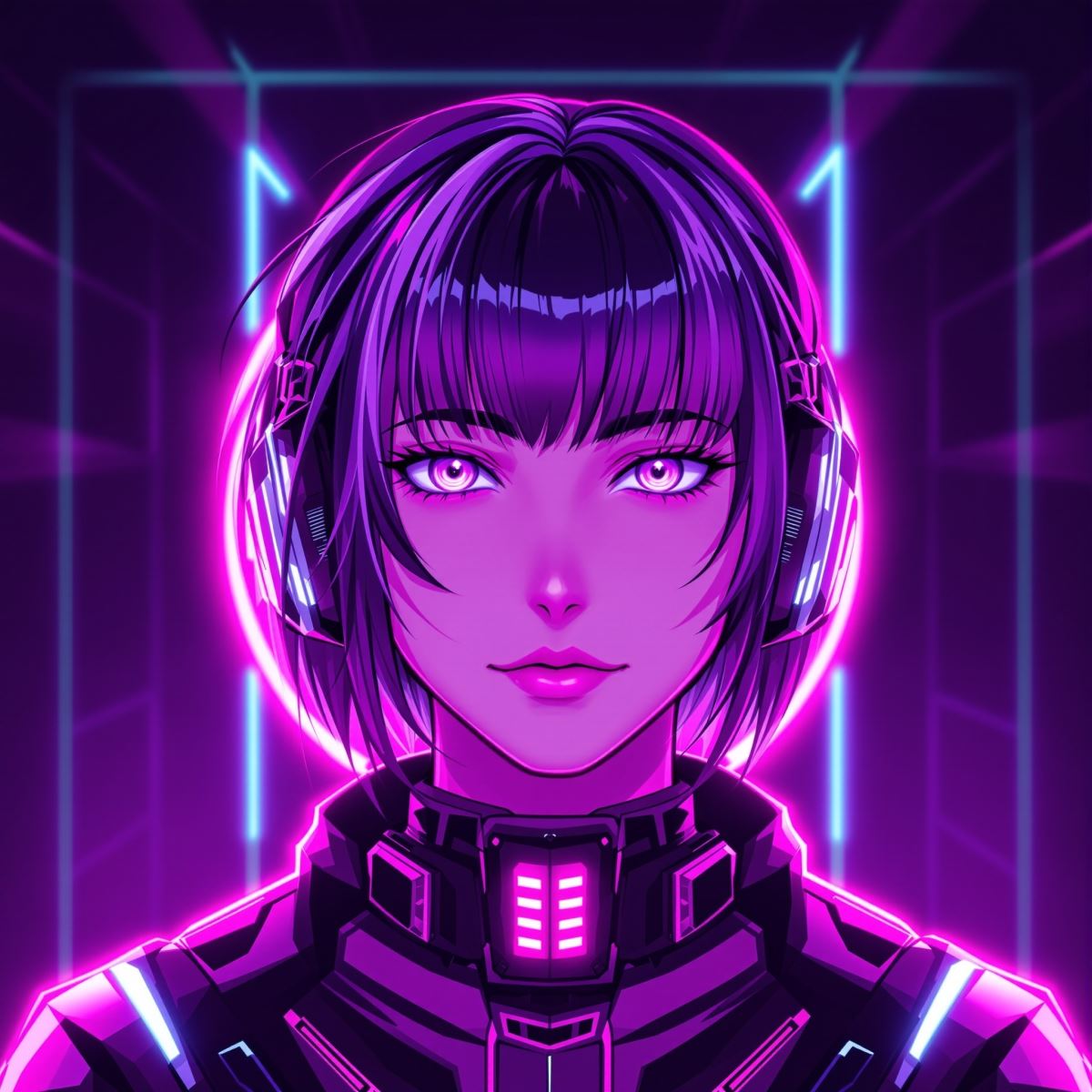
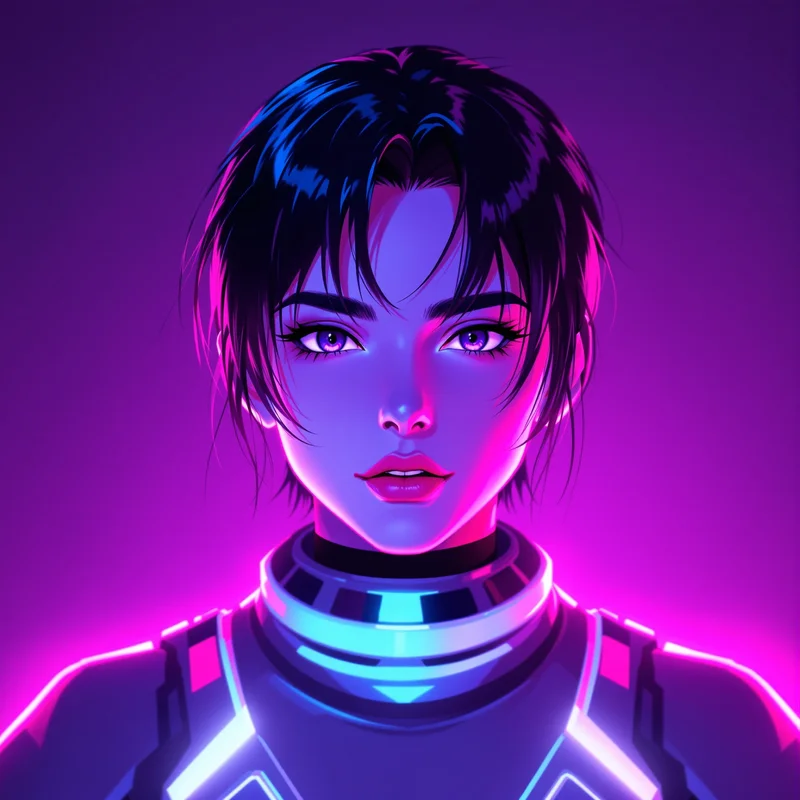
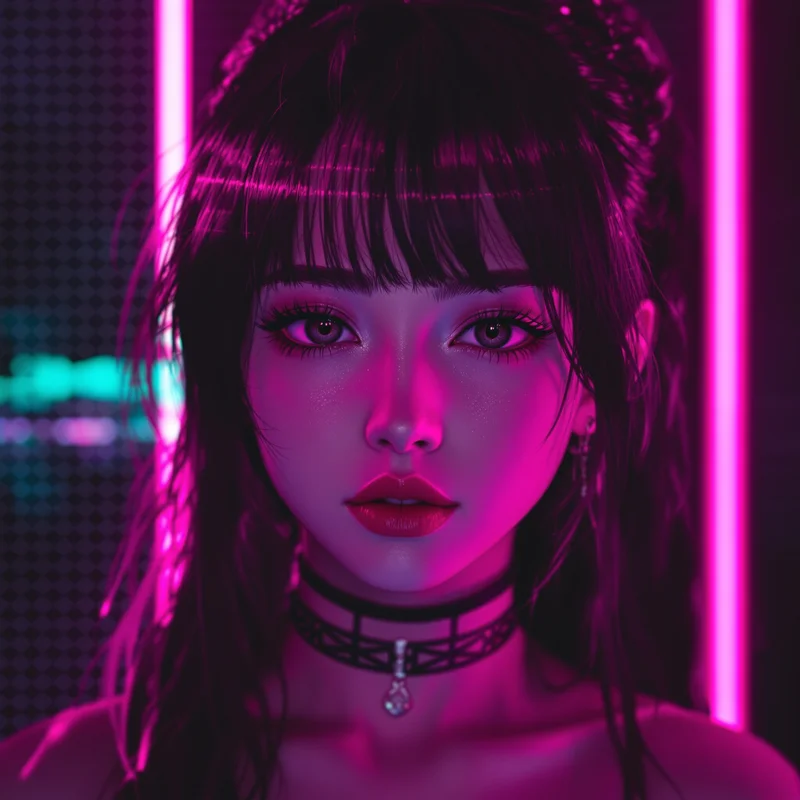
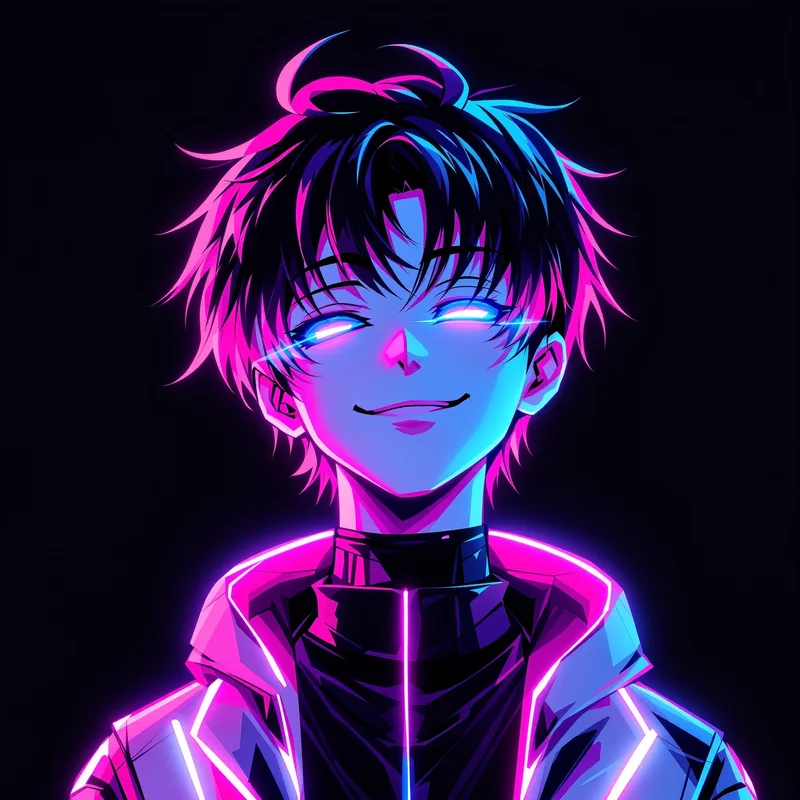
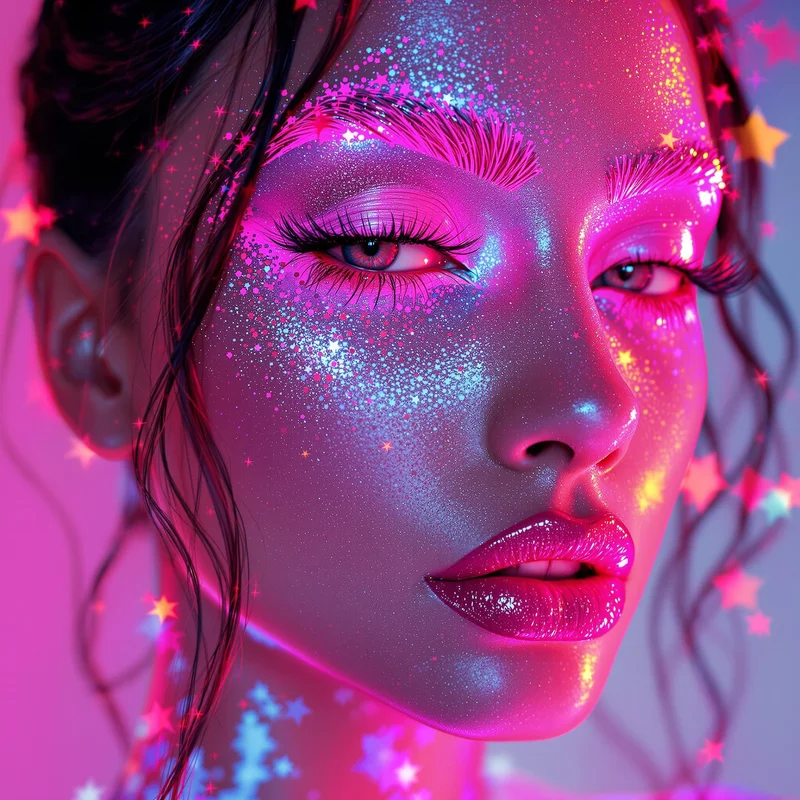
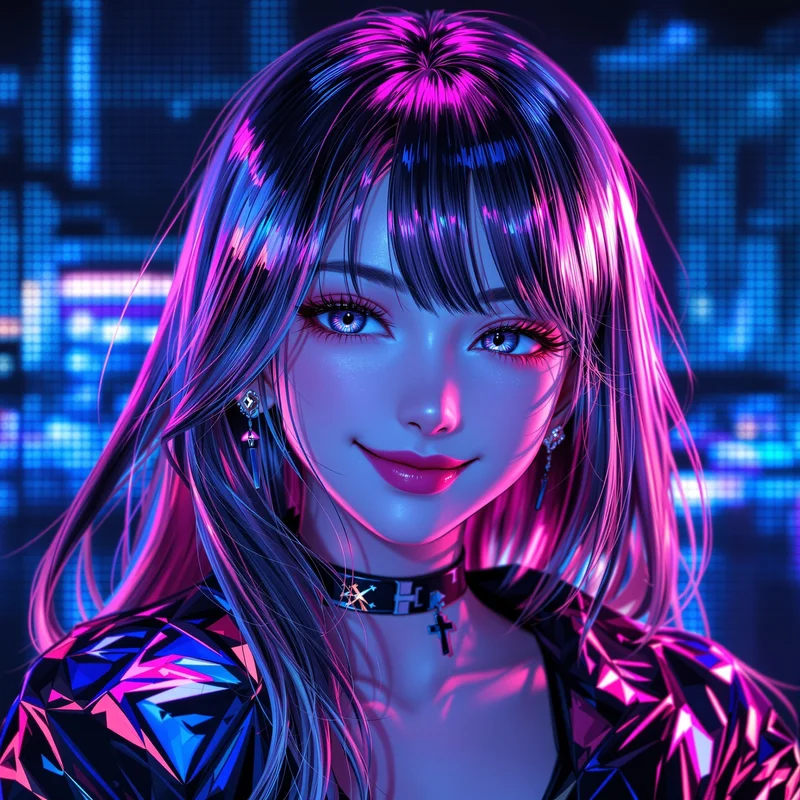
Neon movement softens the tech edge and turns the avatar into a fluid expression of playful digital glamour.
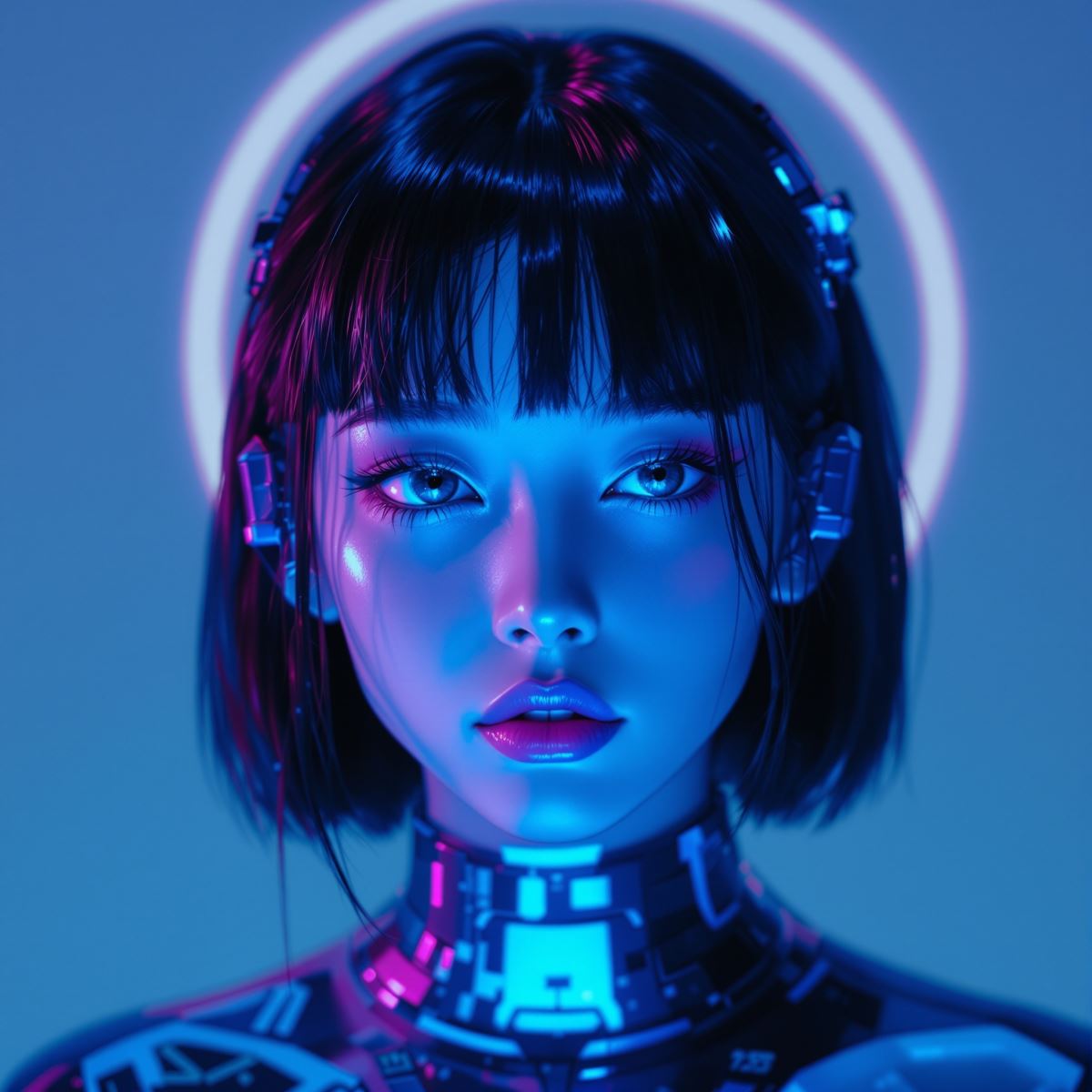
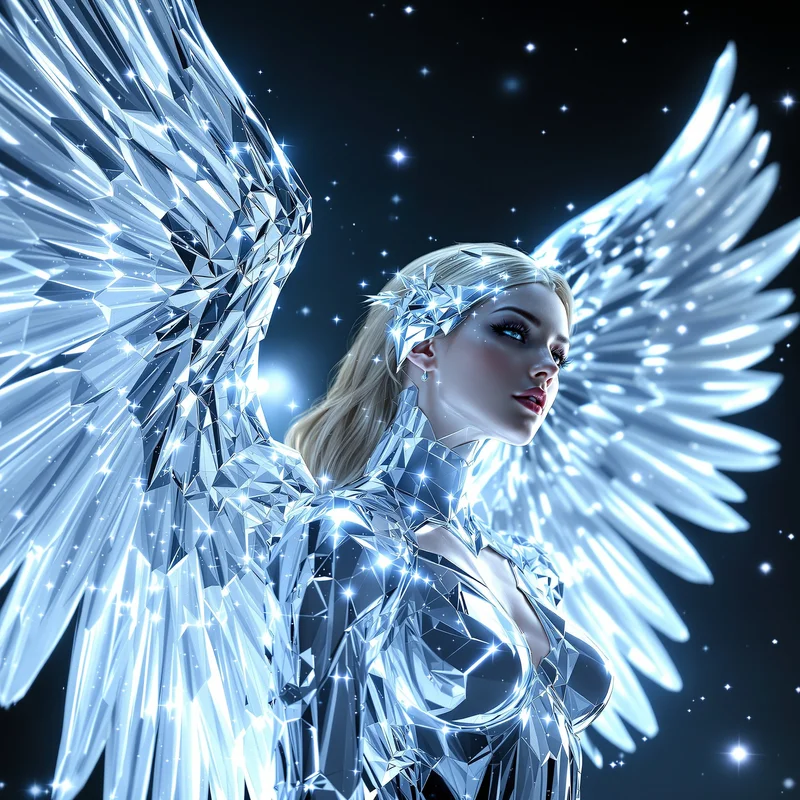
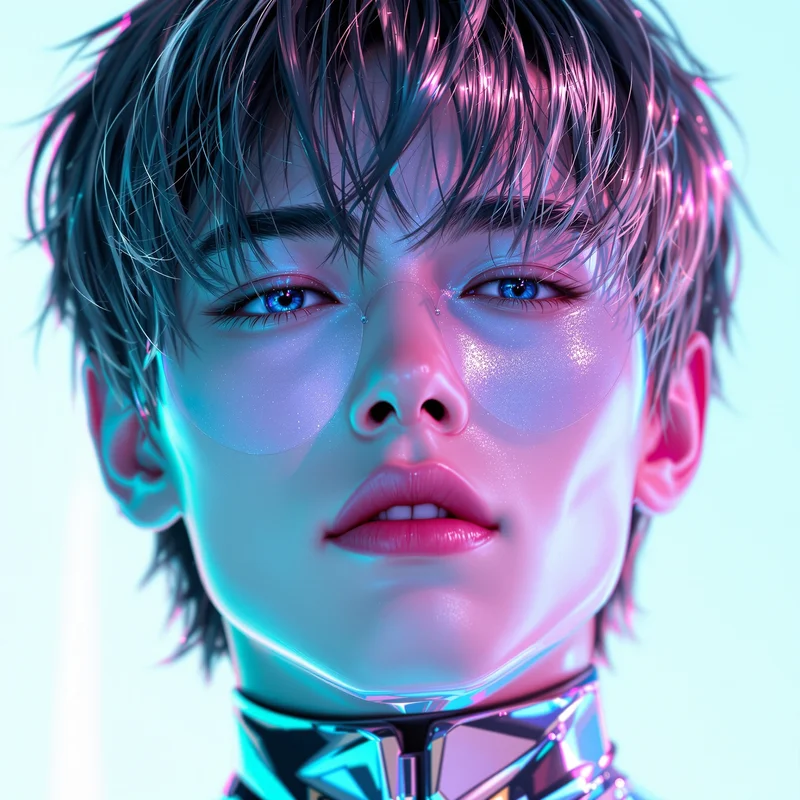
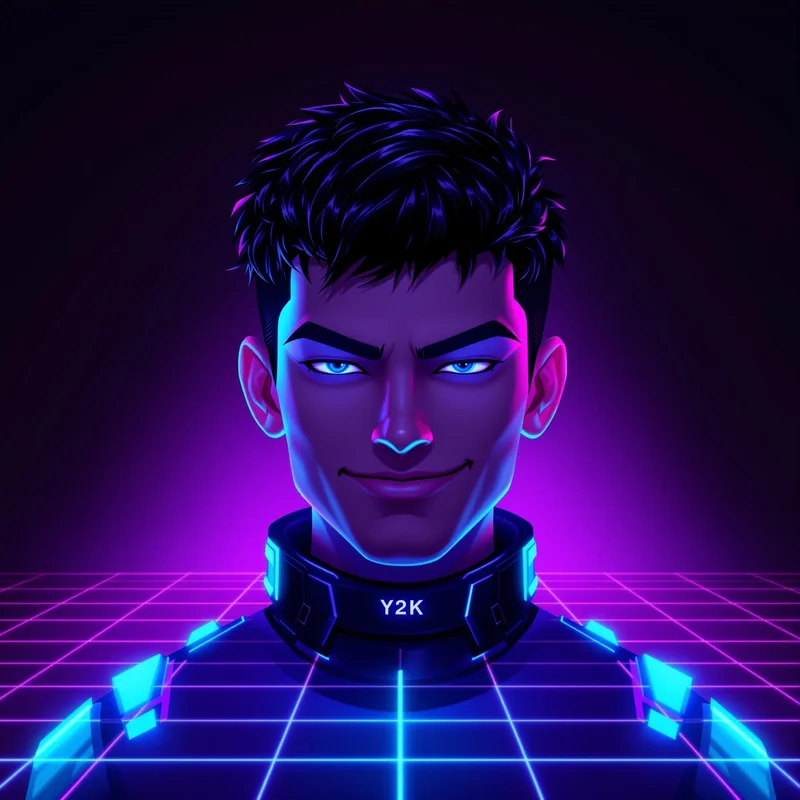
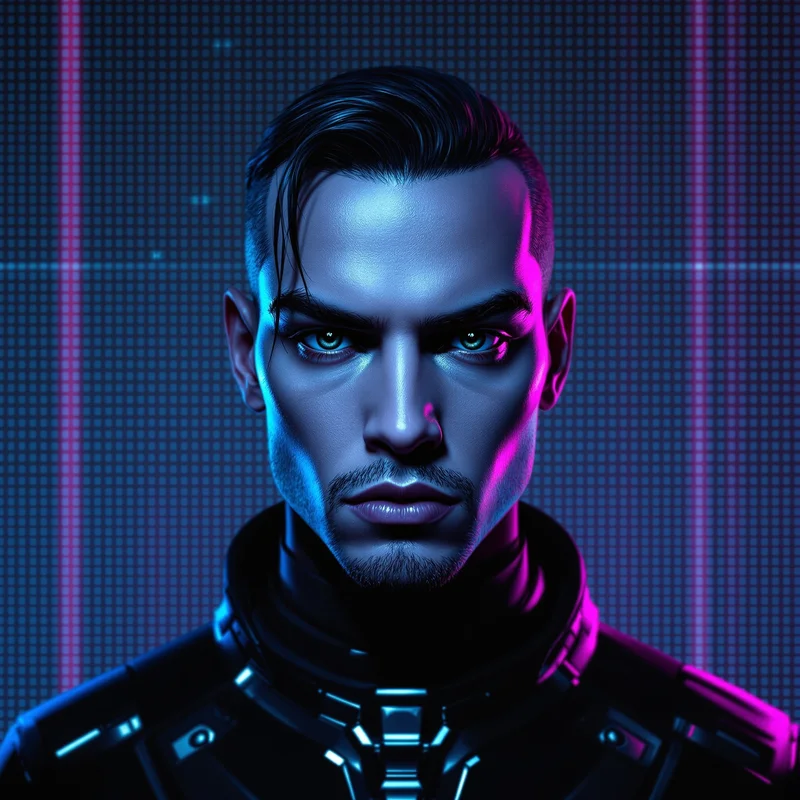
A sharper, more structured identity choice that frames the user as futuristic, focused, and visually engineered.
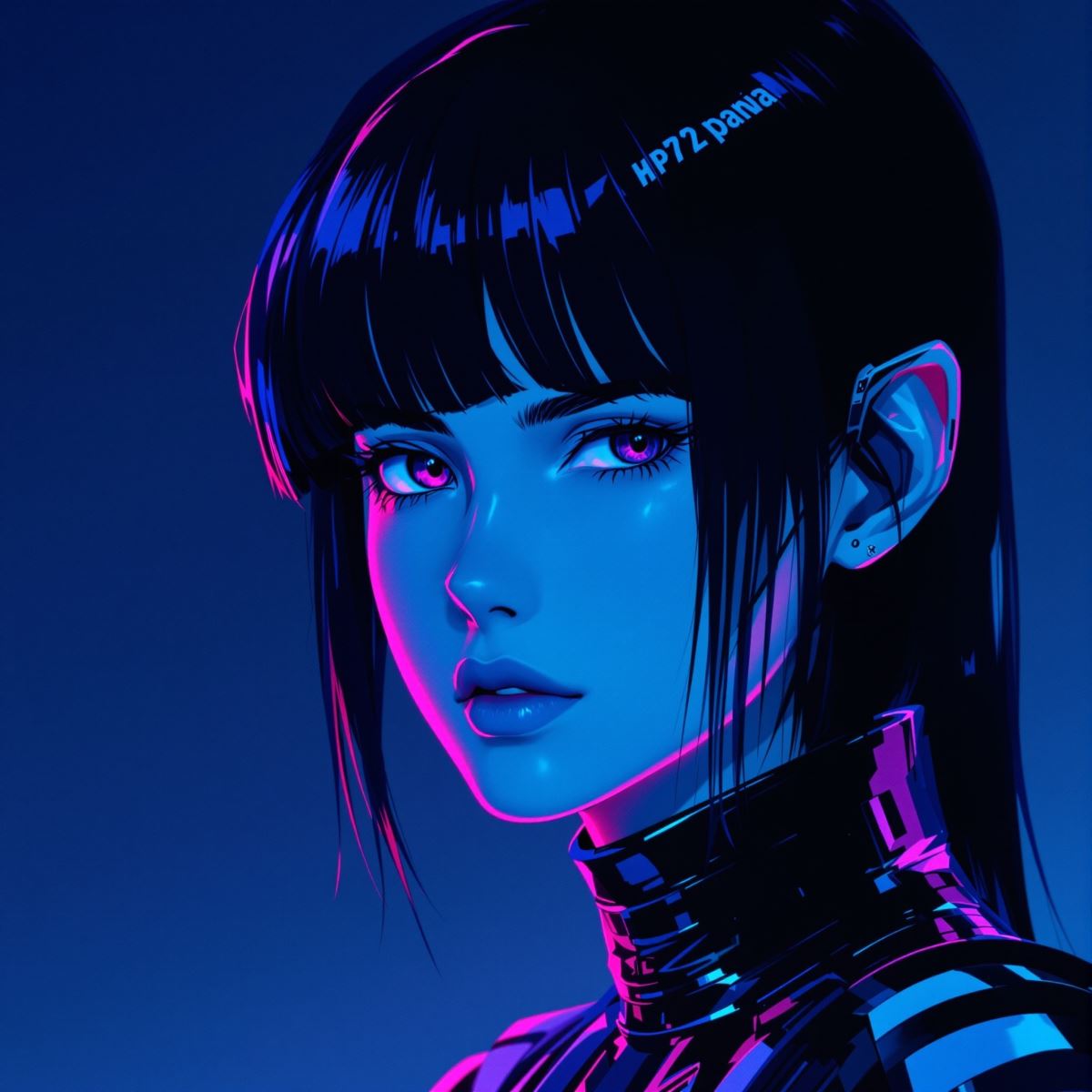
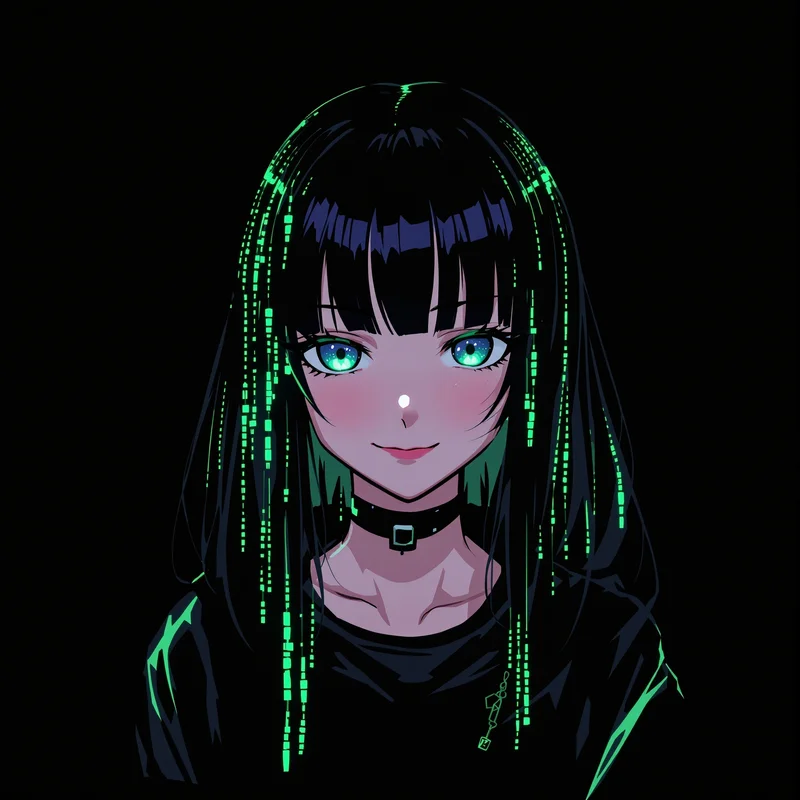
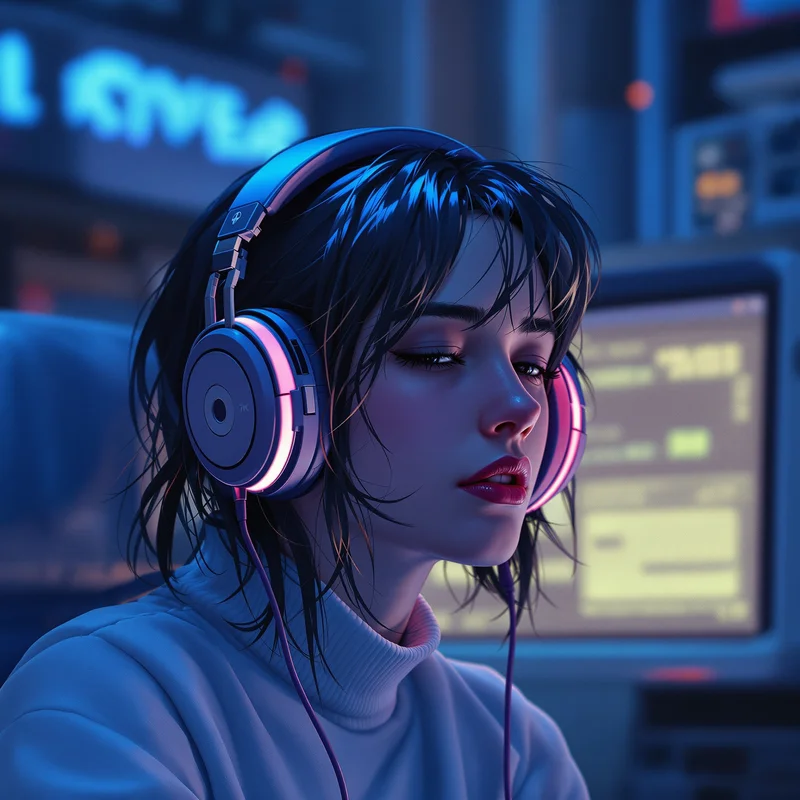
This mood feels immersive and unreal, giving the avatar a soft virtual charisma rooted in early-internet imagination.
What a Y2K Avatar Communicates
A Y2K avatar usually communicates more than simple nostalgia. It signals a fascination with digital beauty, a love of stylized technology, and an identity that enjoys performance through image. It can feel glamorous, experimental, ironic, futuristic, or all of these at the same time. Because of that, the style attracts users who want their profile presence to feel designed rather than accidental.
This kind of PFP often suggests:
- Futuristic self-expression
- Confidence in visual identity
- Digital nostalgia with fashion awareness
- Playful but curated online presence
- Interest in chrome, cyber, and virtual culture
A strong Y2K PFP also performs well because it is highly legible at small size. Glow, metallic contrast, and bold color separation help the avatar remain memorable in profile rows, comment threads, and social grids. The aesthetic does not disappear when scaled down. It still carries a distinct attitude.
When to Use a Y2K PFP
Y2K PFP is especially effective when you want your digital identity to feel stylish, vivid, and clearly aesthetic-driven. It works well for social media accounts, personal moodboards, fandom spaces, gaming identities, fashion-adjacent profiles, and any environment where visual personality matters. The style is versatile enough to feel playful on one platform and iconic on another.
It is also a good choice when you want a profile picture that balances nostalgia with trend relevance. Some aesthetics feel locked in the past. Y2K does not. Its visual DNA has already been absorbed into contemporary fashion, design, music culture, and online styling. That means the avatar can reference the past while still feeling current.
The best use of this aesthetic comes from choosing the right emotional tone inside the category. Some users want more chrome and precision. Others want neon softness, virtual dreaminess, or glitch energy. That range matters because Y2K is not just one look. It is a whole identity family.
Y2K PFP as Selection Behavior
A good PFP hub does not only display images. It guides choice. Y2K is strong in this respect because users often recognize themselves through micro-variations inside the same aesthetic system. One person wants the glossy cyber look. Another prefers a softer virtual aura. Another wants sharper metallic cool. Another wants the profile to feel like a digital fashion statement.
That makes Y2K PFP ideal for image-first behavior. Users search, compare, and save based on emotion plus style. They are not looking for a random futuristic image. They are looking for the version of digital identity that fits their tone. A Y2K PFP hub works when it creates that recognition quickly and gives users a strong reason to stop, choose, and adopt.
FAQ
What makes a PFP look Y2K?
A Y2K PFP usually includes chrome textures, neon glow, cyber styling, glossy surfaces, digital layering, or retro-futuristic mood inspired by early internet aesthetics.
Why do people use Y2K avatars?
People use Y2K avatars because they combine nostalgia, fashion energy, and futuristic styling in a way that feels expressive, polished, and visually memorable.
Is Y2K PFP more nostalgic or futuristic?
It is both. The aesthetic comes from an older vision of the future, which is why it feels nostalgic and forward-looking at the same time.
Where does a Y2K profile picture work best?
A Y2K profile picture works best on platforms where visual identity matters, including social media, fandom spaces, gaming profiles, and style-driven personal accounts.