Animals

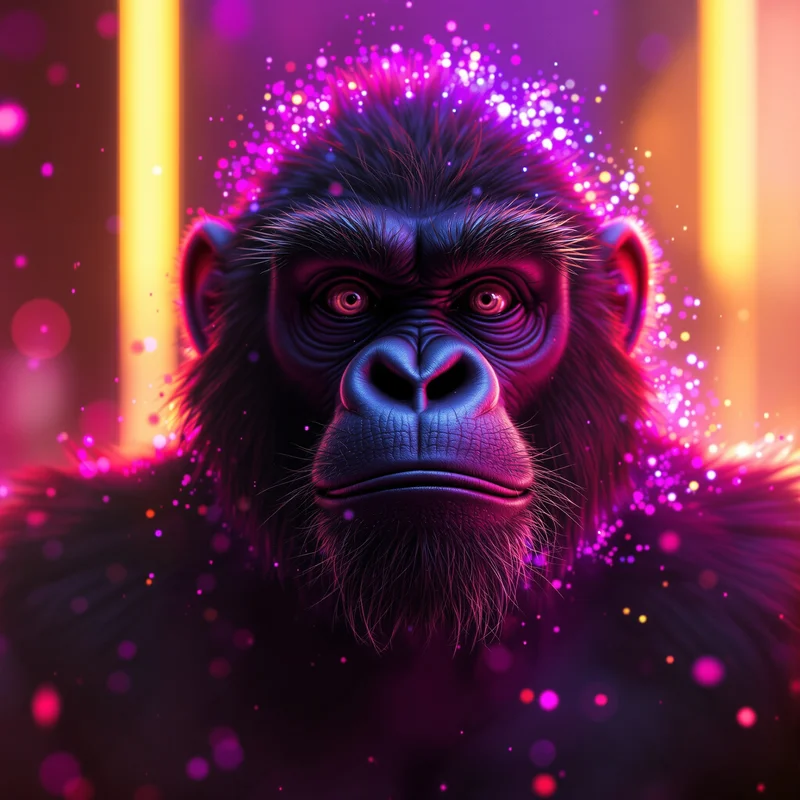
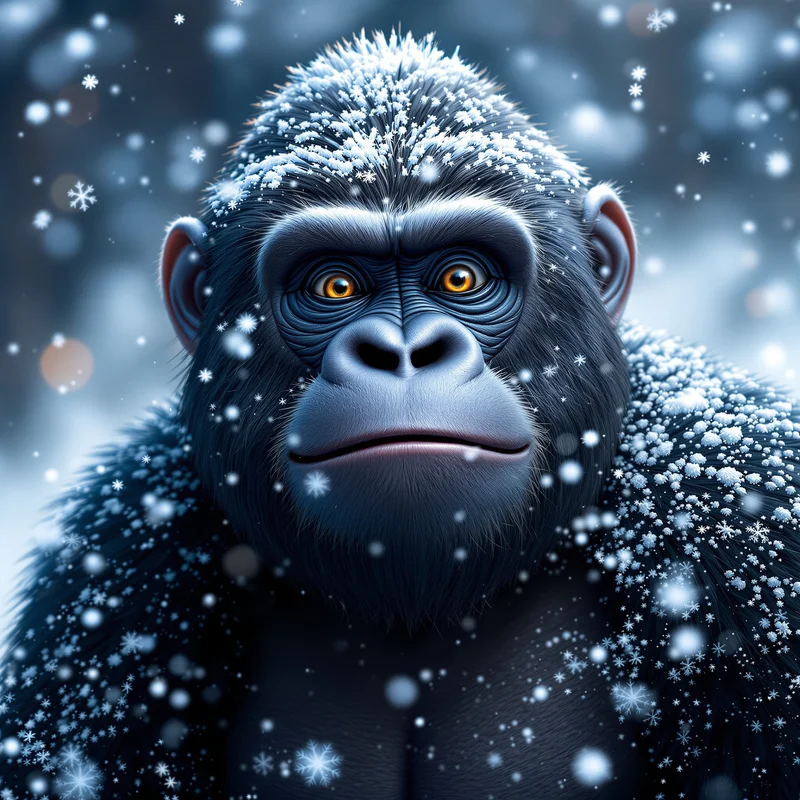
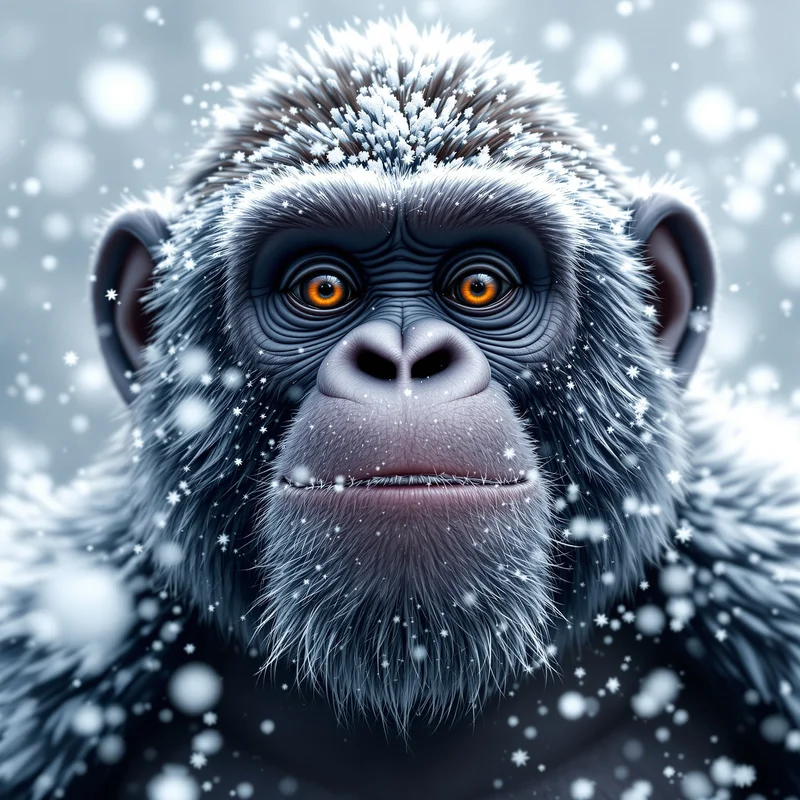
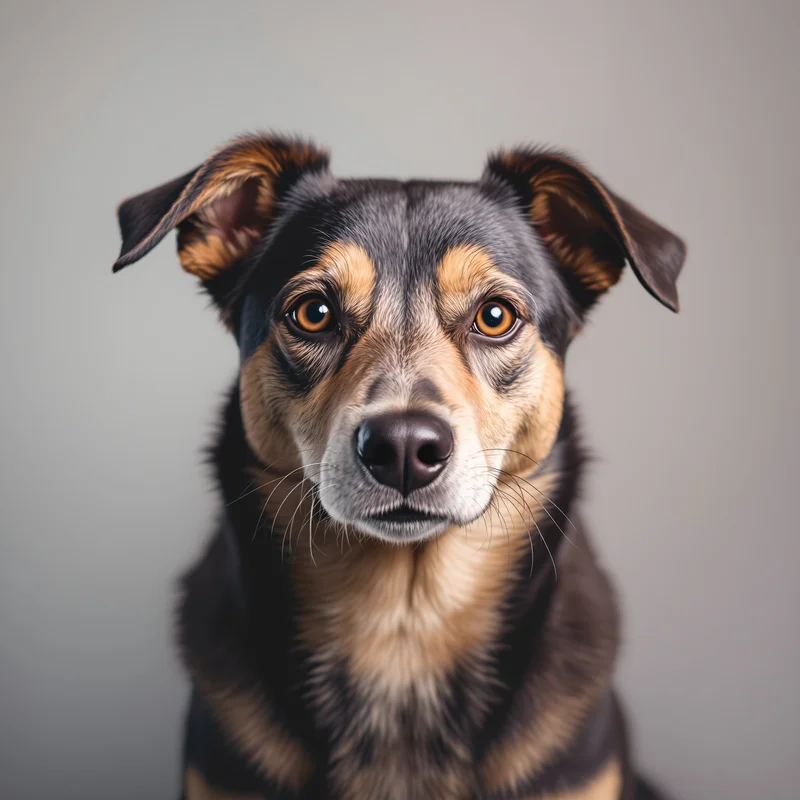





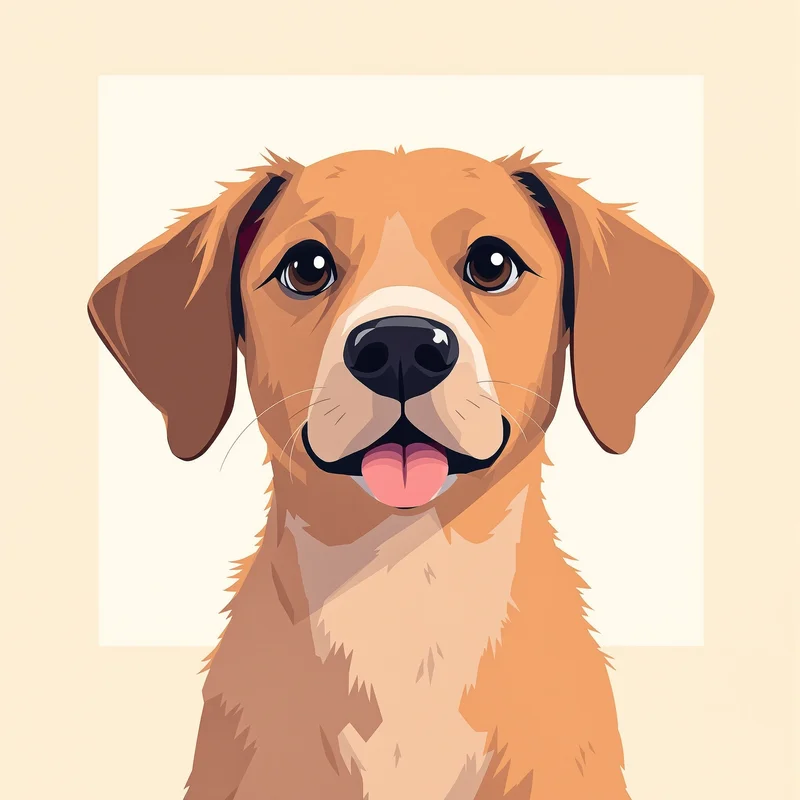
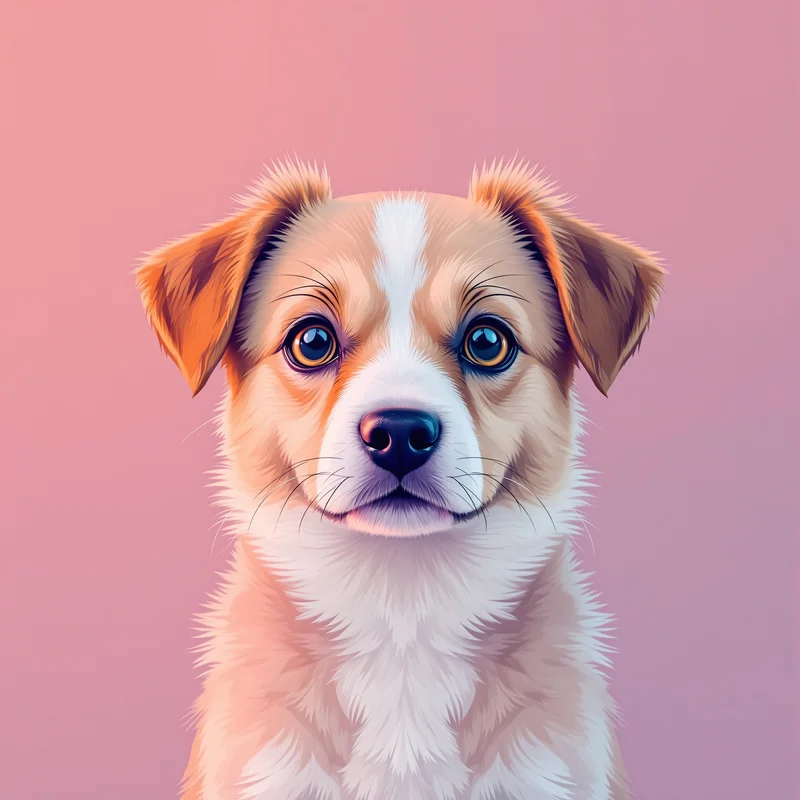
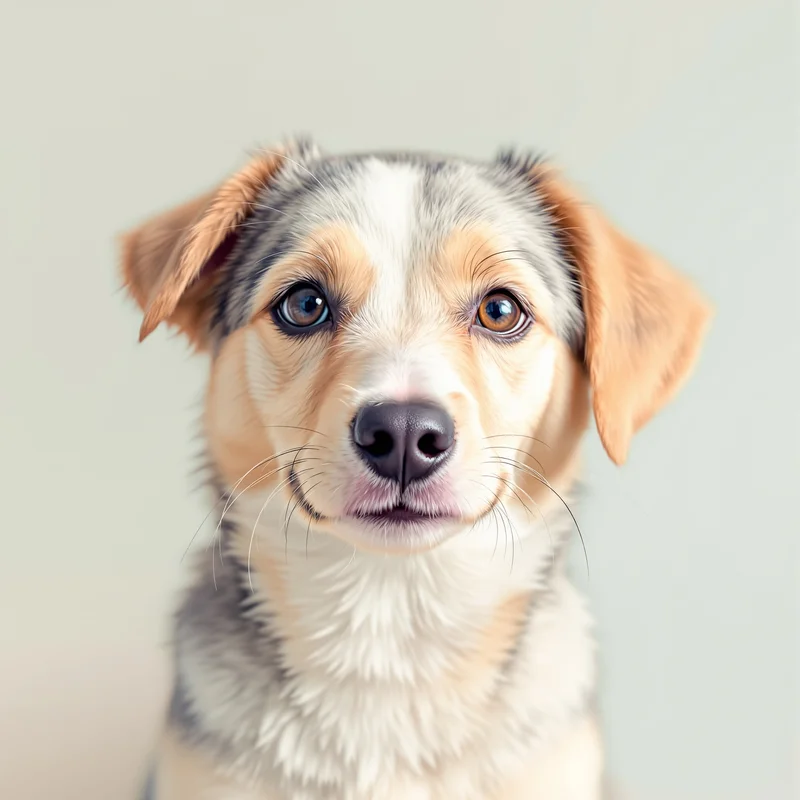

Animals PFP – Profile Identity Through Animal Energy and Recognition
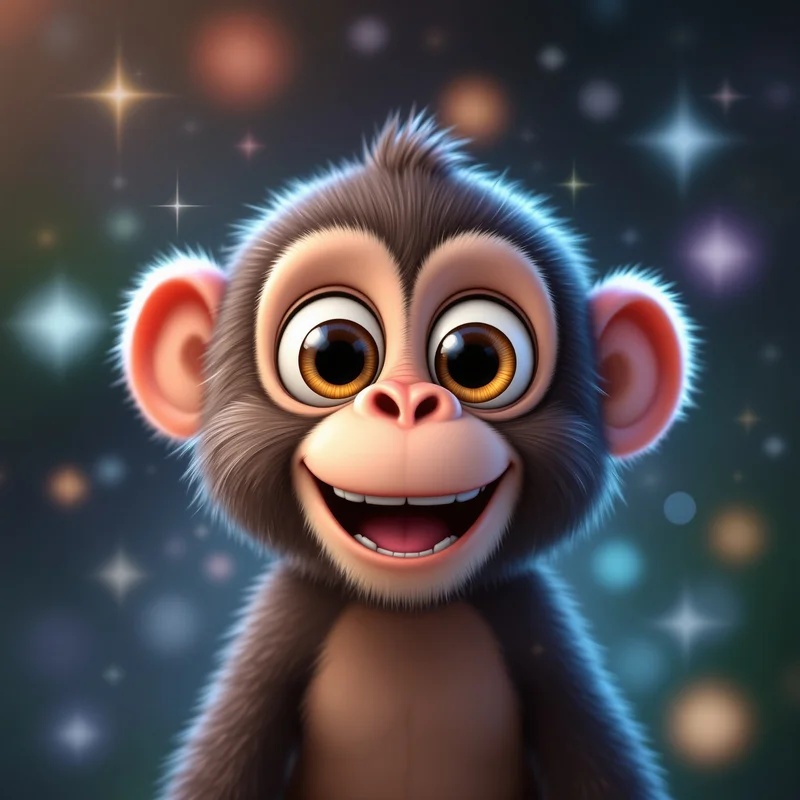
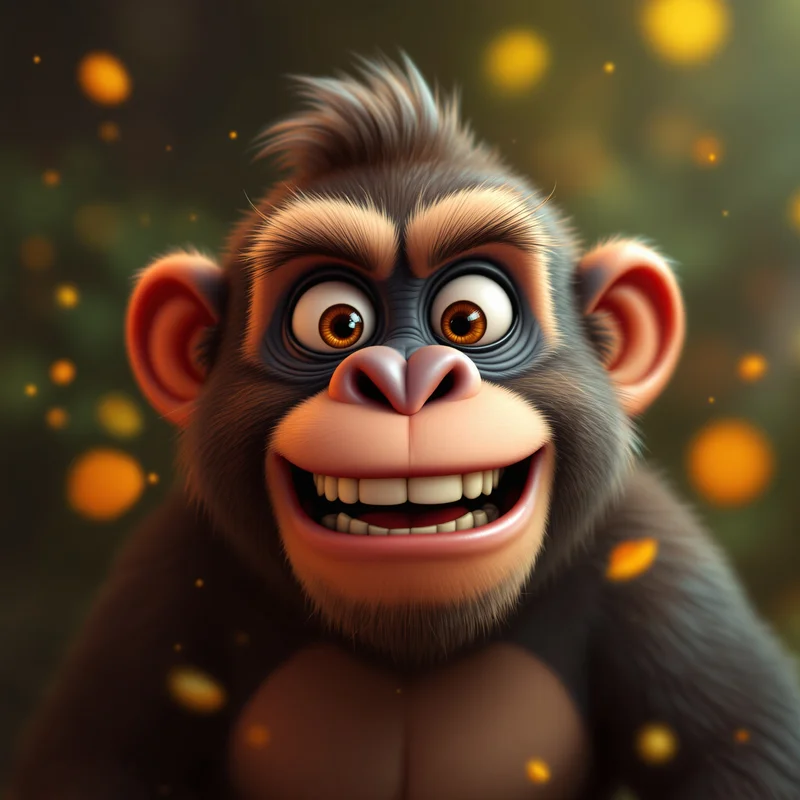
Animals PFP is one of the most flexible identity hubs in the entire avatar system because animal-based profile pictures can communicate personality fast without needing a human face or a famous character. A cat avatar can feel calm, sarcastic, elegant, or emotionally distant. A dog avatar can feel loyal, warm, bright, or playful. A monkey PFP can feel chaotic, clever, curious, or funny. A hamster PFP can feel soft, adorable, and emotionally inviting. This range is exactly why animal-based avatars work so well in profile culture.
Unlike some identity systems that depend heavily on one mood or one visual style, Animals PFP functions as a broad parent hub. It helps users discover different animal identity paths instead of treating all animal avatars as one flat category. Some users want a profile that feels soft and comforting. Others want energetic chaos, playful weirdness, or stronger symbolic presence. The animal category can support all of those directions while still staying highly readable in profile use.
This is what makes Animals PFP a true parent entity rather than just an image collection. It organizes multiple branches of animal identity into a structured discovery layer. Each child hub carries a different emotional logic and recognition style, and together they create a larger taxonomy of how animal avatars behave across social profiles, gaming platforms, messaging apps, and community spaces.
Why Animal Avatars Work So Well for Profile Pictures
Animal avatars work because they communicate quickly. Even without text, users often assign personality traits to animals almost instantly. Cats can suggest coolness, independence, elegance, or irony. Dogs often feel warm, loyal, and open. Monkeys can signal energy, unpredictability, or humor. Hamsters can create softness, cuteness, and friendly emotional warmth. This immediate emotional coding makes Animals PFP especially effective in environments where the profile image needs to make an impression fast.
There is also a major recognition advantage. Animal faces and silhouettes often remain readable at small sizes, especially when the crop is clean and the expression is clear. That gives animal-based profile pictures a strong practical value. They do not only look good in full size. They stay memorable inside circles, feeds, lists, and repeated social interactions.
Another reason animal avatars perform well is emotional safety with personality. Many users want a profile that feels expressive without becoming too personal or too exposed. Animals solve that problem well. They let users project mood and character while keeping a bit of distance. This makes the category highly versatile across many profile behaviors.
Animals PFP as a Parent Hub
The Animals PFP hub should function as a taxonomy page first and a gallery second. Its job is to help users move from broad animal-based intent into more specific profile identity routes. Some users will arrive knowing they want a cat or a dog. Others will only know they want something cute, playful, wild, or emotionally warm. The parent hub exists to make those choices easier and more structured.
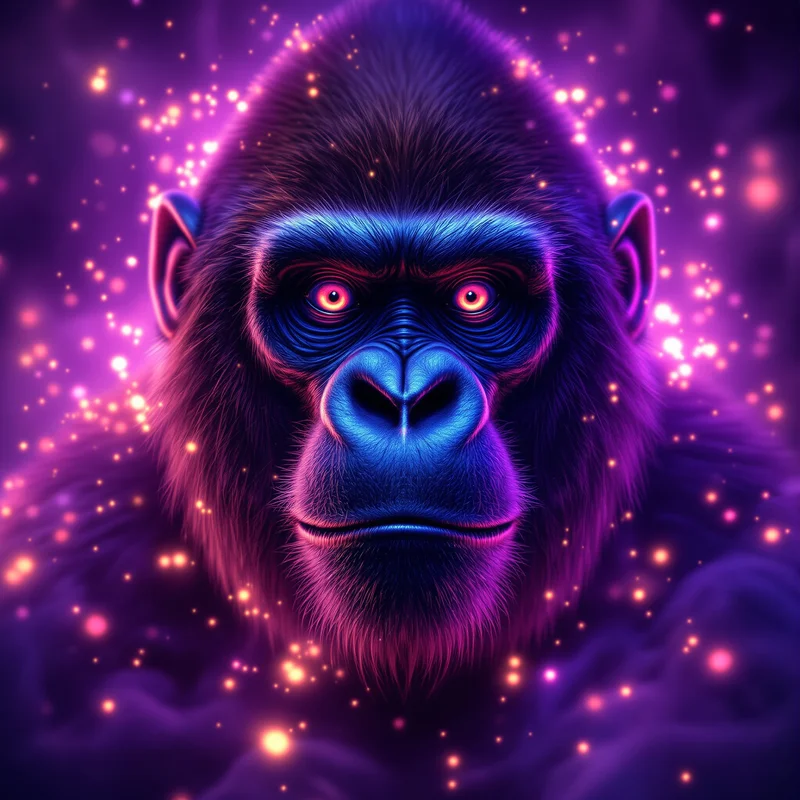
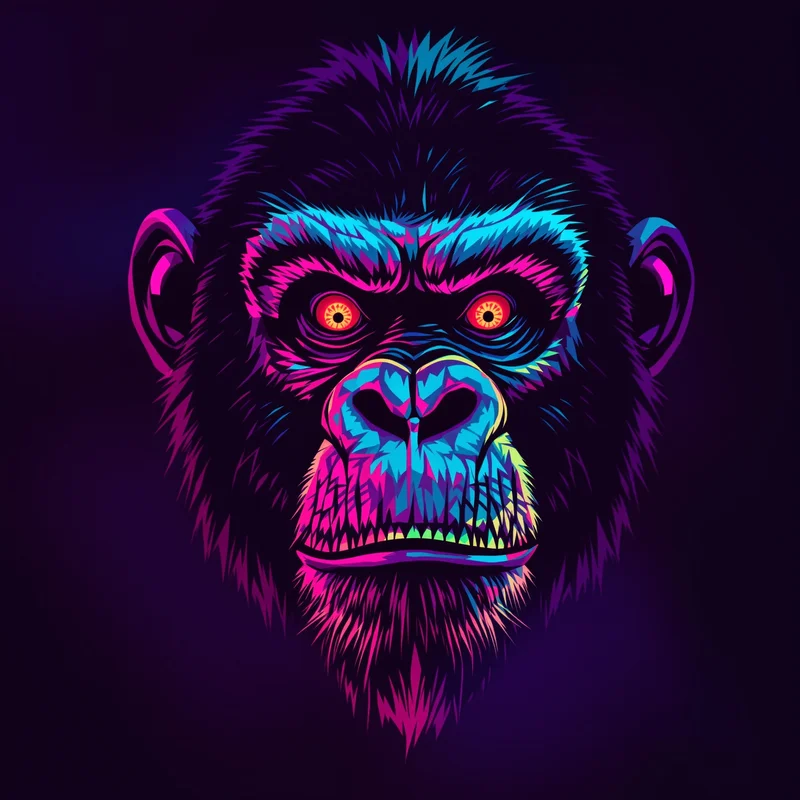
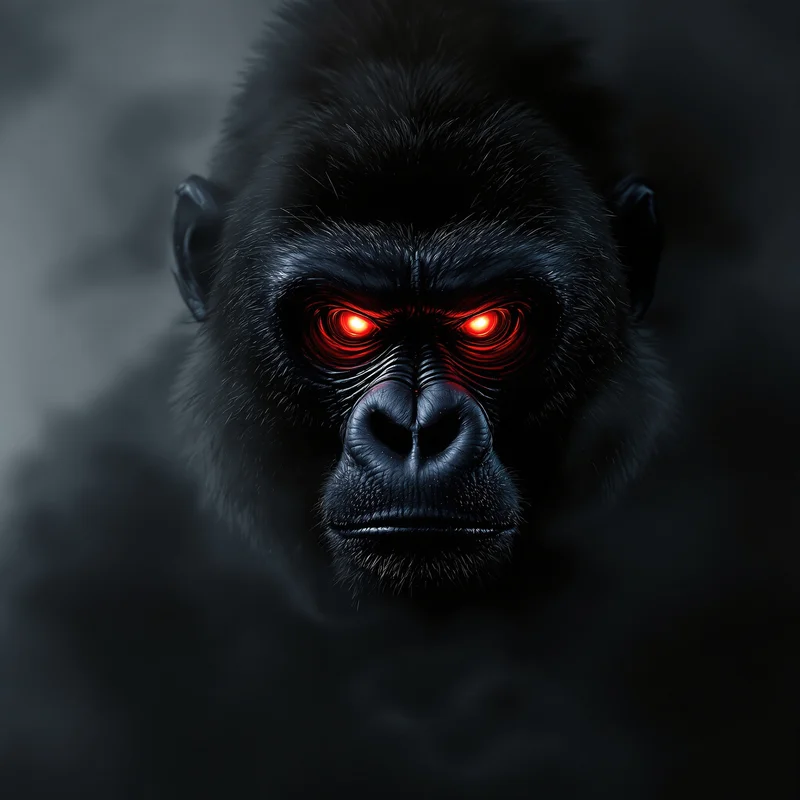
That is why the child pages matter so much. Cats PFP and Dogs PFP represent two of the most common and emotionally broad animal identity systems. Monkey PFP expands into playful intelligence and chaos. Hamster PFP adds softness and adorable visual warmth. Gorilla Tag PFP brings a more game-driven branch into the animal cluster, combining creature identity with gaming culture. Each one serves a distinct type of user intent, and together they build the semantic strength of the parent hub.
Representative Animals PFP Gallery
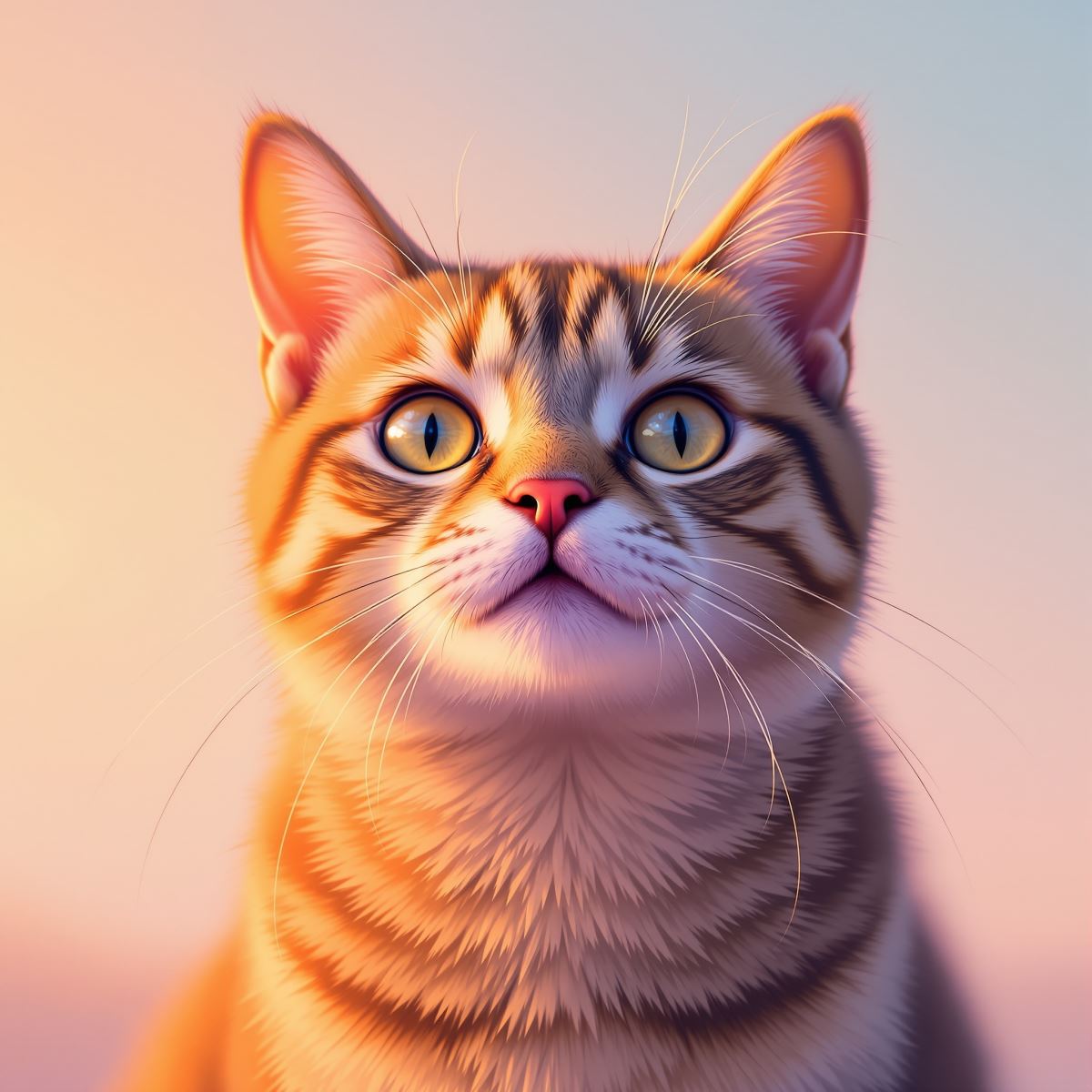
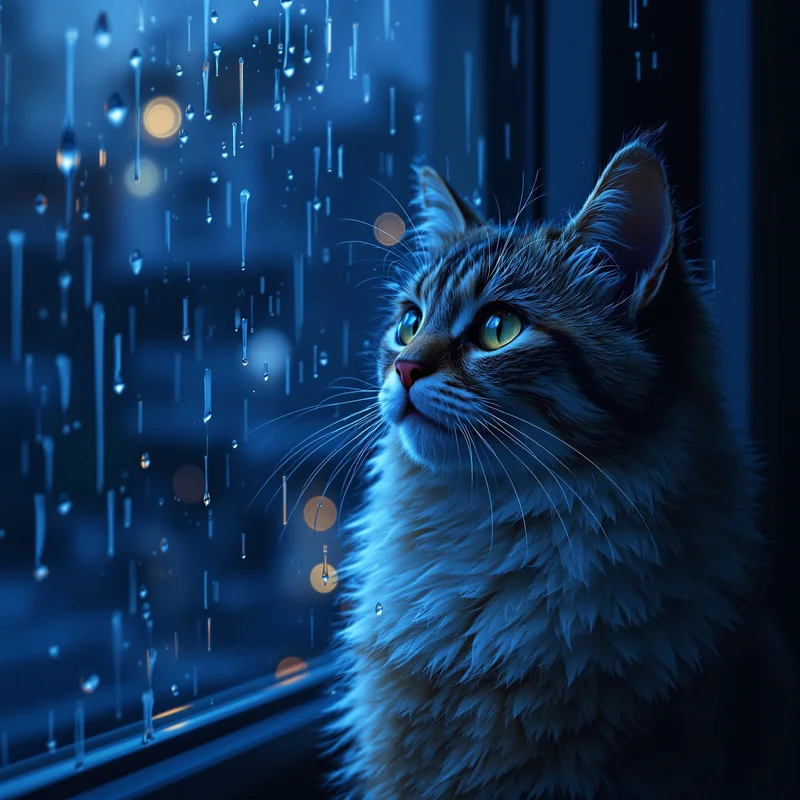
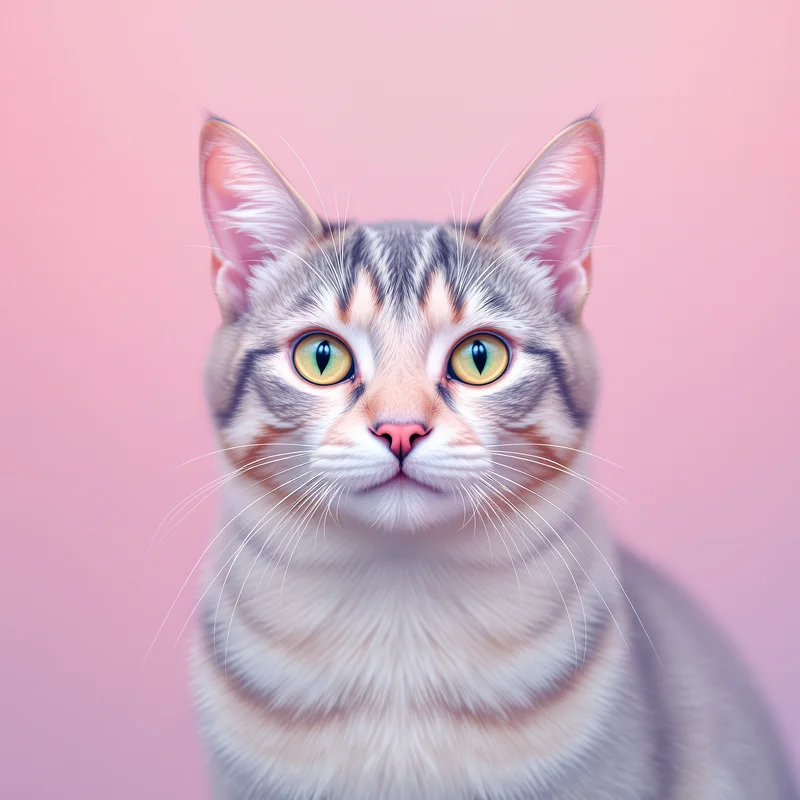
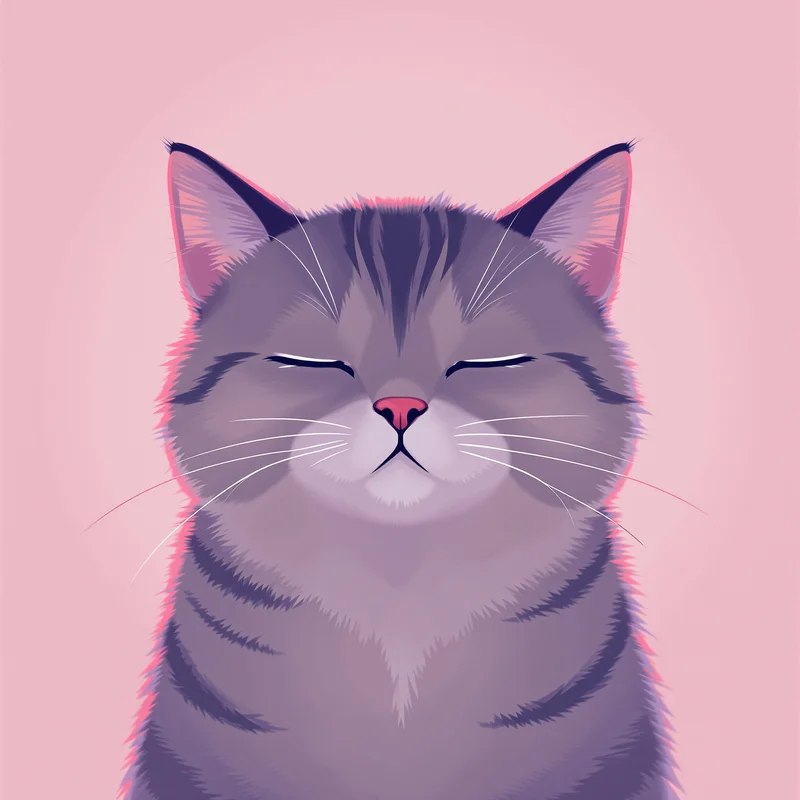
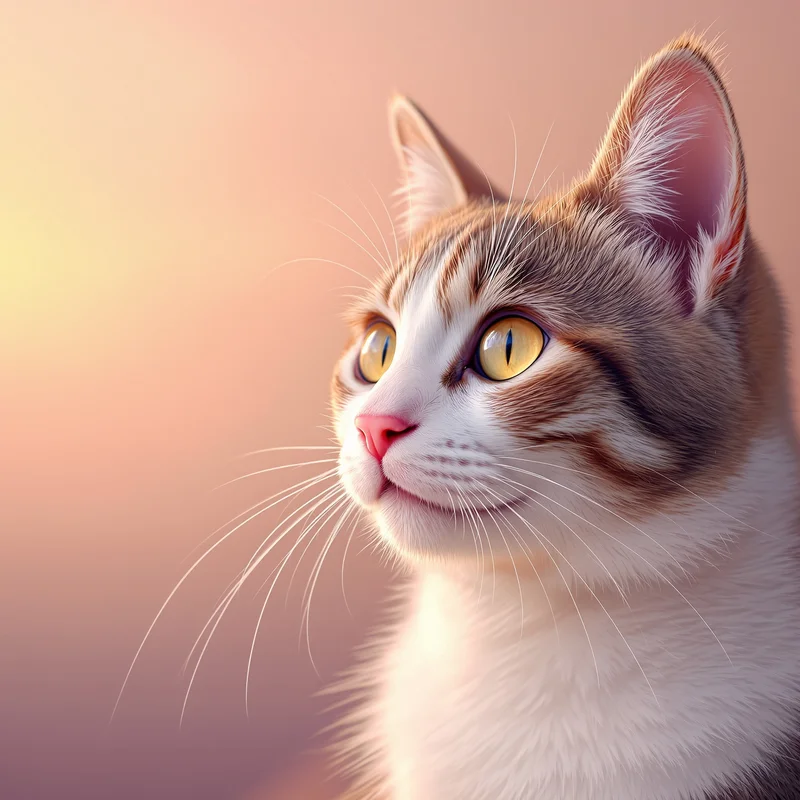
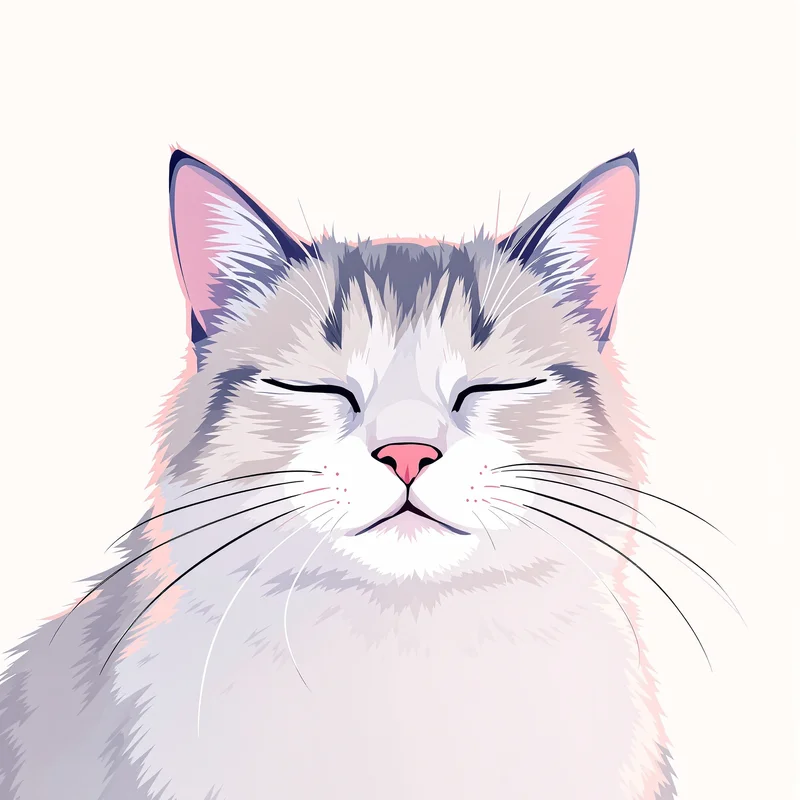
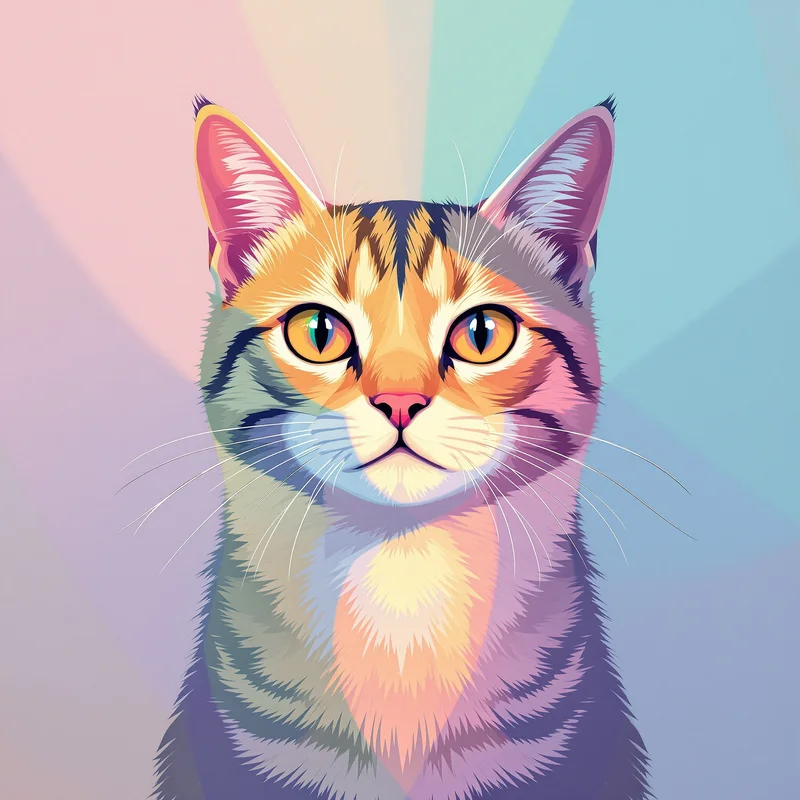
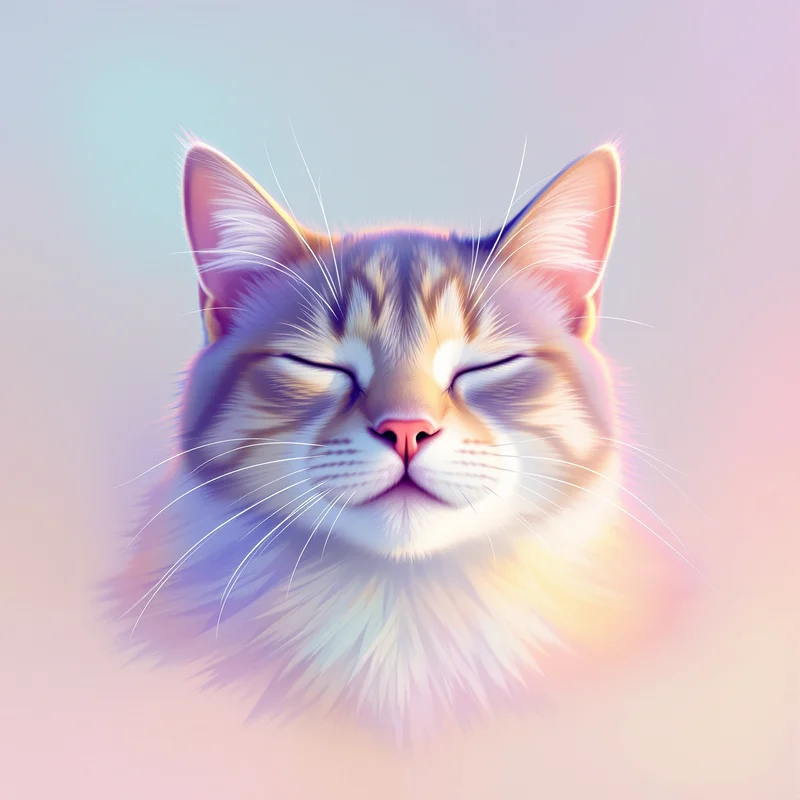
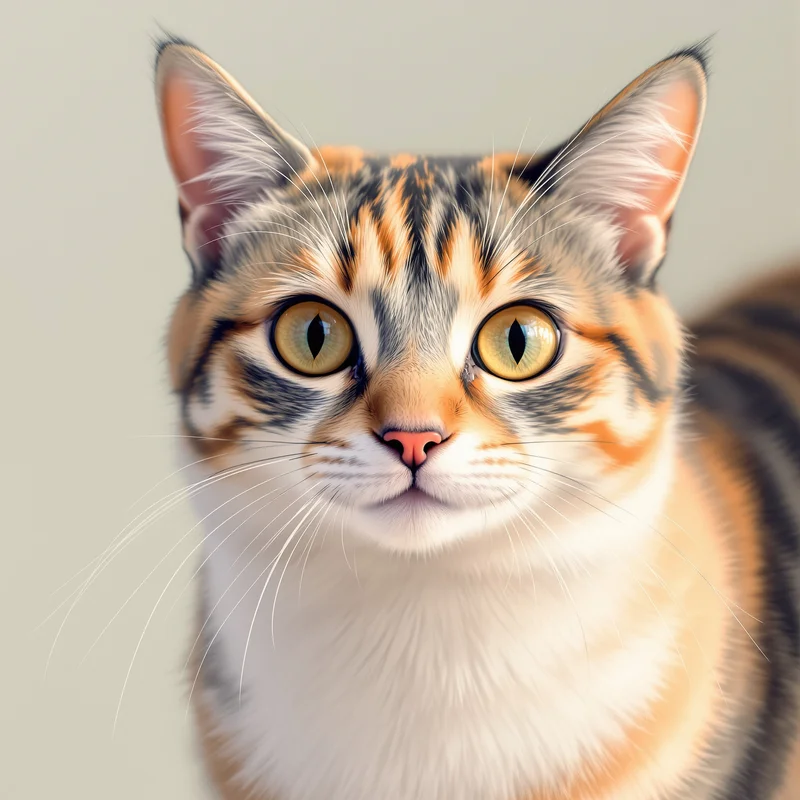
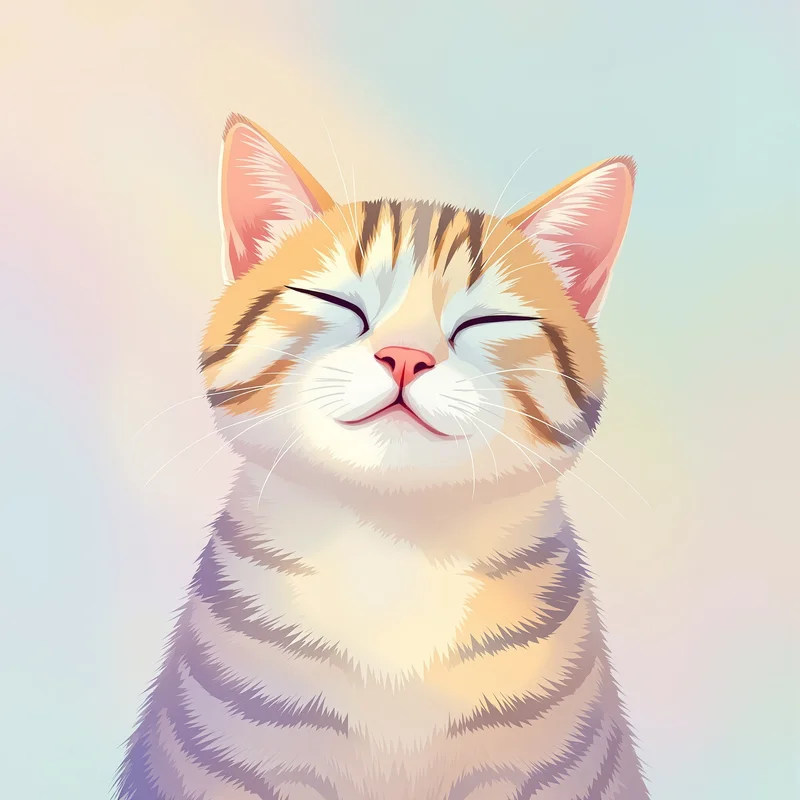
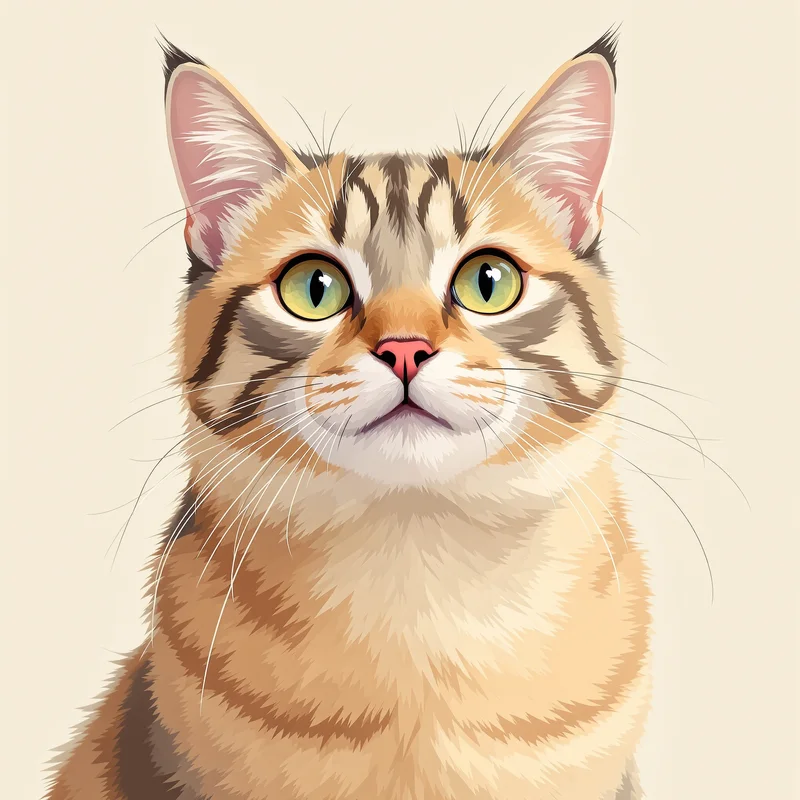
This kind of animal avatar gives the profile a calmer and more elegant emotional signal, helping it feel softer without losing recognition.
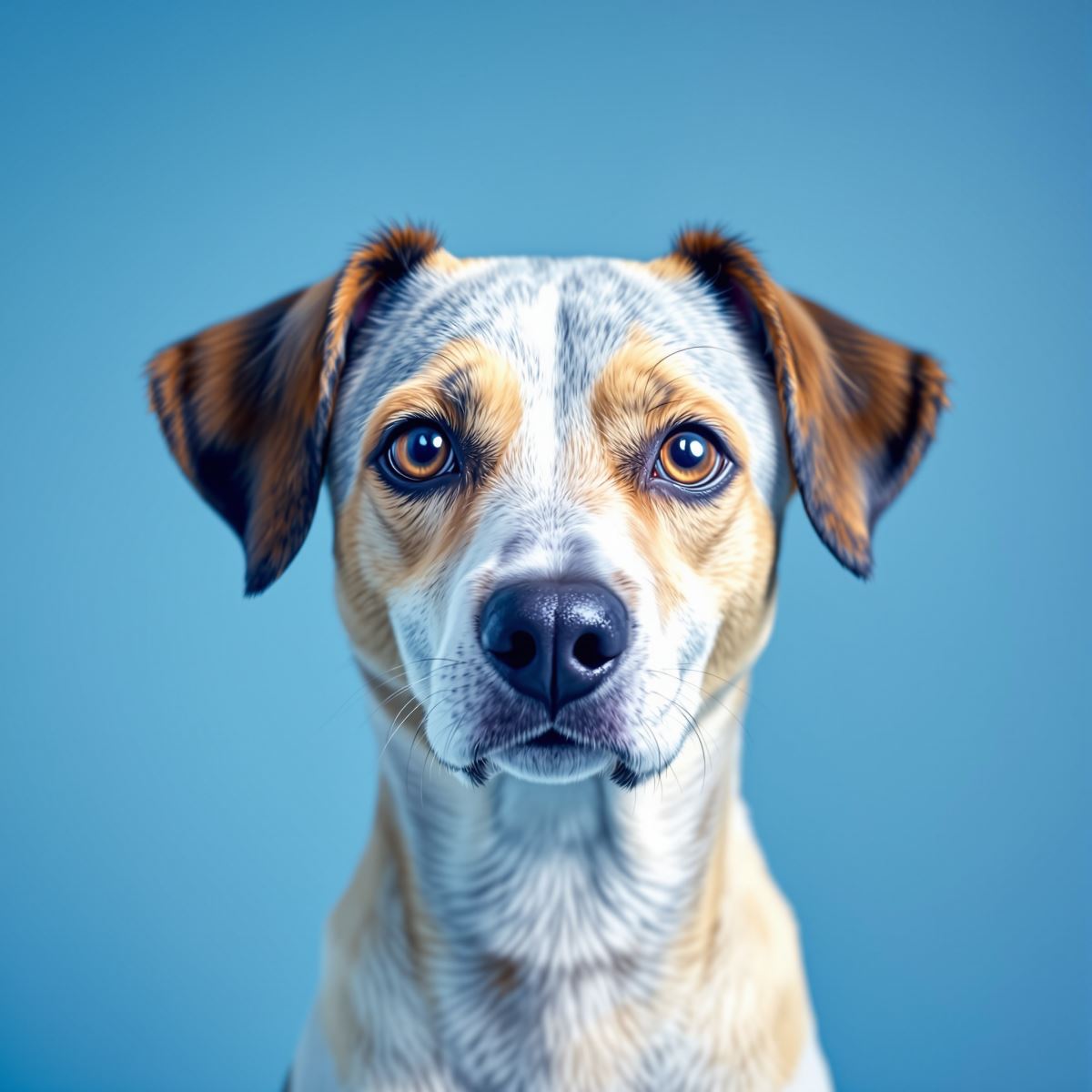
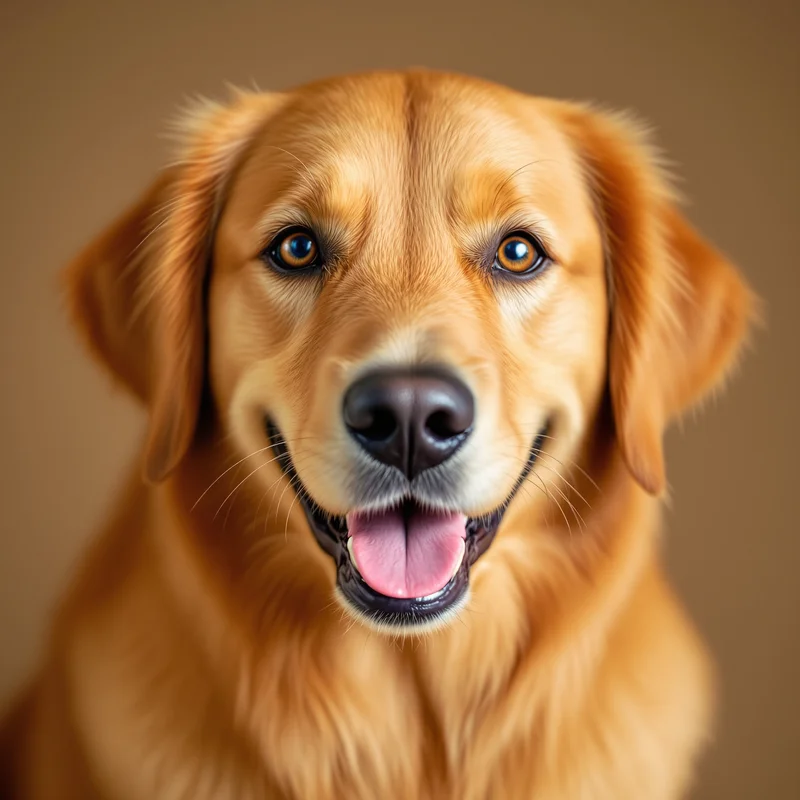
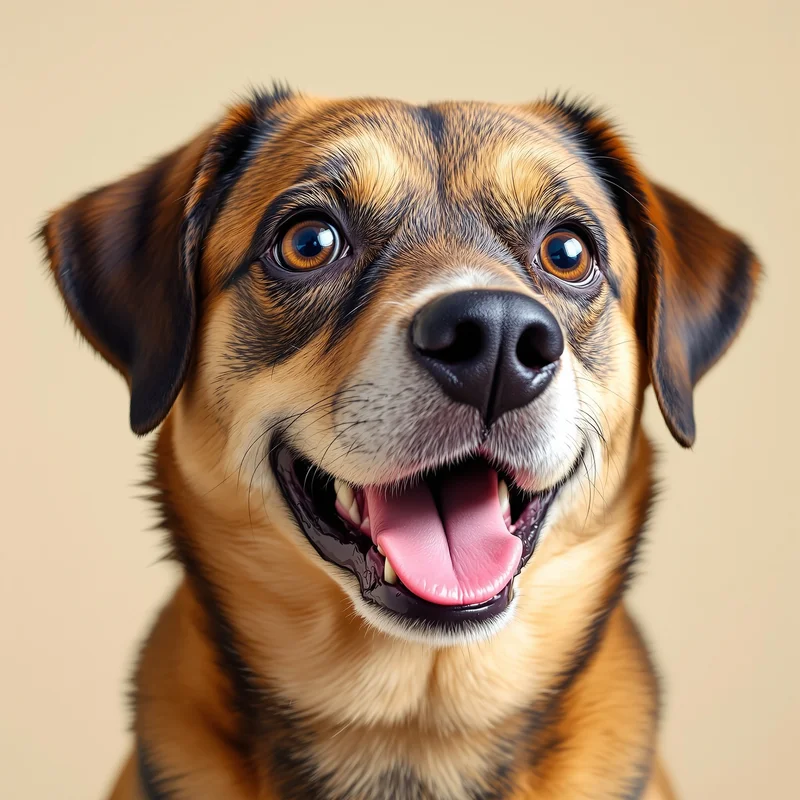
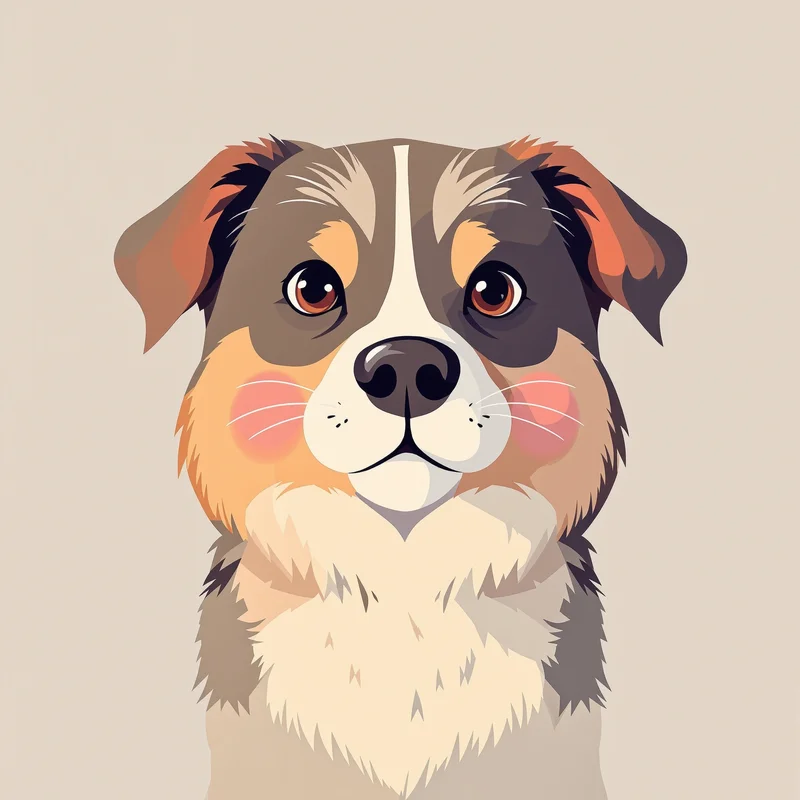
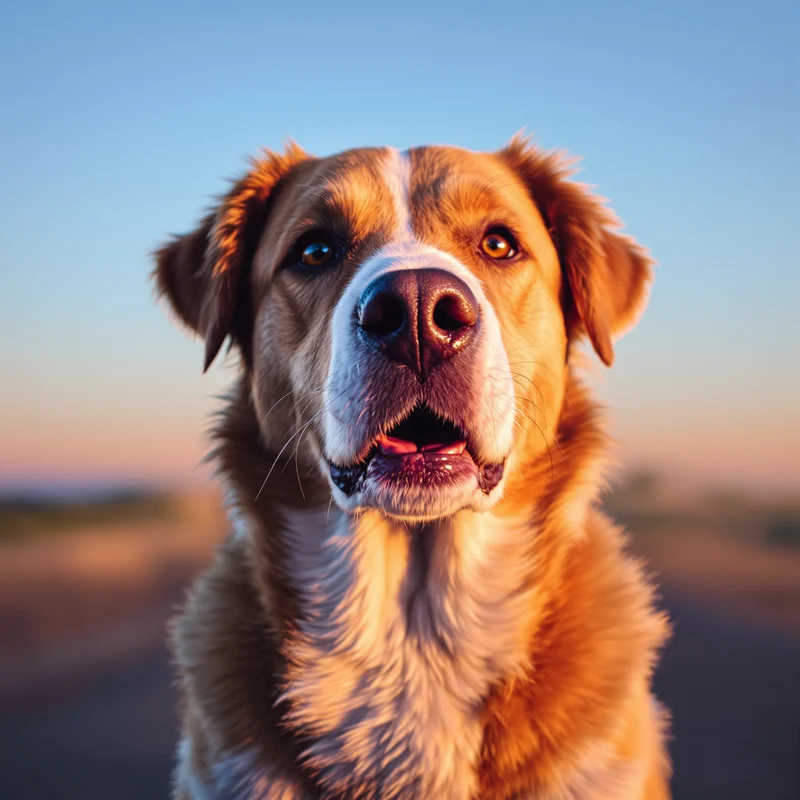
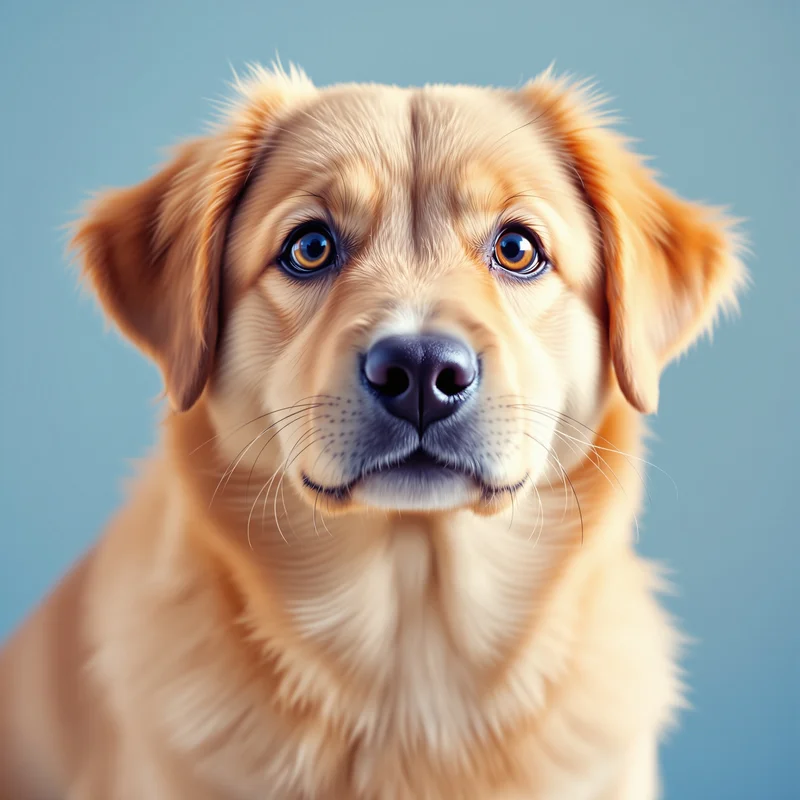
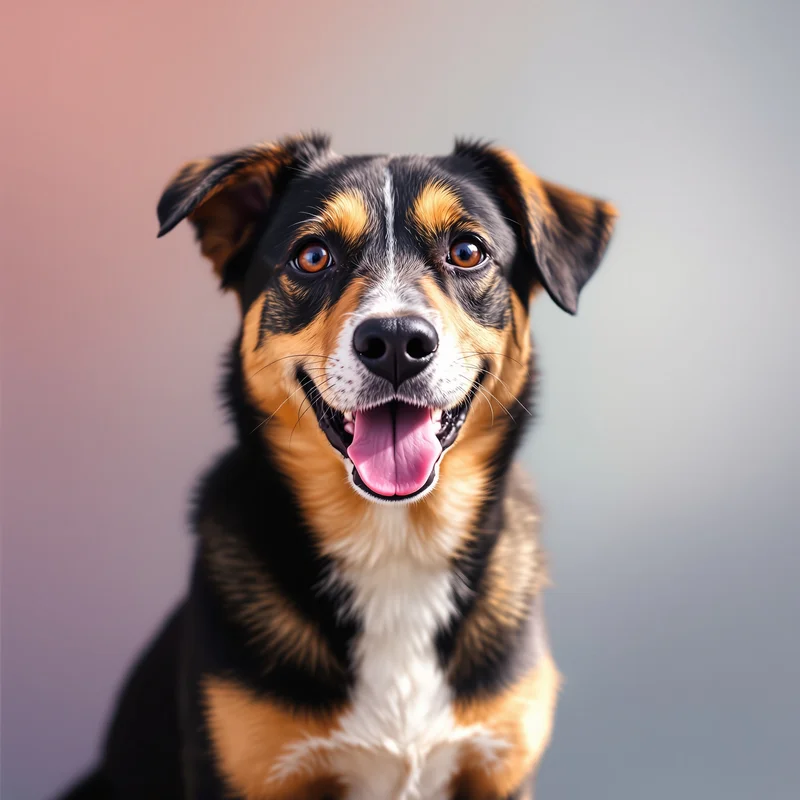
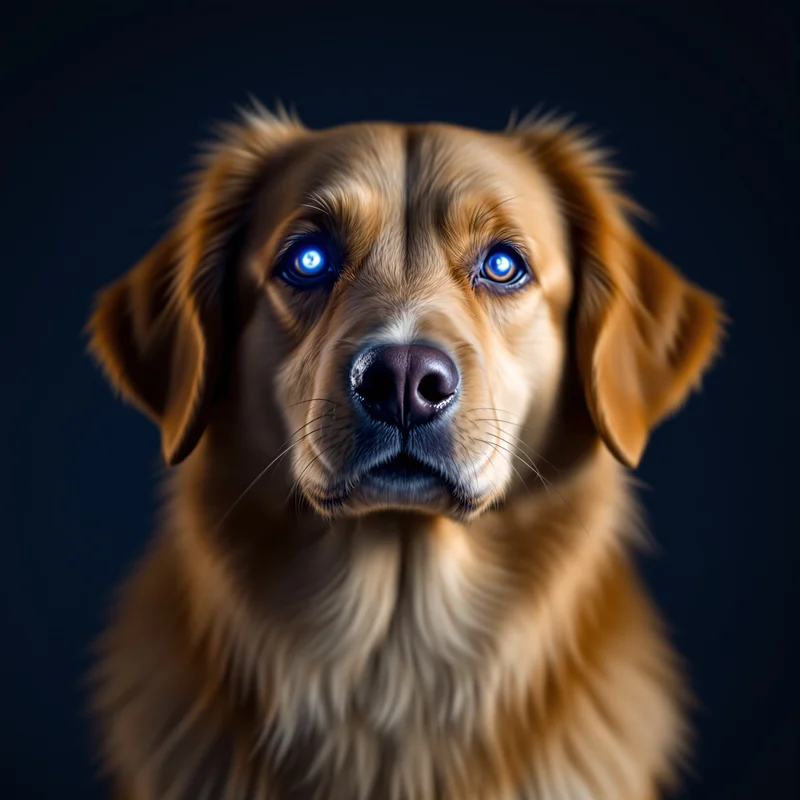
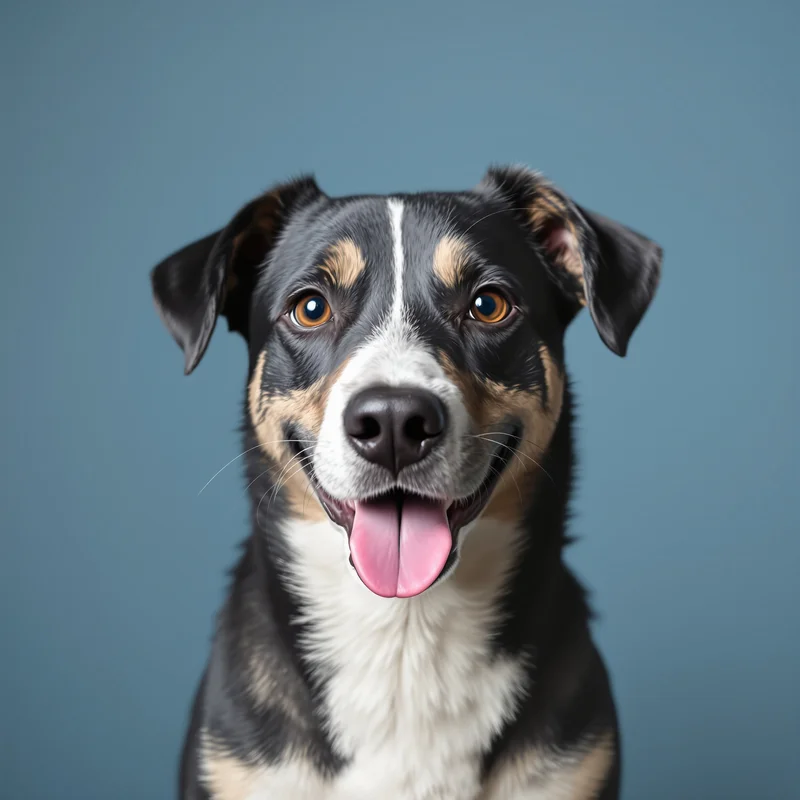
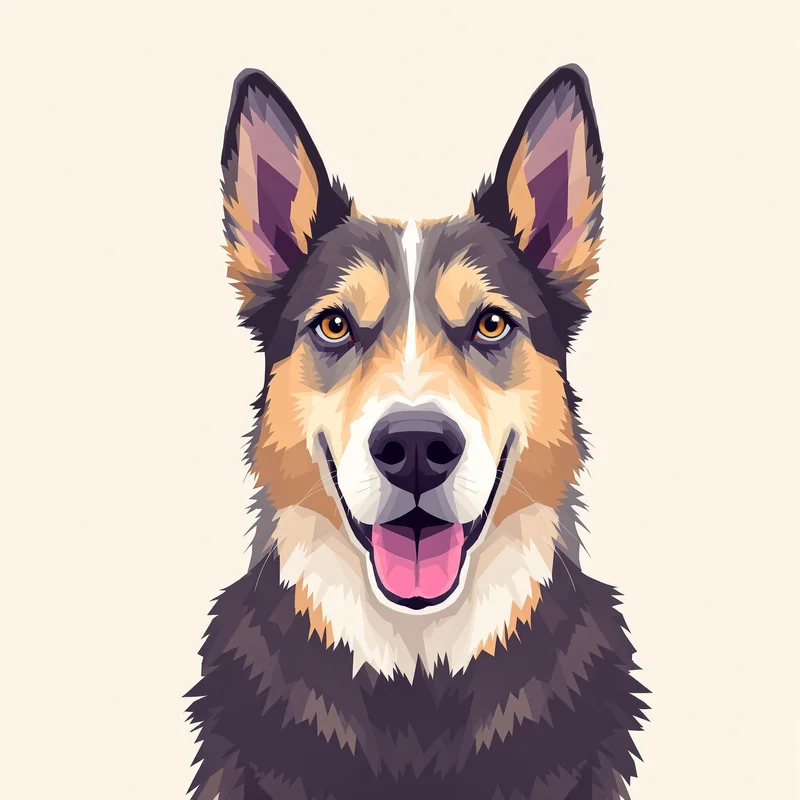
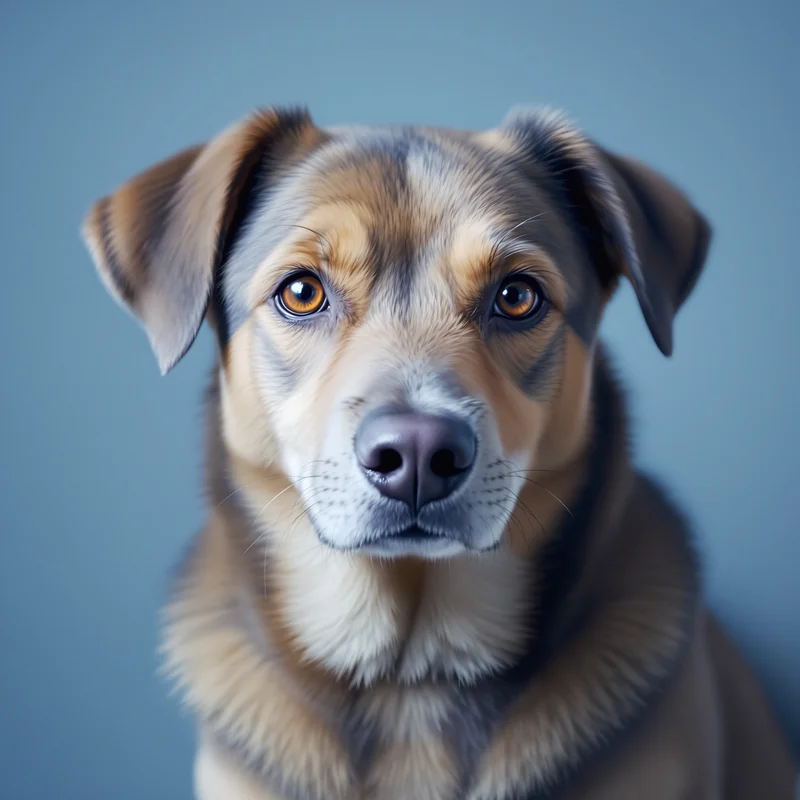
A dog-based profile image like this creates a warmer and more approachable presence, making the account feel friendlier and easier to connect with.
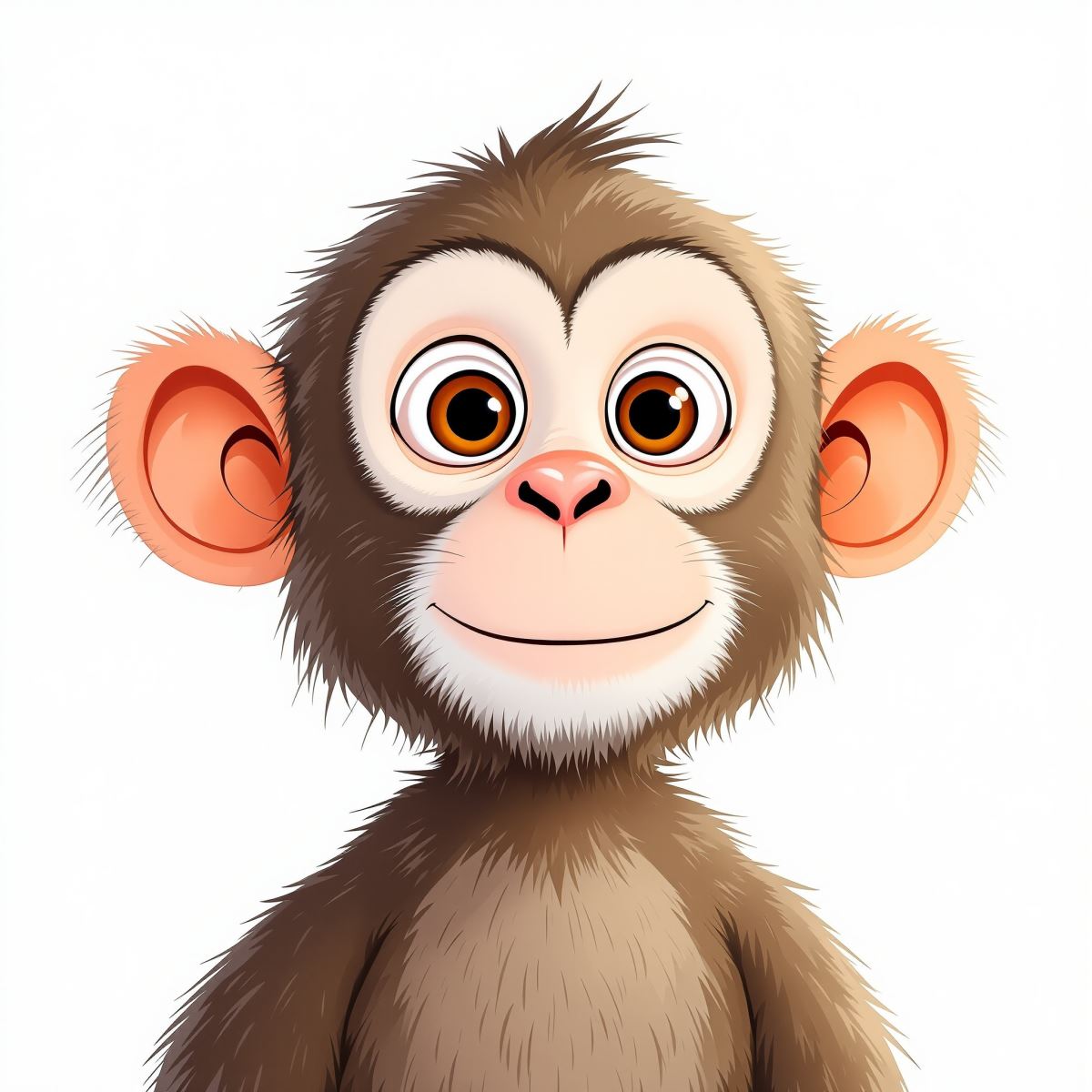
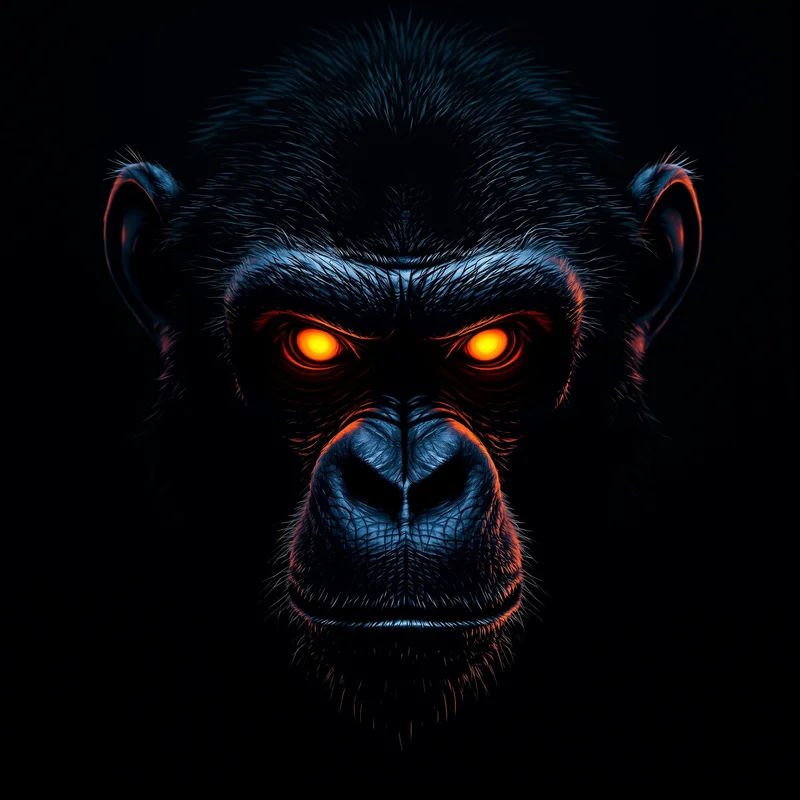
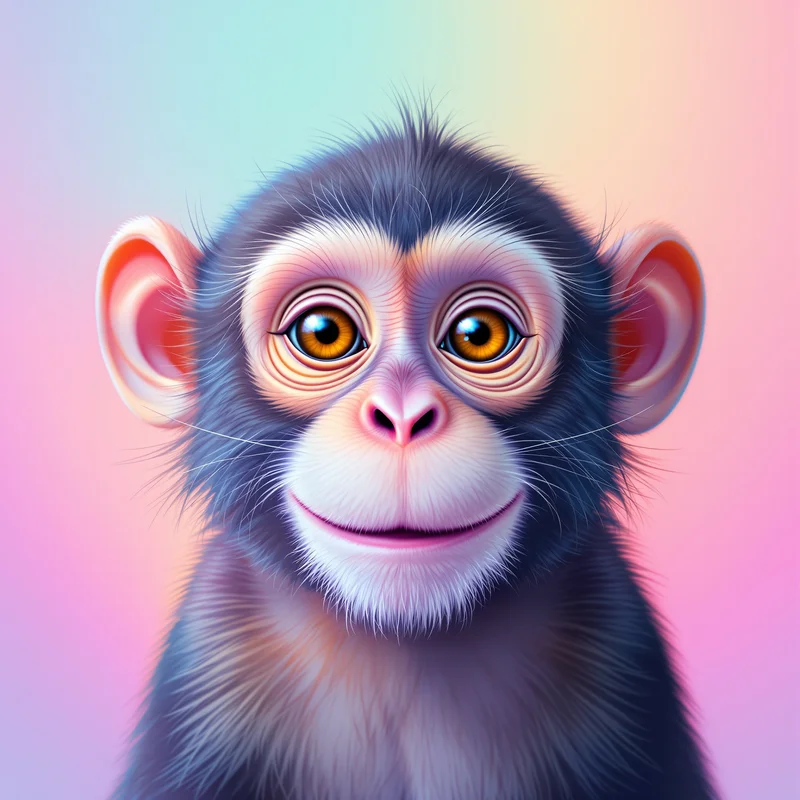
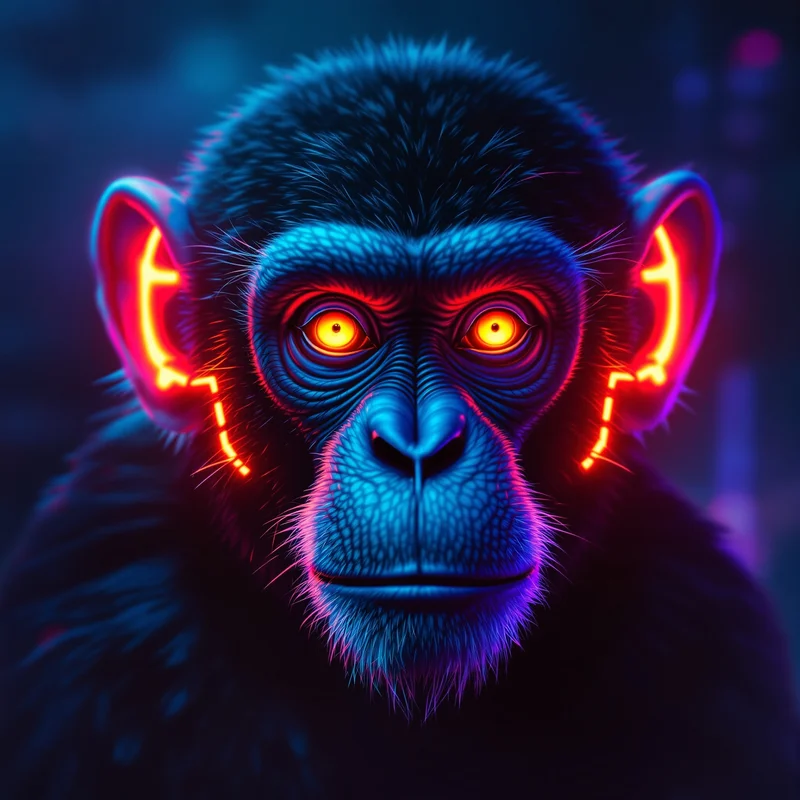
This style adds playful movement and curiosity, giving the profile more energy and a more unpredictable emotional tone.
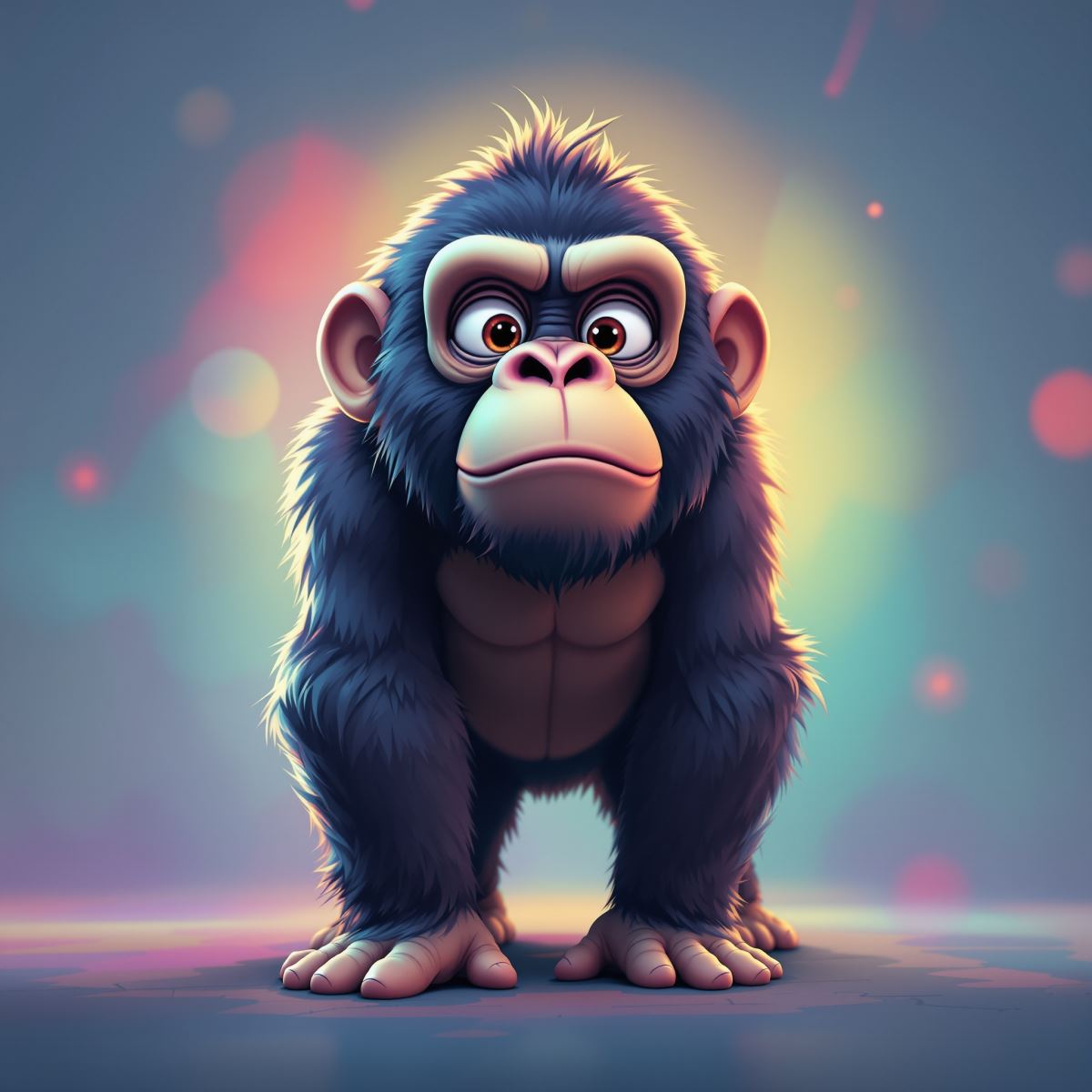
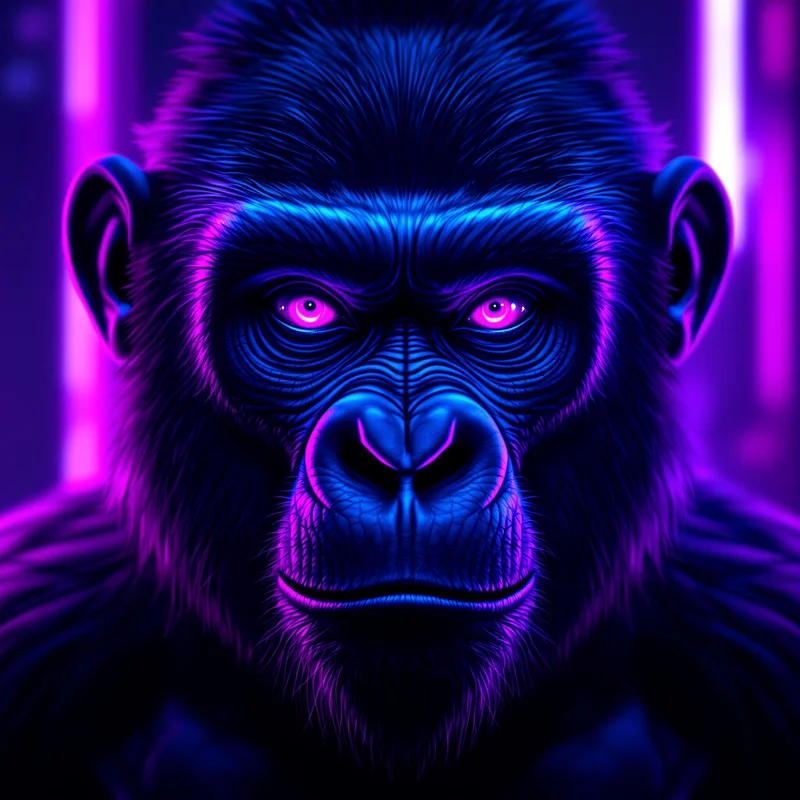
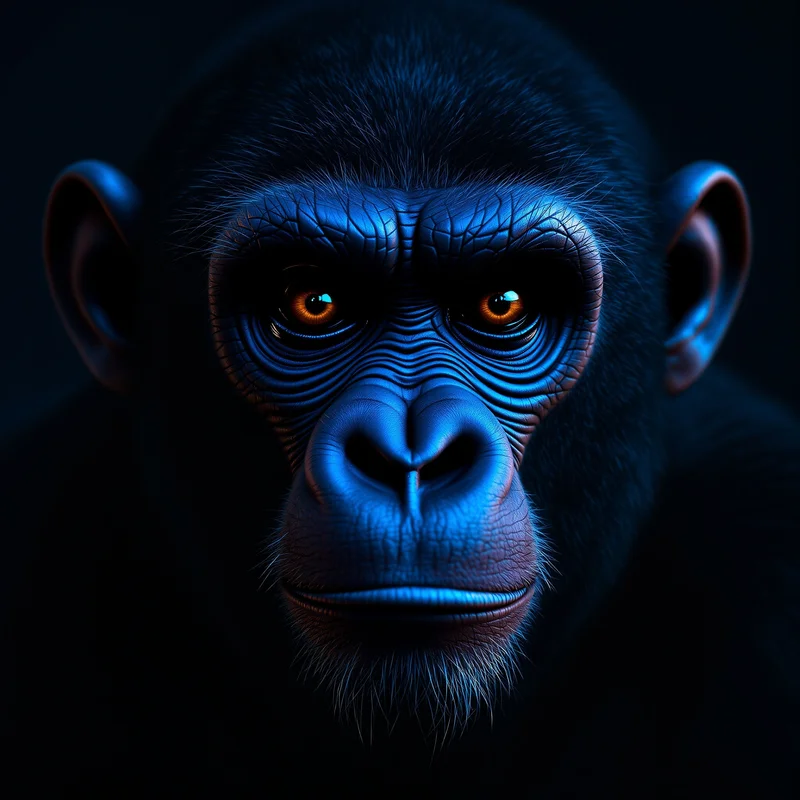
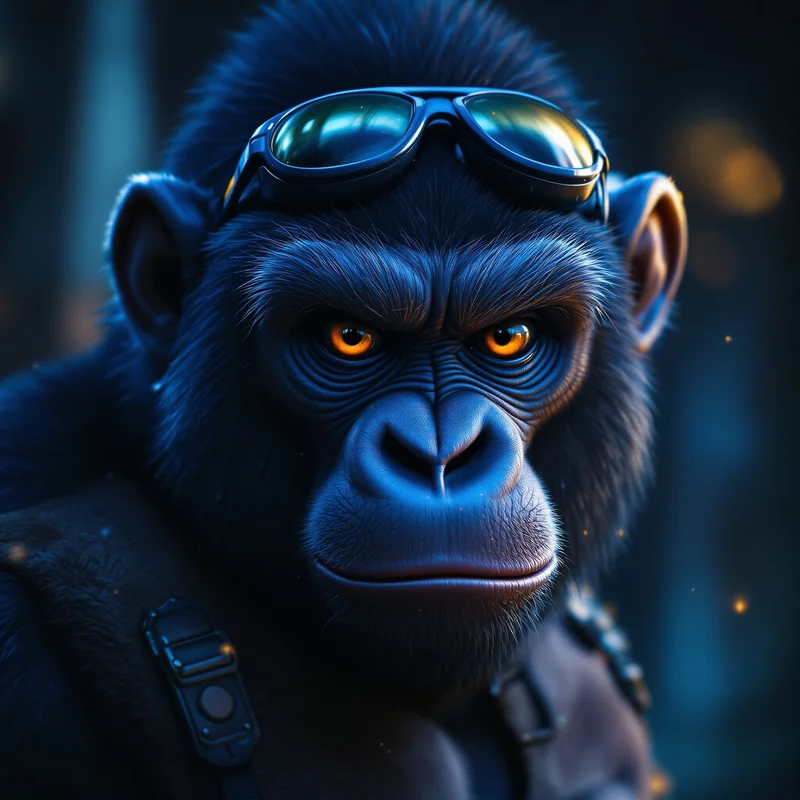
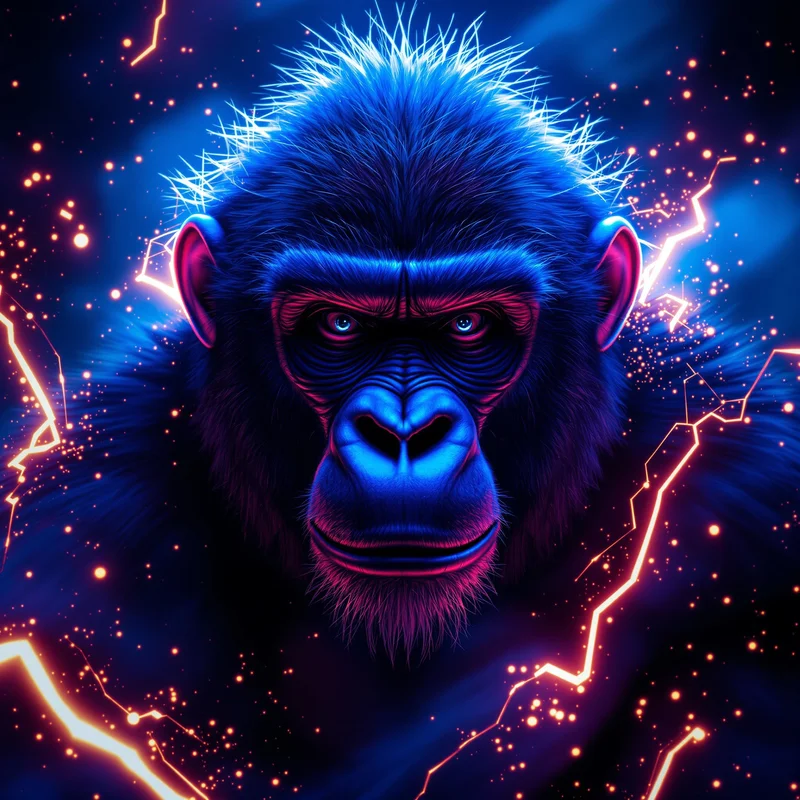
A gaming-driven animal direction like this creates stronger intensity and subcultural recognition, making the profile feel more specific and more active.

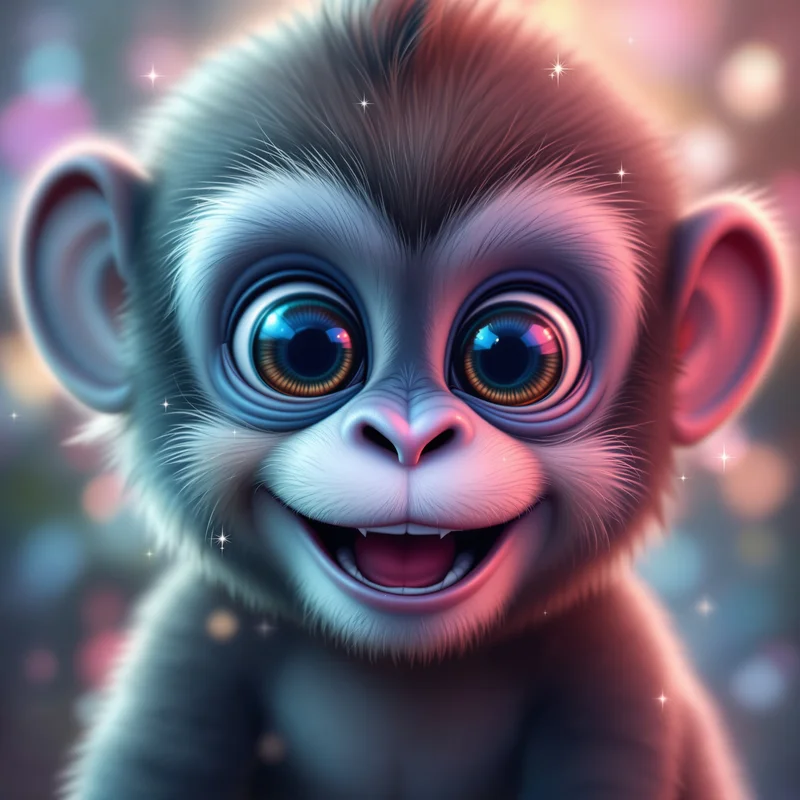
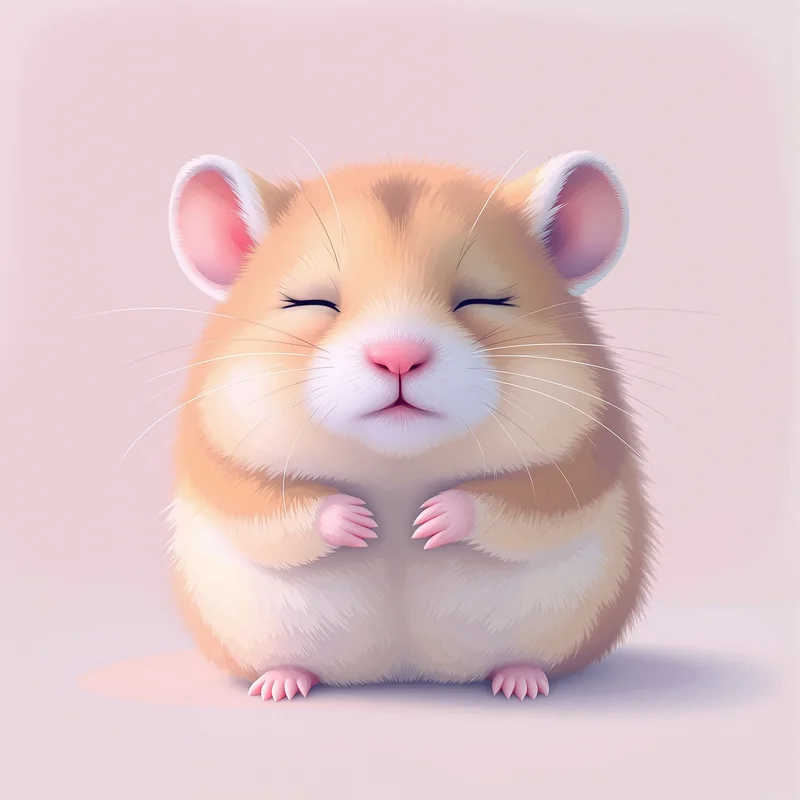
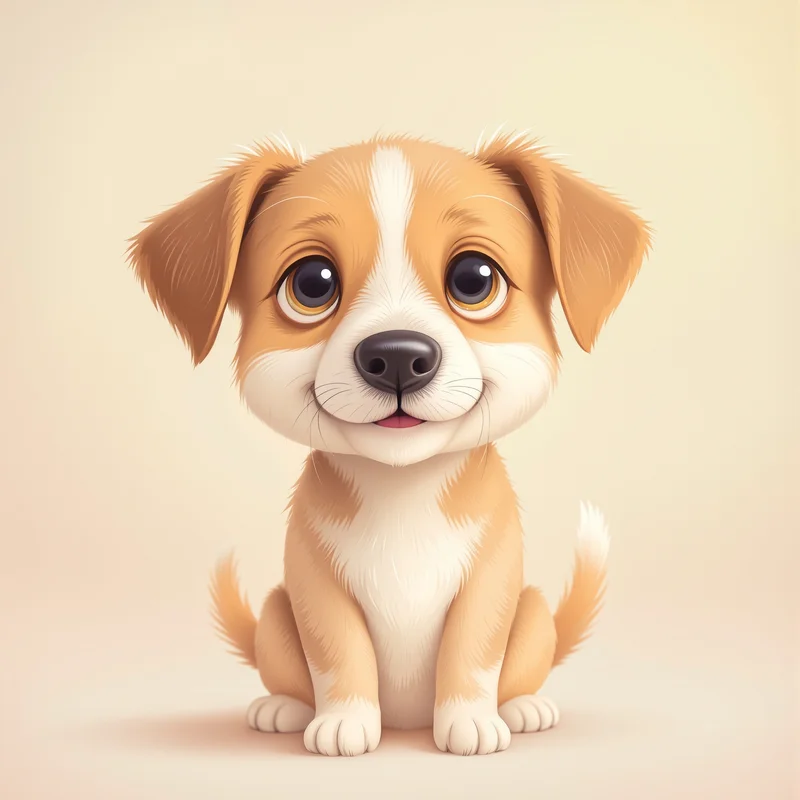
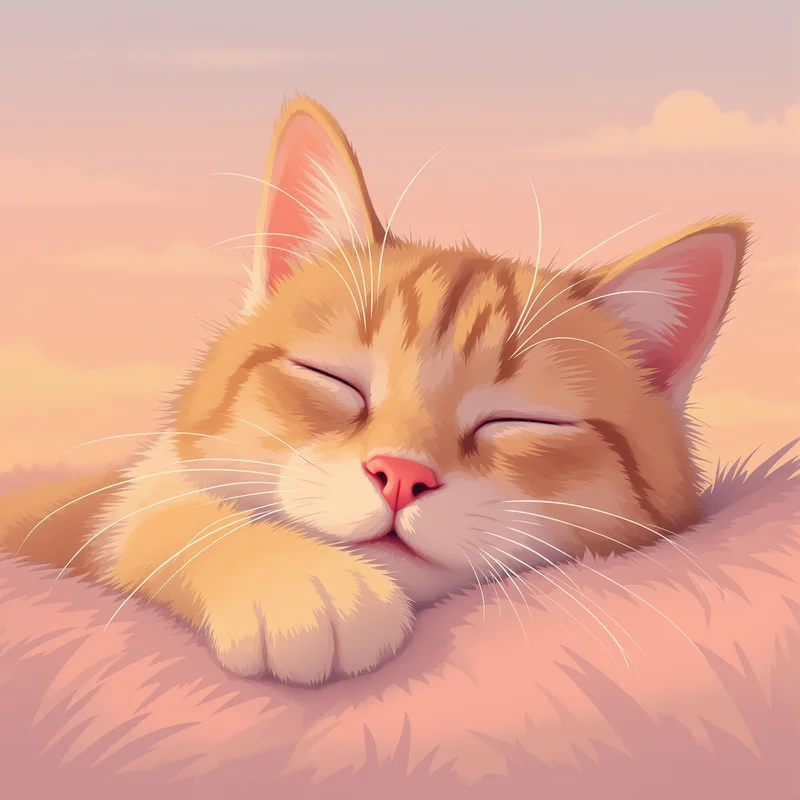
This kind of avatar pushes softness and cute energy first, helping the profile feel more welcoming, playful, and emotionally bright.
Core Animal Identity Paths Inside This Hub
Each child hub inside Animals PFP serves a different identity route. Cats PFP usually supports calmer, cooler, more ironic, or more aesthetic animal identities. Dogs PFP tends to push warmth, friendliness, loyalty, and expressive openness. Monkey PFP usually works for chaotic, funny, clever, or high-energy profile tones. Hamster PFP supports cute, soft, safe, and emotionally warm identity. Gorilla Tag PFP creates a more game-linked path that mixes animal symbolism with active multiplayer culture.
This structure matters because users do not all want the same emotional result. Some want an avatar that feels adorable. Others want something more detached or more playful. The parent hub should make those routes visible so the user can move from broad animal intent into the exact profile identity that fits them best.
How to Choose the Right Animals PFP
Start with emotional direction. Do you want your profile to feel calm, loyal, playful, cute, chaotic, bright, ironic, or game-driven? That question matters more than just picking the animal you like most. A strong animal avatar should match the tone of your account, not work against it.
Then think about recognition. Some users need a broad emotional animal type like cat or dog. Others want something more unusual or more specific, like monkey, hamster, or Gorilla Tag. The right choice depends on how much symbolic precision you want in your profile identity.
Finally, think about memory. The best Animals PFP is not only visually nice. It becomes something people connect to your account after repeated exposure. That is why expression, composition, and emotional consistency matter so much inside this hub.
Featured Animals PFP Hubs
FAQ
What is Animals PFP?
Animals PFP is a parent category for animal-based profile pictures and avatars used to express personality, emotional tone, and recognizable visual identity across platforms.
Why are animal avatars popular for profile pictures?
Animal avatars are popular because they create fast emotional recognition, strong memorability, and flexible identity without requiring a human face or a specific famous character.
Should I choose a common animal like a cat or dog, or a more specific style like monkey or hamster?
Choose a common animal if you want broad emotional familiarity. Choose a more specific style if you want a tighter and more distinctive profile identity signal.
What makes a strong Animals PFP?
A strong Animals PFP uses readable composition, clear emotional direction, and enough visual distinction that the avatar stays memorable after repeated viewing.