Aesthetic



























Aesthetic PFP – Mood, Style, and Identity in Profile Form
Aesthetic PFP is one of the most important parent hubs in the entire avatar system because it is built around mood-first identity. Unlike character hubs that depend on a specific figure or animal hubs that rely on symbolic personality, aesthetic profile pictures work through atmosphere, visual tone, and emotional styling. The user is not always choosing who they are. Very often, they are choosing how they want their profile to feel.
That is what makes Aesthetic PFP so powerful. It allows users to project softness, nostalgia, sweetness, drama, irony, hyper-style, or spiritual symbolism without needing a literal face or a famous character to carry the whole identity. In profile culture, this matters a lot. Many users want a visual signal that feels emotionally precise, but not overly direct. Aesthetic PFP gives them that layer of emotional control.
This hub works as a true parent category because aesthetic identity is not one thing. It breaks into multiple style branches, each with its own mood system, social meaning, and profile behavior. A preppy PFP feels bright, playful, and polished. A Y2K PFP often feels glossy, nostalgic, digital, and more stylized. A coquette PFP leans delicate, romantic, soft, and ornamented. A scene PFP carries louder contrast, cyber emotion, and dramatic visual rebellion. Even Jesus PFP enters the aesthetic field in a very specific way, bringing symbolic, spiritual, serene, and emotionally elevated identity. Together, these child hubs form a broader map of aesthetic expression.
Why Aesthetic PFP Works So Well as a Parent Hub
Aesthetic avatars work because they communicate mood quickly. People do not always need to understand the exact source of the image to understand the feeling. A profile can feel soft, dreamy, nostalgic, dark, flirty, chaotic, polished, or sacred within seconds if the visual language is strong enough. That emotional speed makes aesthetic-style avatars especially effective in social environments where profile identity must land fast.
There is also a strong flexibility advantage. Aesthetic PFP is not tied to one medium. It can include portraits, symbolic objects, edited compositions, soft color systems, religious imagery, or subculture-driven styles. This gives the user more freedom to build an identity that feels visually rich without being trapped inside one narrow type of avatar.
Another reason aesthetic profile pictures work so well is distance with precision. Many users do not want a profile image that reveals too much of the self directly, but they still want the account to feel emotionally specific. Aesthetic PFP solves that well. It allows mood to stand in for personality. That is why the parent hub matters: it helps users discover the exact style path that matches the emotional temperature of their account.
Aesthetic PFP as a Parent Identity System
The Aesthetic PFP hub should function as a structured discovery page, not just a gallery. Its job is to show that aesthetic identity has multiple branches, each with a different emotional logic. Some users arrive already knowing they want a coquette or Y2K avatar. Others only know they want something “pretty,” “soft,” “cool,” “dramatic,” or “meaningful.” The parent hub helps translate that vague desire into a usable route.
That is why the child pages are so important. Preppy PFP supports bright, polished, upbeat identity. Y2K PFP serves users who want digital nostalgia, shine, and more stylized cultural references. Coquette PFP gives softness, romance, ribbons, and delicate emotional beauty. Scene PFP adds louder cyber contrast, dramatic styling, and rebellious energy. Jesus PFP creates a more symbolic and spiritually coded path, one that feels peaceful, reverent, or visually elevated rather than trend-driven. All of them belong here because they are style-first identity systems.
Representative Aesthetic PFP Gallery

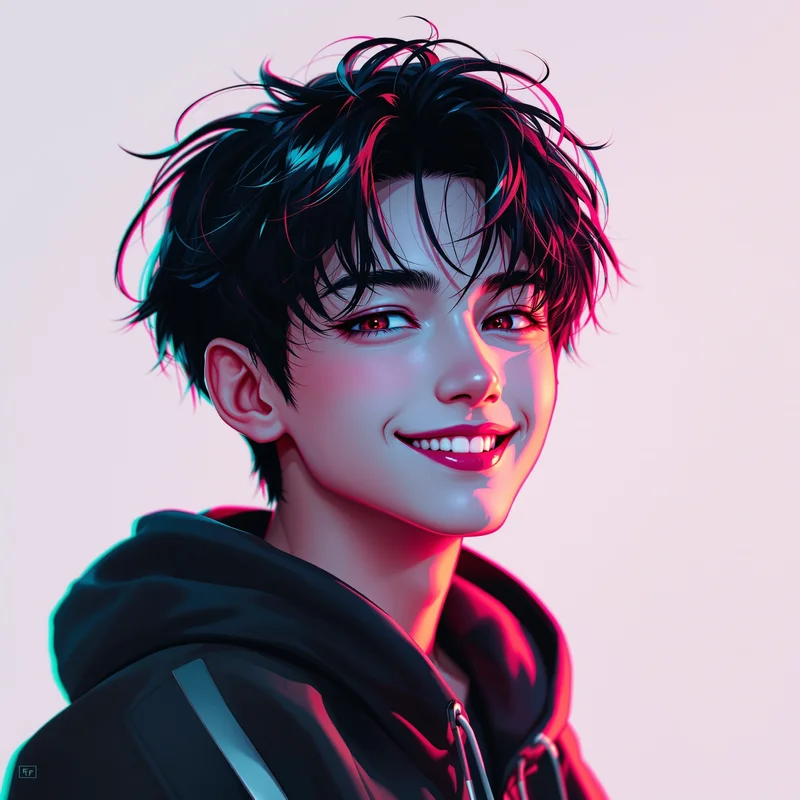
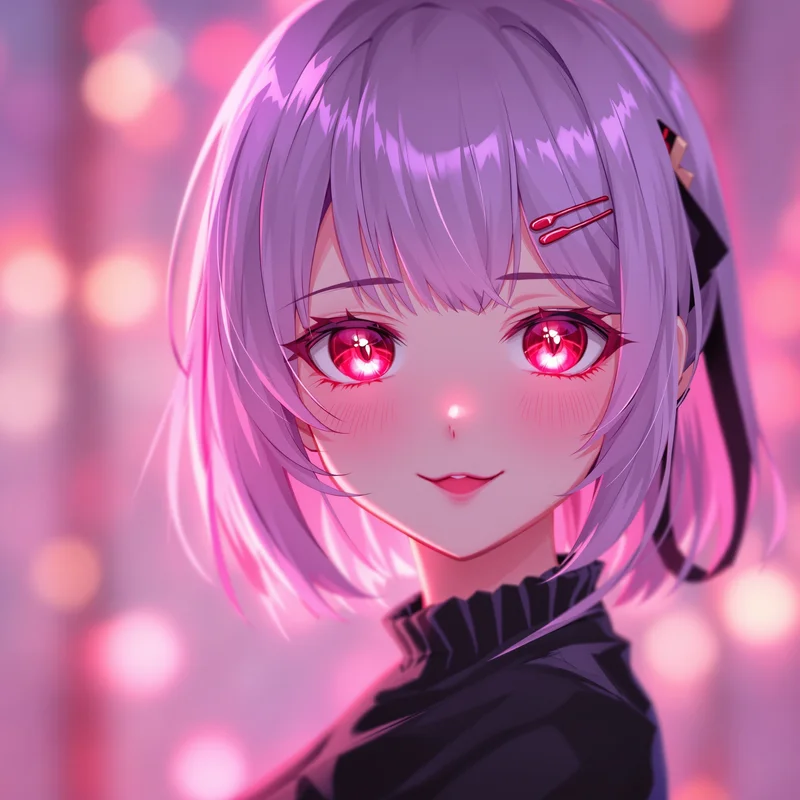
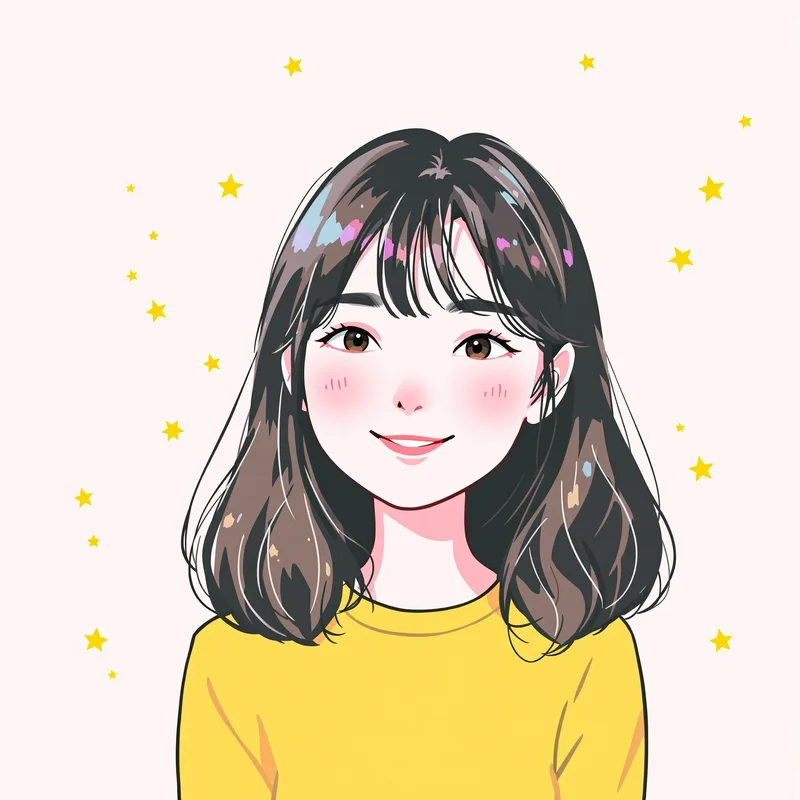
This kind of aesthetic avatar gives the profile a brighter and more polished emotional signal, helping it feel clean, playful, and socially expressive.
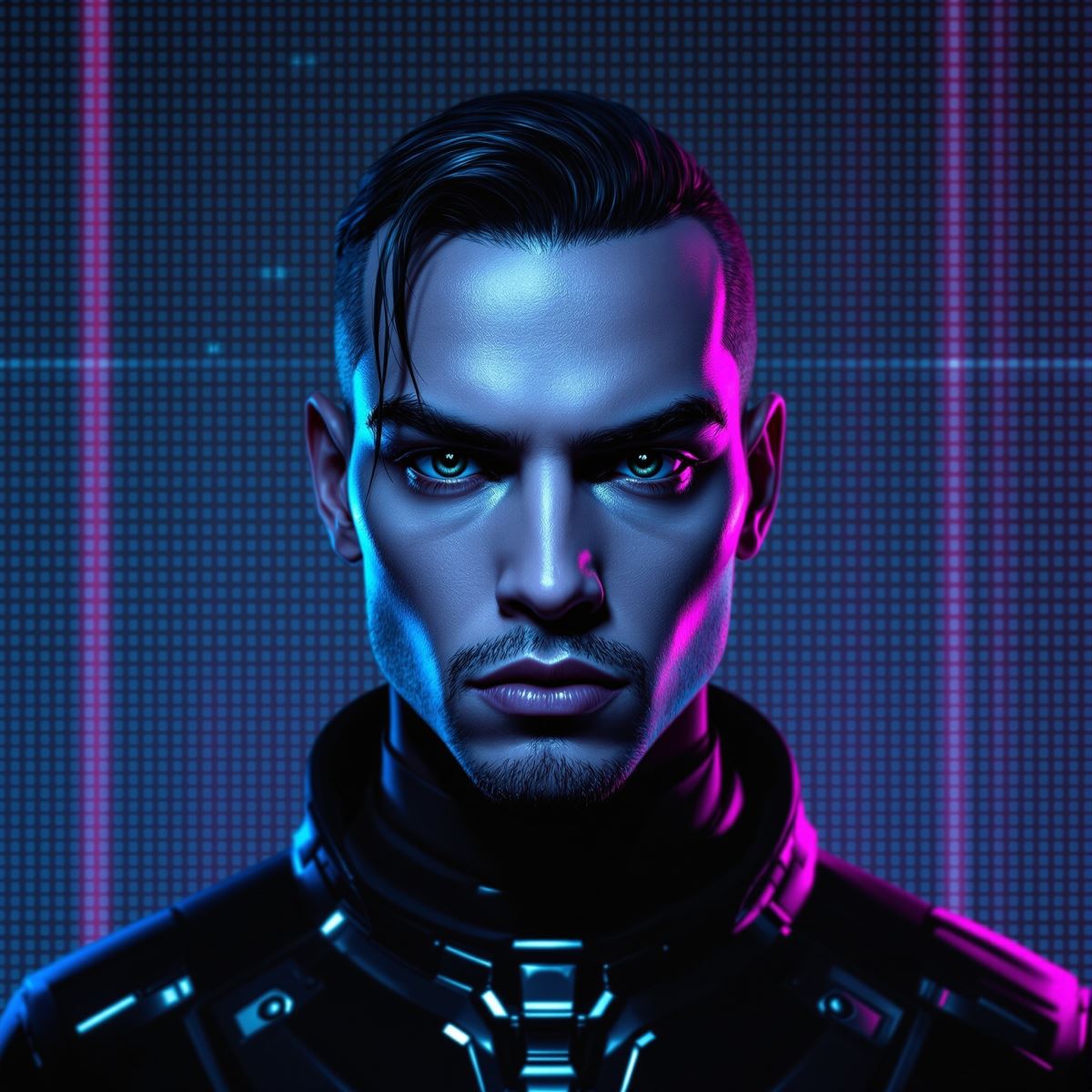
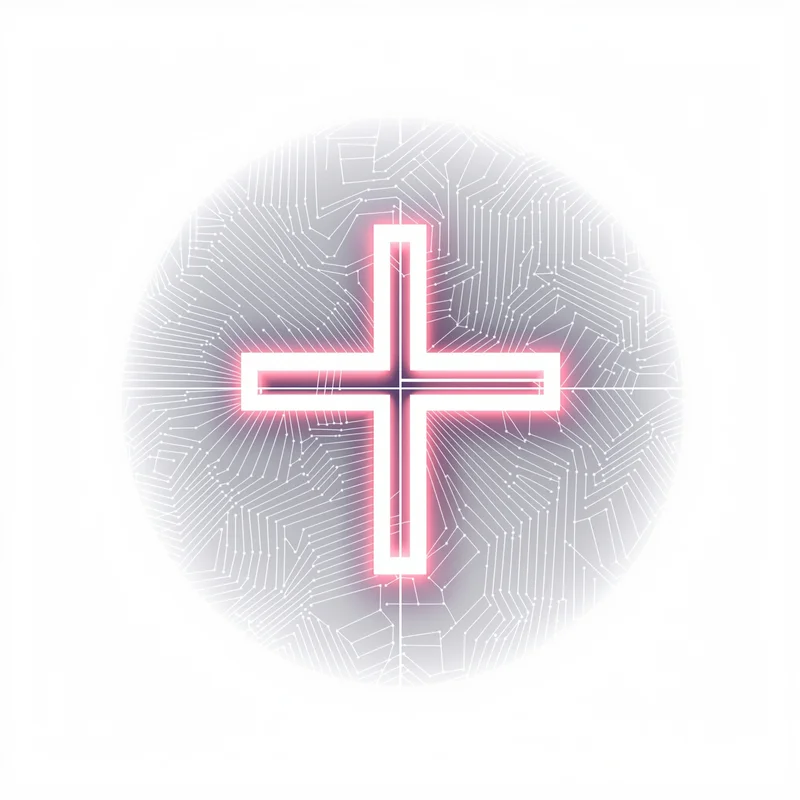
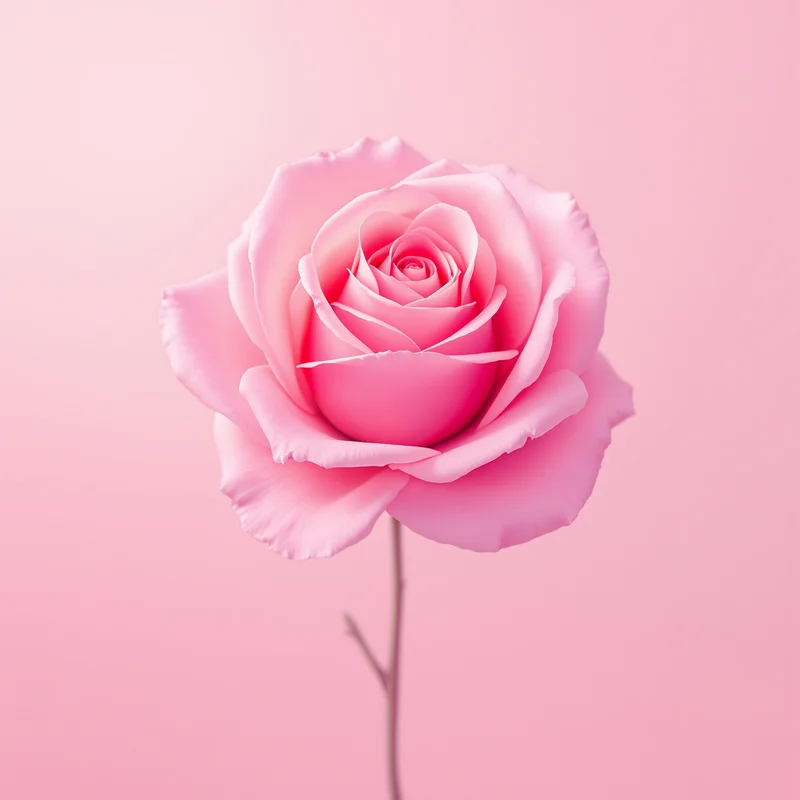
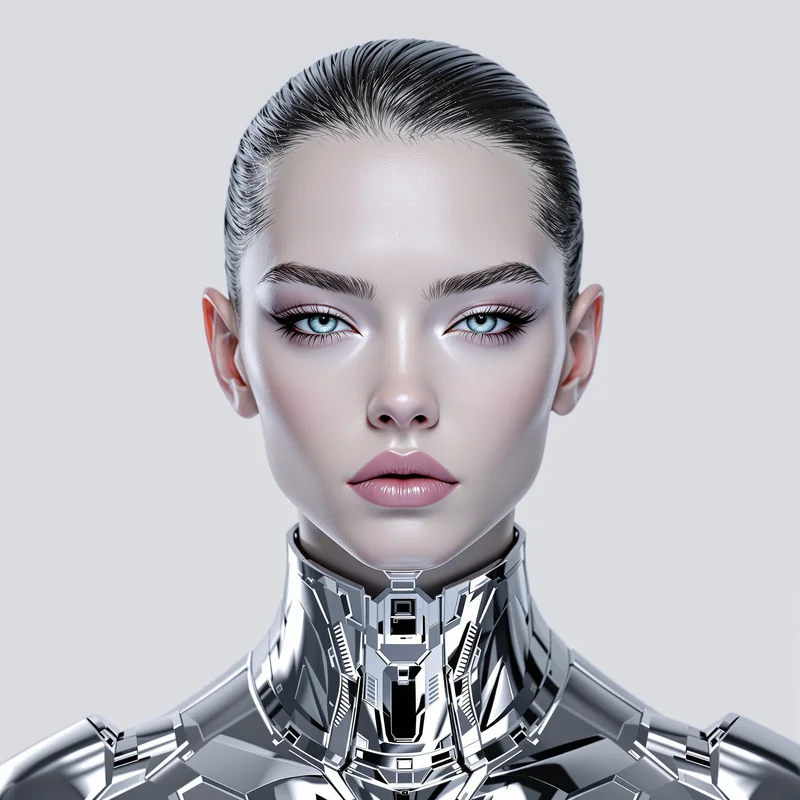
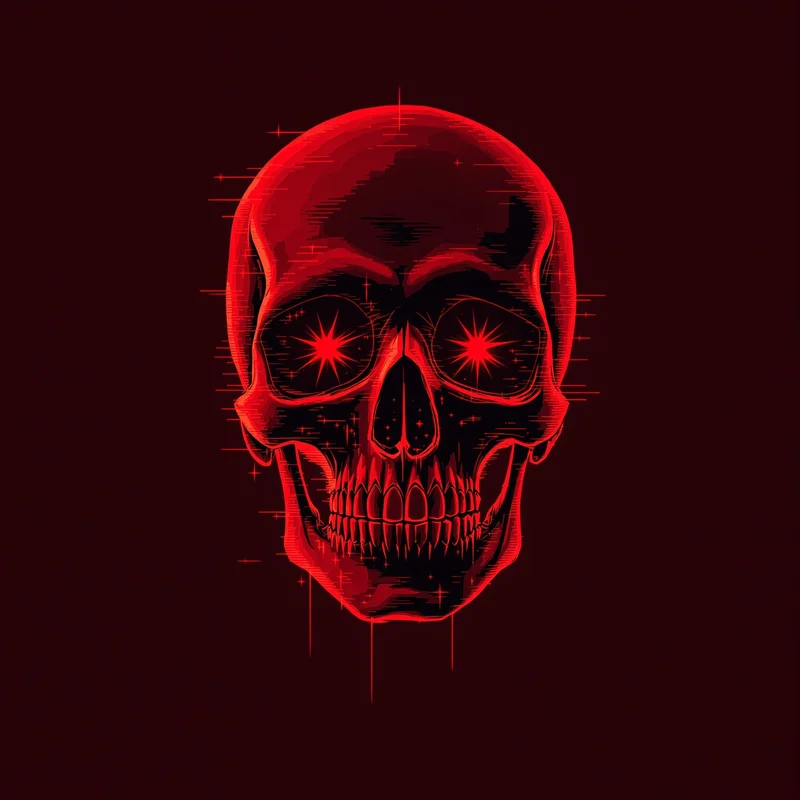
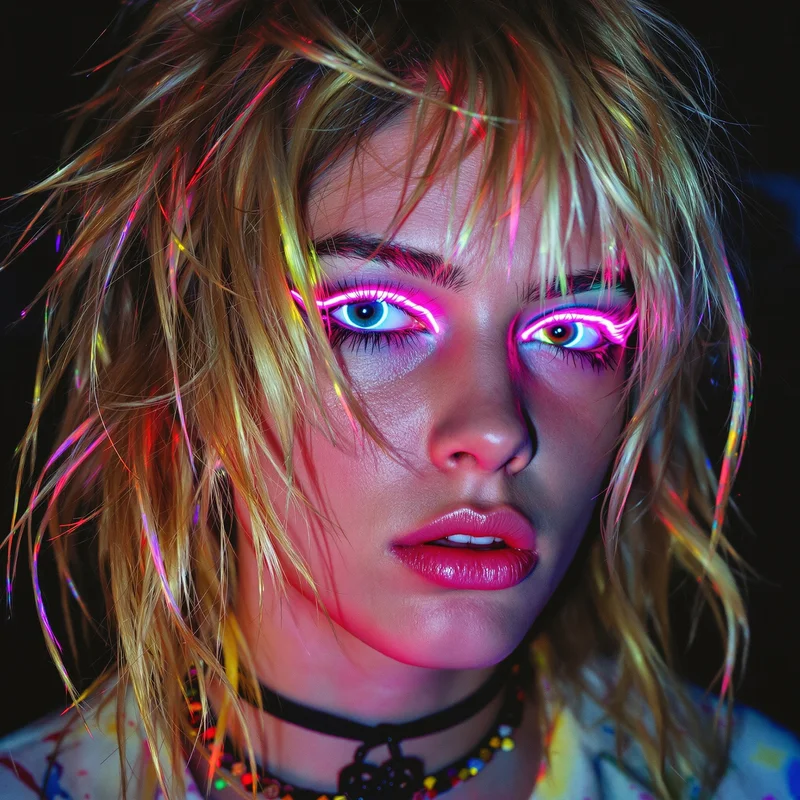
A digital style like this pushes nostalgic visual shine, giving the profile stronger cultural flavor and more stylized recognition.
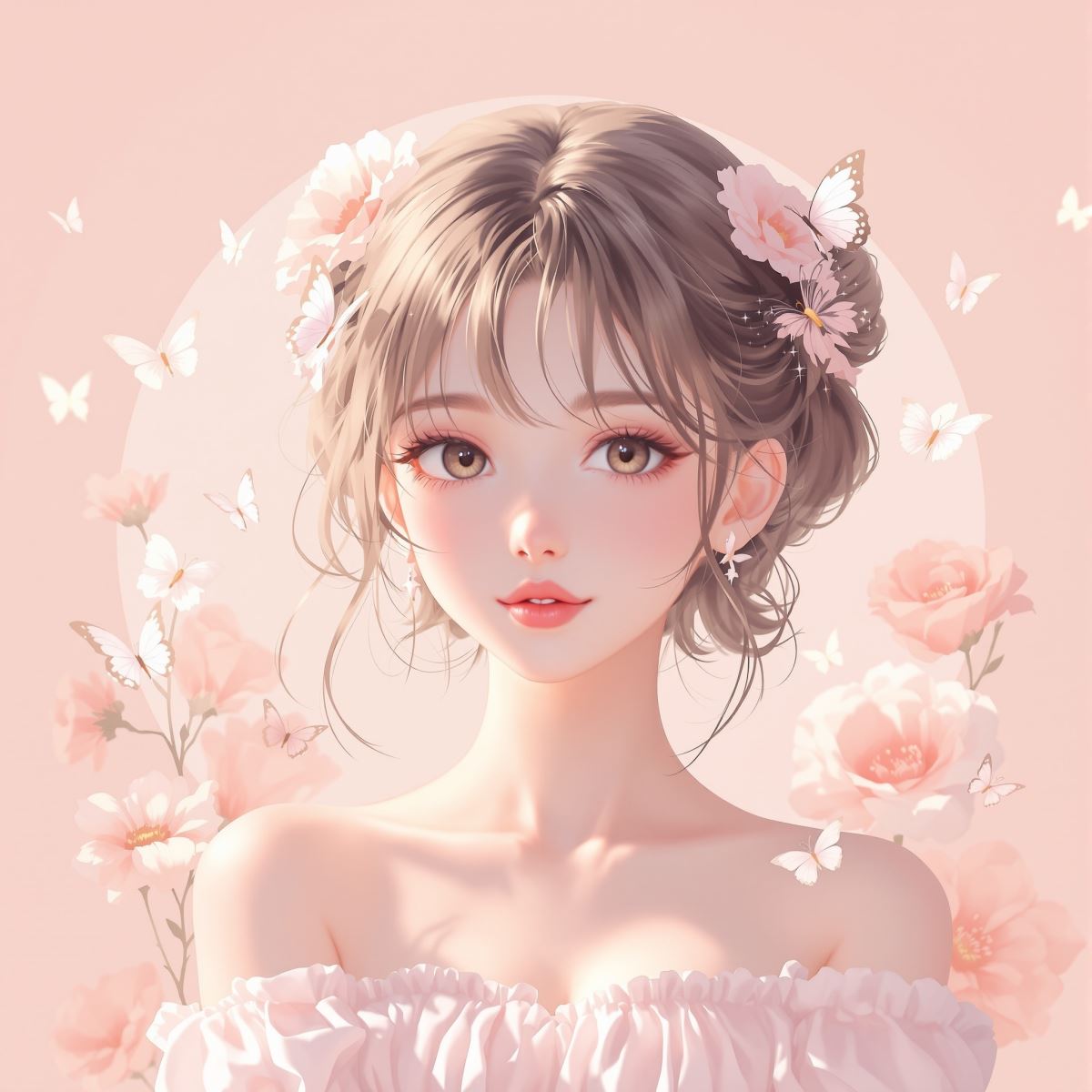
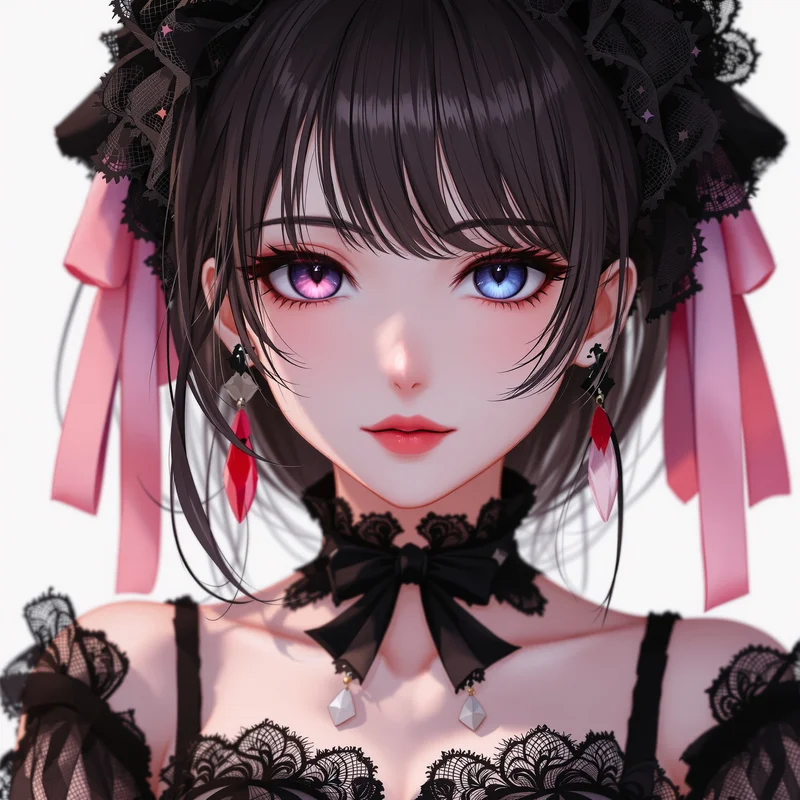
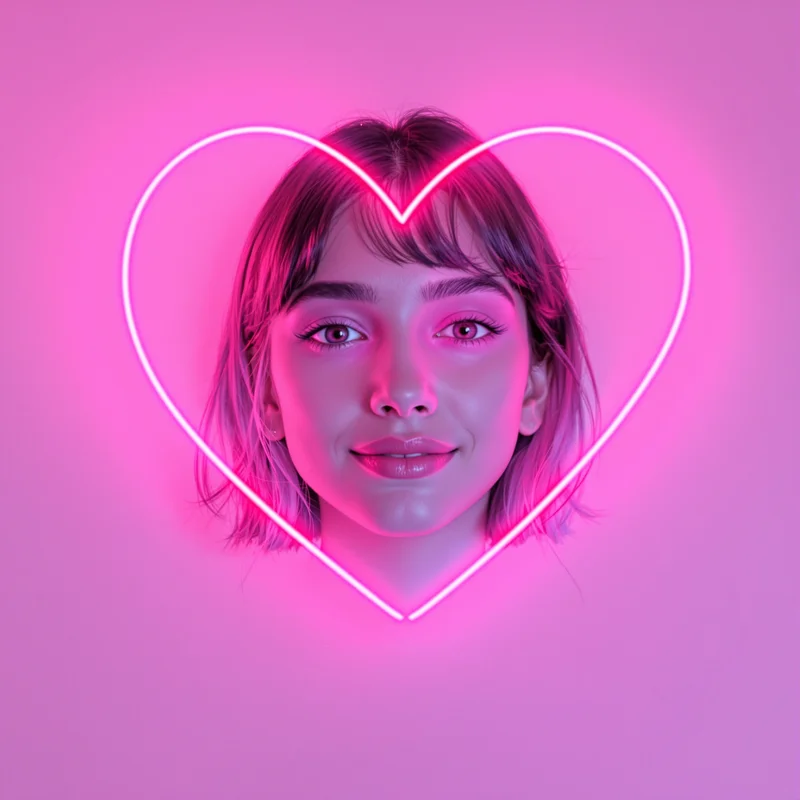
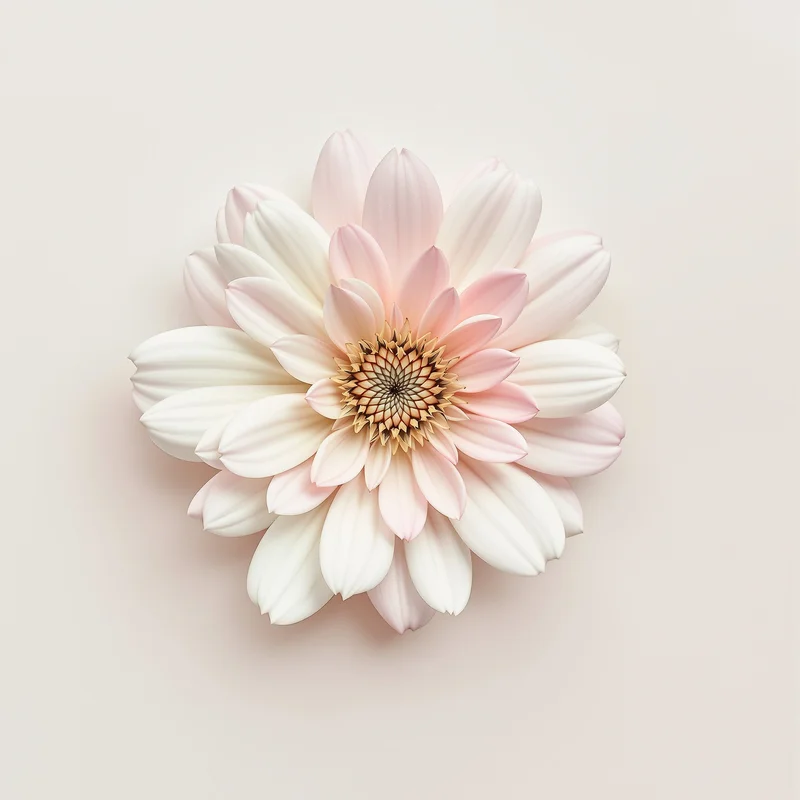
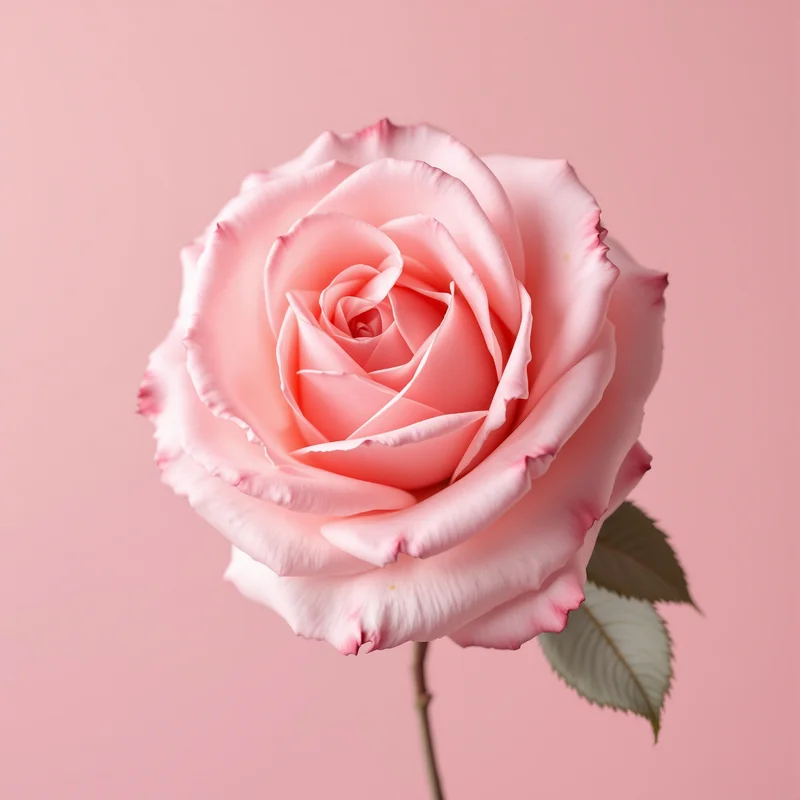
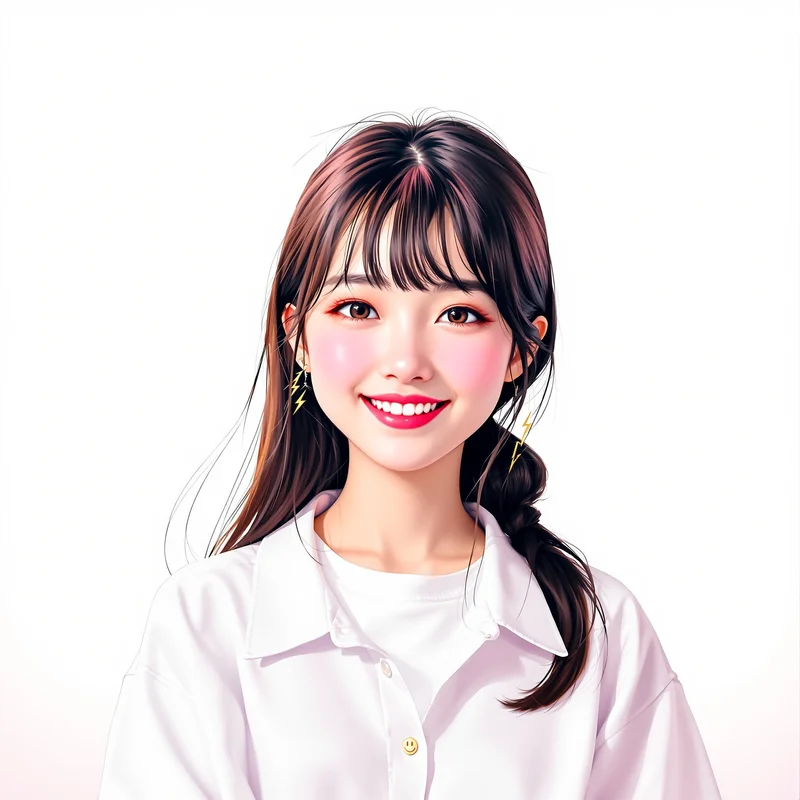
This softer direction creates a more delicate emotional atmosphere, helping the profile feel more dreamy, tender, and intentionally beautiful.
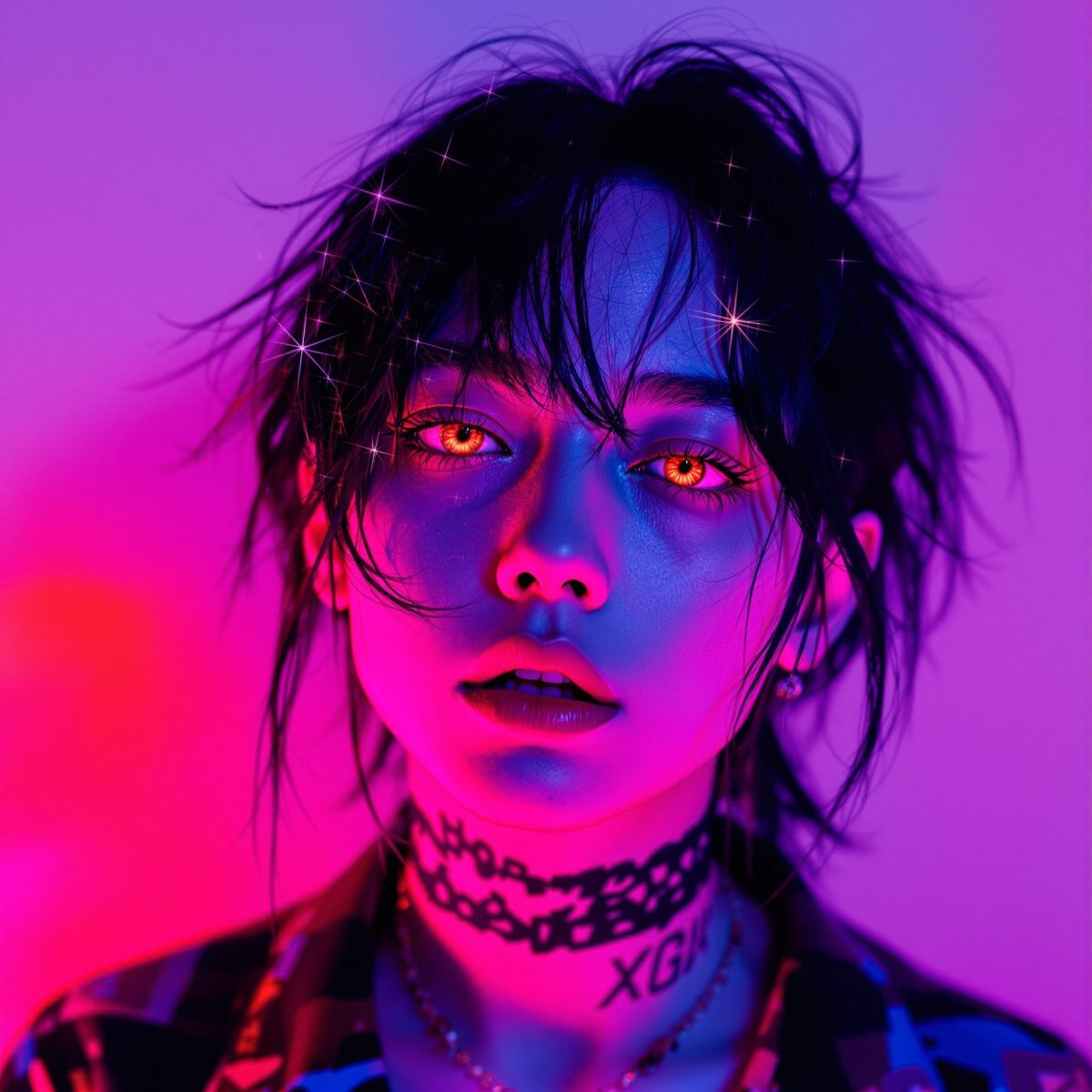
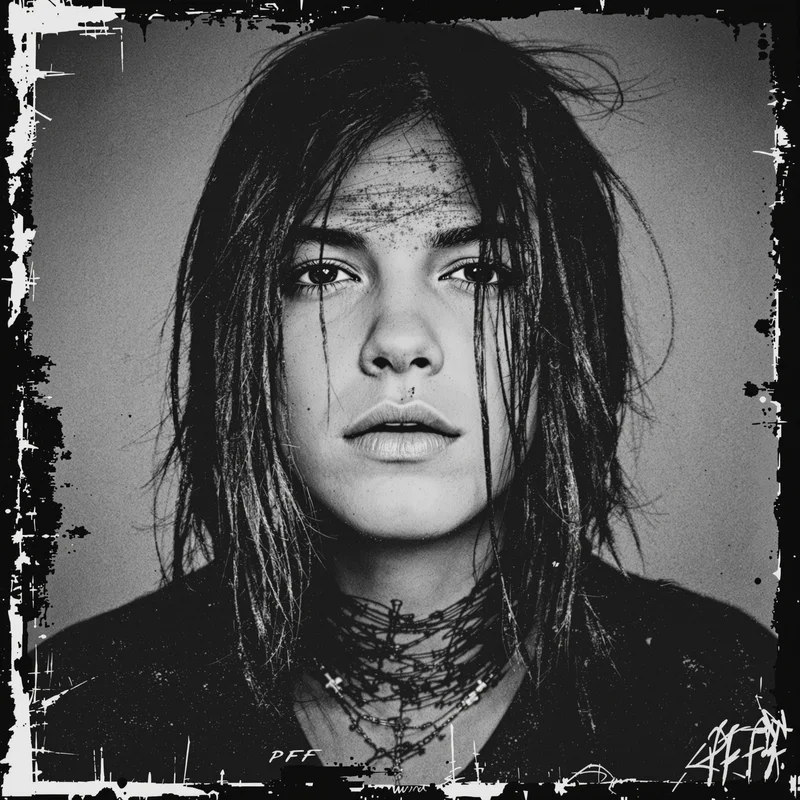
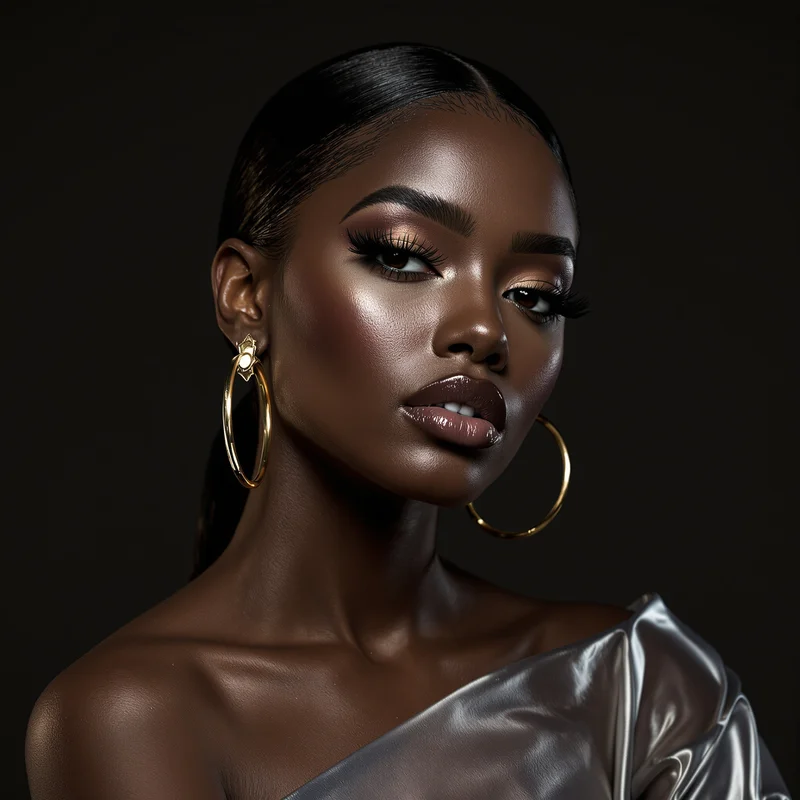
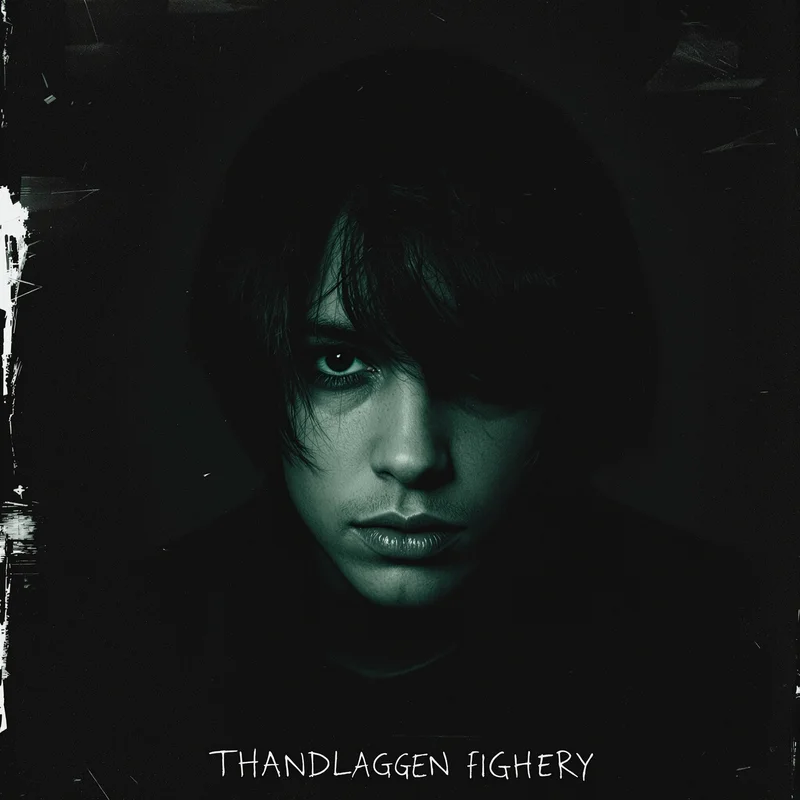
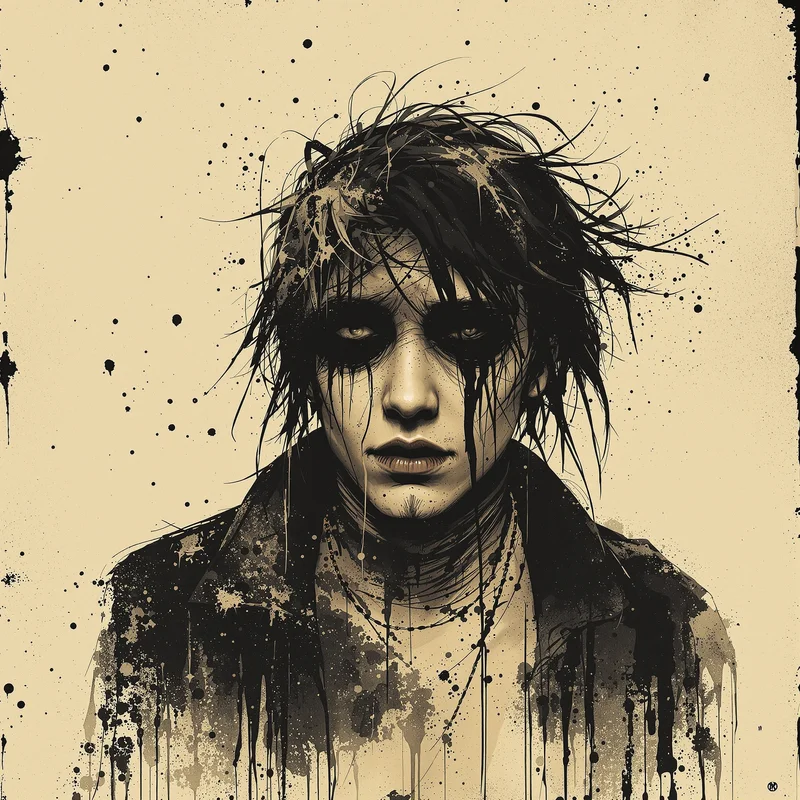
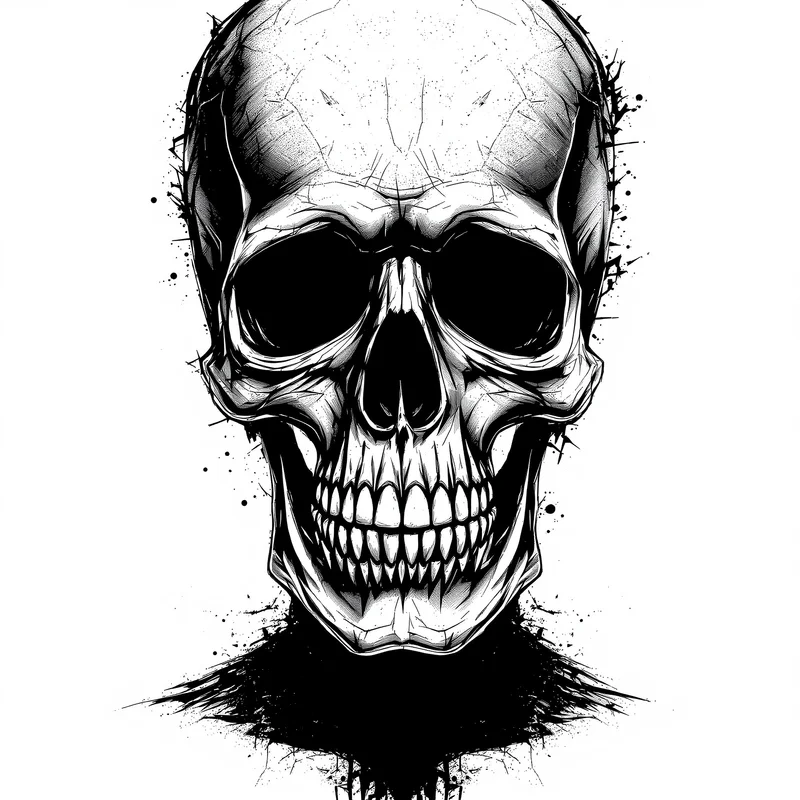
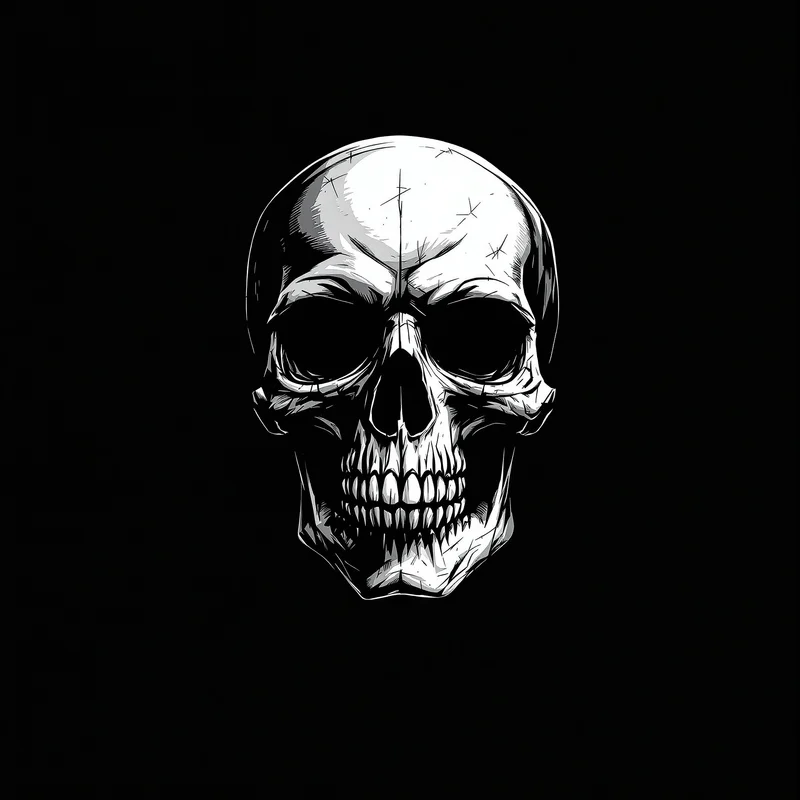
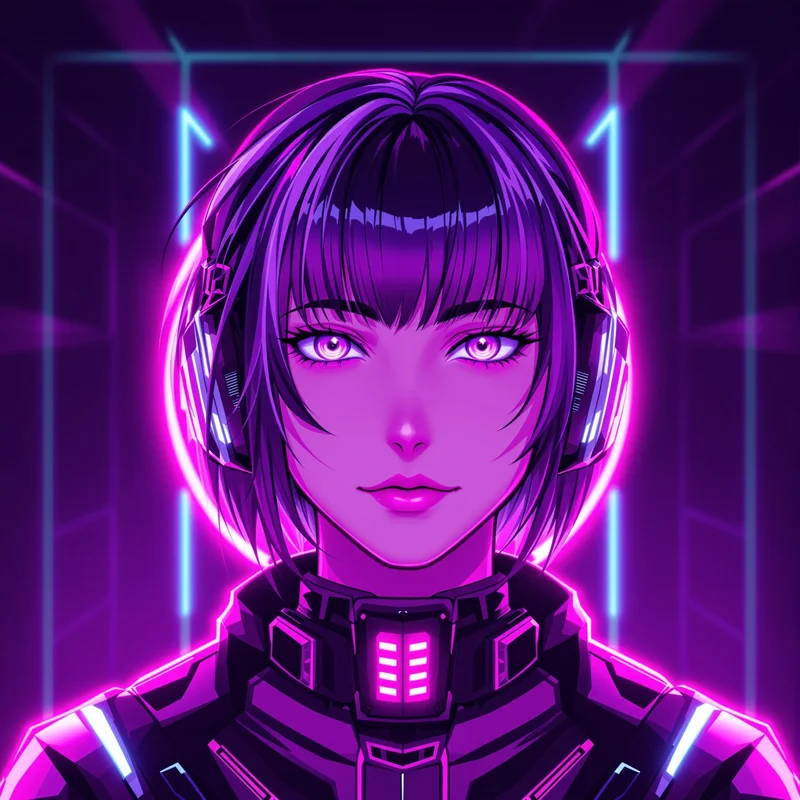
A stronger scene-style image like this adds sharper emotional contrast, helping the profile feel louder, more rebellious, and more visually charged.

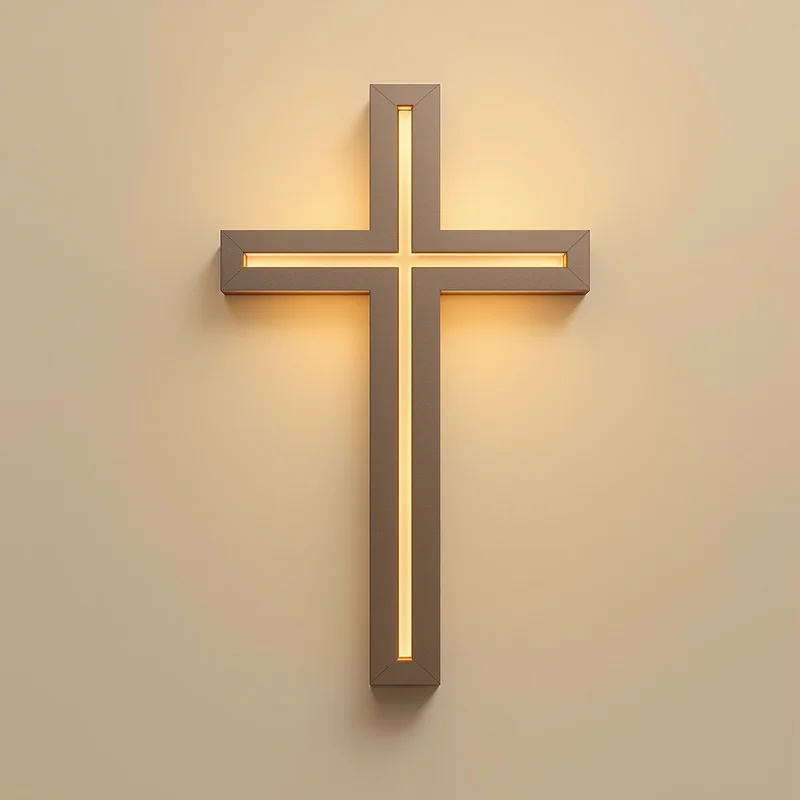
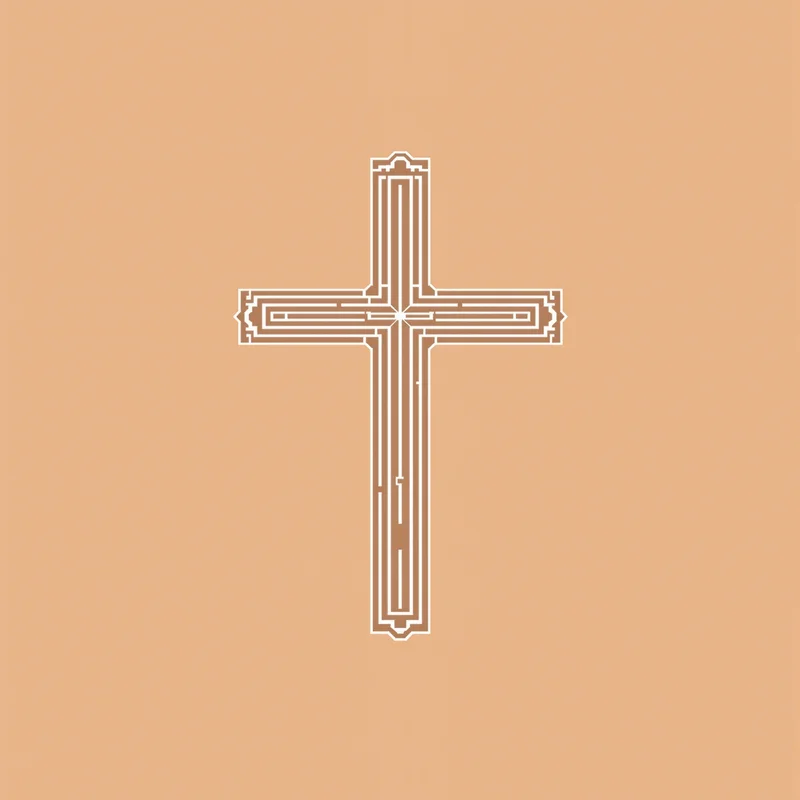
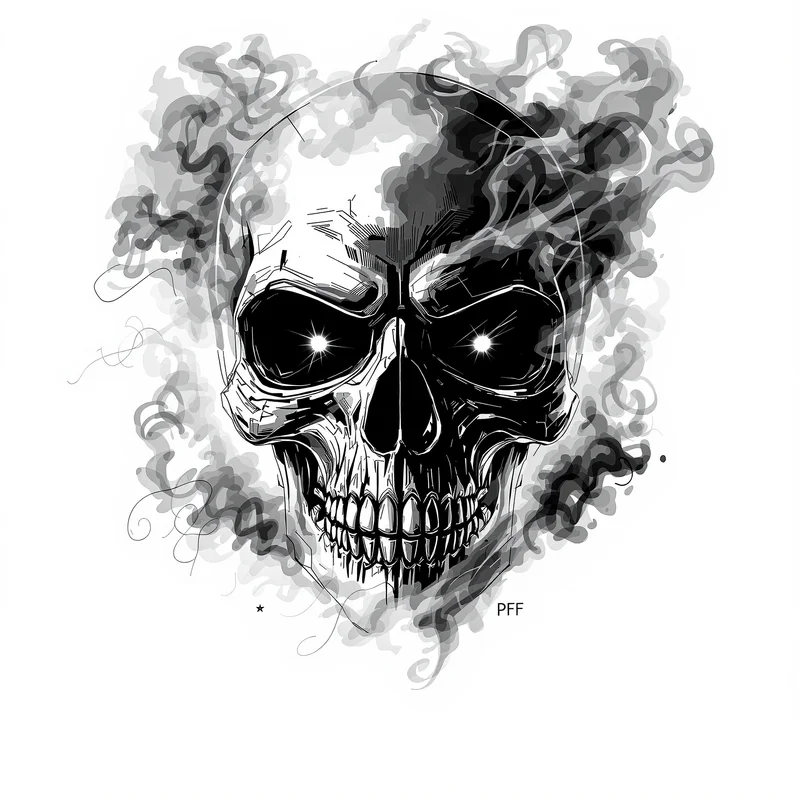
This symbolic profile image creates a calmer and more elevated identity signal, giving the account spiritual weight and emotional stillness.
Core Aesthetic Identity Paths Inside This Hub
Each child hub inside Aesthetic PFP serves a distinct emotional and visual route. Preppy PFP usually supports bright, cheerful, stylish, and socially polished identities. Y2K PFP serves glossy digital nostalgia, futuristic throwback culture, and more trend-aware styling. Coquette PFP supports romantic softness, decorative femininity, sweetness, and emotionally delicate profile presence. Scene PFP supports louder emotional contrast, dramatic digital styling, and expressive visual rebellion. Jesus PFP adds a symbolic route grounded in reverence, serenity, sacred feeling, and spiritual image language.
These are not interchangeable moods. They solve different identity needs. Some users want something playful and pretty. Others want stylized nostalgia or emotionally charged alternative aesthetics. Others want symbolic peace or spiritual presence. The parent hub matters because it makes these lanes visible and navigable instead of flattening them into one generic “aesthetic” label.
How to Choose the Right Aesthetic PFP
Start with emotional temperature. Do you want your profile to feel soft, polished, romantic, dramatic, nostalgic, rebellious, or spiritually calm? That decision matters more than following the most popular visual trend. A strong aesthetic avatar should align with the feeling your profile gives off, not just the look you think is attractive in isolation.
Then think about style specificity. Some users want a broader aesthetic lane, while others want a tightly defined sub-style like coquette or scene. The right path depends on how exact you want the identity signal to be. The more specific the aesthetic, the more distinct the profile can feel — but the broader paths can give more flexibility.
Finally, think about memory. A strong Aesthetic PFP is not only pretty or mood-rich. It becomes something other people associate with your account after repeated exposure. That is why composition, emotional consistency, and visual clarity still matter even in style-first identity systems.
Featured Aesthetic PFP Hubs
FAQ
What is Aesthetic PFP?
Aesthetic PFP is a parent category for mood-driven profile pictures and avatars built around visual style, emotional tone, and expressive identity rather than one single character or theme.
Why are aesthetic avatars so popular for profile pictures?
Aesthetic avatars are popular because they let users express mood, identity, and social tone quickly without needing a direct personal photo or a rigid symbolic character.
Should I choose a softer style like coquette or a stronger style like scene?
Choose a softer style if you want warmth, beauty, or romantic calm. Choose a stronger style if you want sharper contrast, rebellion, or more emotionally aggressive profile energy.
What makes a strong Aesthetic PFP?
A strong Aesthetic PFP uses clear emotional direction, readable composition, and a distinct visual mood that stays memorable after repeated viewing.