Sports











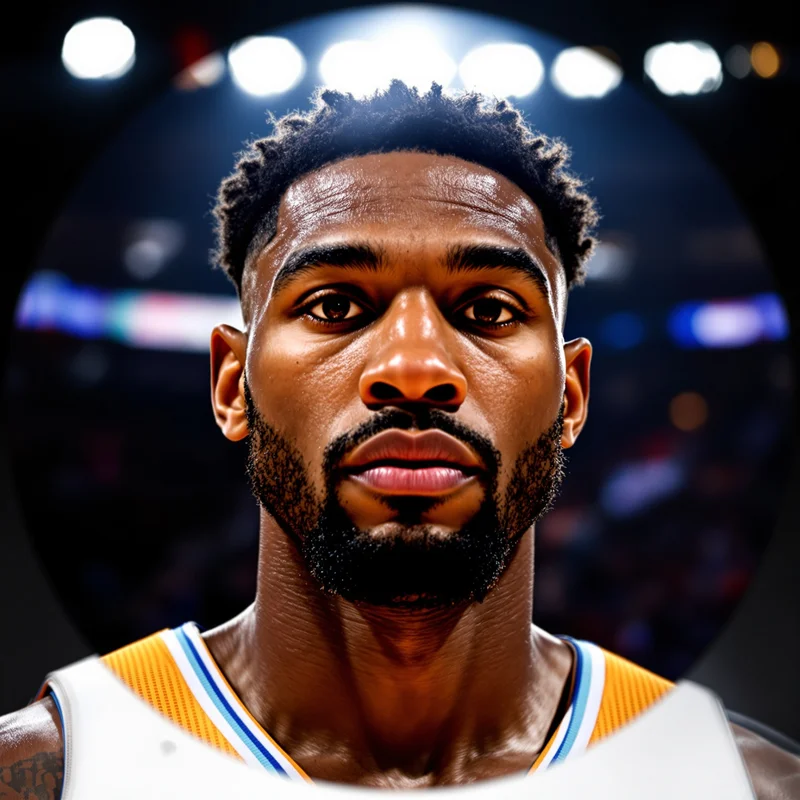
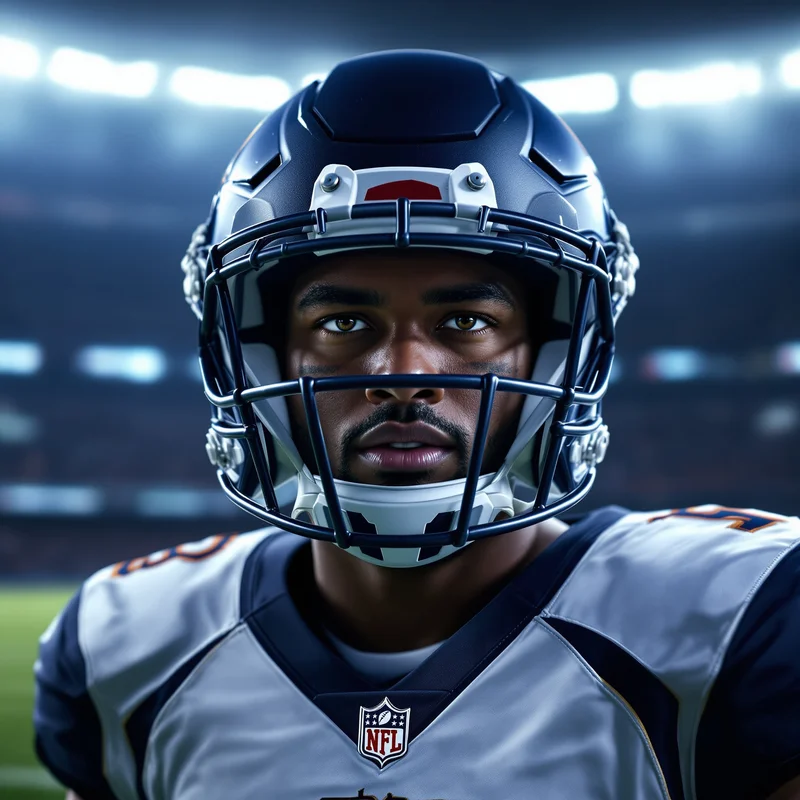
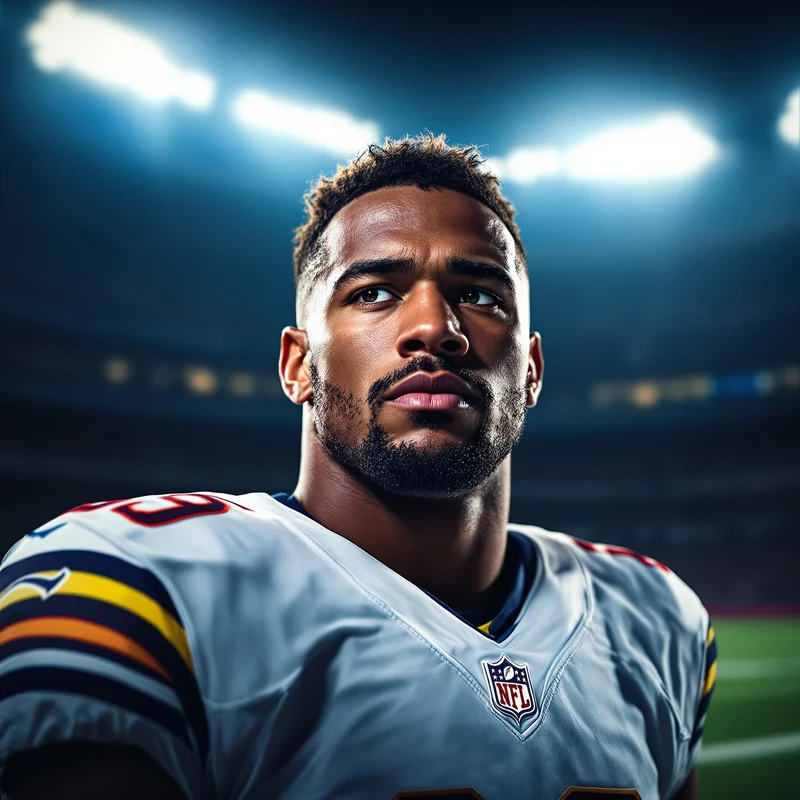
Sports PFP – Competitive Identity, Recognition, and Profile Presence
Sports PFP is one of the strongest parent hubs in the entire avatar system because sports-based profile pictures naturally carry energy, discipline, status, and public recognition. A sports avatar rarely feels passive. Even when the image is calm, it often still suggests competition, confidence, ambition, performance, or emotional intensity. That makes this category especially powerful for users who want a profile that feels active and immediately recognizable.
What makes Sports PFP different from other parent hubs is that it combines two major identity systems at once. The first is performance identity: effort, dominance, growth, discipline, momentum, and competitive mentality. The second is cultural recognition: athletes, leagues, and sports symbols already carry strong public meaning. When those two systems overlap inside a profile picture, the avatar can communicate a lot in very little space.
This is why Sports PFP needs to function as a real parent hub and not just a loose sports gallery. Some users want a broad competitive sports identity like football or NBA. Others want a more specific and recognizable figure such as Messi or LeBron James. Others want a music-and-sports crossover identity like NBA YoungBoy, where athletic aggression and cultural intensity overlap. The parent hub should organize these different routes clearly so users can discover the kind of sports-driven identity that fits them best.
Why Sports Avatars Work So Well for Profile Pictures
Sports avatars work because they communicate strength and intention quickly. A strong sports profile picture usually feels like it belongs to someone who values action, energy, ambition, or high standards. Even before the viewer studies the details, the profile can feel more confident, more driven, and more emotionally charged than a neutral avatar.
There is also a strong recognition advantage. Sports culture is full of highly memorable visual signals: uniforms, poses, facial expressions, body language, league symbolism, and athlete identity. This makes sports-based profile pictures especially effective in fast-moving digital environments where the image needs to land quickly. A recognizable sports PFP can make the account feel more immediate and more distinct at first glance.
Another reason this category works so well is emotional intensity. Sports avatars often feel sharper than generic aesthetic images because they carry pressure. The profile can feel focused, dominant, hungry, celebratory, or battle-tested depending on the specific image. That makes the category highly useful for users who want stronger presence rather than softer mood-based identity.
Sports PFP as a Parent Identity Hub
The Sports PFP hub should function as a discovery system, not just a collection of athlete images. Its job is to help users move from broad sports intent into more specific profile identity paths. Some users arrive already knowing they want Messi or LeBron James. Others only know they want a profile that feels competitive, champion-minded, aggressive, or highly recognizable. The parent hub exists to make those paths visible and usable.
That is why the child pages are so important. Football PFP supports broad competition, team energy, and athletic aggression. NBA PFP supports basketball-driven identity with league-wide recognition and fast competitive tone. LeBron James PFP supports champion presence, leadership, dominance, and legacy. Messi PFP supports elite control, greatness, precision, and global recognition. NBA YoungBoy PFP sits in a slightly different lane, blending performance intensity, masculine pressure, and a colder attitude-based identity. These are all connected, but they are not interchangeable.
By structuring them together, the Sports PFP parent hub defines sports identity as a larger taxonomy of competition, public recognition, and profile behavior. This helps users understand the choices more clearly and helps search systems understand the semantic relationship between broad sports identity and specific athlete-led child hubs.
Representative Sports PFP Gallery
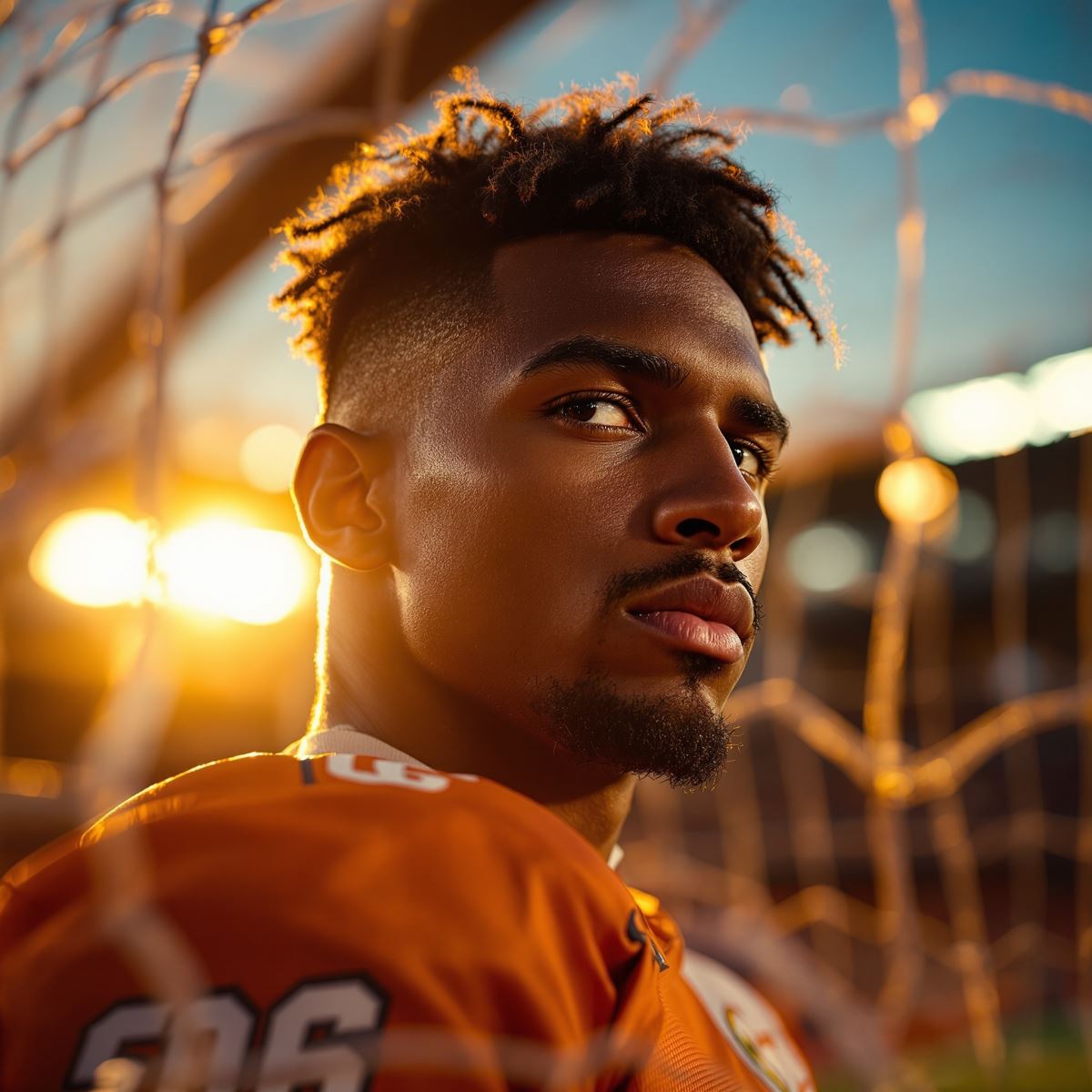
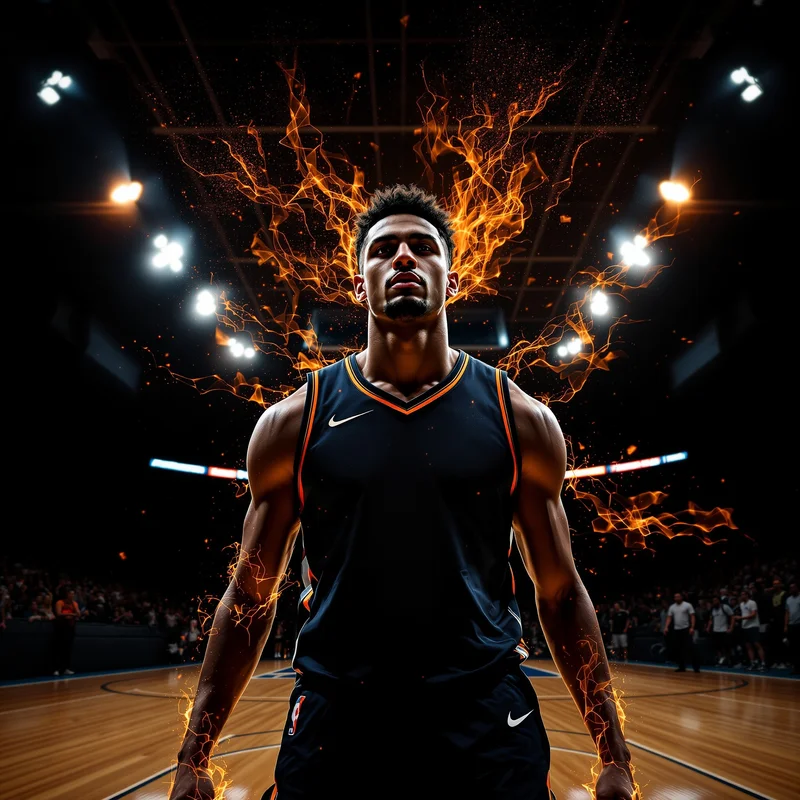
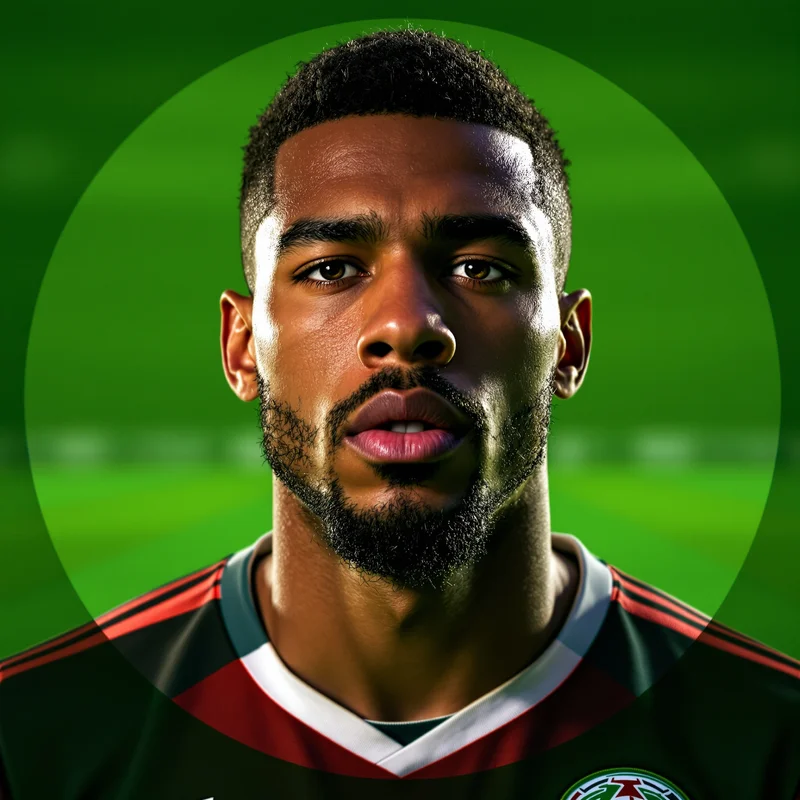
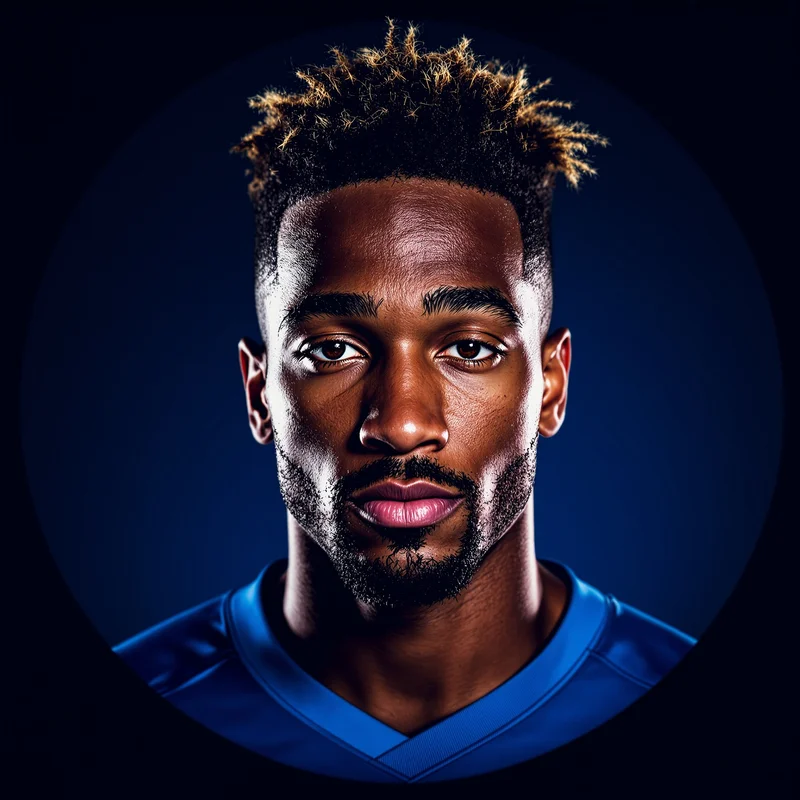
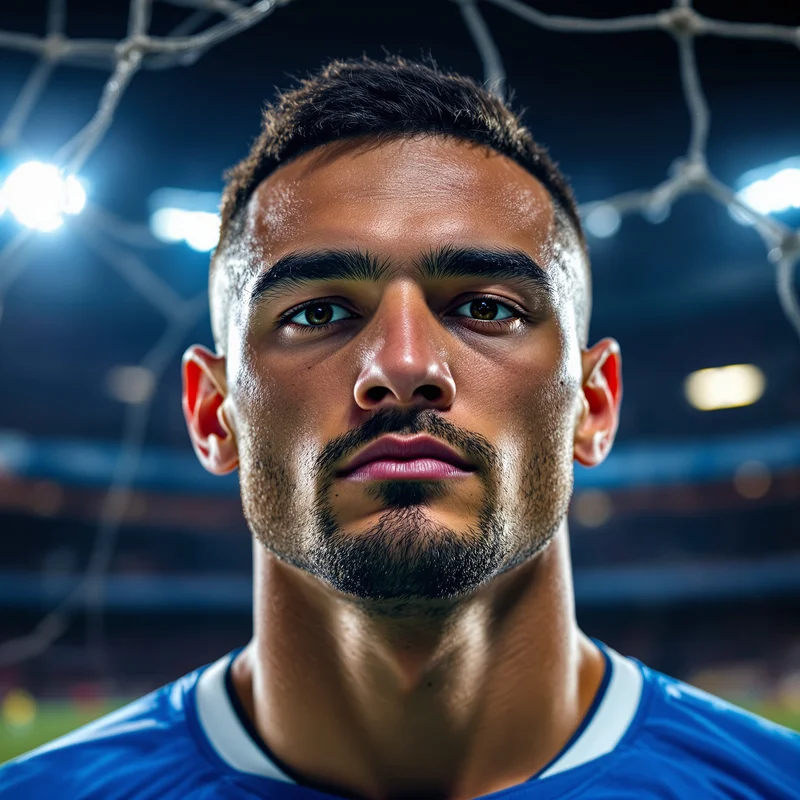
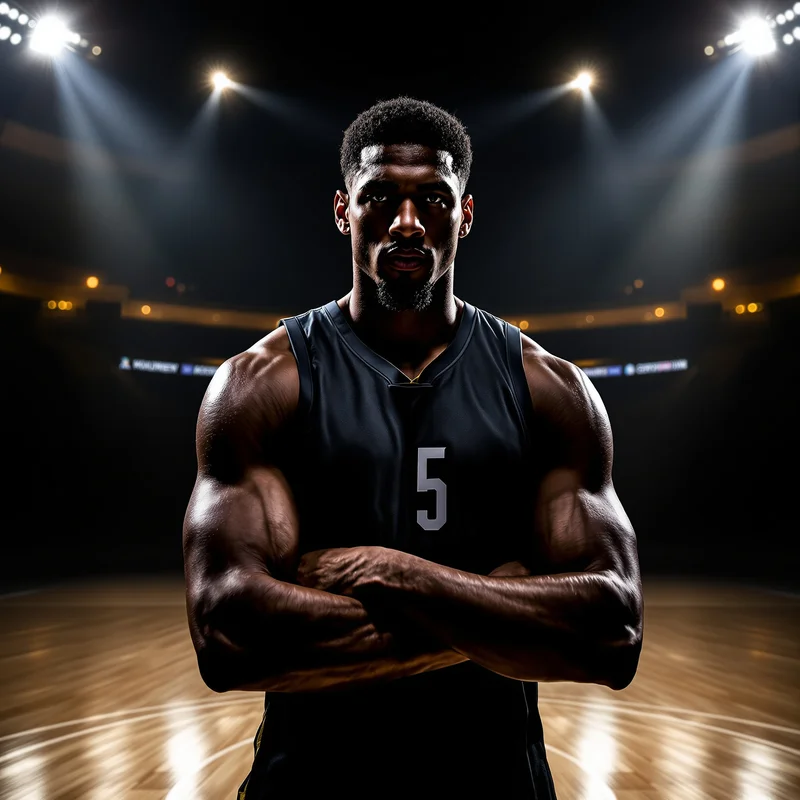
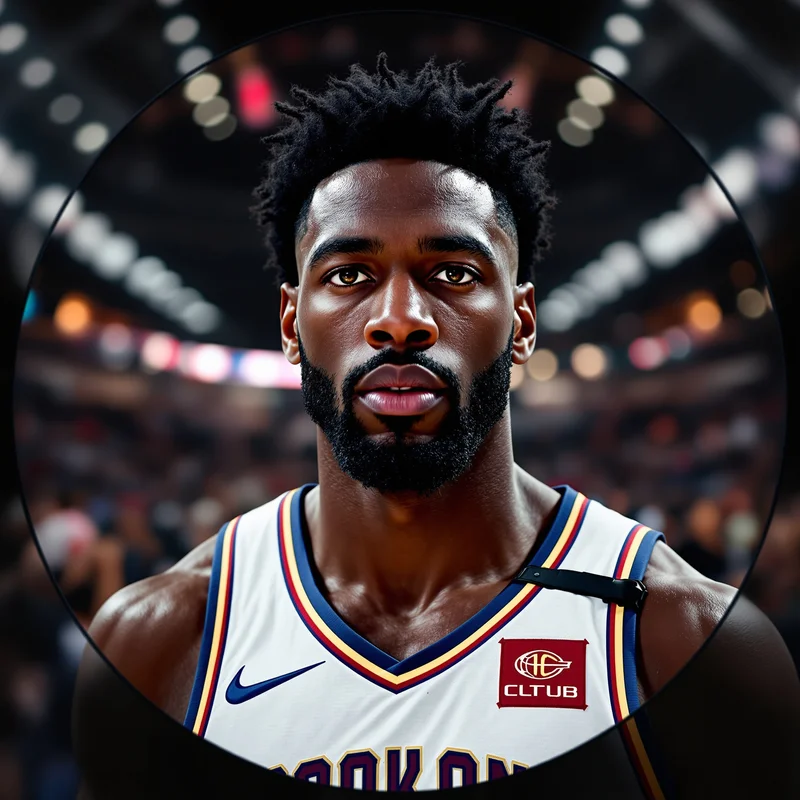
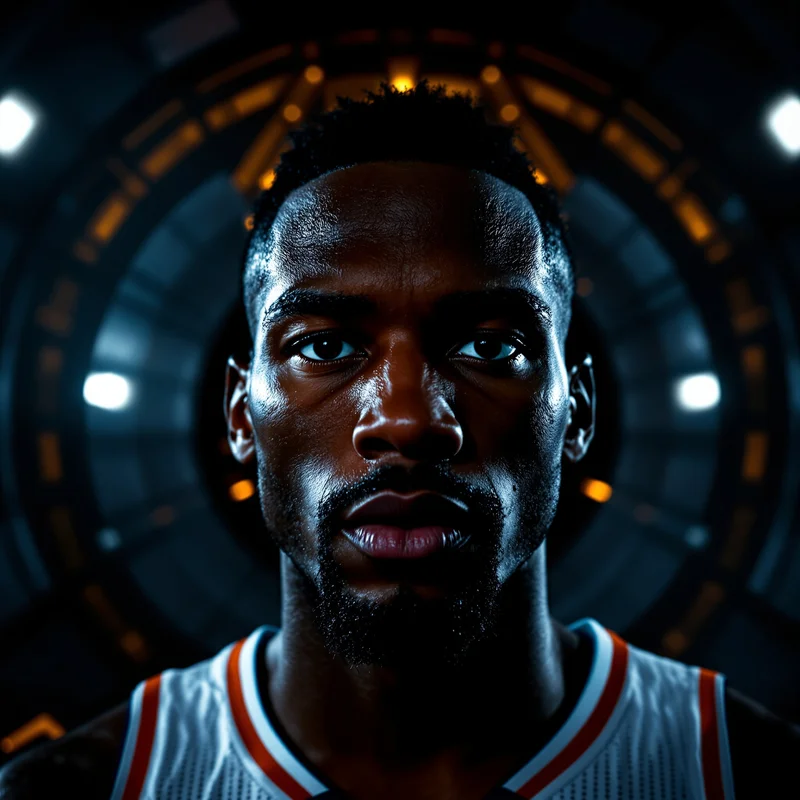
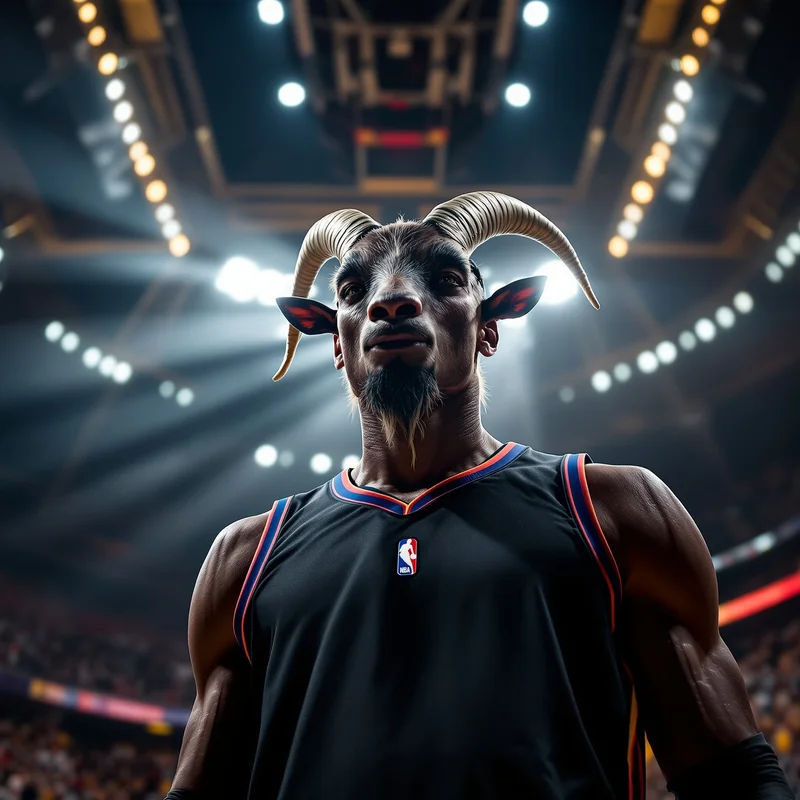
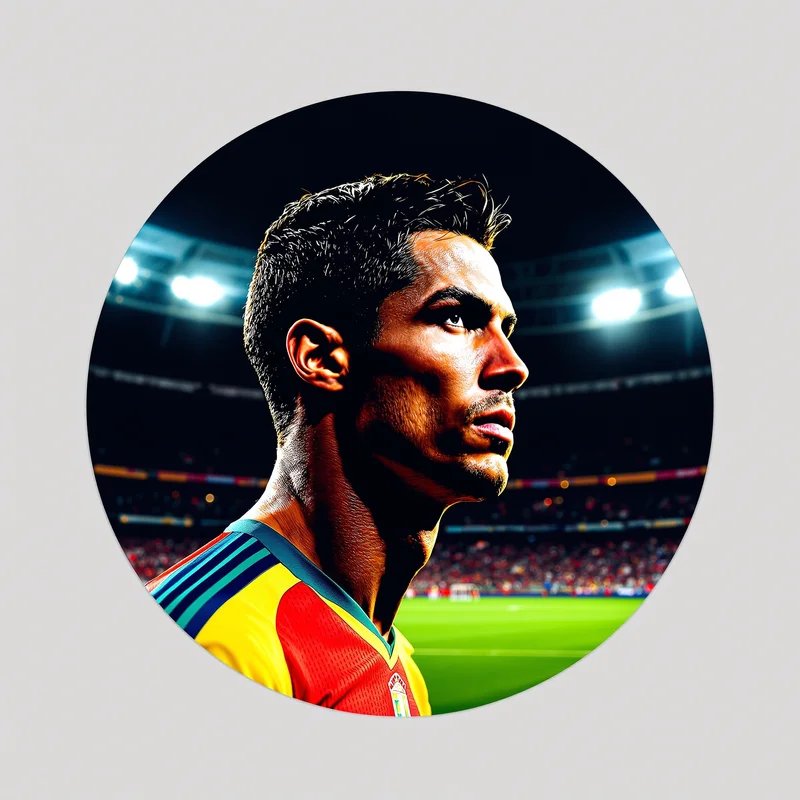
This kind of sports avatar gives the profile stronger competitive pressure, helping the account feel more active, more aggressive, and easier to remember.

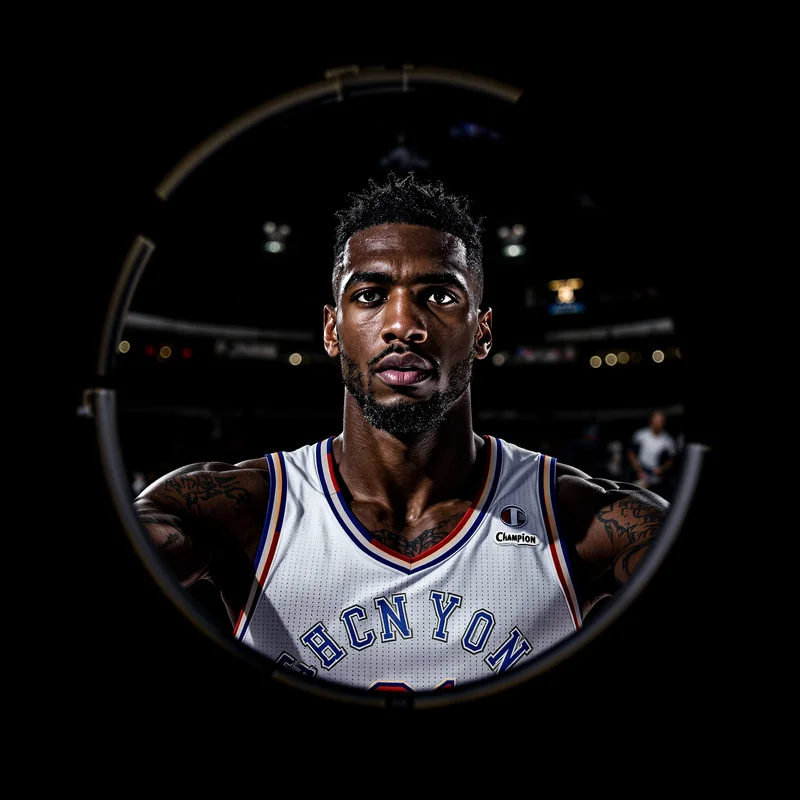
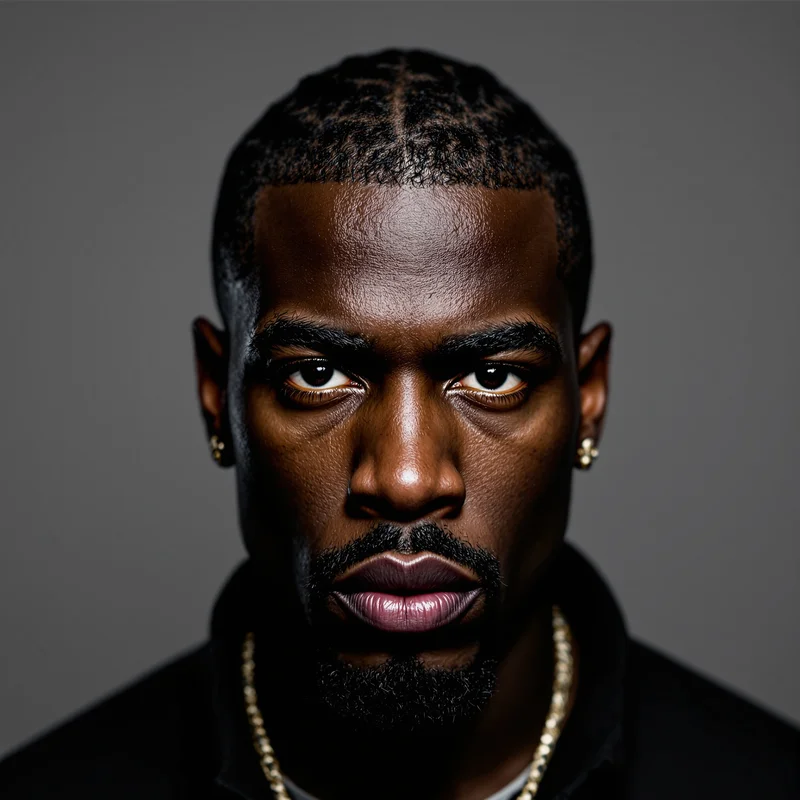
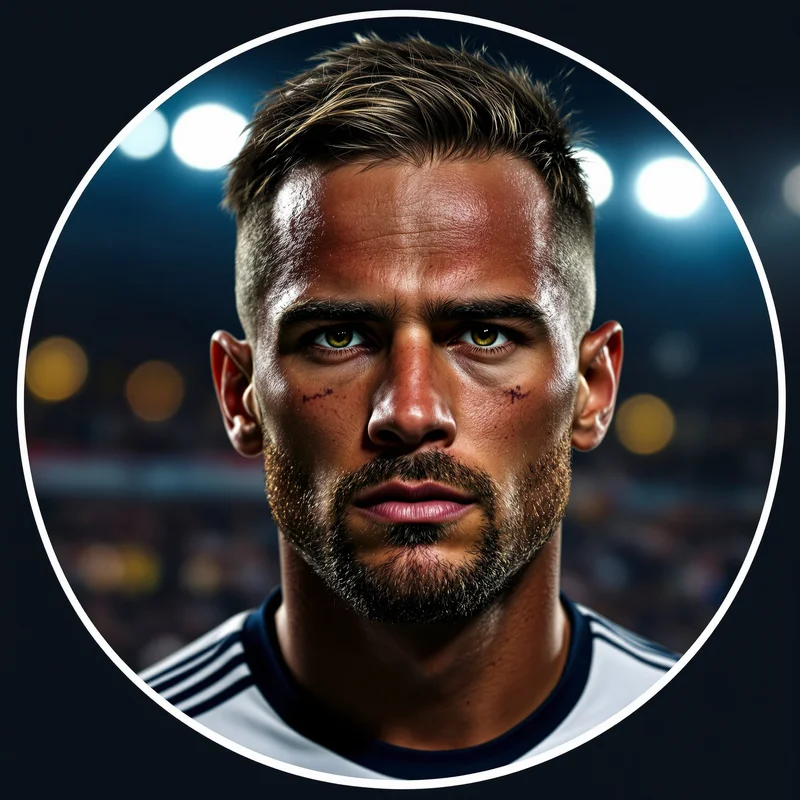
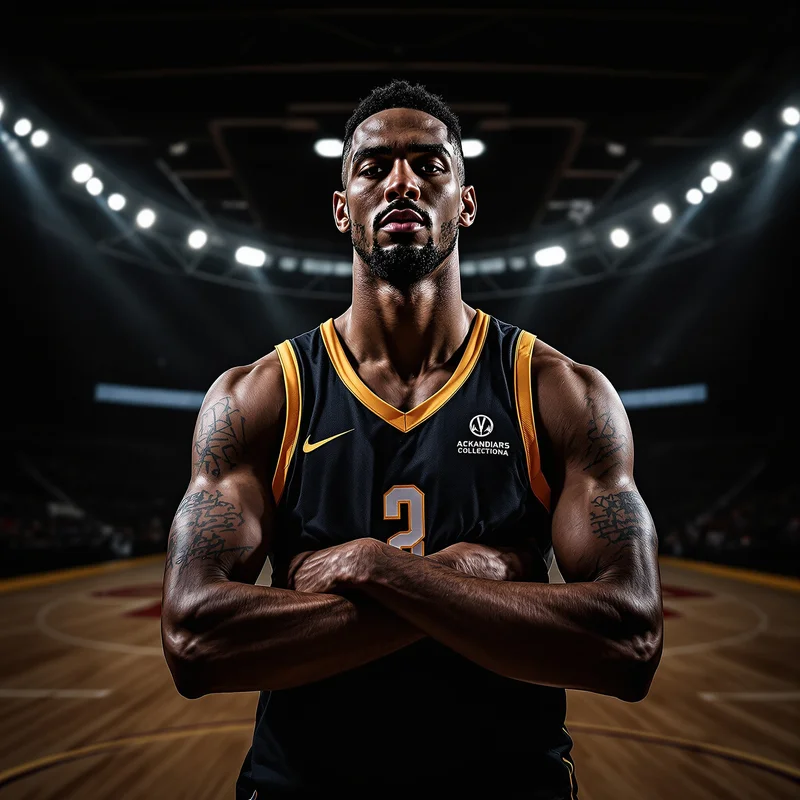
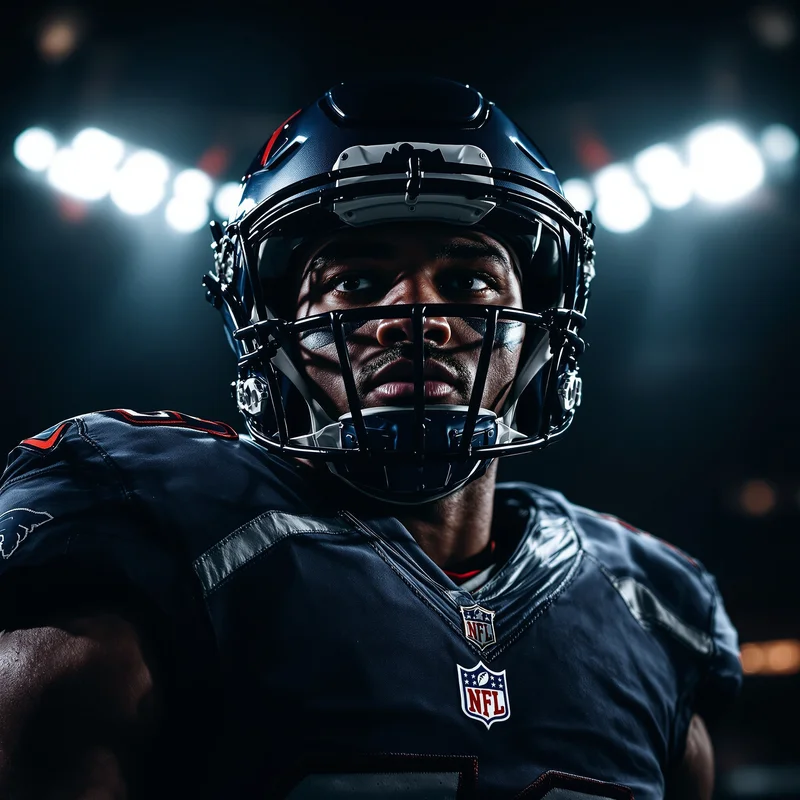
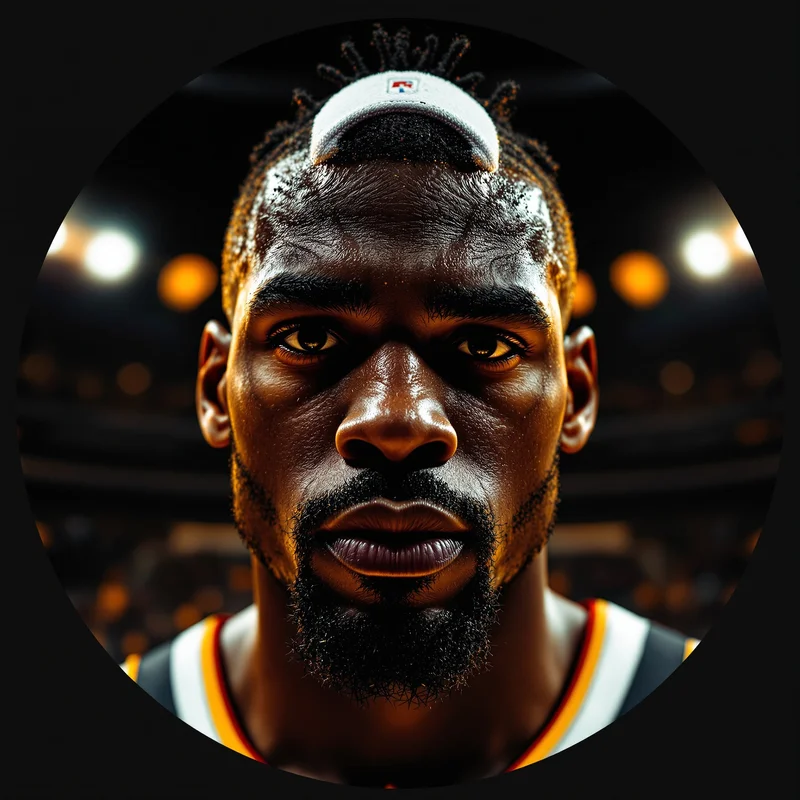
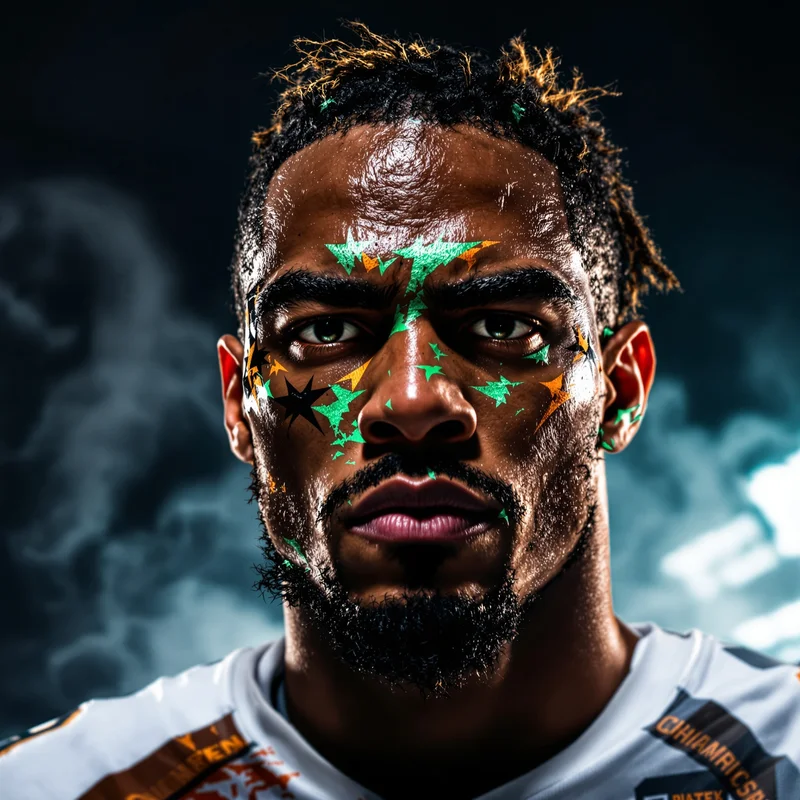
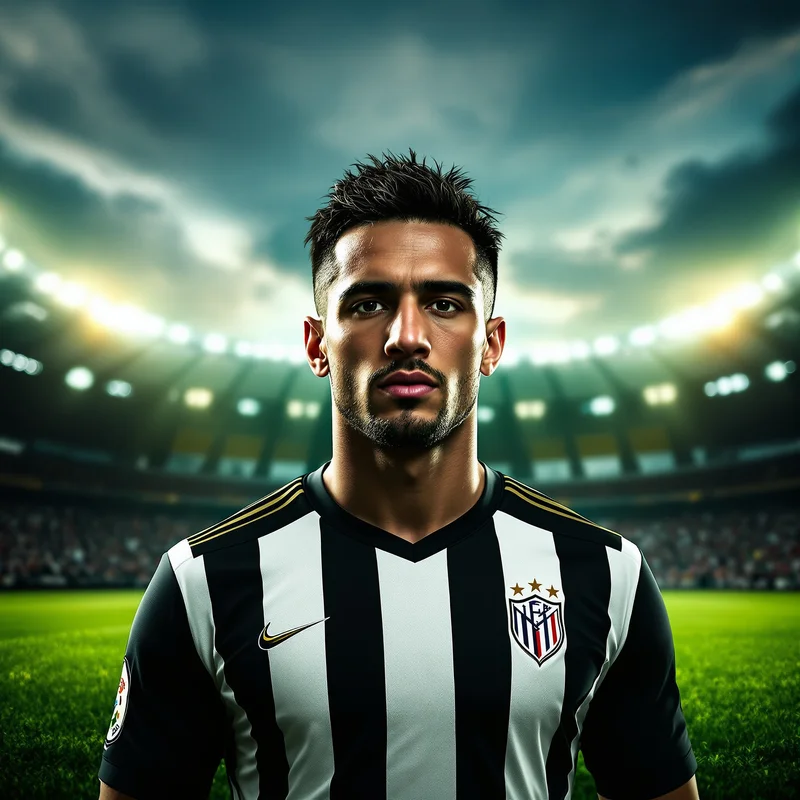
A colder image like this adds more tension and attitude, helping the profile feel harder, sharper, and more emotionally controlled.
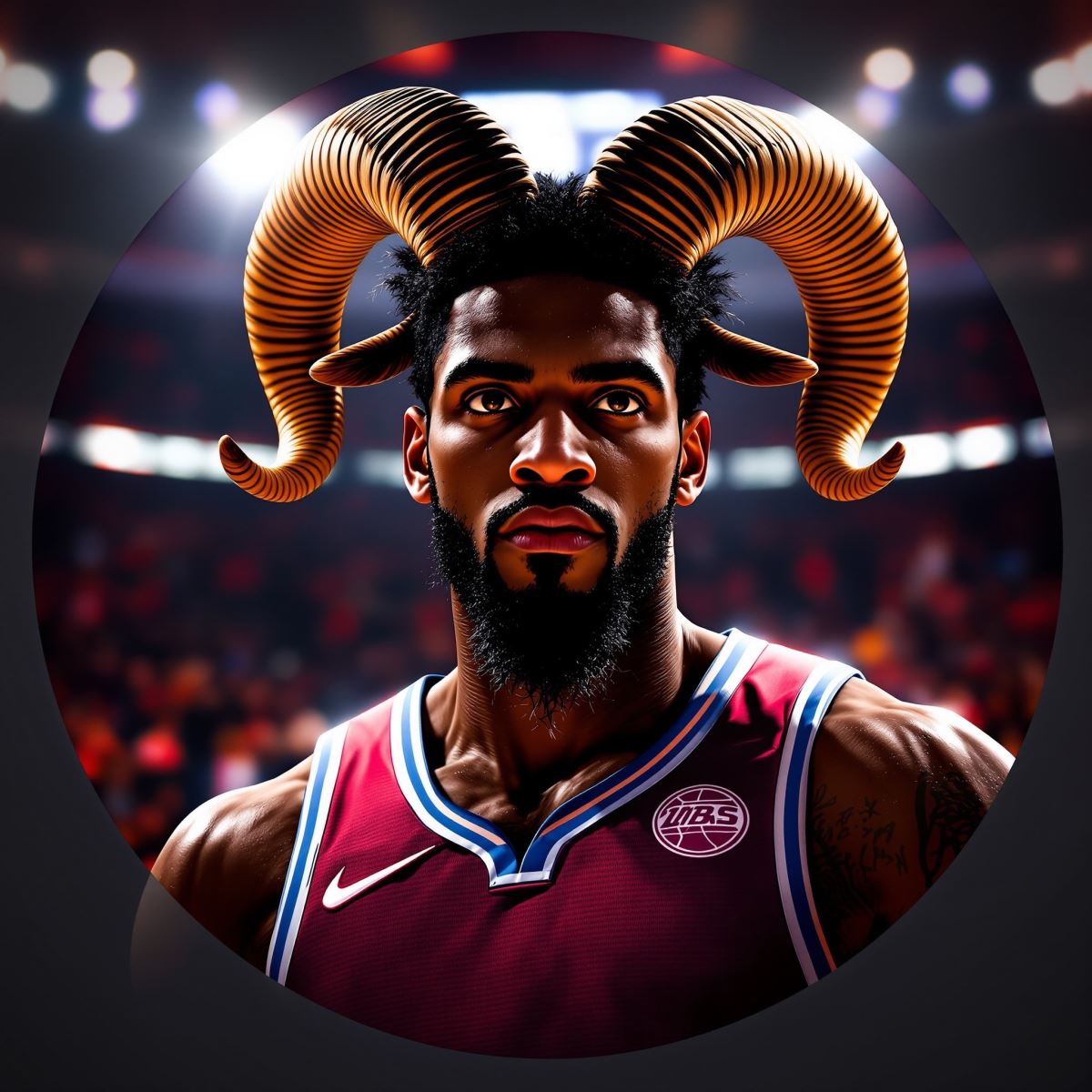
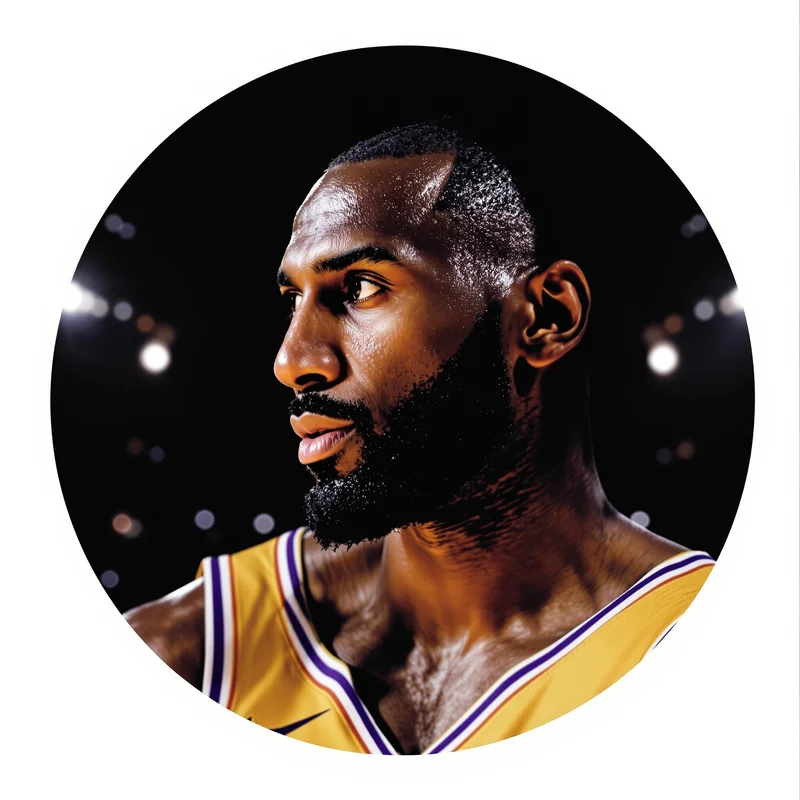
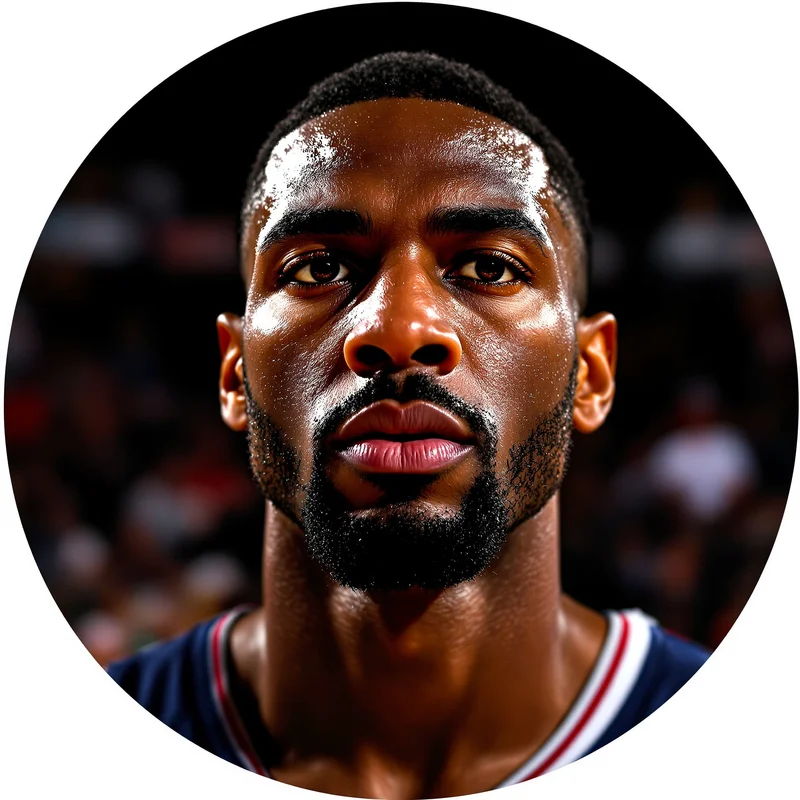
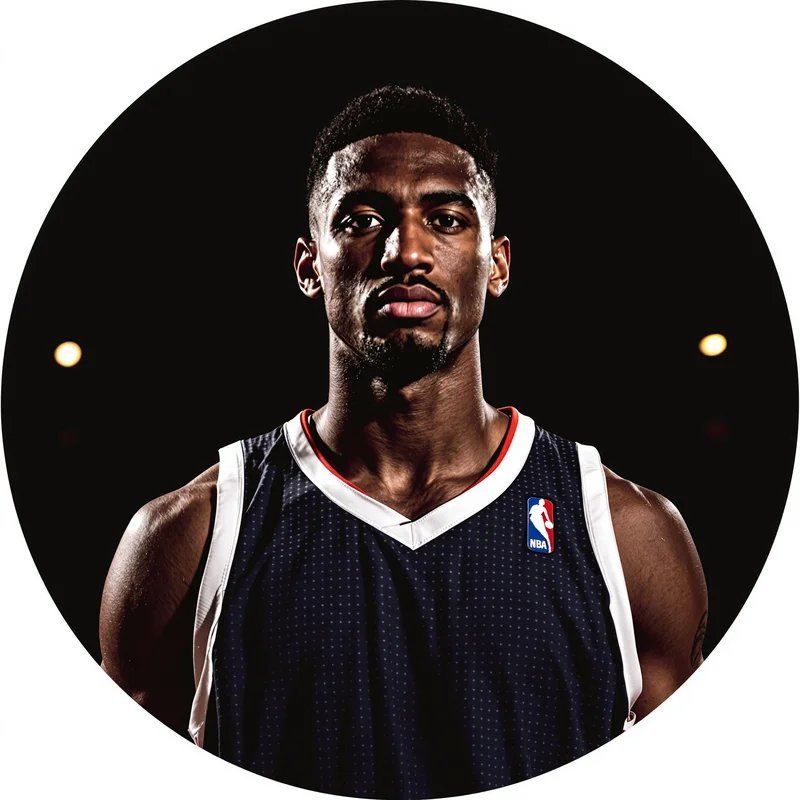
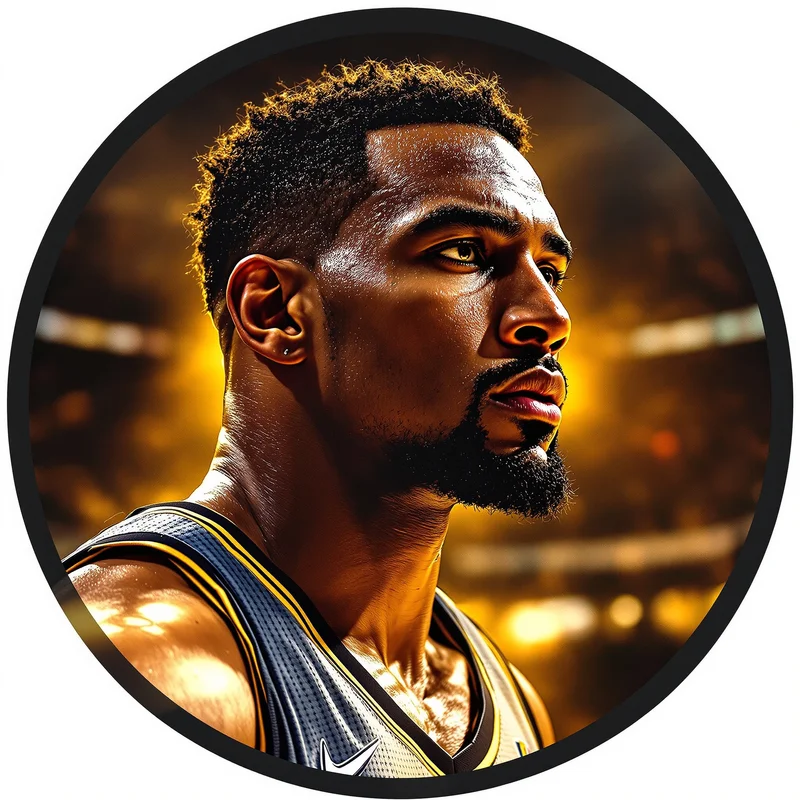
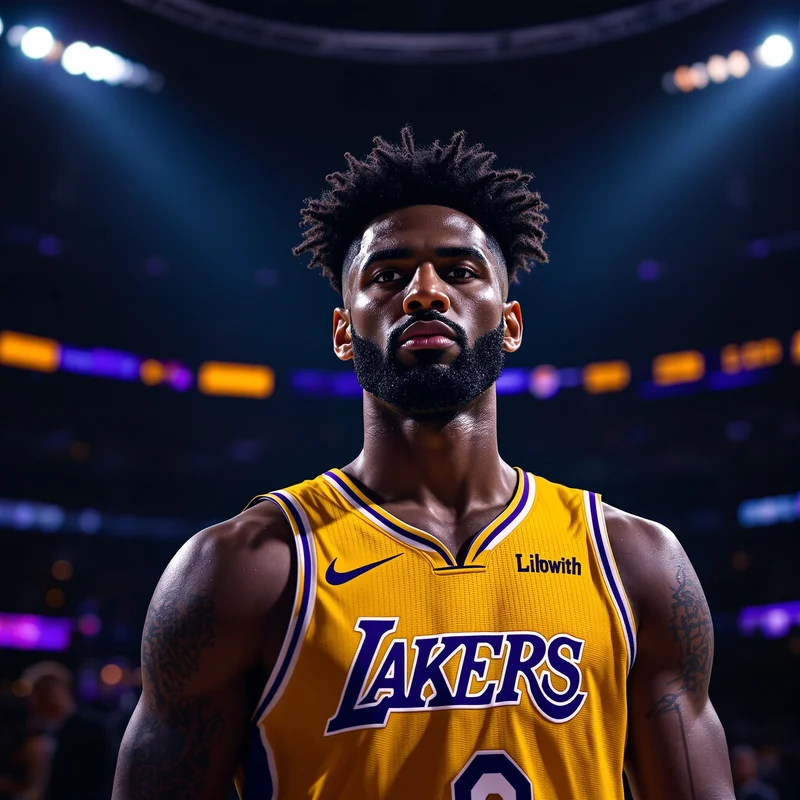
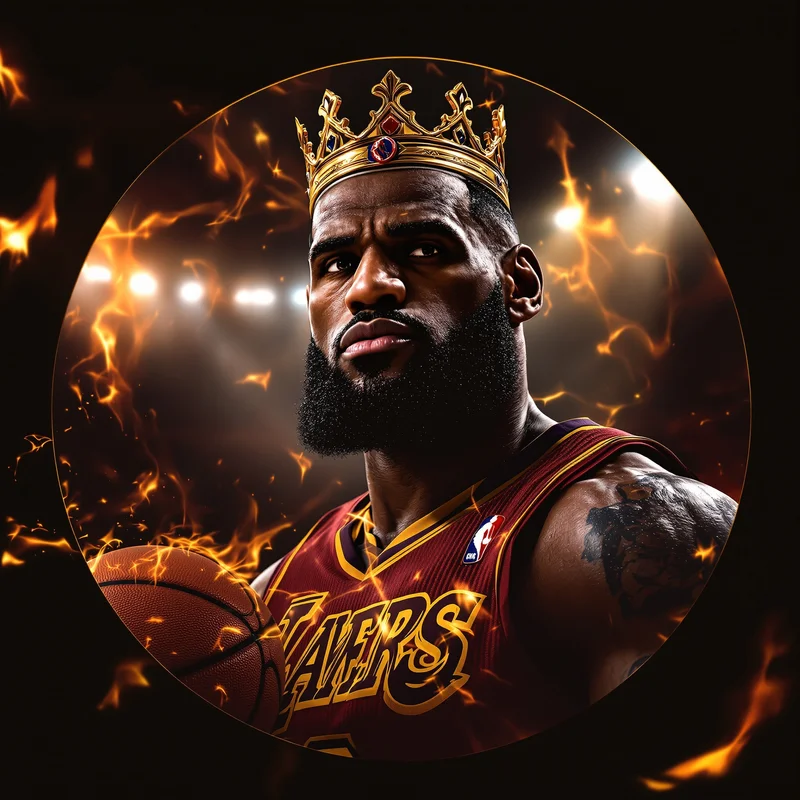
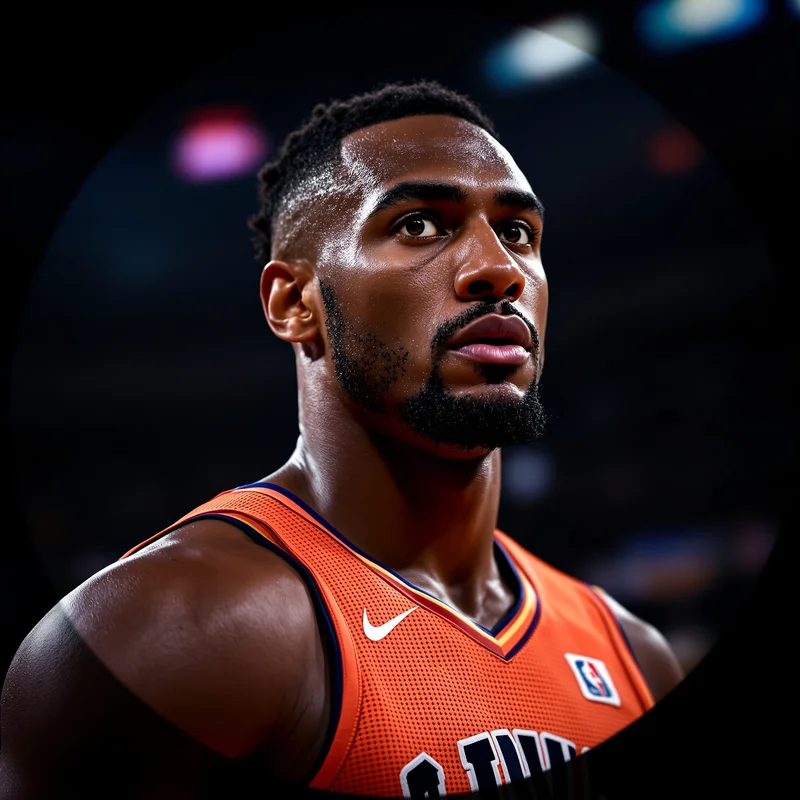
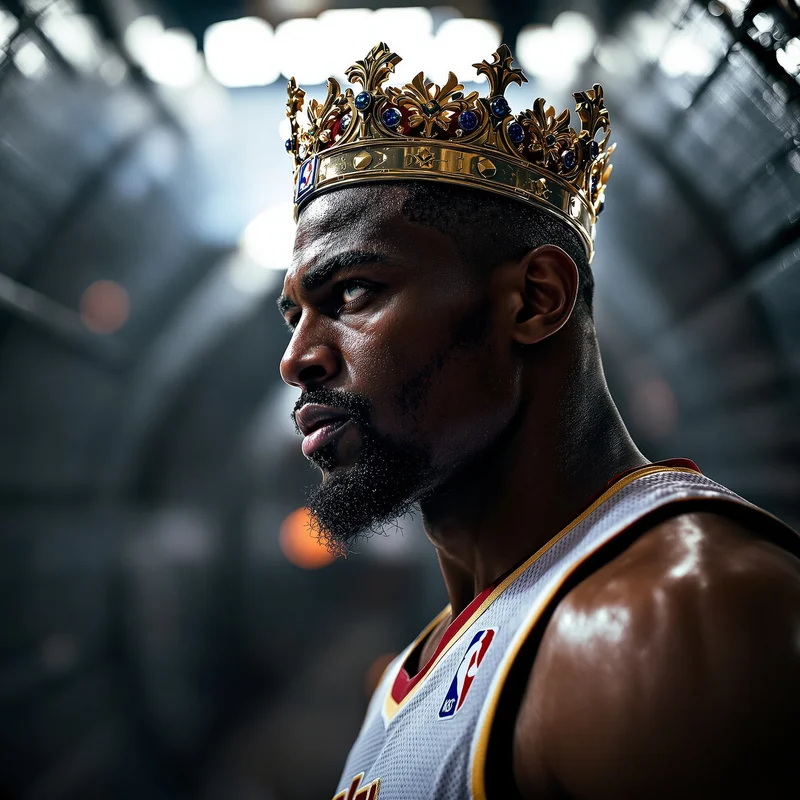
This kind of profile image creates stronger leadership and champion energy, making the account feel more dominant and more culturally recognizable.

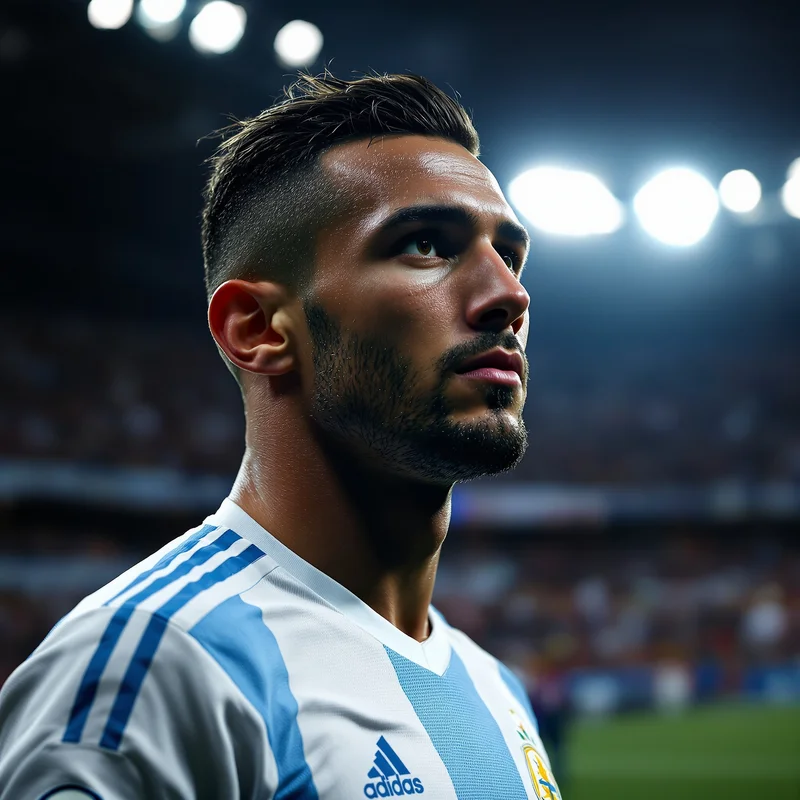
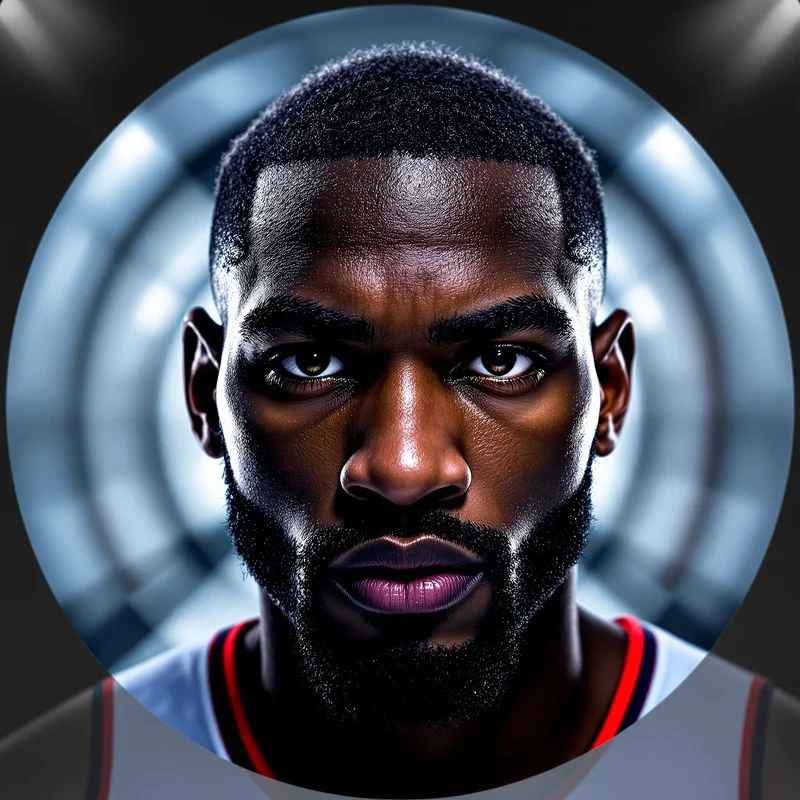
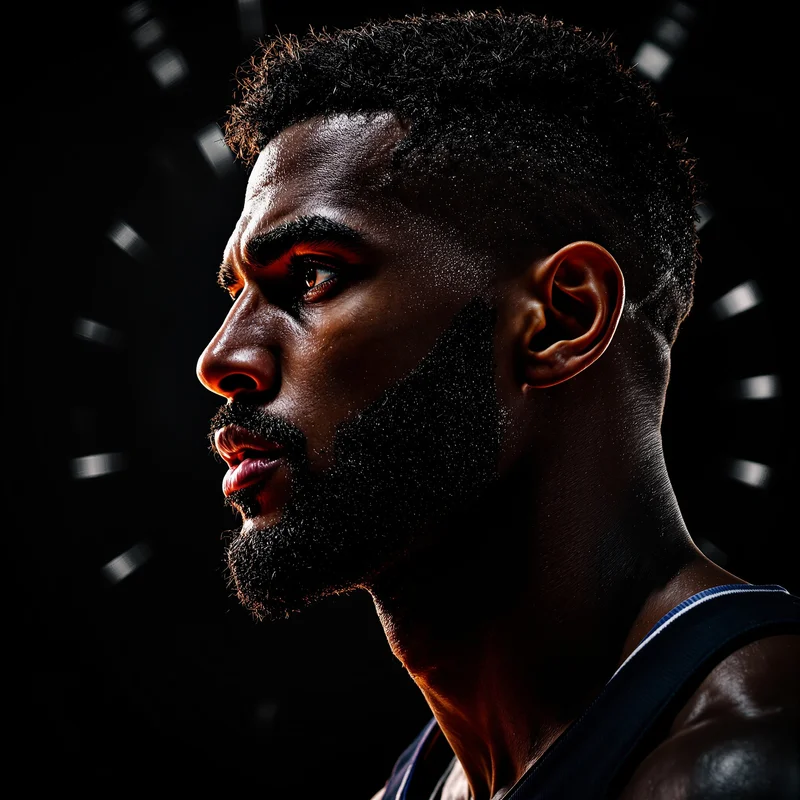
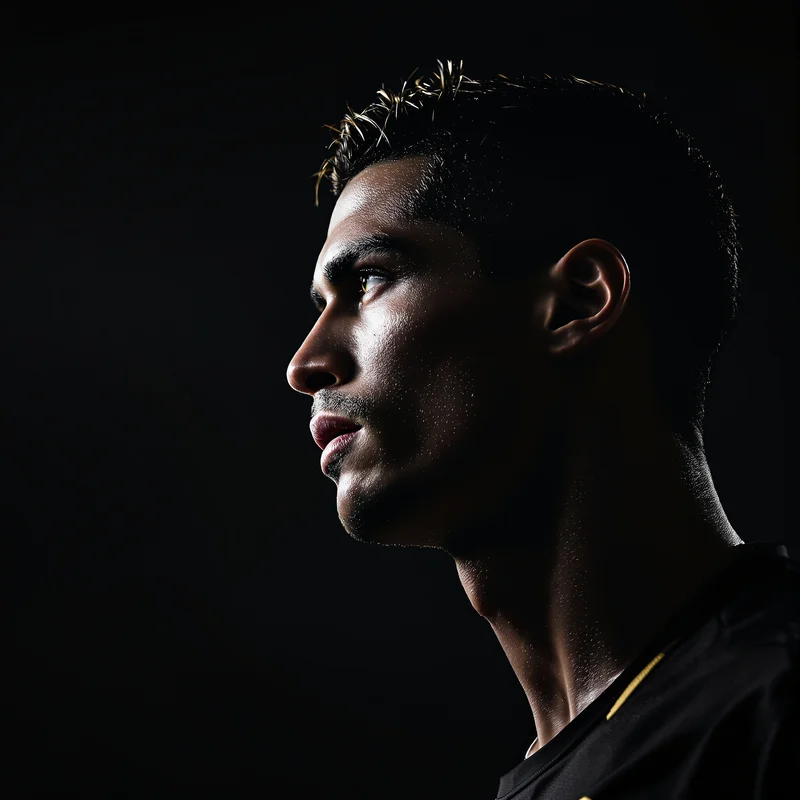
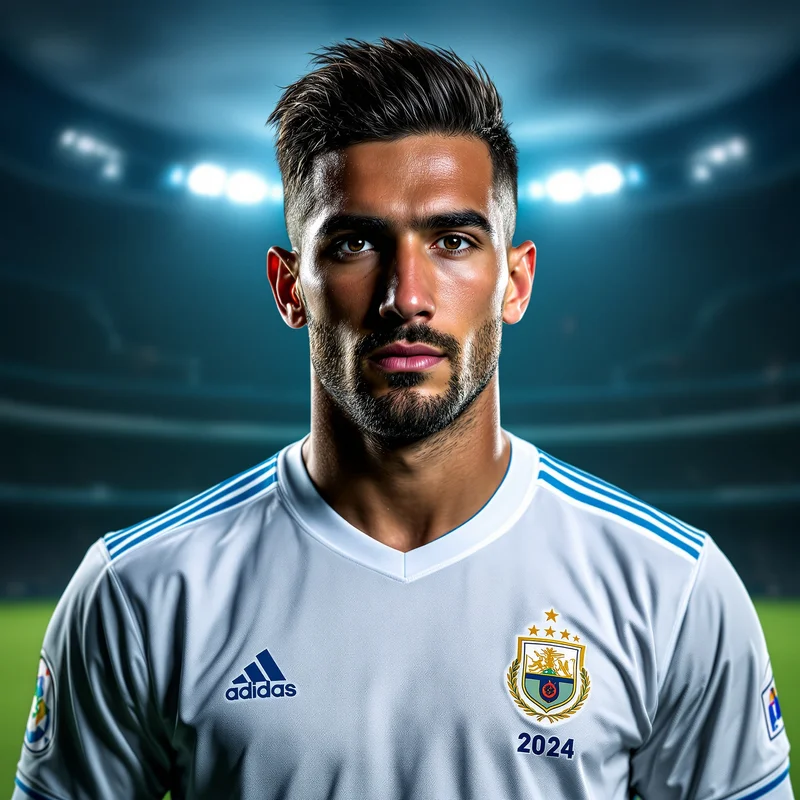
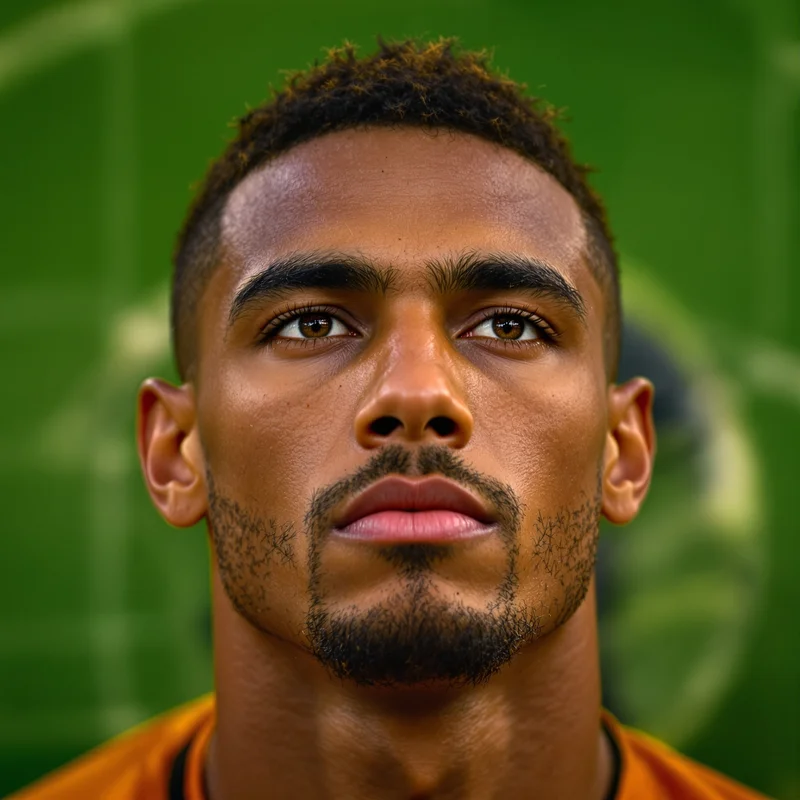
A more elite athlete-driven image like this helps the profile feel precise, accomplished, and highly memorable through sporting greatness.
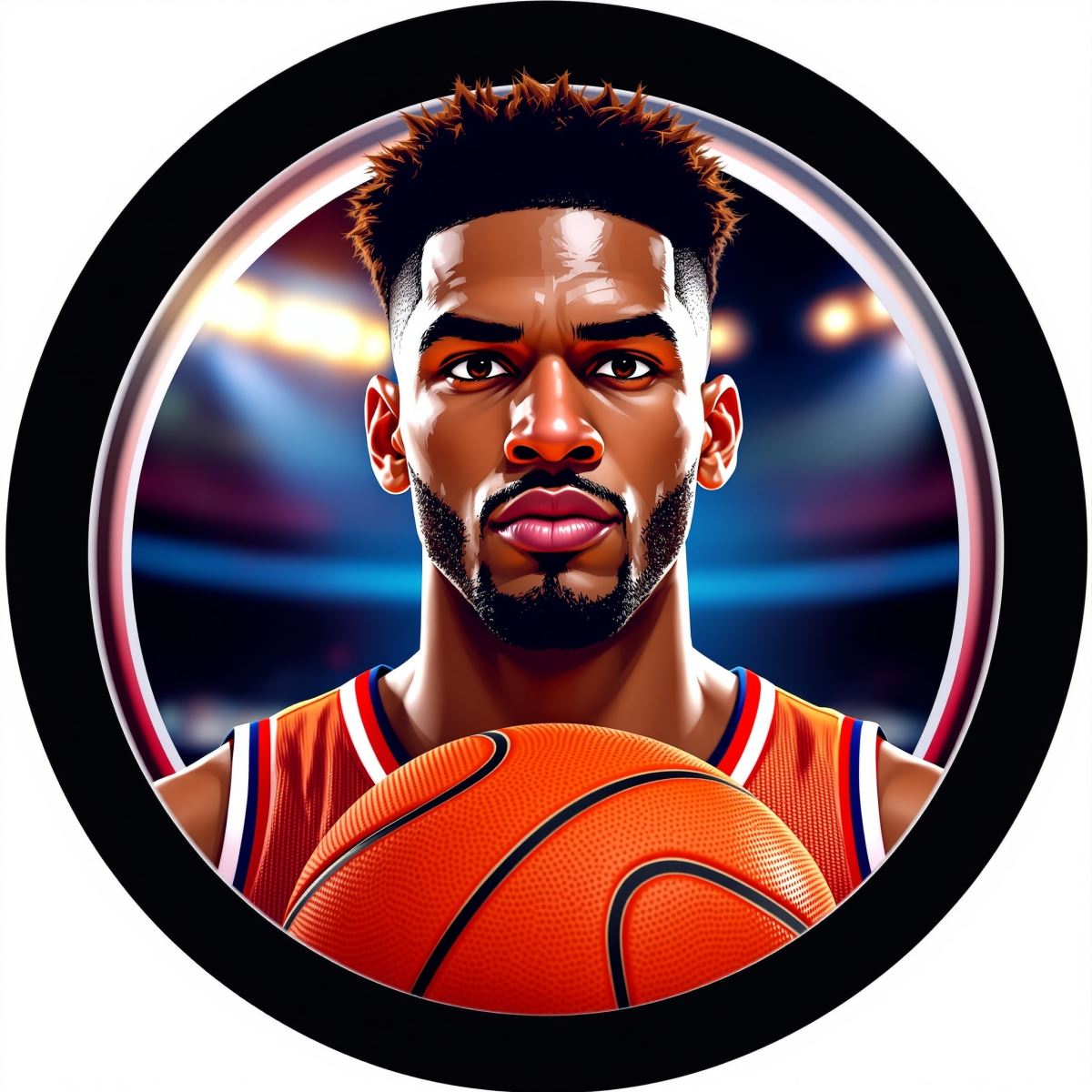
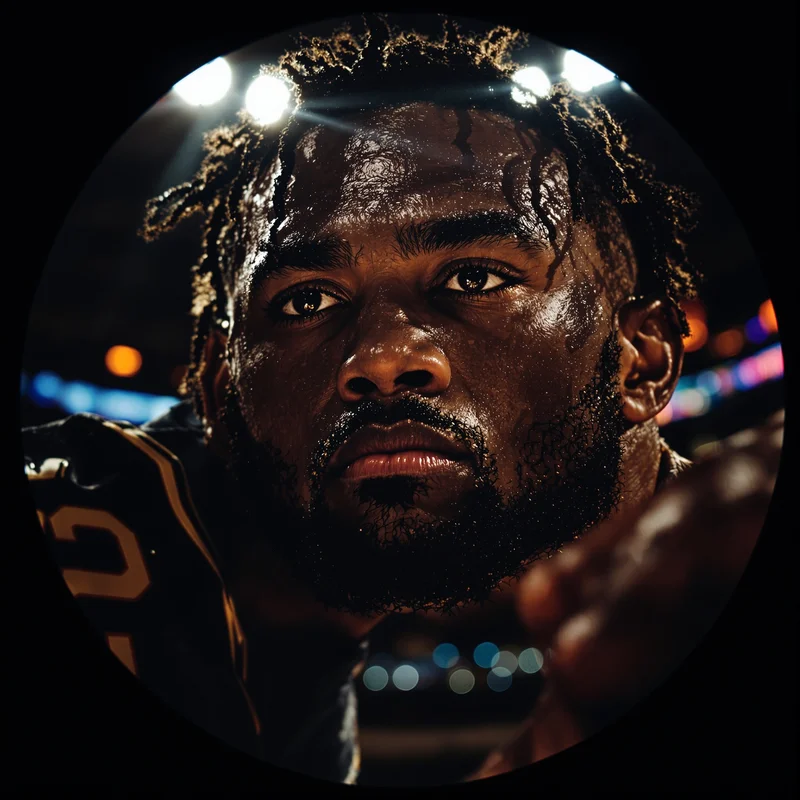
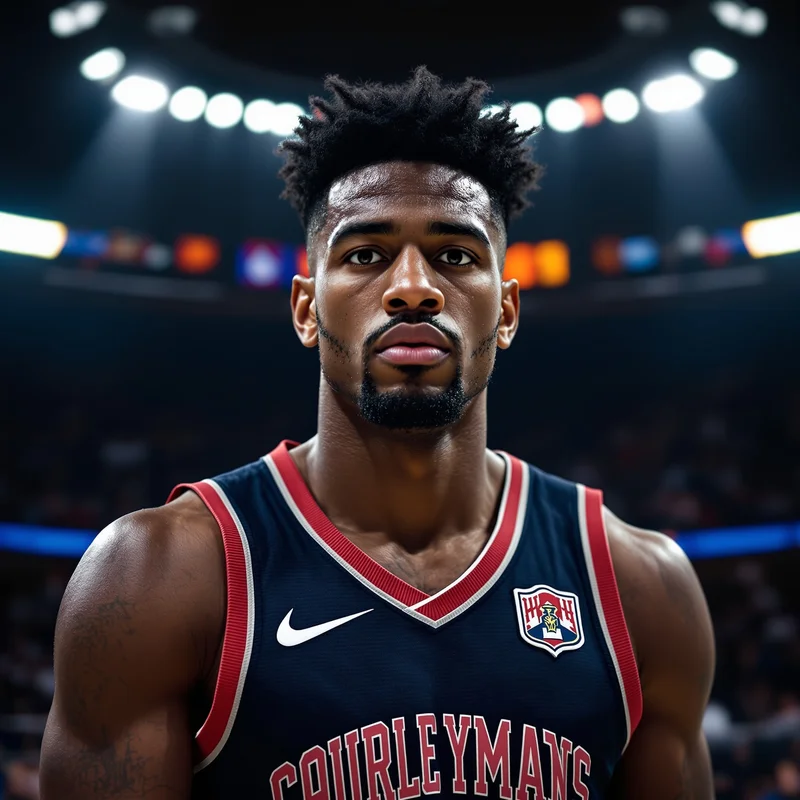
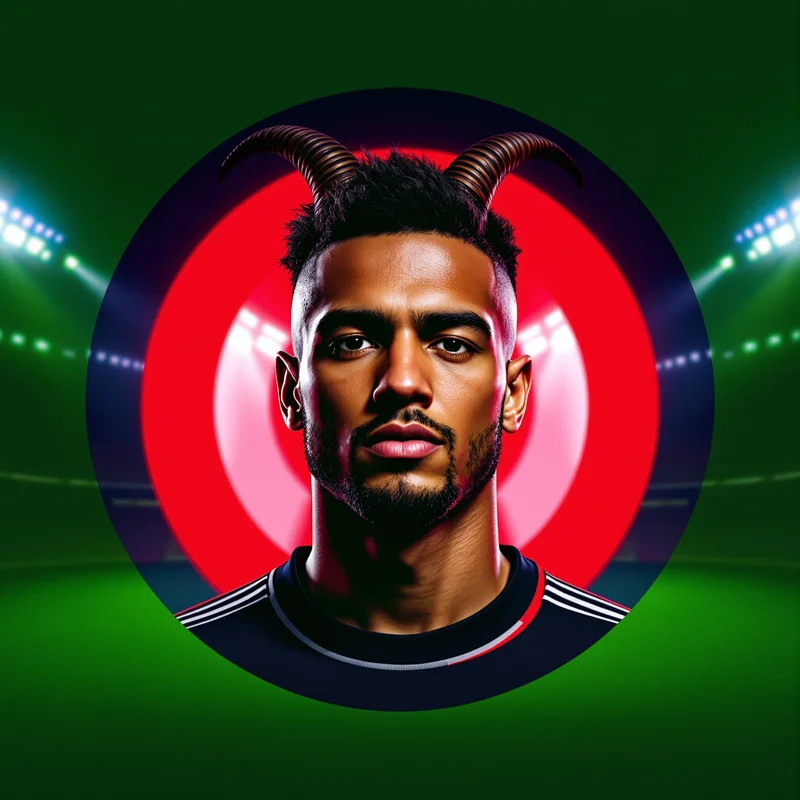
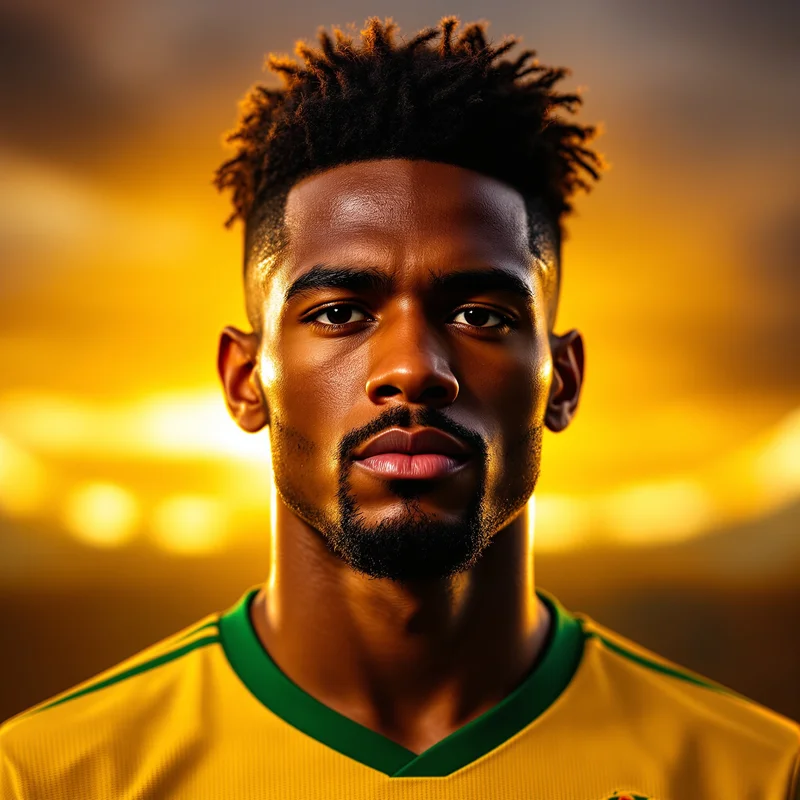
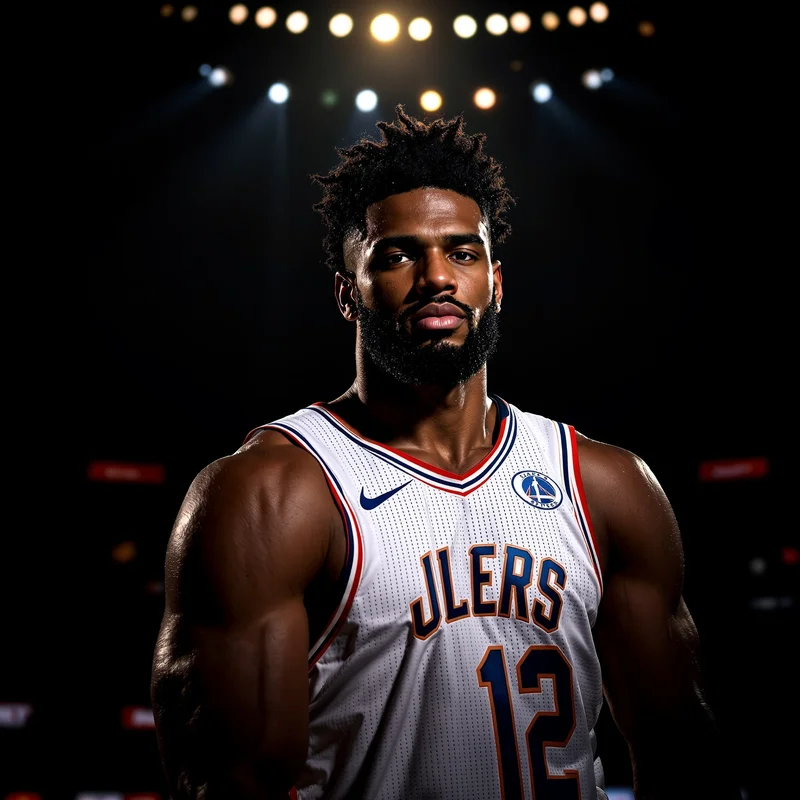
This type of sports avatar balances athletic clarity and competitive emotion, helping the profile feel fast, focused, and visually strong.
Core Sports Identity Paths Inside This Hub
Each child hub inside Sports PFP serves a different competitive identity route. Football PFP supports high-contact, team-driven, broad sports energy. NBA PFP supports league-wide basketball identity, speed, and high-visibility athletic culture. LeBron James PFP supports authority, greatness, consistency, and champion legacy. Messi PFP supports technical mastery, elite status, and controlled excellence. NBA YoungBoy PFP supports a colder and more attitude-heavy profile signal that overlaps with competitive masculinity and hard-edged cultural identity.
These are not the same emotional lane. Some users want broad sports recognition. Others want a specific athlete with stronger symbolic meaning. Others want colder social pressure and more intensity. The parent hub matters because it makes these routes explicit instead of flattening everything into “sports avatars.”
How to Choose the Right Sports PFP
Start with performance tone. Do you want your profile to feel competitive, dominant, champion-minded, precise, aggressive, or culturally intense? That question matters more than just choosing the most famous name. A strong sports avatar should match the emotional temperature of your profile and the kind of pressure you want it to project.
Then think about recognition level. A broad sports category like football or NBA gives you more flexible identity. A specific athlete like Messi or LeBron James creates stronger symbolic precision. The right choice depends on whether you want your profile to feel generally competitive or tightly attached to one iconic sports figure.
Finally, think about memory. A strong Sports PFP is not only visually bold. It becomes something other people connect to your account after repeated exposure. That is why expression, composition, athlete signal, and emotional consistency matter so much inside this hub.
Featured Sports PFP Hubs
FAQ
What is Sports PFP?
Sports PFP is a parent category for profile pictures and avatars built around athletes, sports culture, competition, and strong performance-driven identity.
Why are sports avatars effective for profile pictures?
Sports avatars are effective because they communicate energy, ambition, cultural recognition, and competitive presence quickly in profile environments.
Should I choose a broad sports style or a specific athlete?
Choose a broad sports style if you want flexible competitive identity. Choose a specific athlete if you want stronger symbolic recognition and a more defined profile signal.
What makes a strong Sports PFP?
A strong Sports PFP uses clear athletic identity, readable emotional intensity, and enough cultural or competitive weight that people remember the profile after repeated viewing.