Meme - Weird
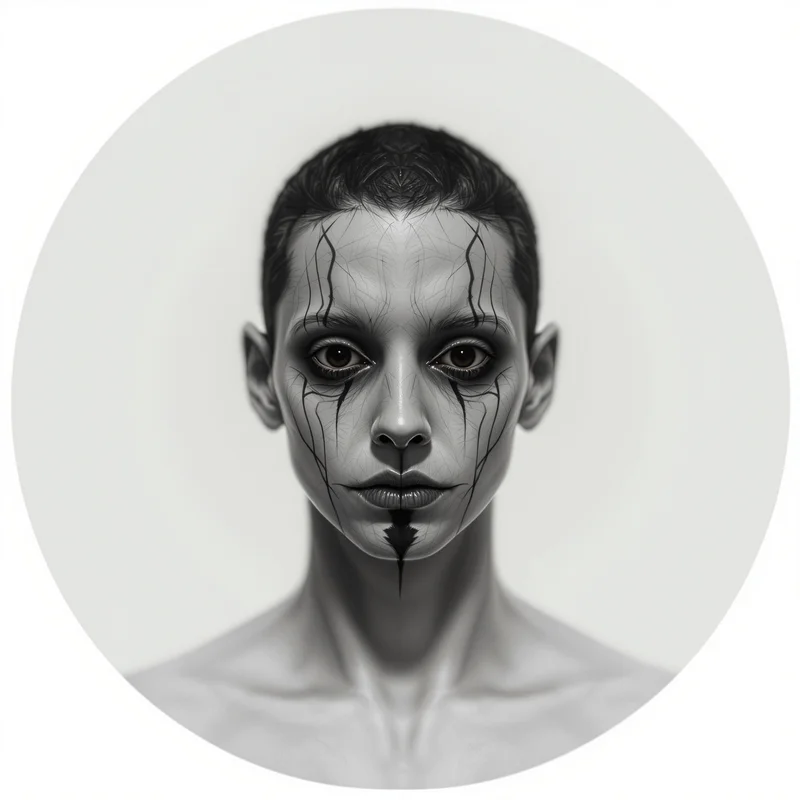
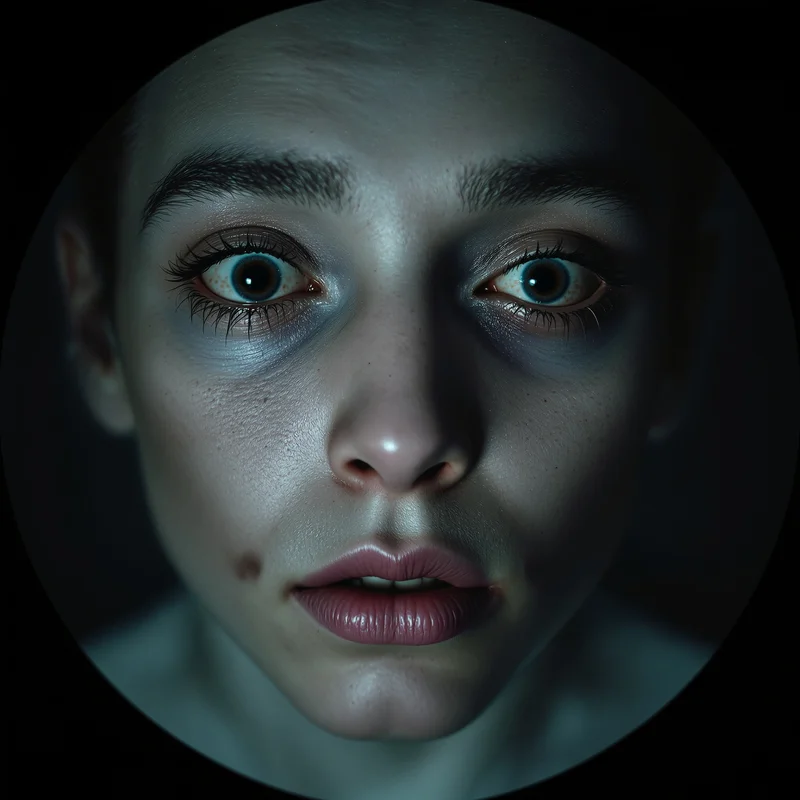
Weird PFP for Uncanny Presence, Odd Humor, and Unforgettable Identity
A Weird PFP works because it refuses to behave like a normal avatar. It does not try to look polished, comforting, or socially smooth. Instead, it creates tension. The profile feels strange in a way that is hard to ignore. That strangeness is exactly what gives it power. In online spaces where many avatars follow the same aesthetic rules, a weird one can create stronger recognition simply by making people stop for half a second longer.
This style is not about random ugliness or meaningless chaos. A strong Weird PFP feels intentional. It carries oddness with purpose. The image may feel surreal, uncanny, awkward, off-balance, abstract, or slightly unsettling, but that effect becomes the identity. The account no longer looks ordinary. It starts to feel like it belongs to someone with unusual humor, unpredictable taste, or a deliberate resistance to looking normal online.
Inside PFP Universe, Weird PFP is treated as an image hub and an identity system rather than a joke category. Users choose this style because weirdness itself can become a social signal. It can suggest irony, absurdity, anti-mainstream taste, strange confidence, or a profile presence that lives outside the usual visual rules. That makes it extremely effective for internet culture, where memorable identity often matters more than traditional polish.
The Identity Logic Behind Weird PFP
A Weird PFP disrupts easy reading. Most profile images are built to communicate something predictable: attractiveness, seriousness, friendliness, status, or a recognizable mood. Weird identity does something else. It introduces uncertainty. The profile becomes harder to categorize. That uncertainty creates curiosity, and curiosity creates memory.
There is also an important social layer here. Weird avatars often work because they reject conventional approval. They do not ask to be liked in the standard way. They ask to be noticed, remembered, or reacted to. That gives the account a more internet-native kind of confidence. Instead of trying to look “good,” it tries to feel distinct. In many online spaces, that is the stronger strategy.
Another reason this style performs well is flexibility. Weird PFP can lean funny, uncanny, surreal, creepy, abstract, awkward, or just deeply unexplainable. That range gives users room to shape the exact kind of weirdness they want. Some want harmless absurdity. Others want a more cursed or unsettling tone. Some want the profile to feel like an inside joke that nobody fully understands. The common thread is identity through abnormality.
Visual Logic That Makes Weird PFP Effective
The strongest Weird PFP images rely on readable oddness. Even when the image is strange, it still needs a clear focal point. The weirdness has to survive at small size. That means the expression, shape, distortion, or visual tension should remain obvious in a profile circle, social feed, or chat list. If the image becomes too muddy, the effect weakens.
Another key factor is balance between clarity and discomfort. A Weird PFP often works best when it feels just slightly wrong in a way that the eye catches immediately. That can come from composition, facial logic, mood, proportion, color, or expression. The image should not feel like random visual noise. It should feel coherent enough to register, but strange enough to linger.
Contrast also matters. Weird avatars need strong visibility because the social effect depends on instant reaction. A profile image that is weird but unreadable will not perform as well as one that is weird and clean at the same time. The best versions keep the oddness sharp, not blurry.
Most importantly, the image should feel chosen. A good Weird PFP suggests that the user understands exactly what kind of strange signal they want to send. That makes the profile more memorable, more specific, and much harder to confuse with generic identity styles.
Weird PFP Gallery
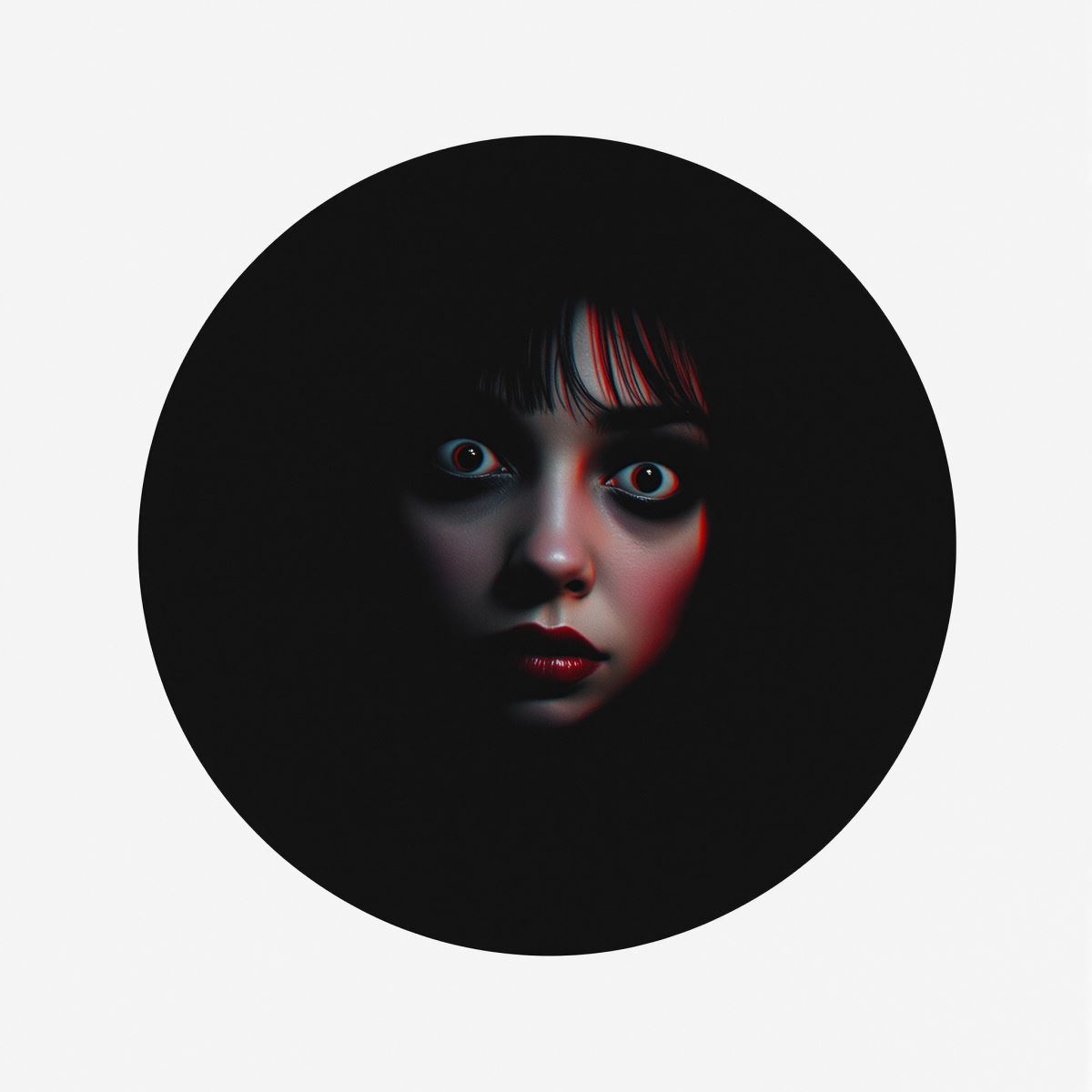
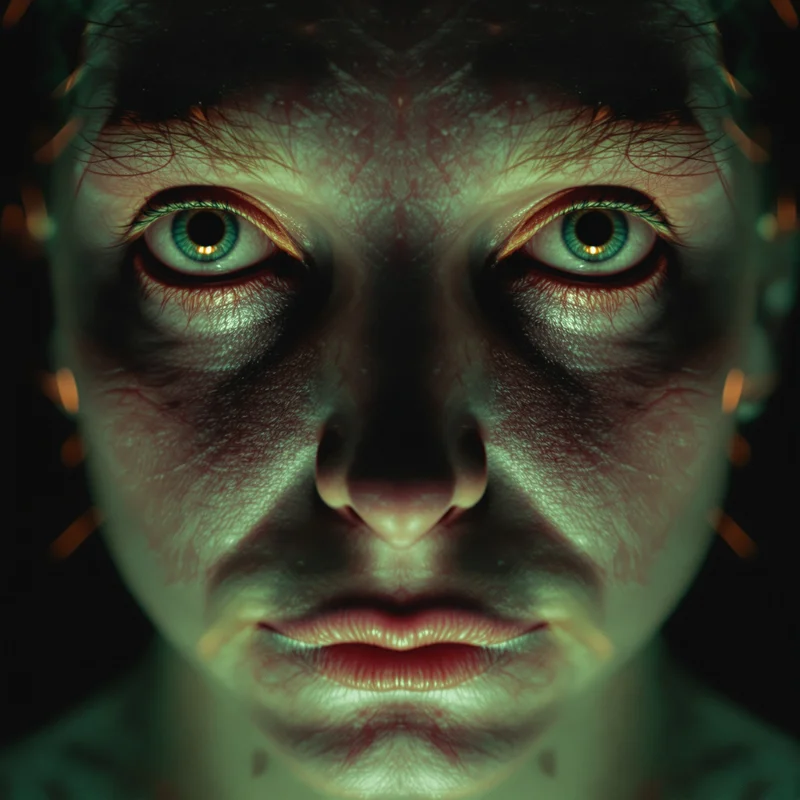
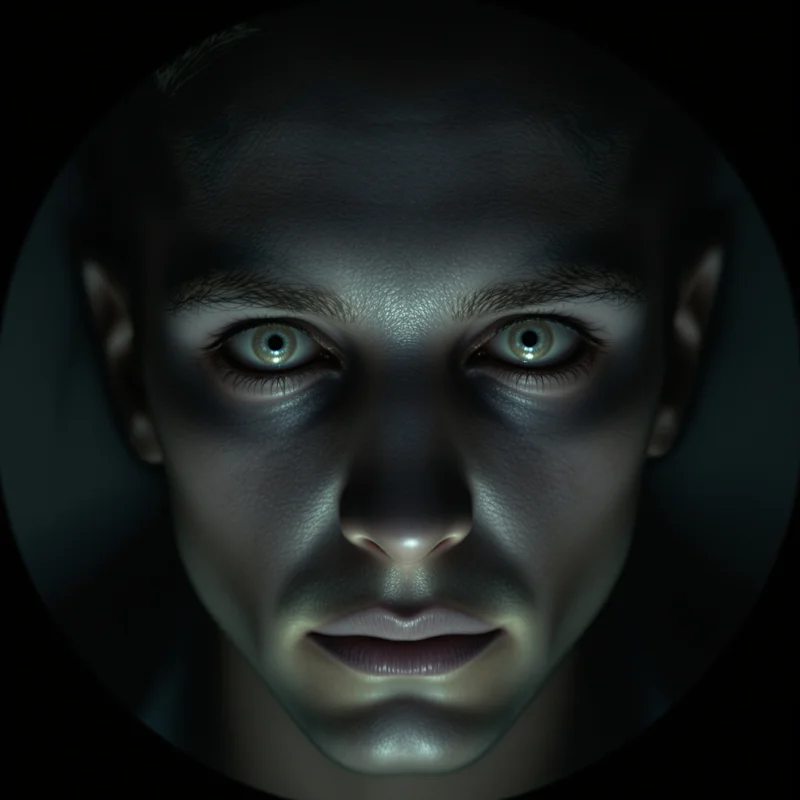
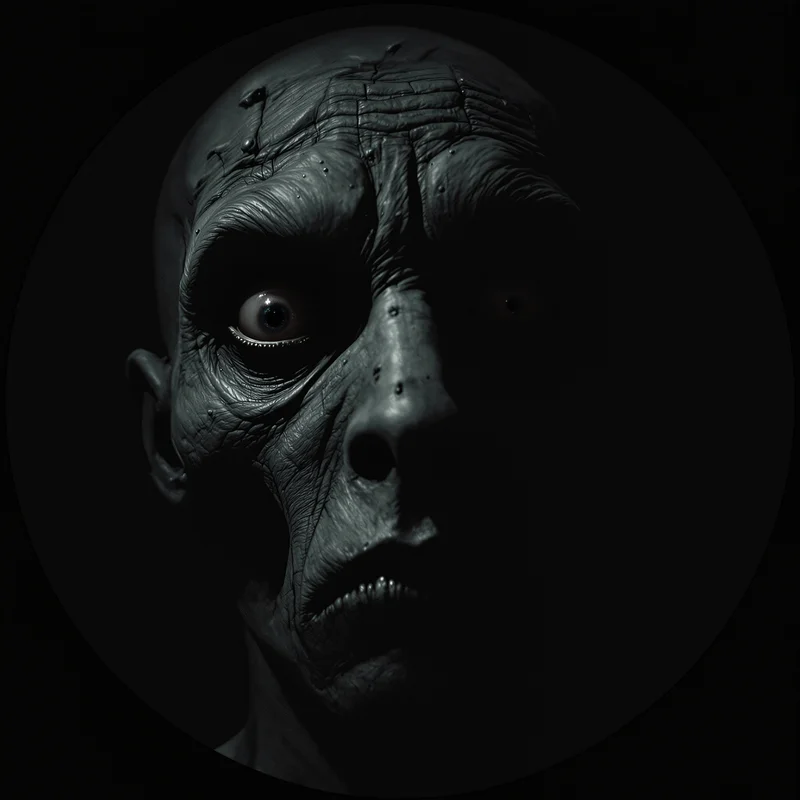
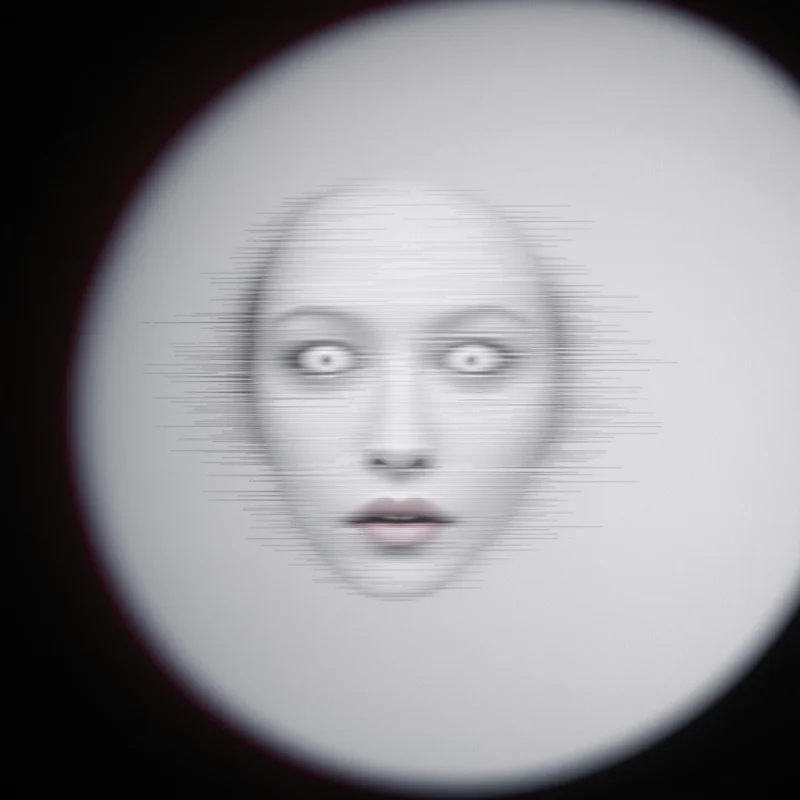
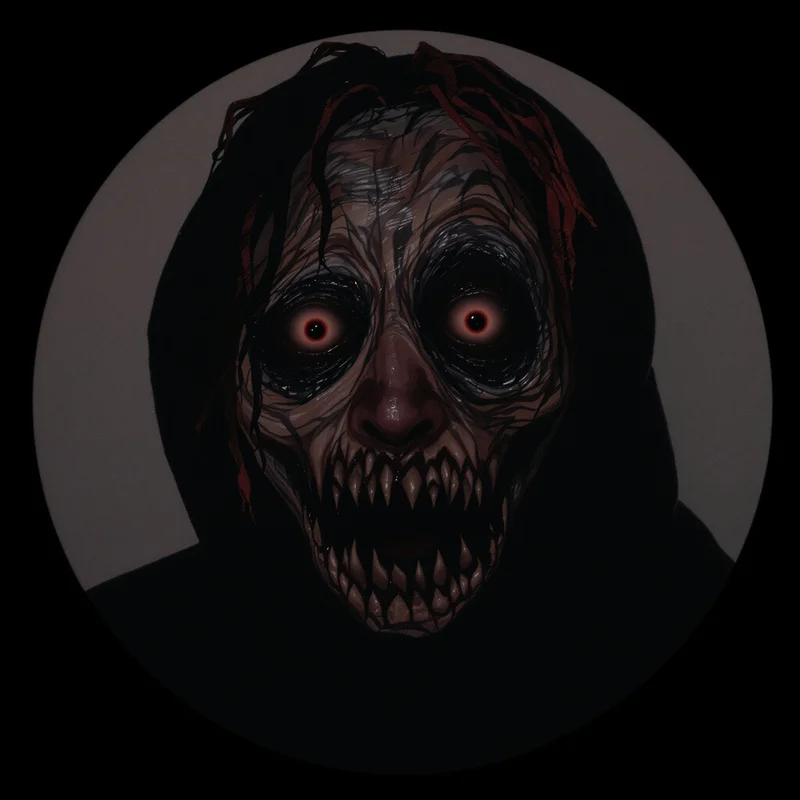
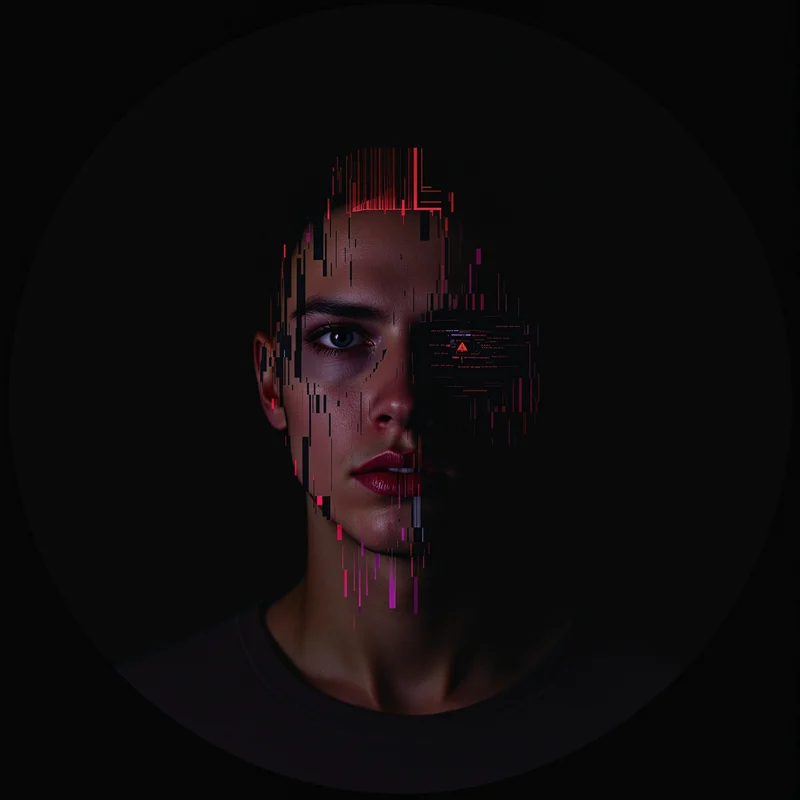
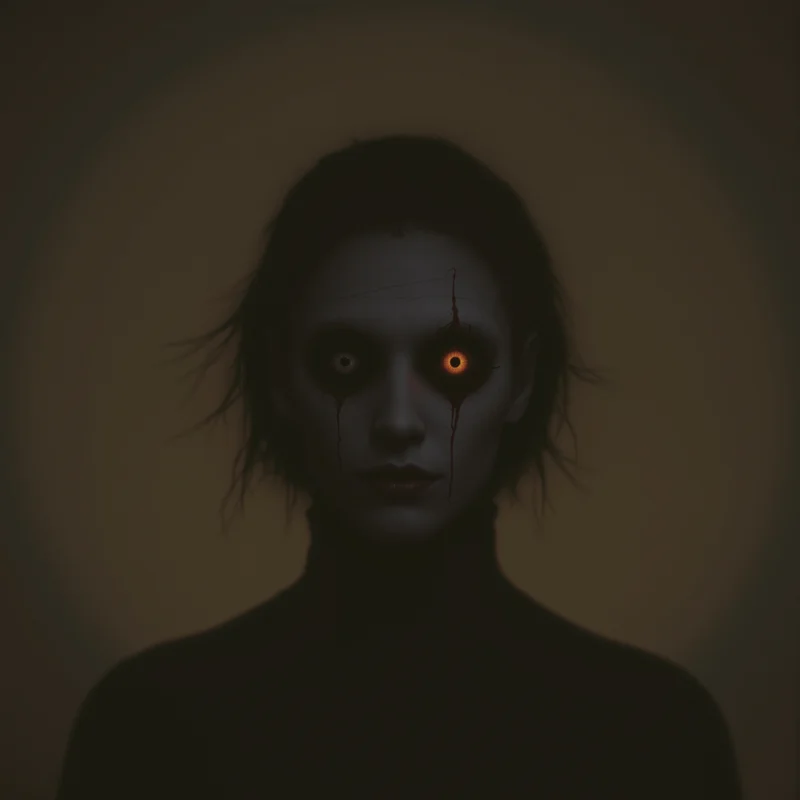
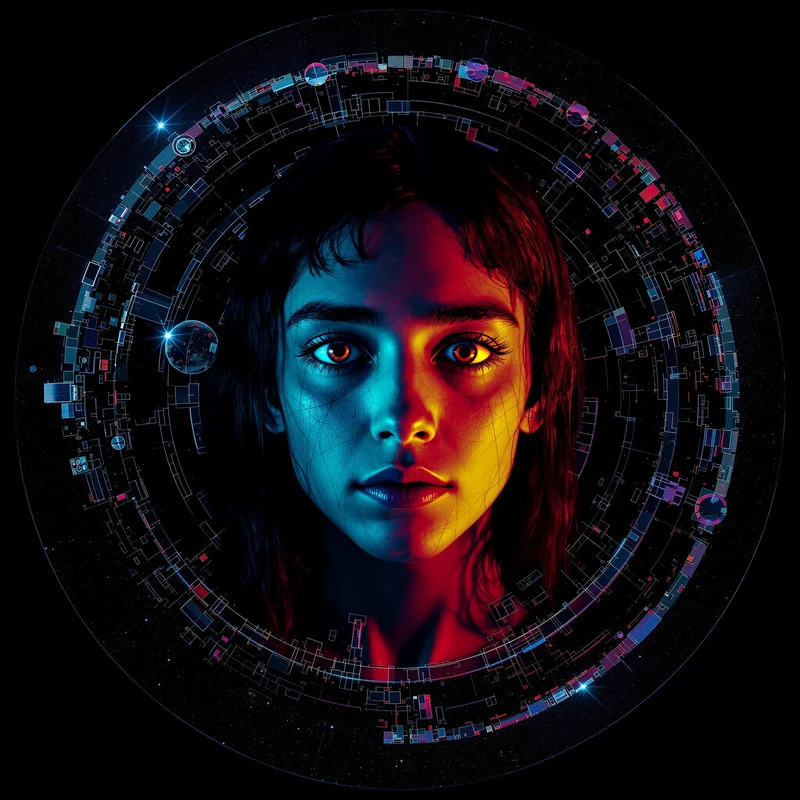
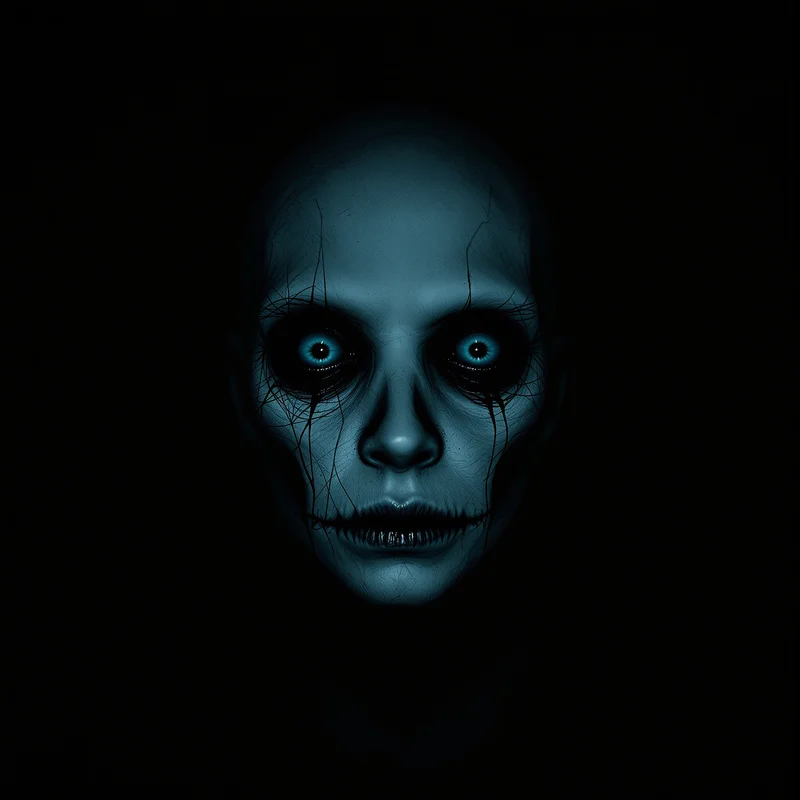
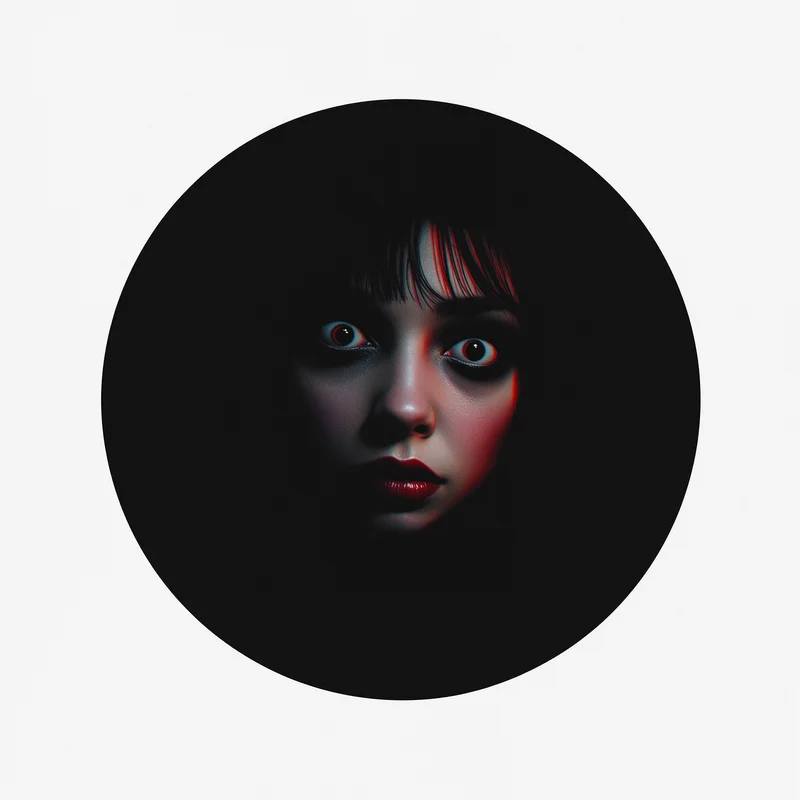
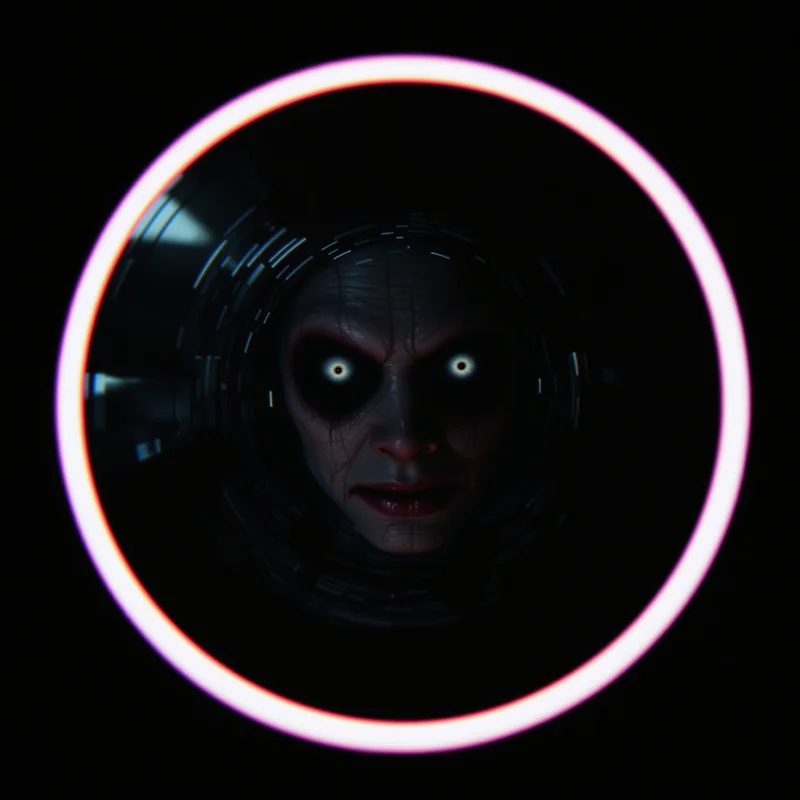
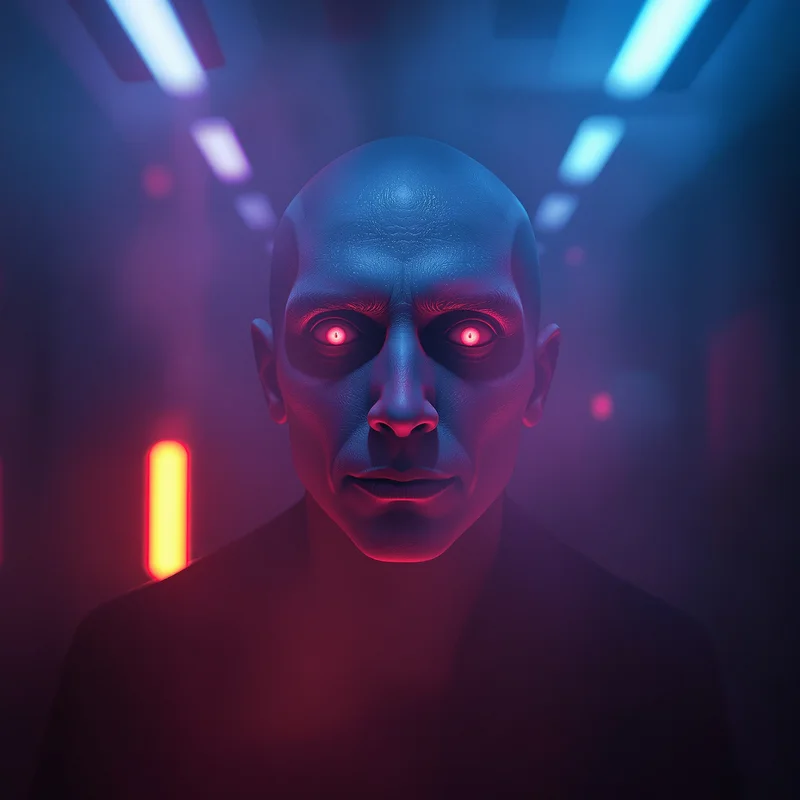
This Weird PFP gives the profile a sharper sense of abnormality, turning strange energy into a stronger recognition signal.
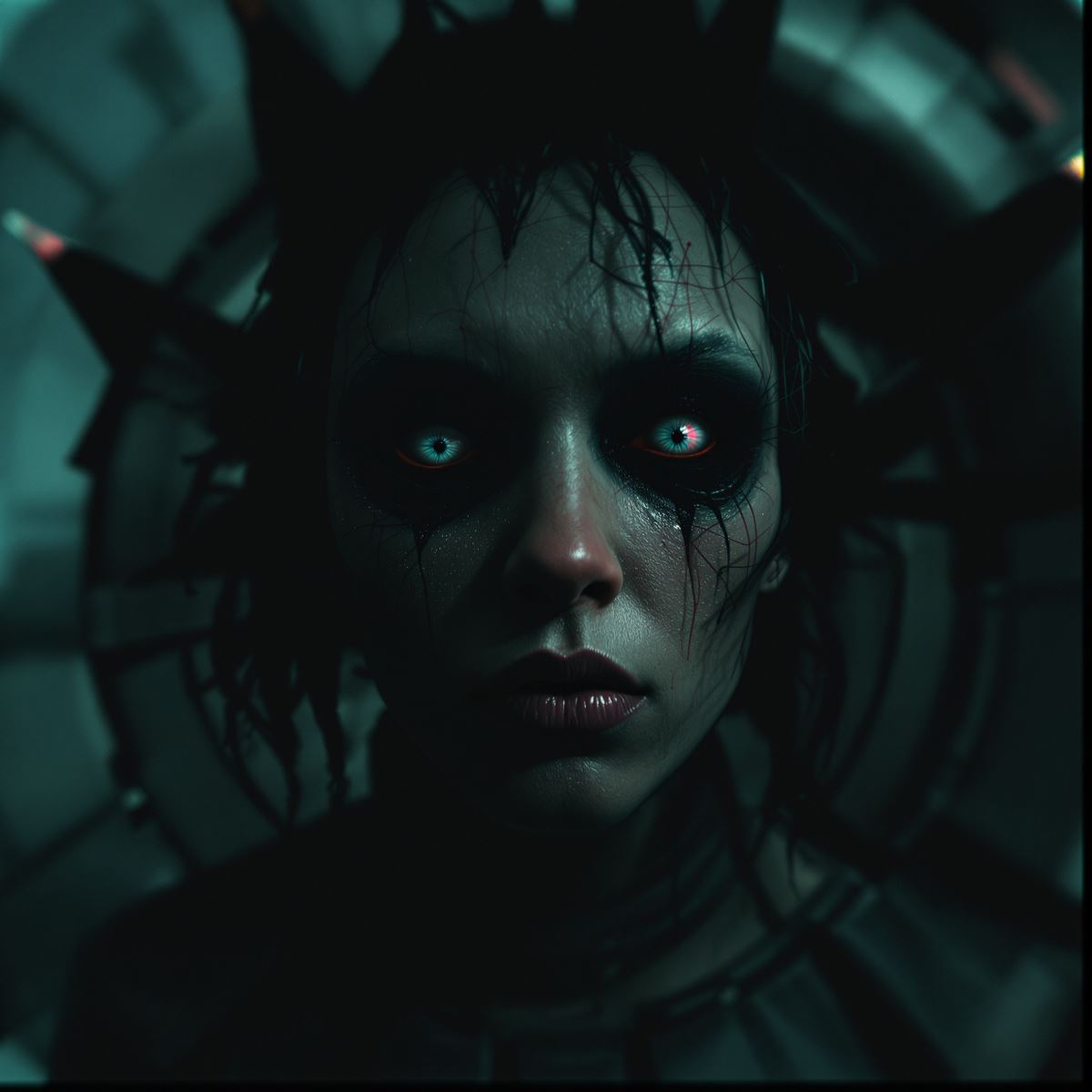
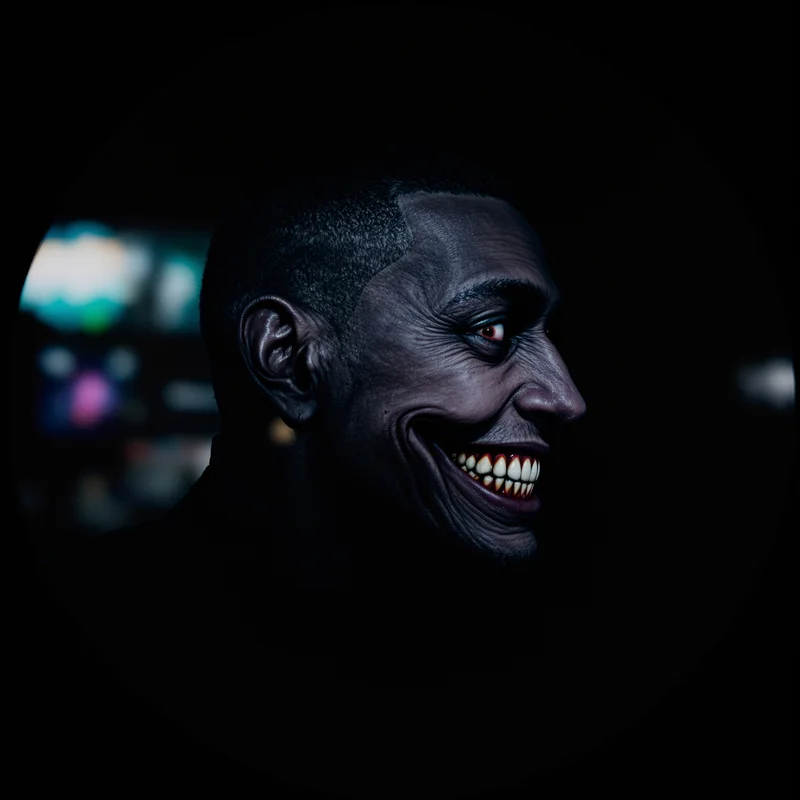
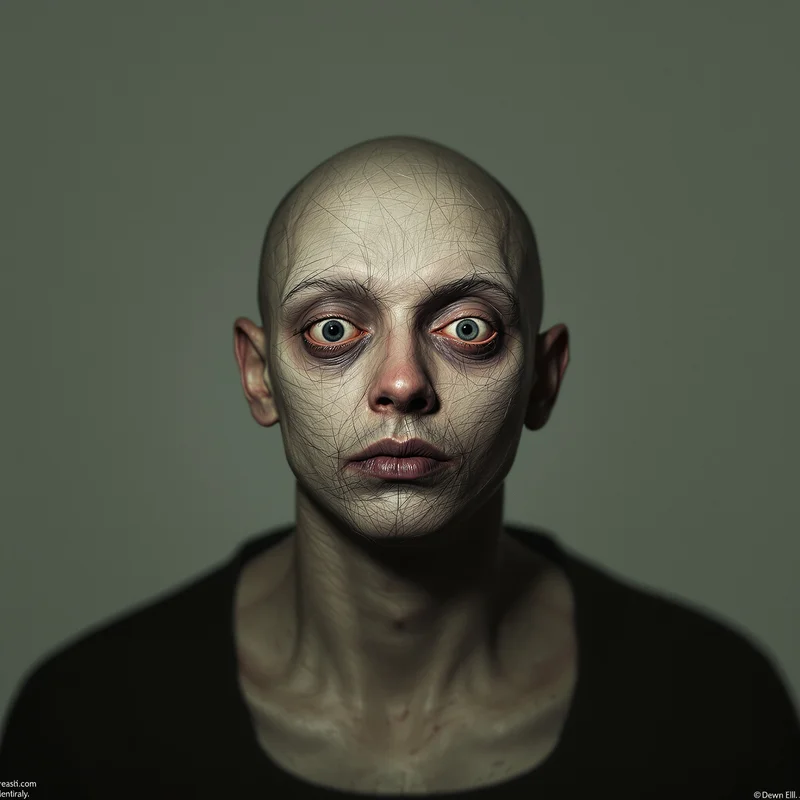
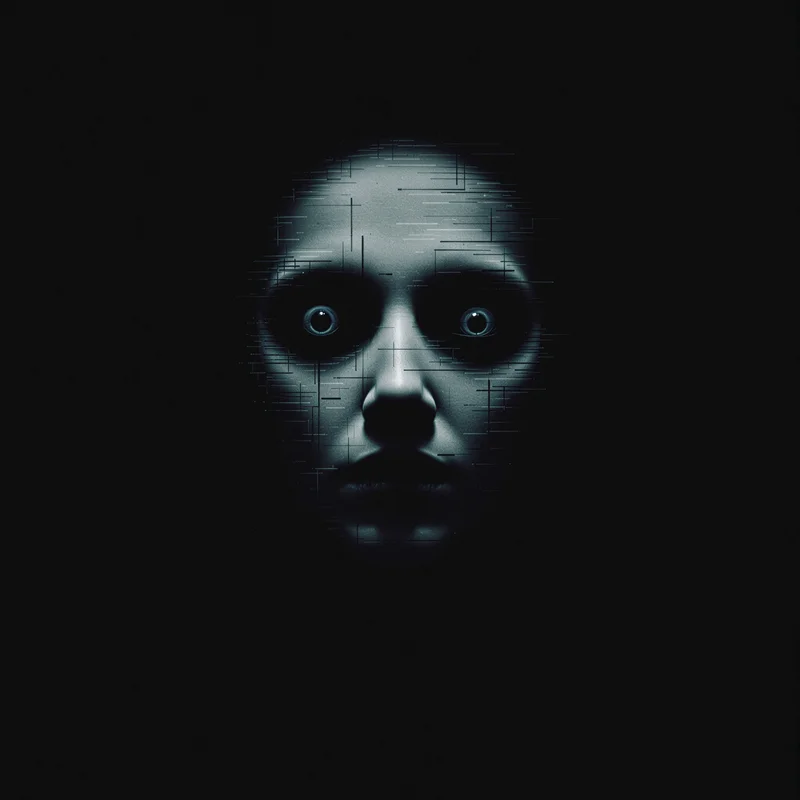
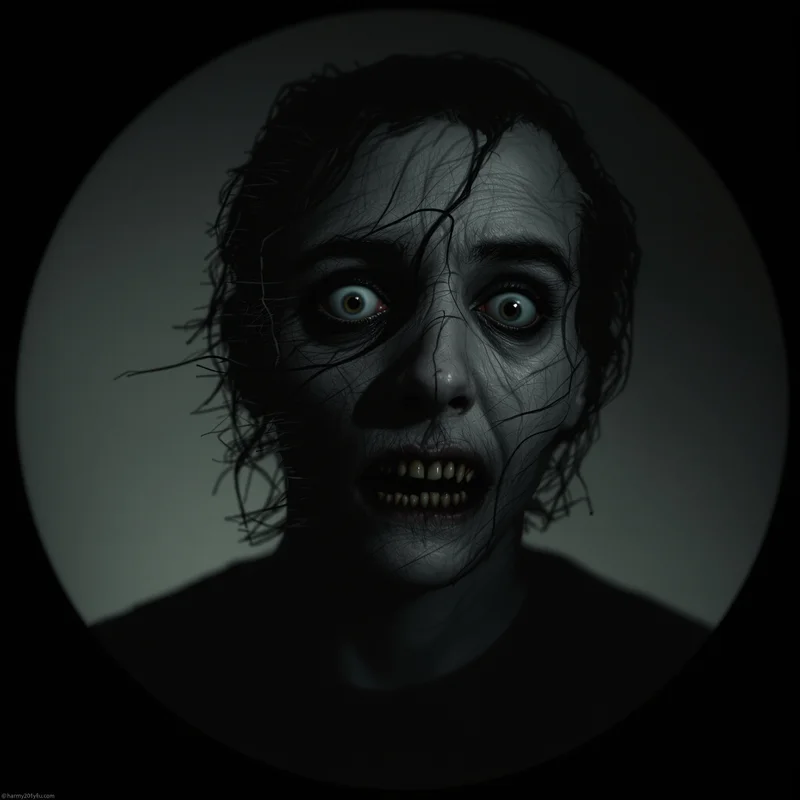
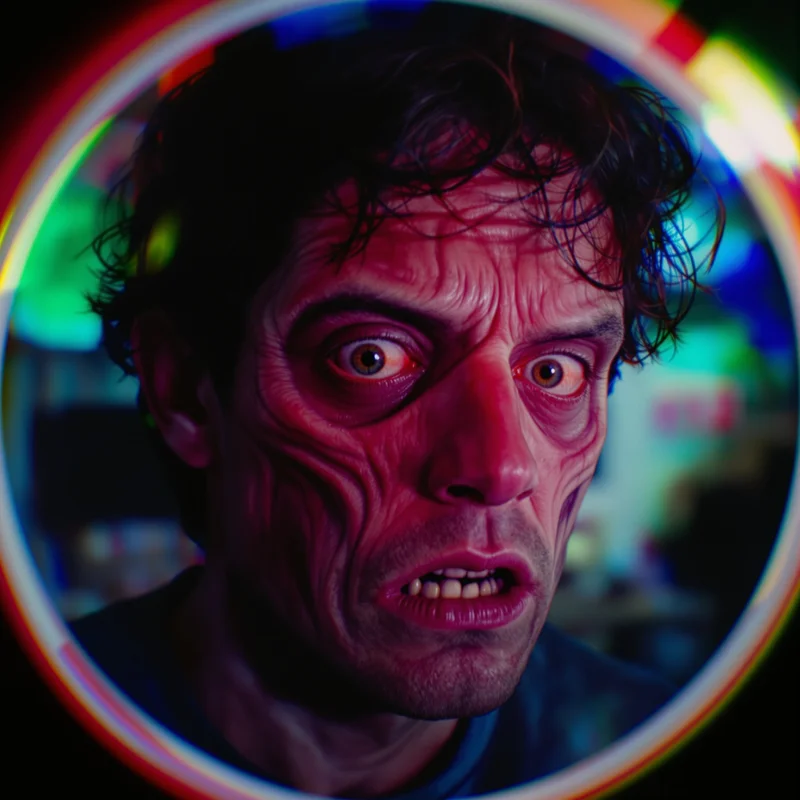
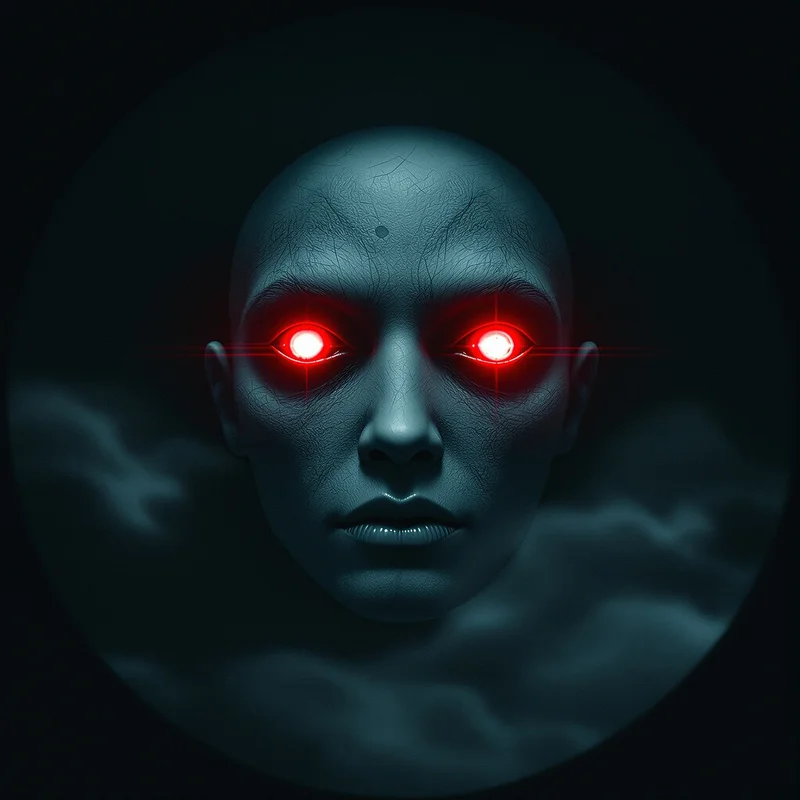
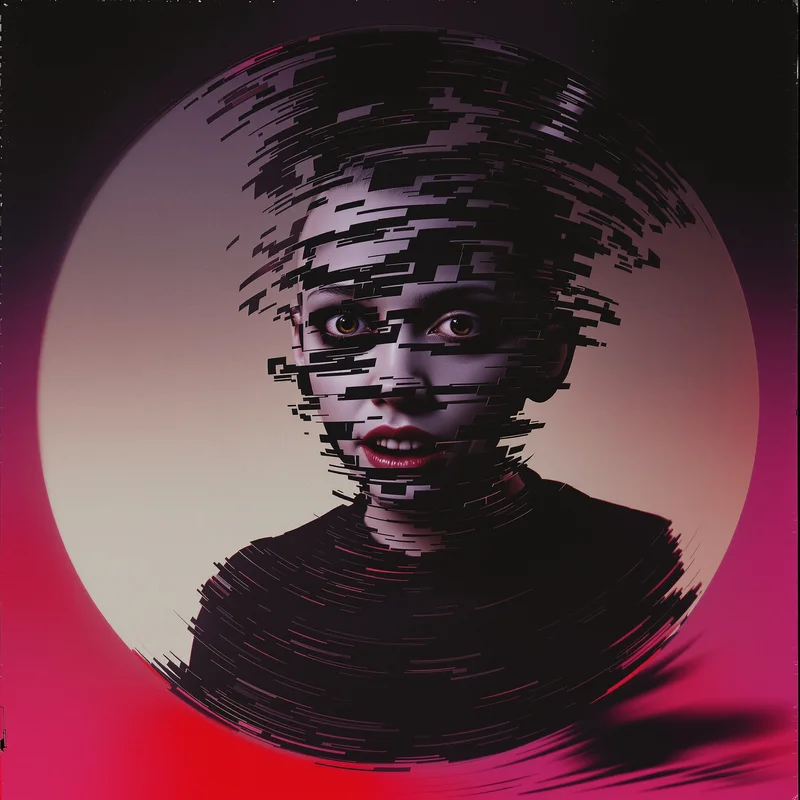
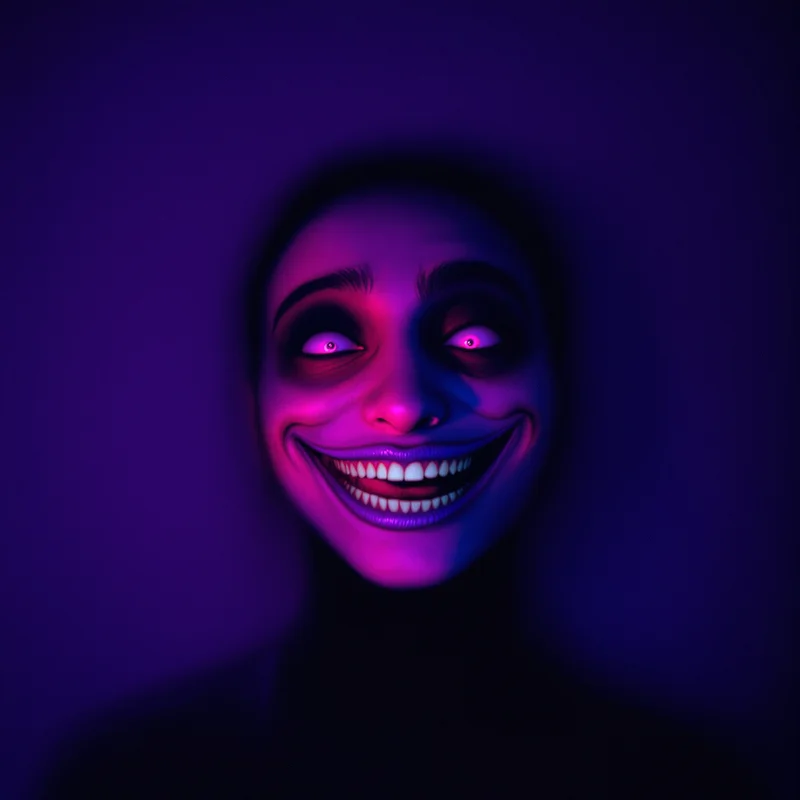
Built around controlled oddness, this avatar helps the profile feel unusual without losing visual clarity or impact.
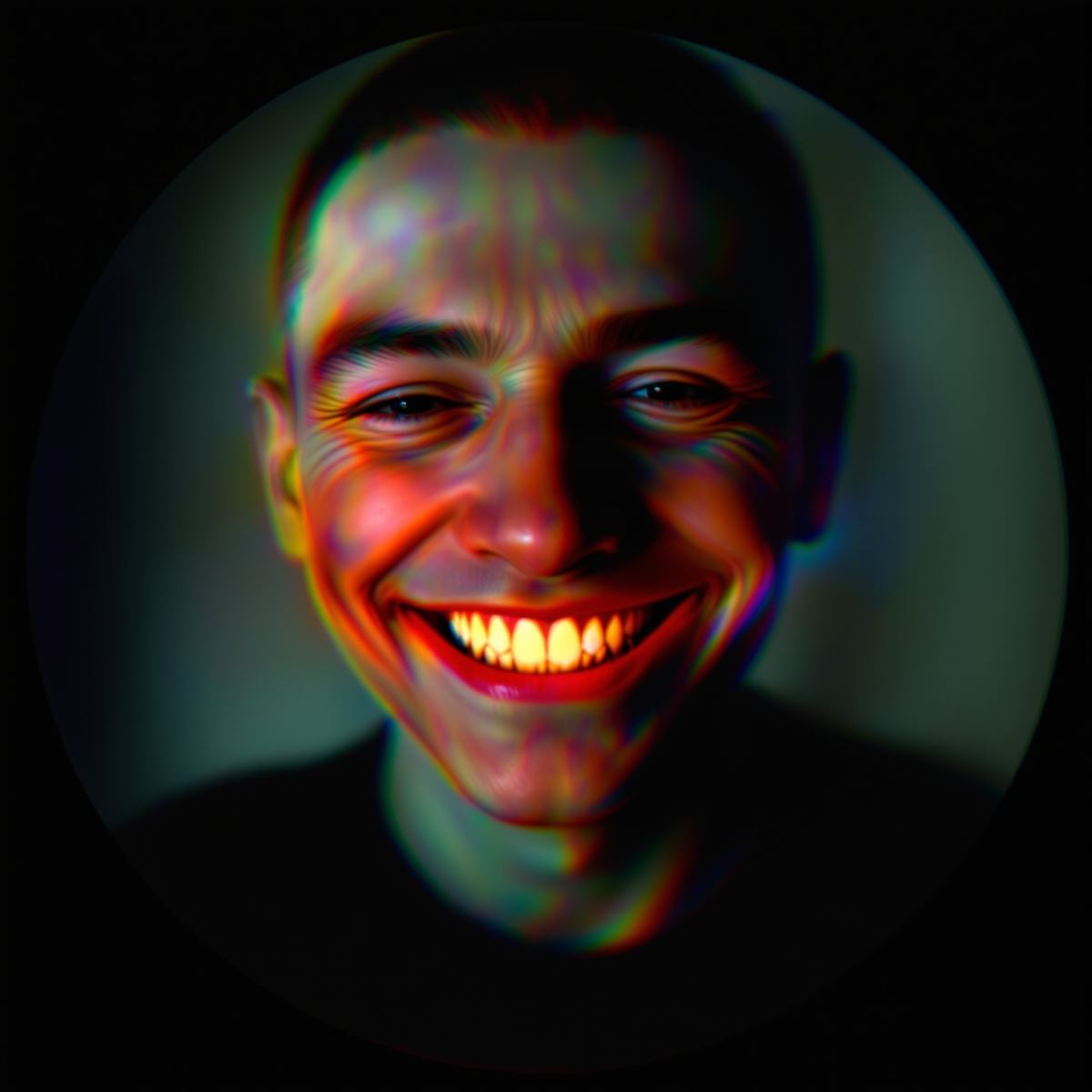
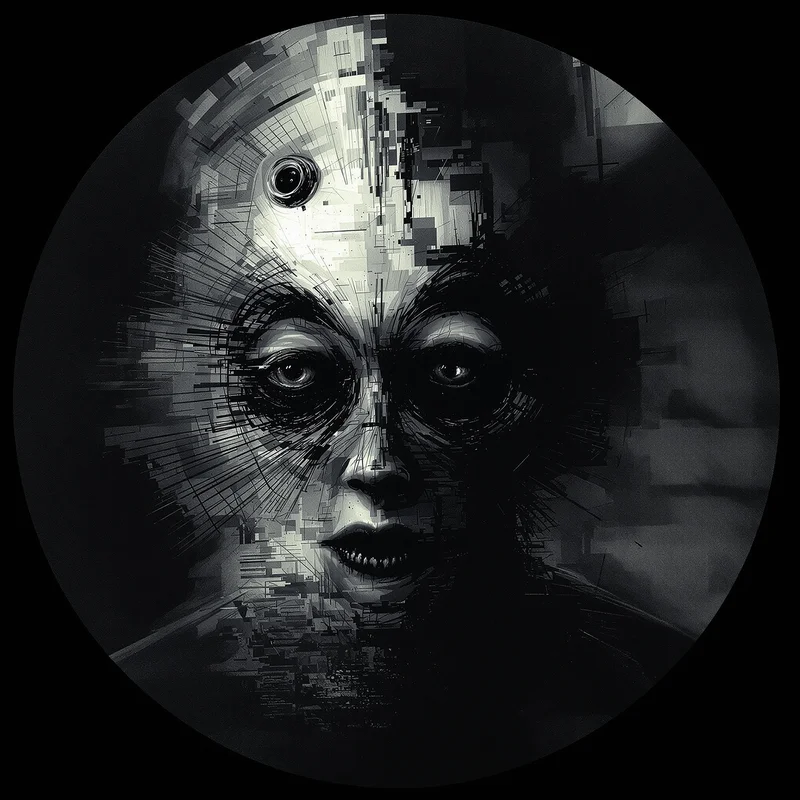
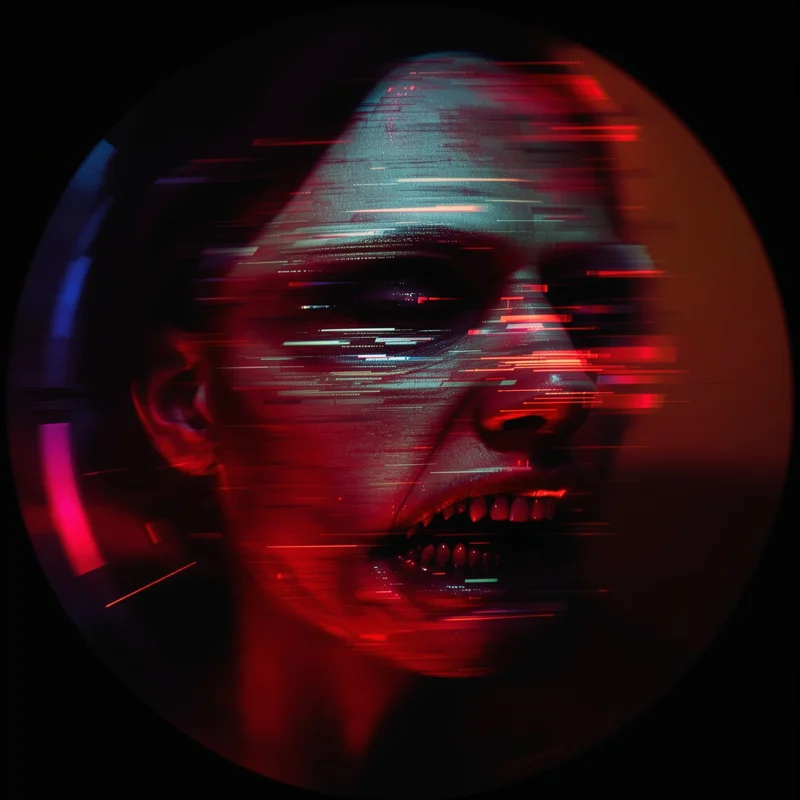
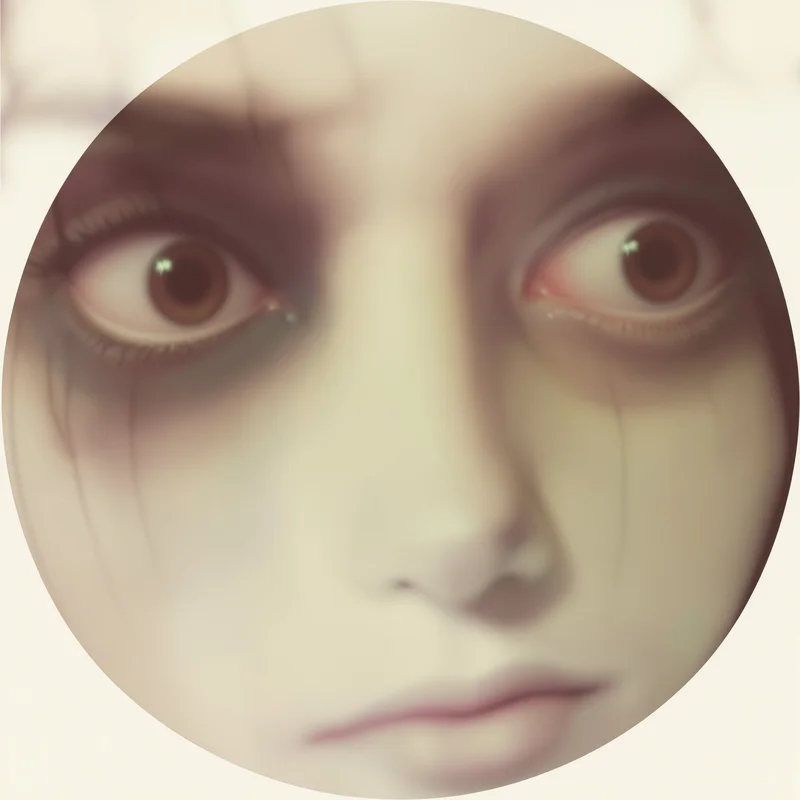
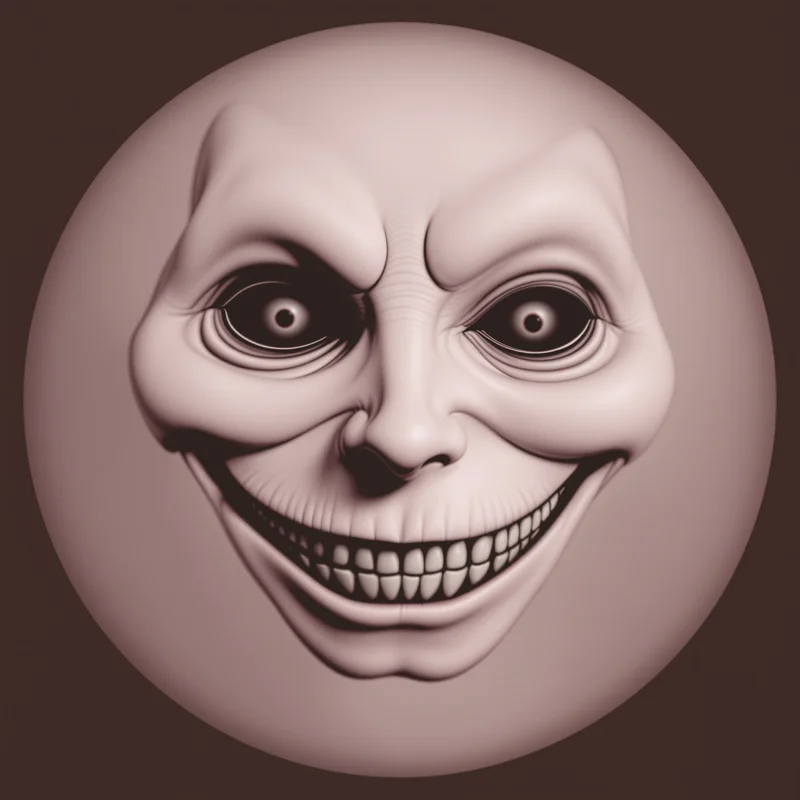
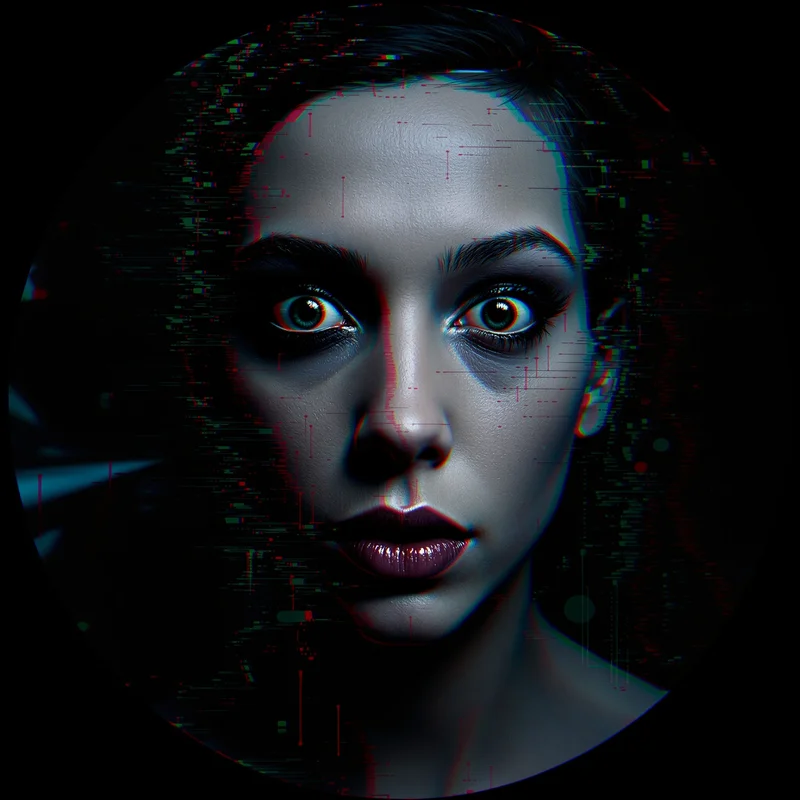
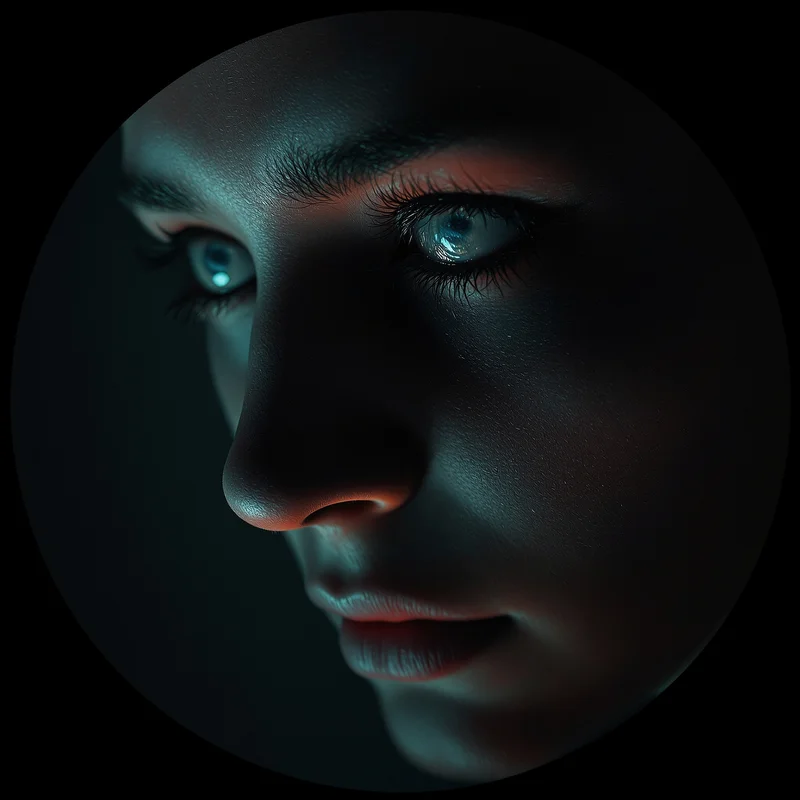
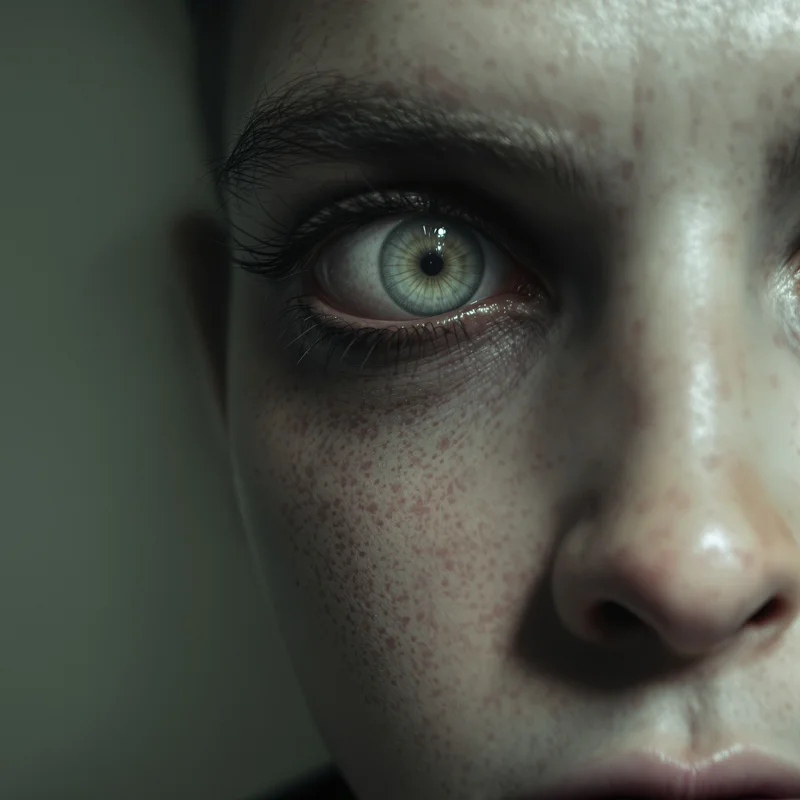
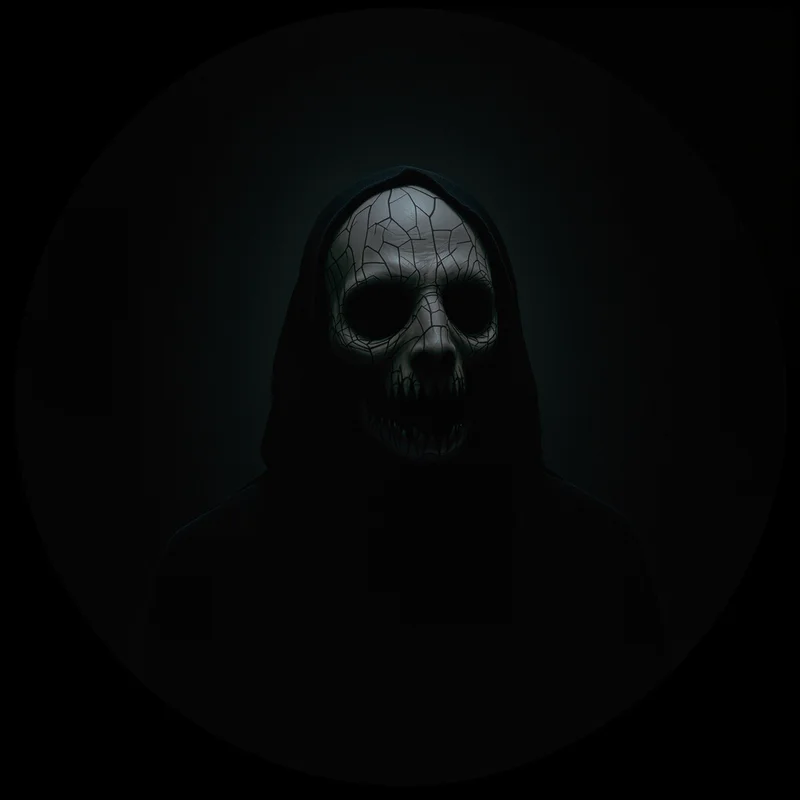
This image pushes abstract identity to the front, making the account feel more original, more ambiguous, and harder to forget.
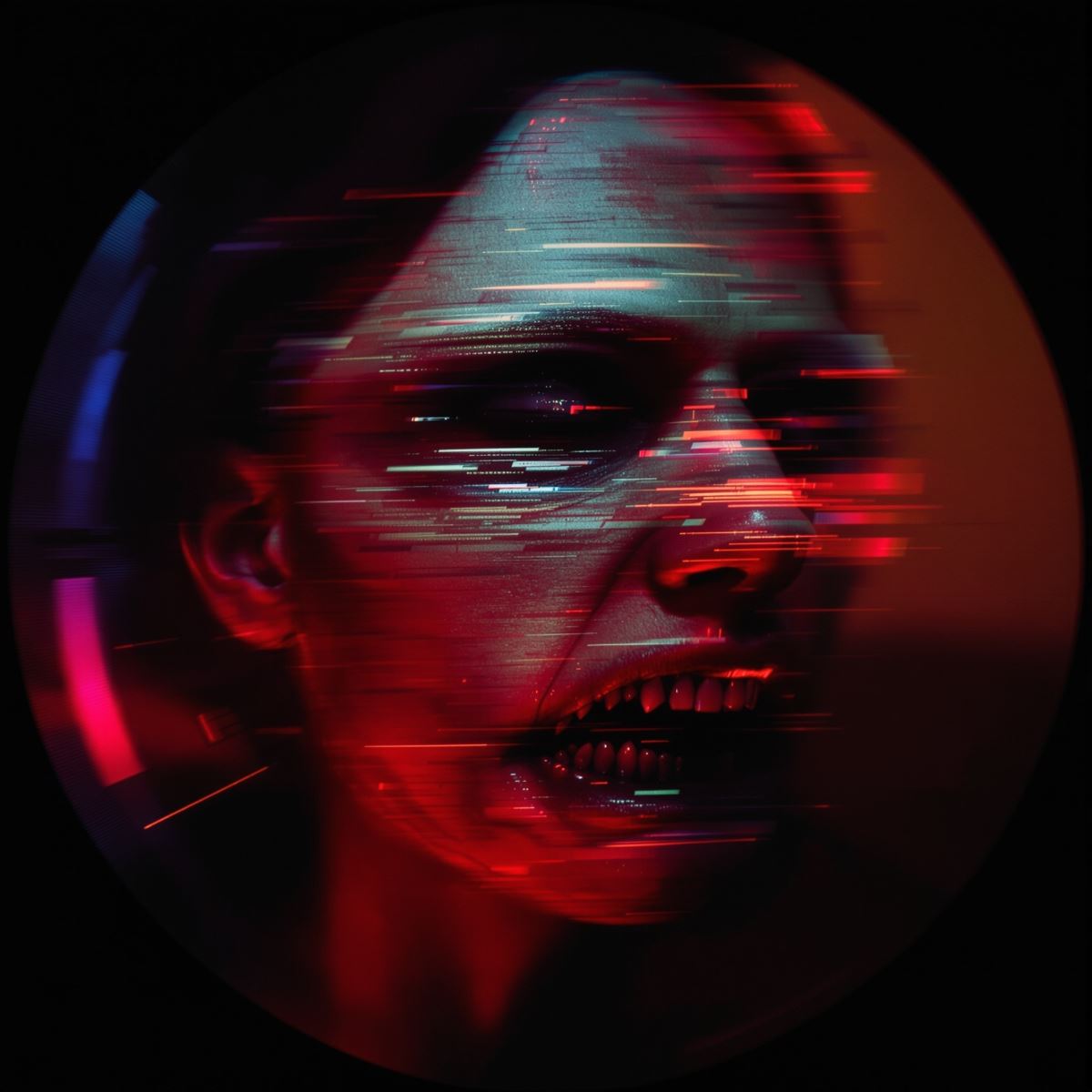
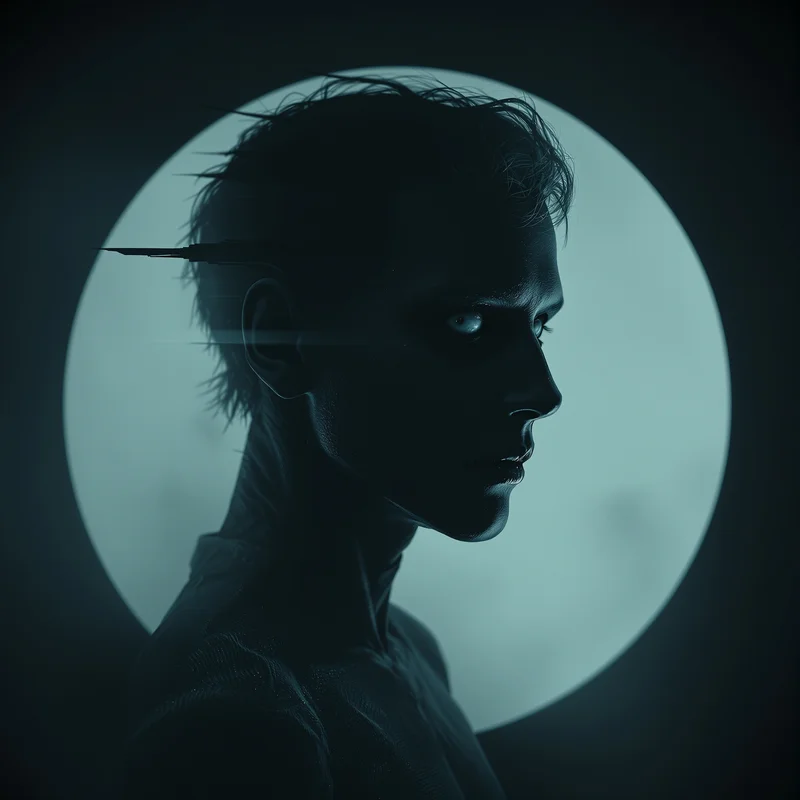
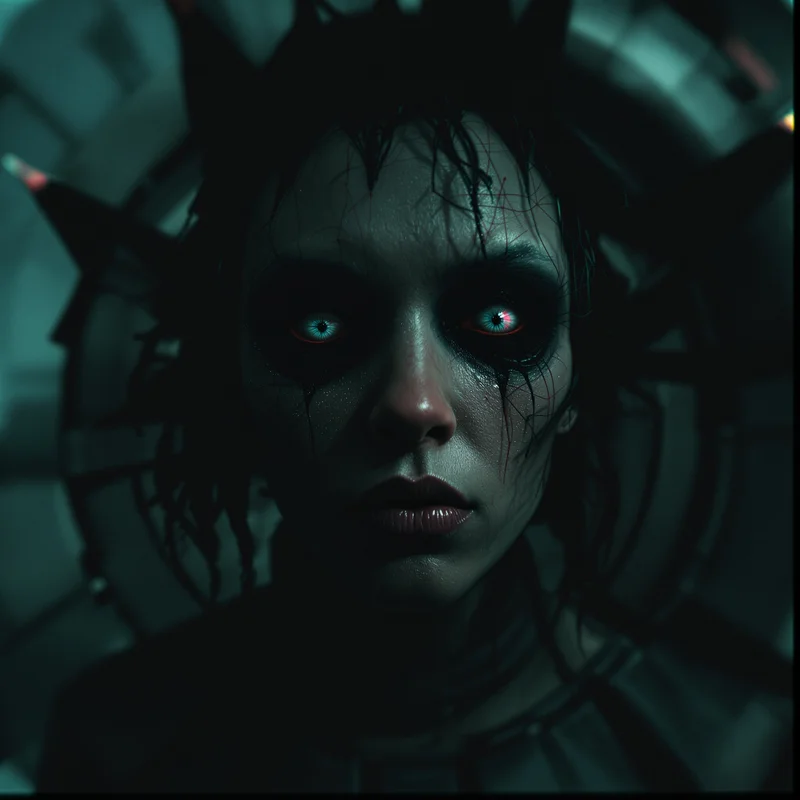
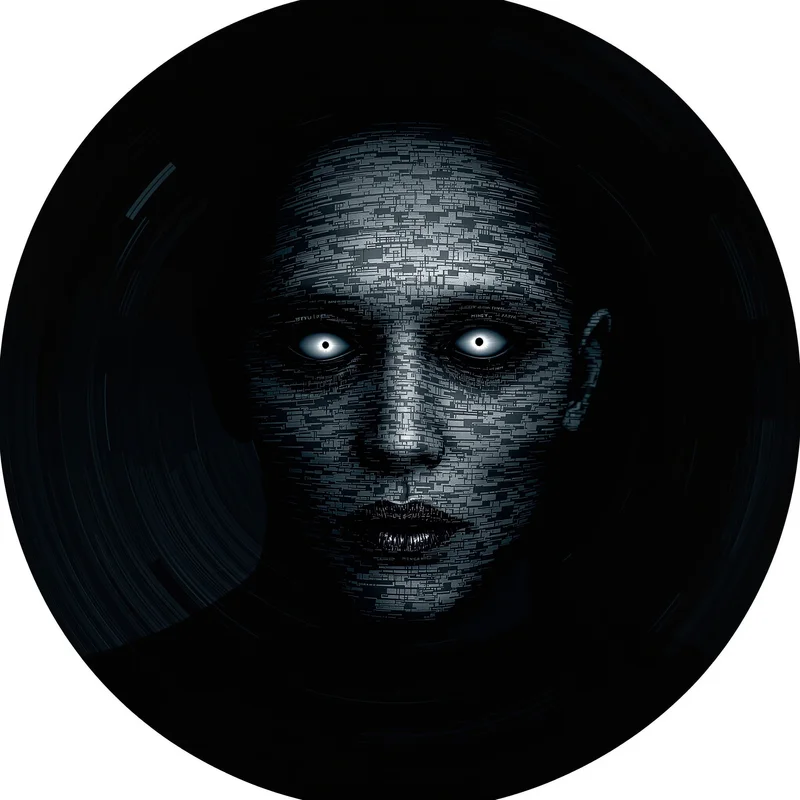
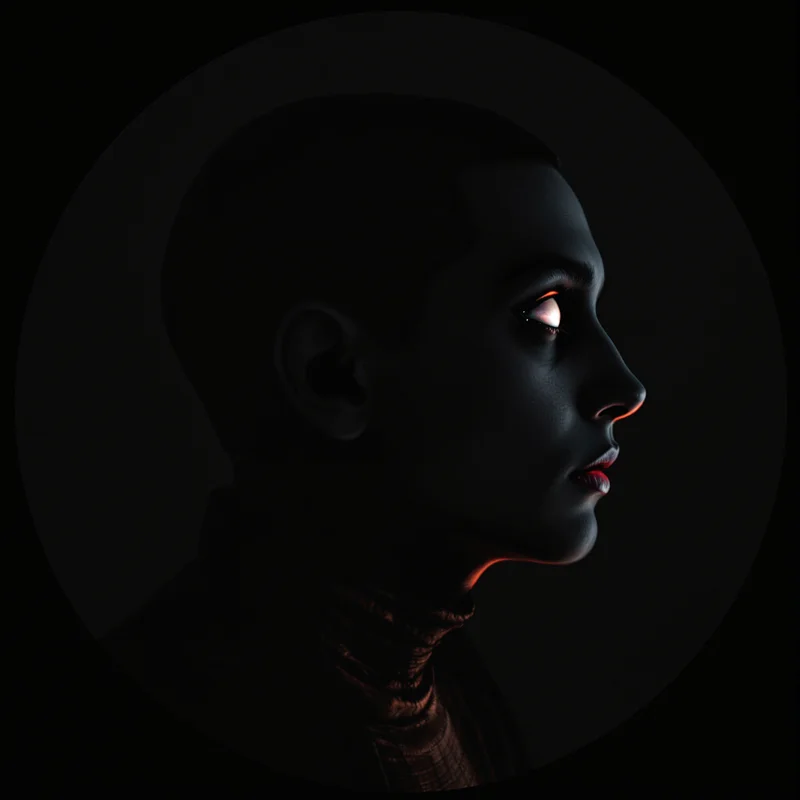
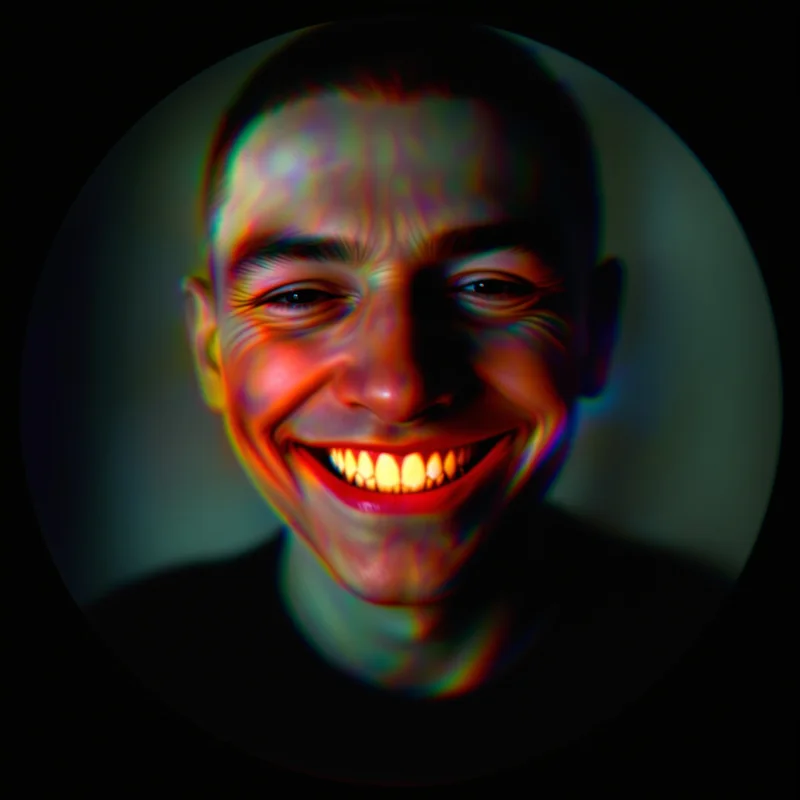
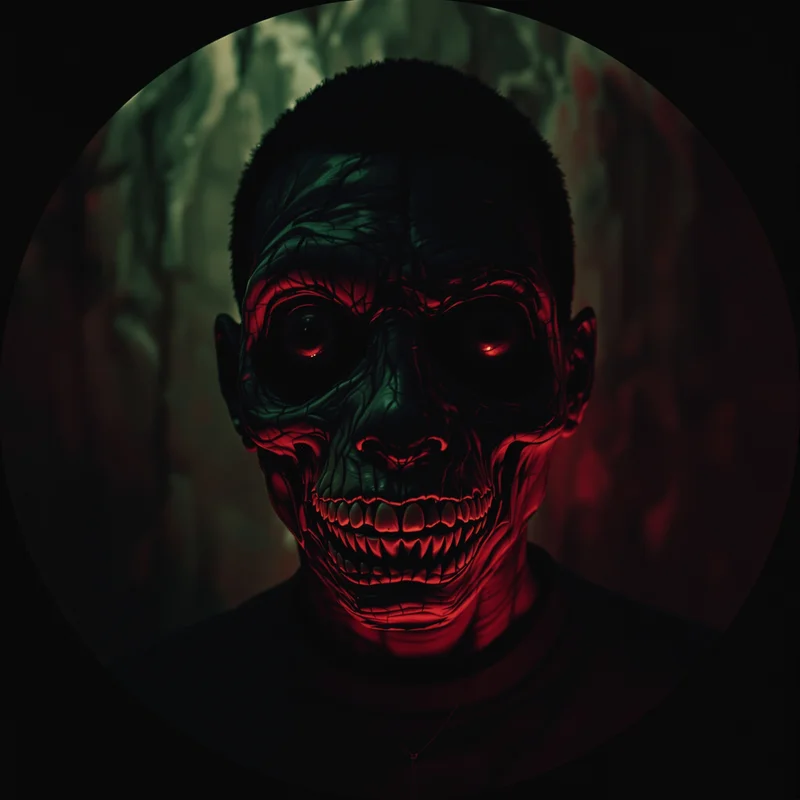
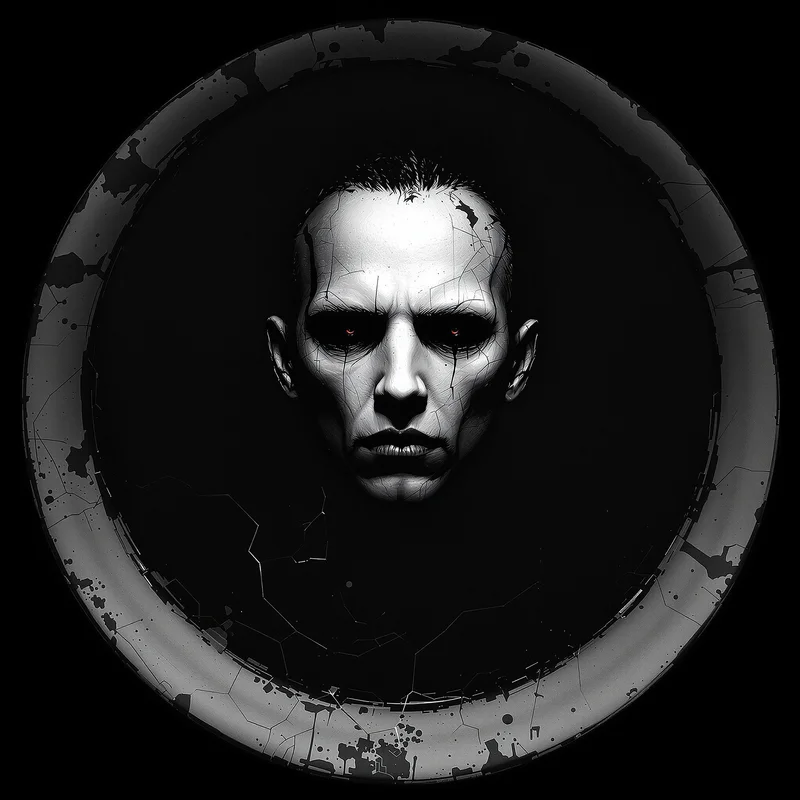
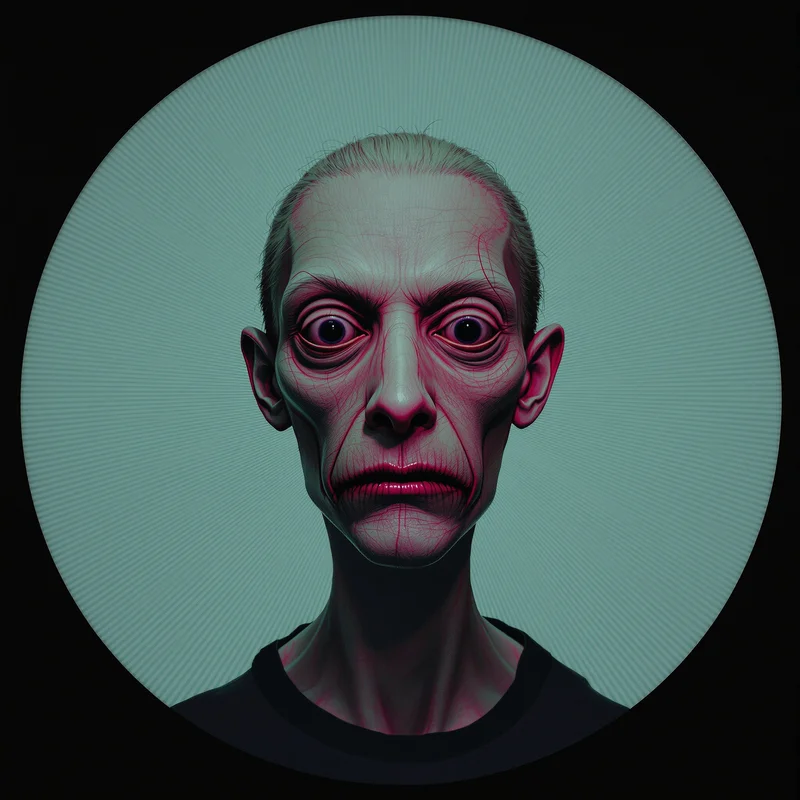
This PFP turns uncanny tone into social presence, giving the profile a surreal atmosphere that feels both strange and intentional.
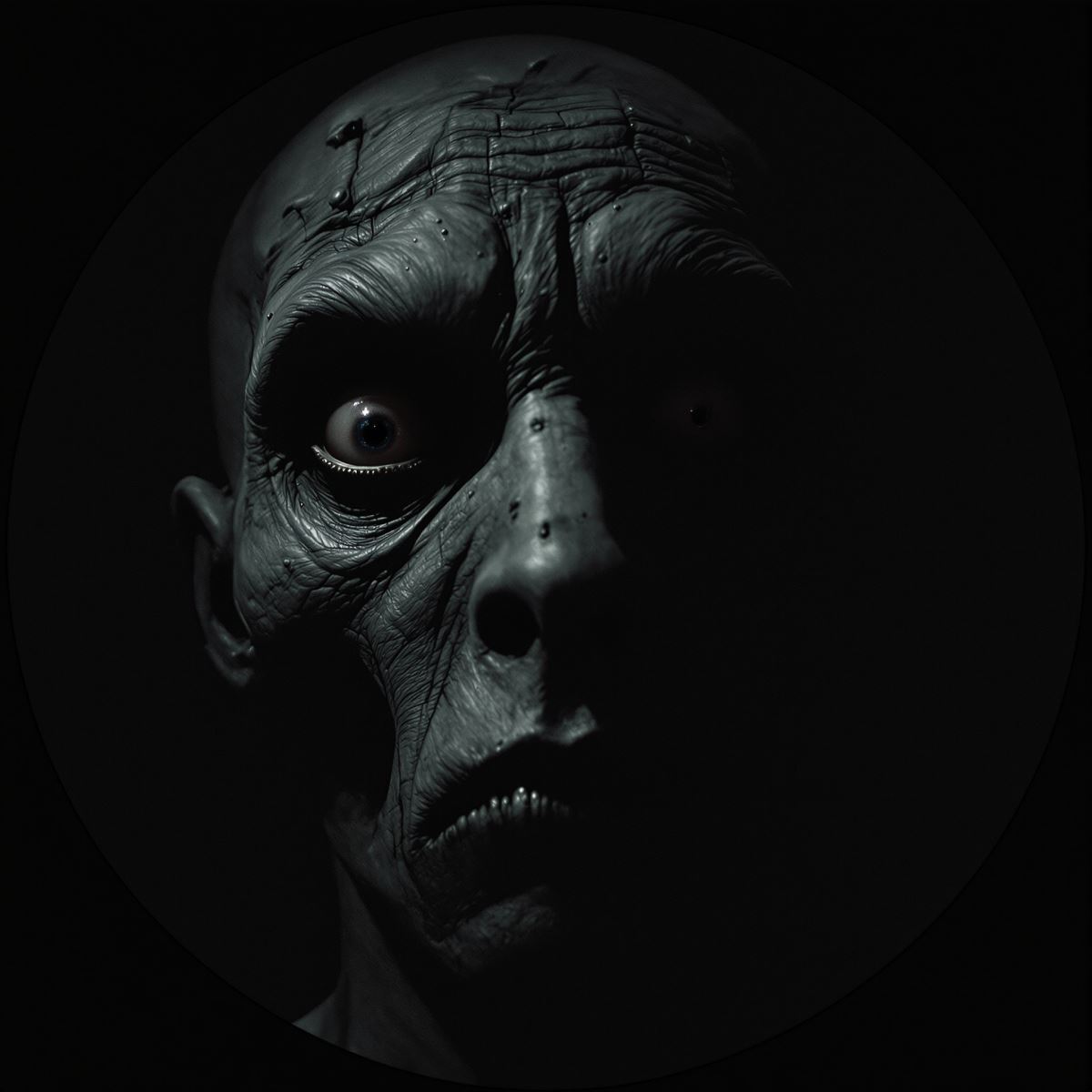
This profile image transforms discomfort into identity, helping the avatar feel more distinct, more internet-native, and more impossible to ignore.
What a Weird Avatar Communicates
Choosing a Weird PFP usually communicates that the profile is not interested in looking standard. It may suggest surreal humor, strange taste, ironic detachment, or a preference for internet identity that feels off-center in a deliberate way. That can make the account much more memorable than one built on predictable aesthetics.
There is also a strong reaction advantage in this style. Weird avatars often perform well because they create social pause. People may laugh, feel confused, or get a slight uncanny reaction, but they register the image. That is extremely valuable in image-first environments where attention is brief and most profiles disappear from memory immediately.
A Weird PFP can also signal confidence through discomfort. It suggests that the user does not need conventional approval to create presence. In some cases that reads as funny. In others it reads as bold or slightly unhinged. Either way, the identity becomes more specific, and specific identity usually performs better than neutral identity online.
Best Use Cases for Weird PFP
Weird PFP works especially well on Discord, meme pages, private communities, gaming profiles, and social media accounts where absurdity, irony, or surreal humor are part of the culture. It is also effective for users who feel their current avatar is too safe, too aesthetic, or too easy to ignore. A stronger weird image can instantly change the profile’s atmosphere.
This style is particularly useful when the goal is to feel original without relying on status or polished visuals. Some users want an avatar that says, “This account is not normal, and that is the point.” Weird PFP delivers that message quickly. It makes the profile feel less curated for approval and more built around true internet personality.
That is the role of this page inside PFP Universe. Weird PFP is not just an odd image category. It is an identity-driven image hub built for reaction, recognition, and avatar selection behavior. When the visual choice is strong, the profile gains more than weirdness. It gains a distinct social signature that people remember long after the scroll.
FAQ
What makes Weird PFP different from other meme avatar styles?
Weird PFP usually feels more uncanny, more abstract, and more difficult to categorize. It is built around strange identity and memorable visual tension rather than straightforward humor alone.
Why does Weird PFP work so well for profile identity?
Because it gives the profile unusual energy, strong recognition, and a more distinct internet presence in a format that stands out quickly.
Is Weird PFP only for joke or ironic accounts?
No. It also works for users who want an avatar that feels surreal, unsettling, abstract, or intentionally outside normal digital aesthetics.
Can a Weird avatar improve first impression online?
Yes. A strong Weird PFP often makes a profile more memorable, more original, and more socially distinct from the first look.