Aesthetic - Baddie





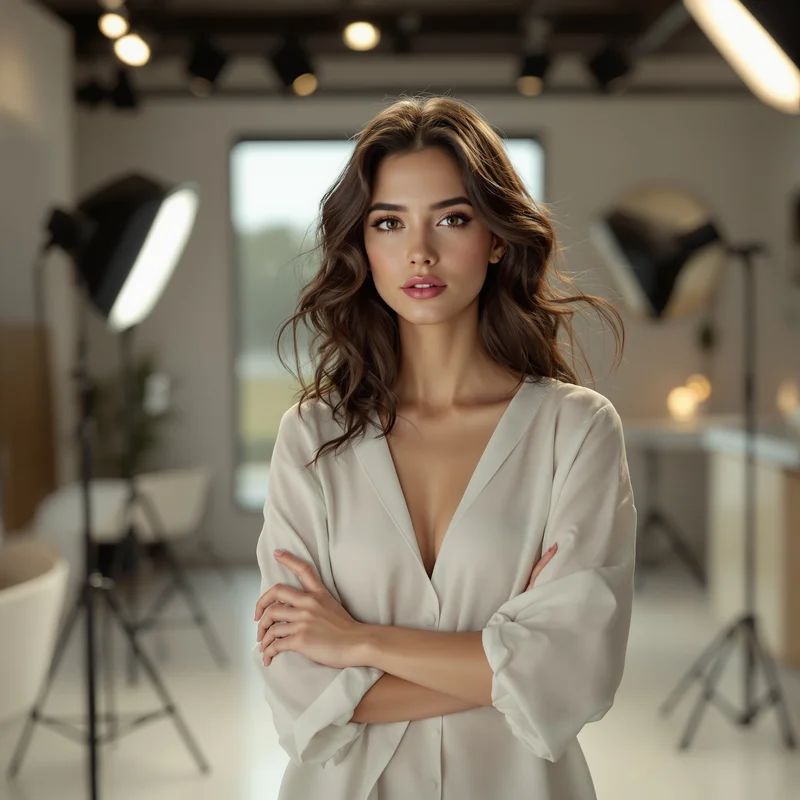
Baddie PFP as a Bold Identity Signal
A baddie PFP is built around presence. It is not soft, uncertain, or visually passive. It projects control, style, confidence, and a strong sense of self-awareness. In digital spaces where profile images often fade into the background, a baddie avatar is designed to do the opposite. It makes the user feel composed, elevated, and instantly noticeable.
The reason this aesthetic works so well is simple: it turns attitude into image language. A baddie PFP does not rely on chaos or sentimentality. It relies on precision. The expression is intentional. The styling feels polished. The energy is direct. Even when the look is glossy or neon, the core message stays the same. This profile picture belongs to someone who wants to be seen as confident, attractive, and fully in command of how they appear.
That makes baddie PFP more than a visual trend. It is a digital identity system. Users choose it because they want their avatar to feel sharp, stylish, and socially strong. It can carry glamour, edge, and power at the same time. The profile becomes less about simple appearance and more about communicated attitude. That is why the category continues to perform so well across social media, aesthetic communities, and image-first search behavior.
Visual Logic of Baddie PFP
The visual logic of baddie PFP is built on polish, confidence, and controlled intensity. This style usually works through strong framing, clean contrast, glossy texture, confident expression, and visual signals that suggest status or self-possession. It is not a random “pretty” aesthetic. It is much more intentional than that. The look needs edge, clarity, and enough emotional distance to feel powerful.
Cold expression is one common signal. It creates authority. Gloss is another. It adds visual luxury and gives the PFP a more curated finish. Neon can push the look into a more modern, nightlife-coded identity space, while dominant framing makes the avatar feel strong even at small size. The important thing is that every element reinforces confidence rather than softness. Even when the image is glamorous, it still needs structure.
What makes the style effective is its ability to combine beauty and command. A baddie avatar is not simply trying to look good. It is trying to look unbothered, high-value, and self-defined. That shift matters. It gives the PFP a more distinct psychological effect and helps users find a profile image that feels less decorative and more identity-driven.
Baddie PFP Gallery
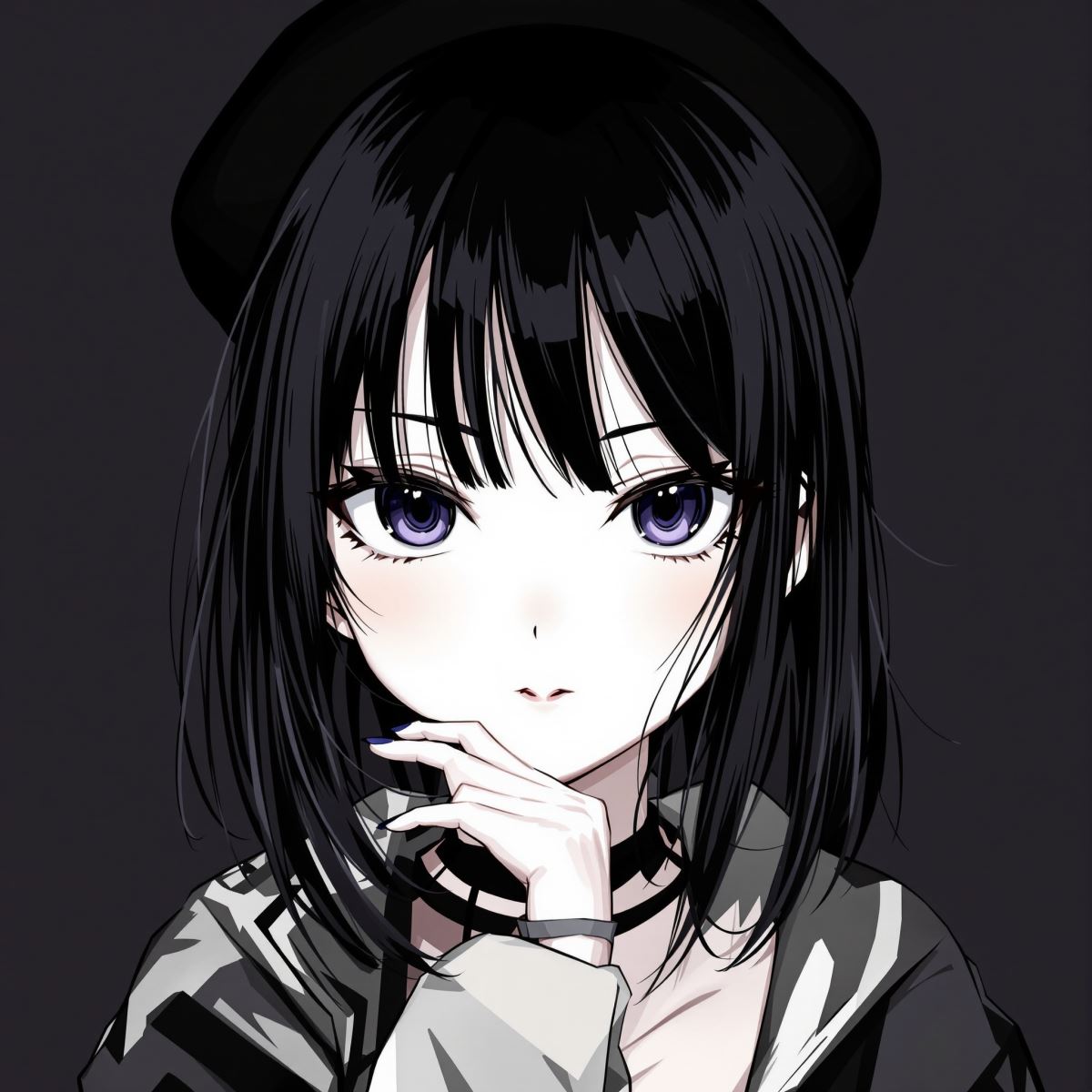
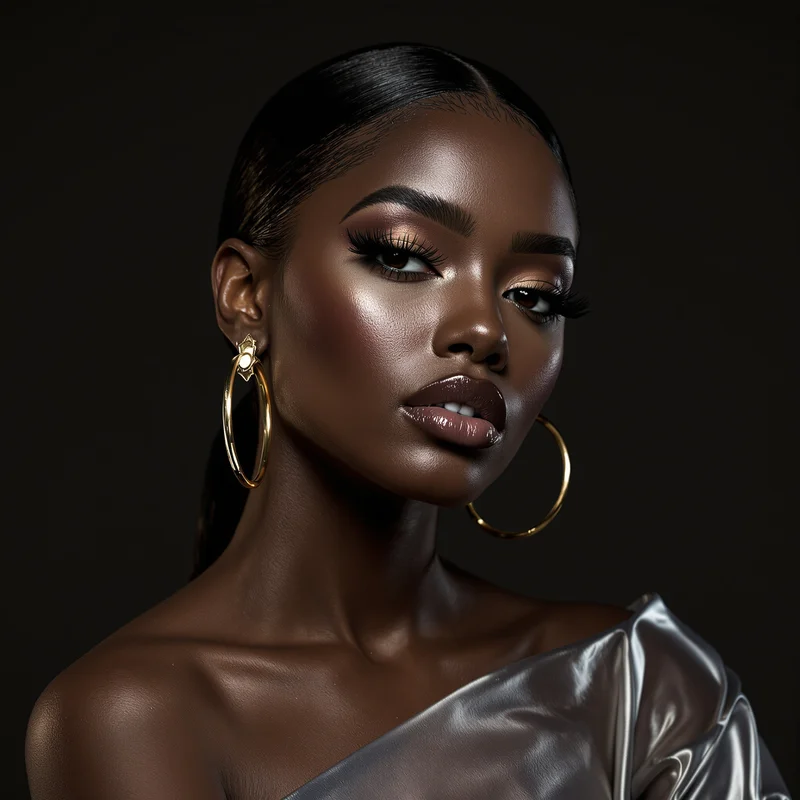
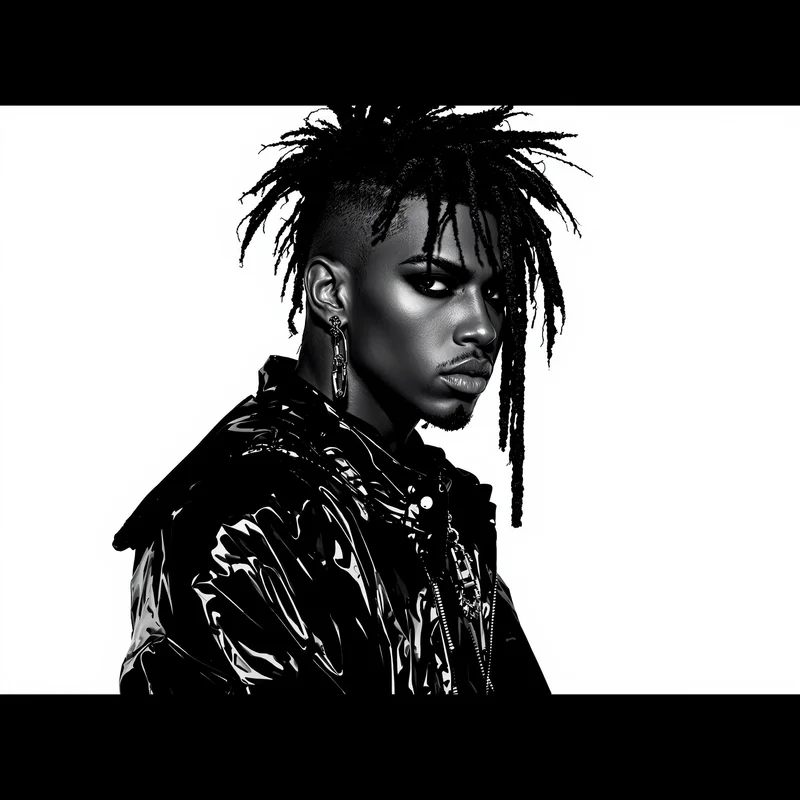
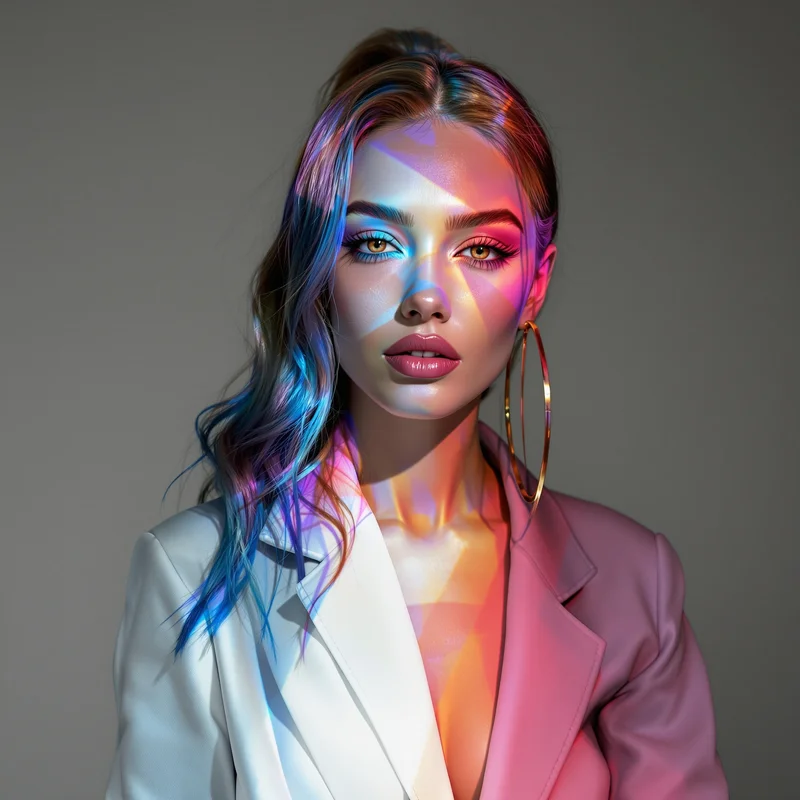
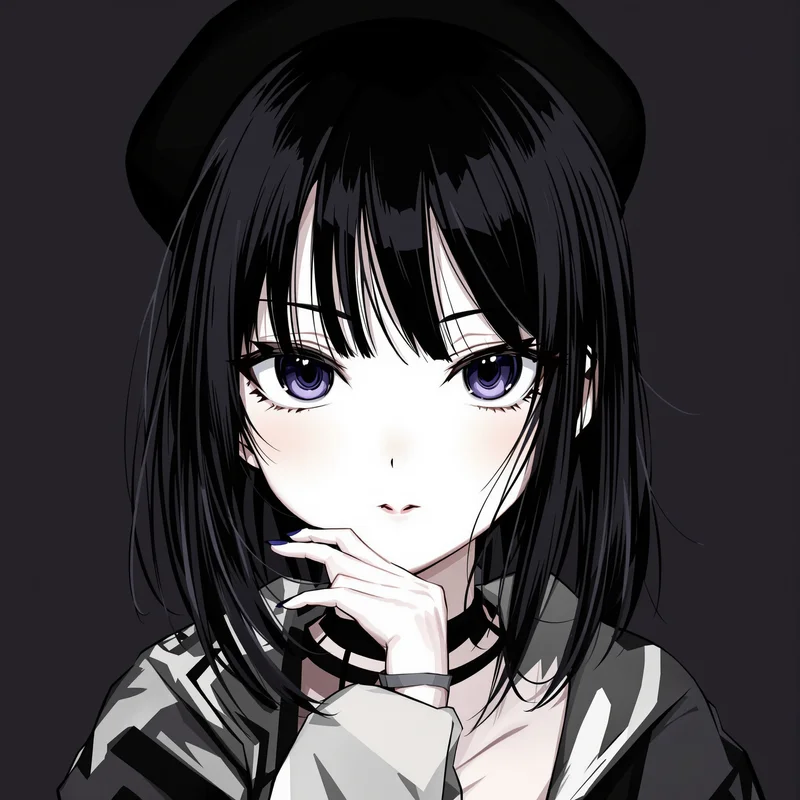
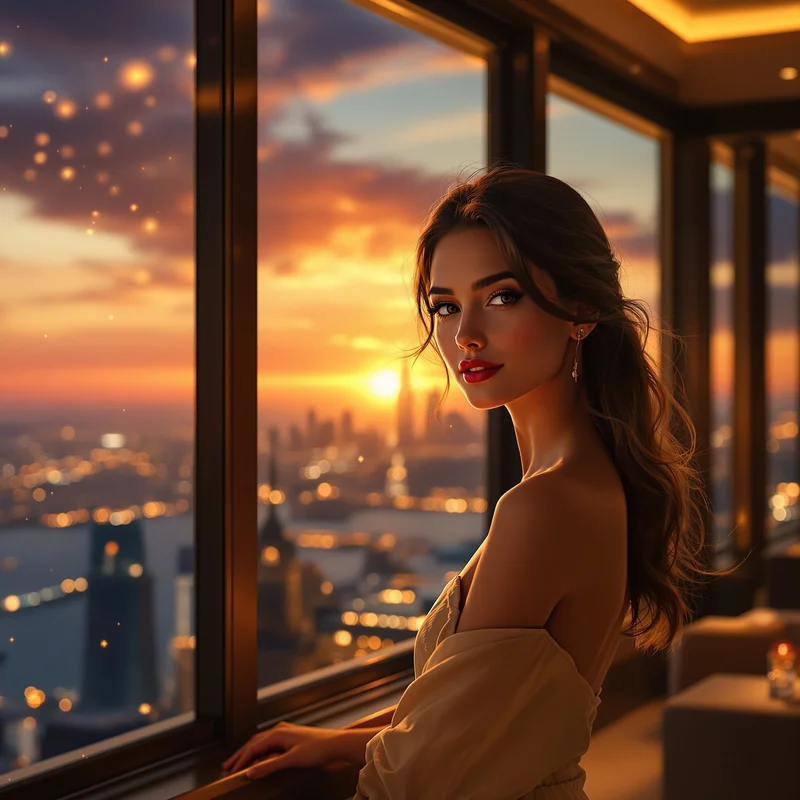
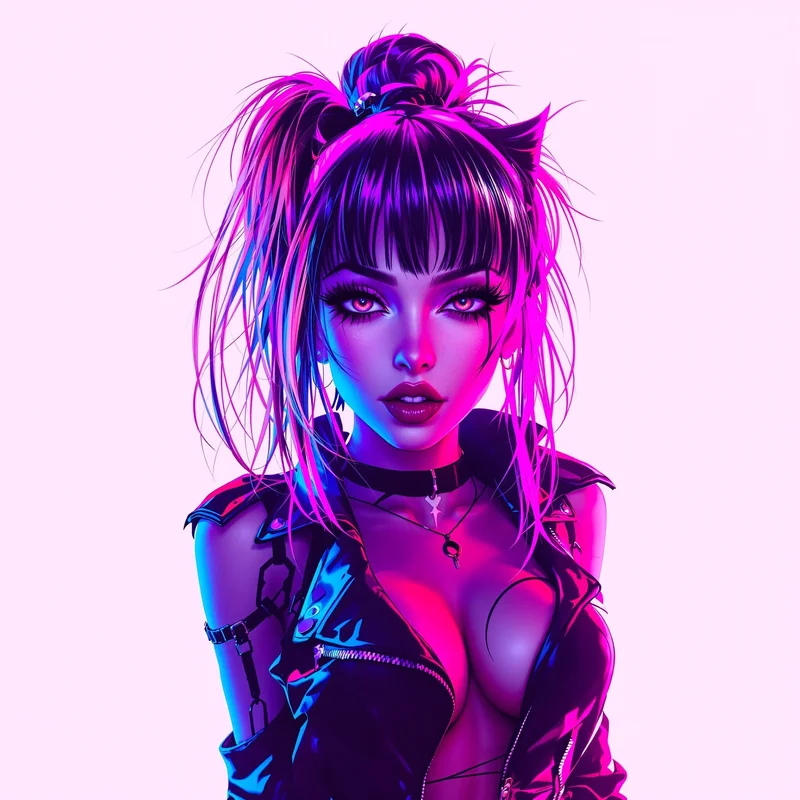
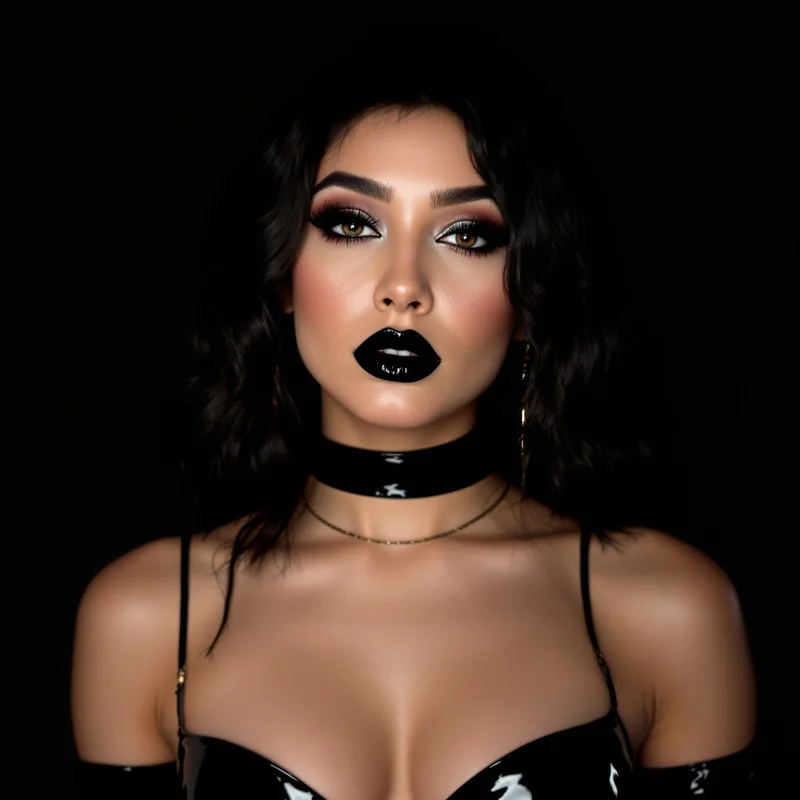
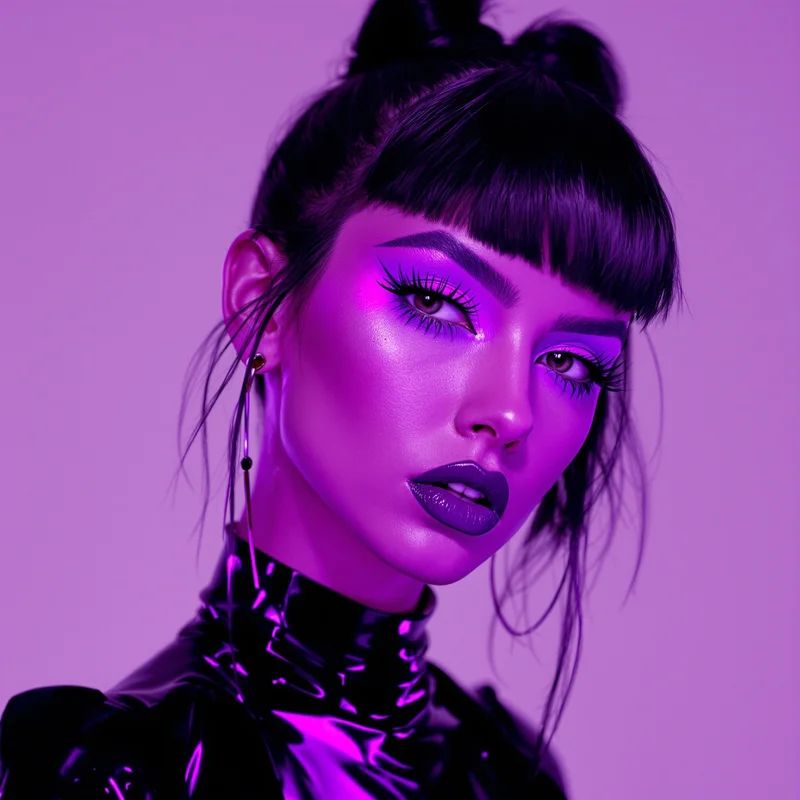
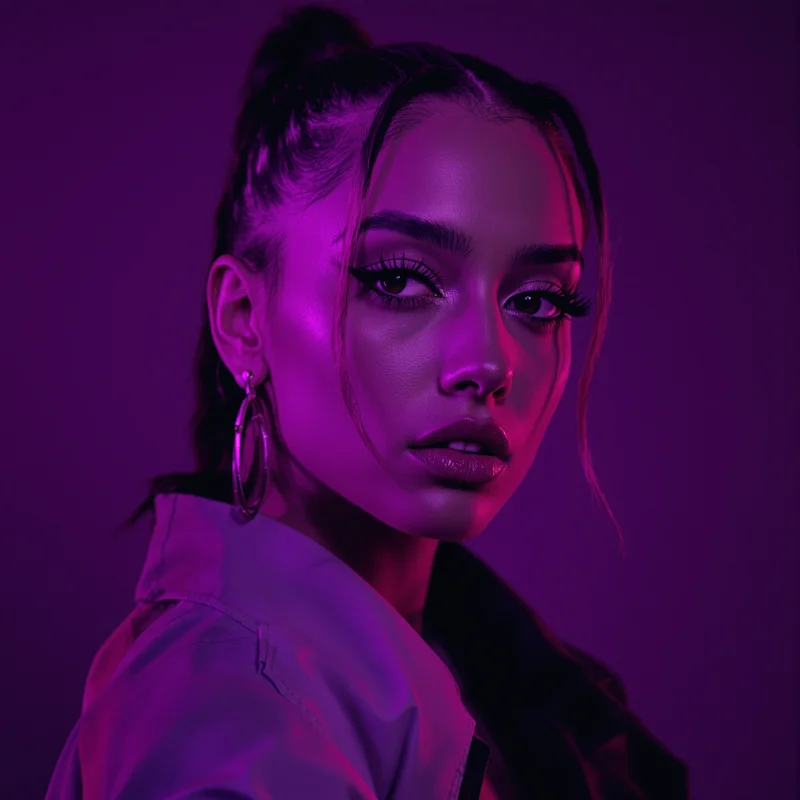
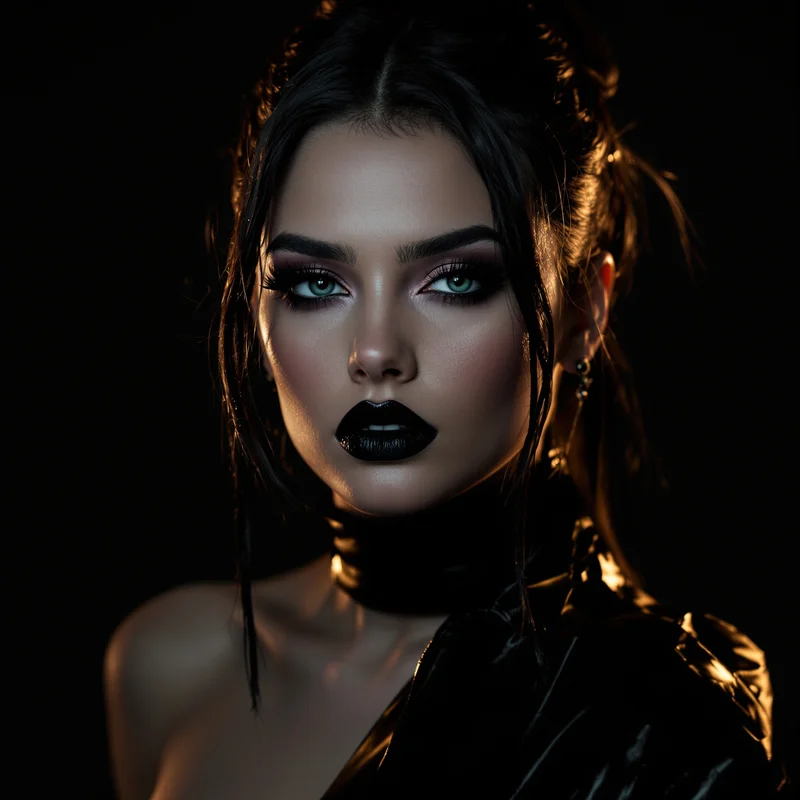
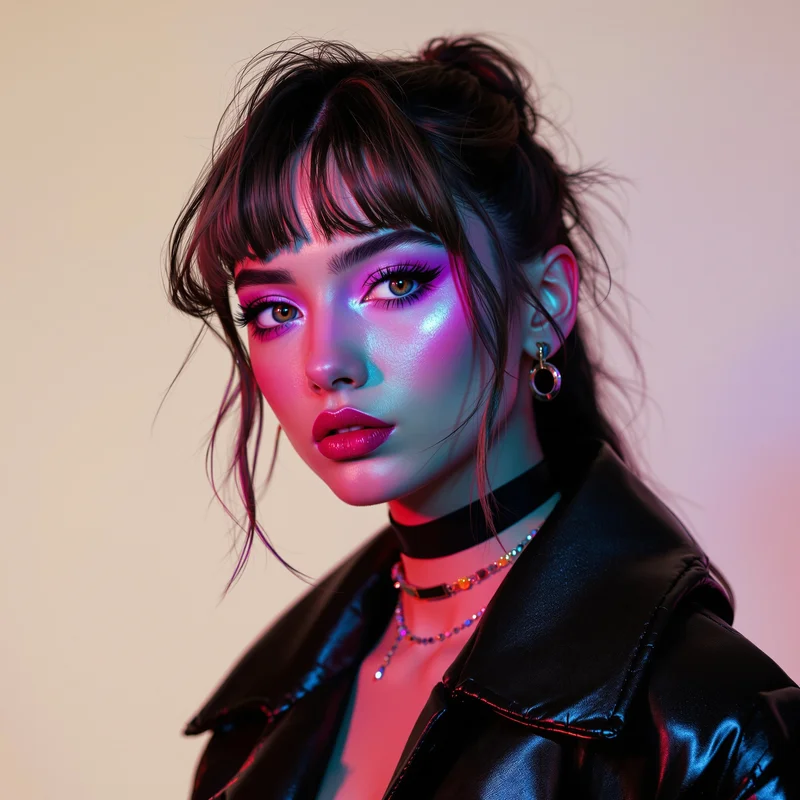
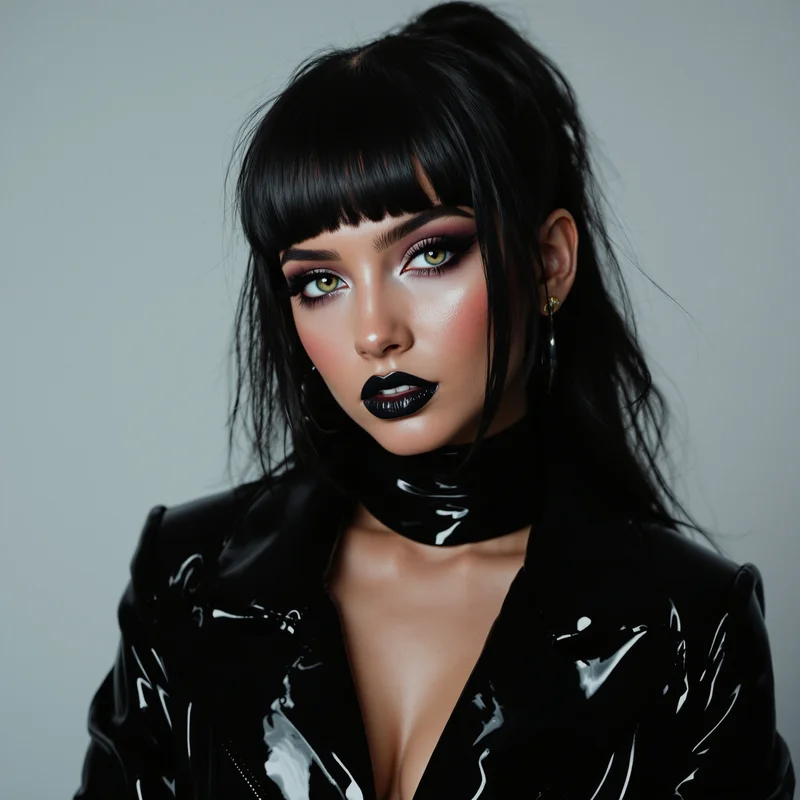
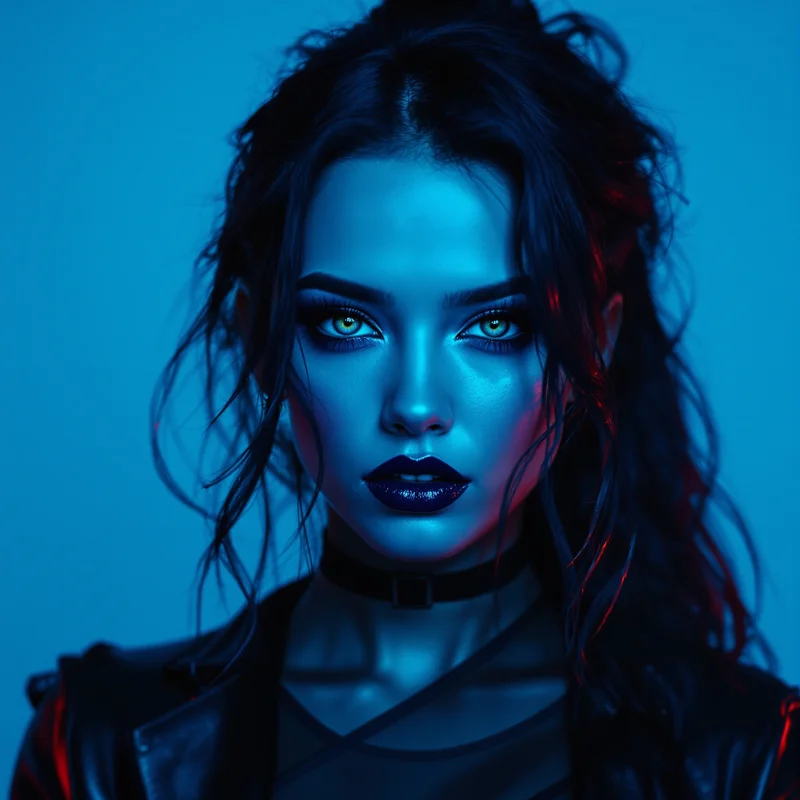
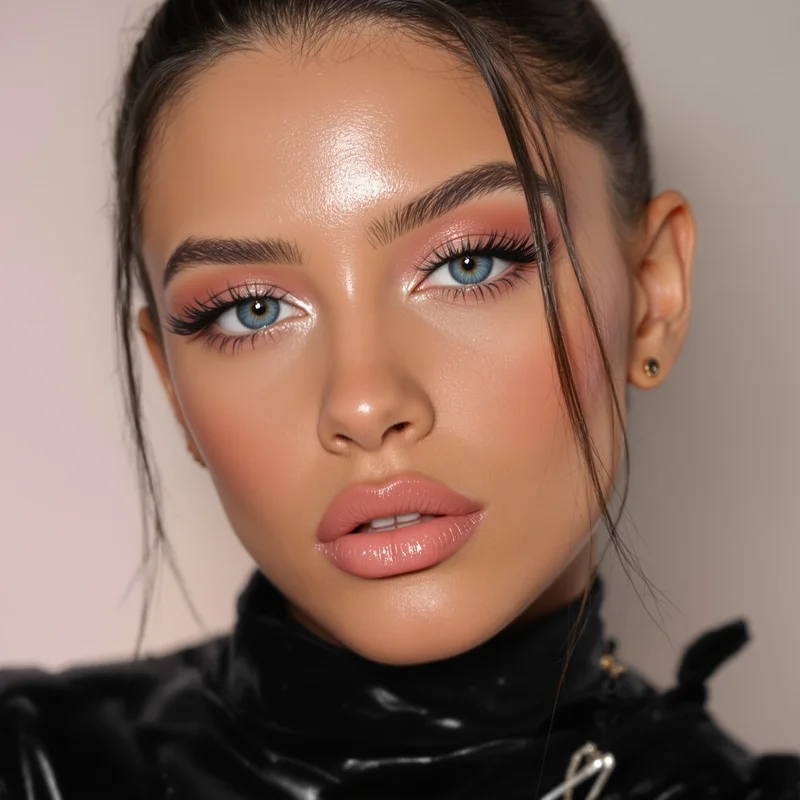
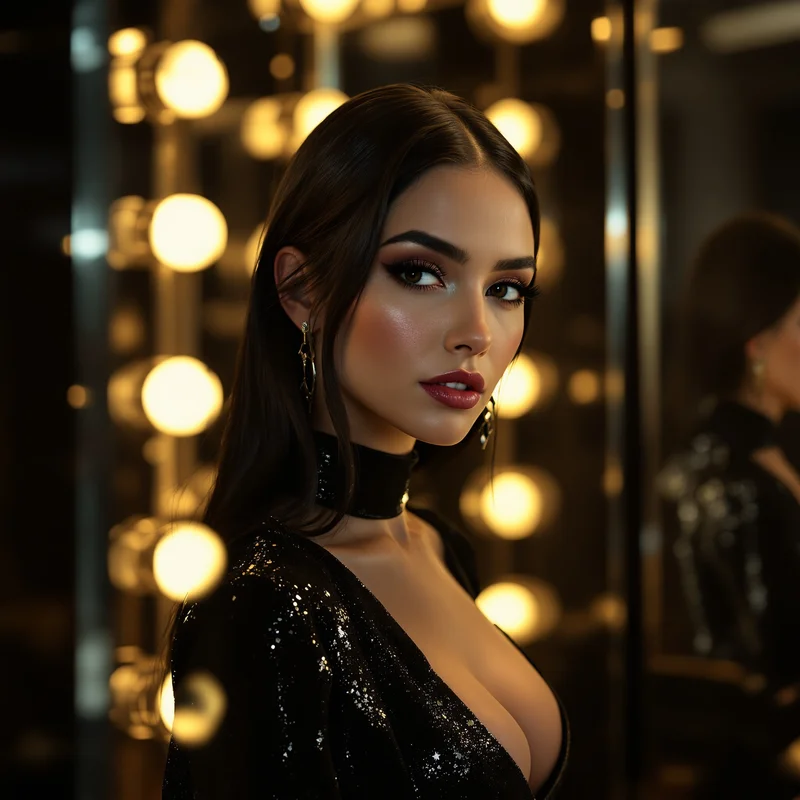
A colder expression creates instant authority, turning the avatar into a statement of control rather than simple style.
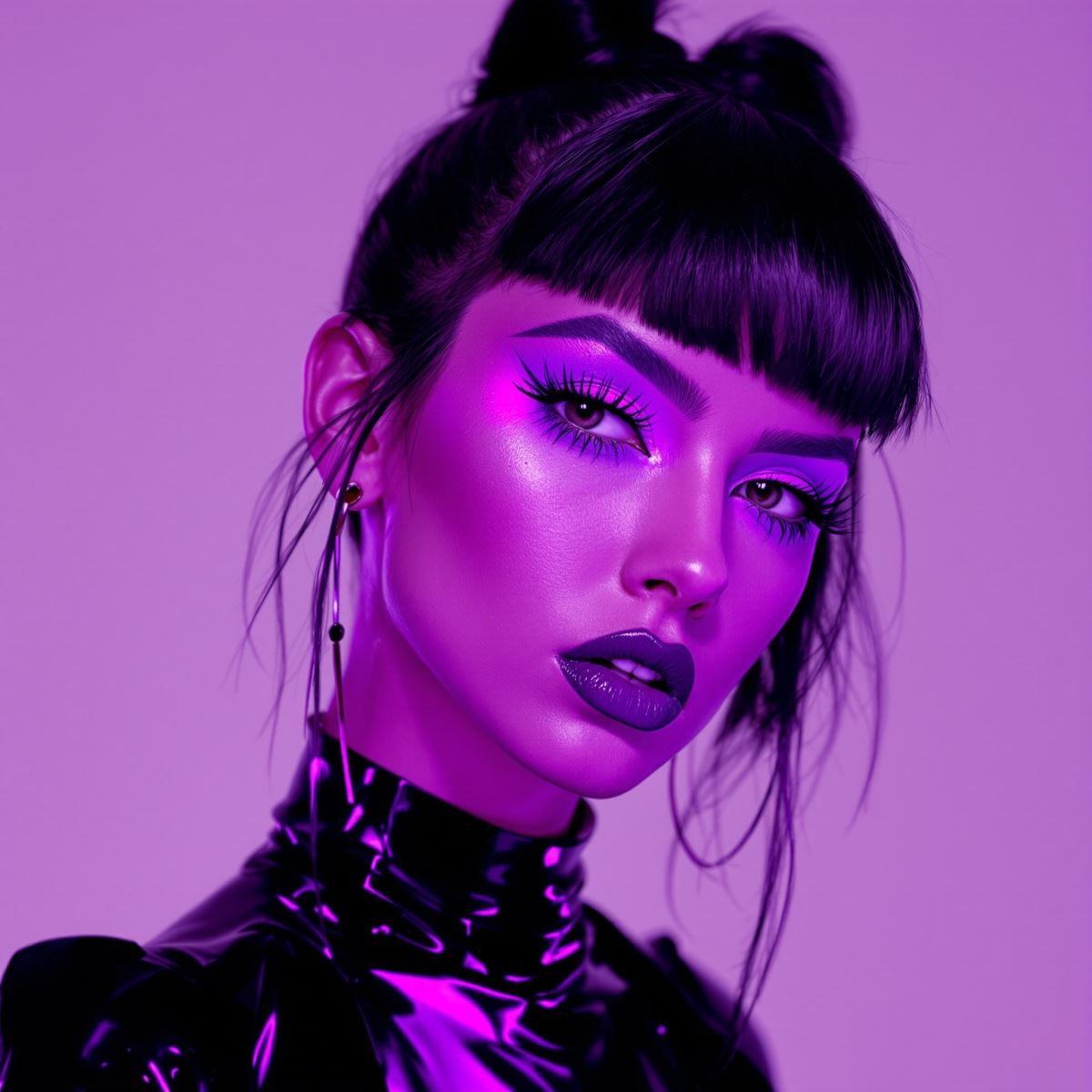
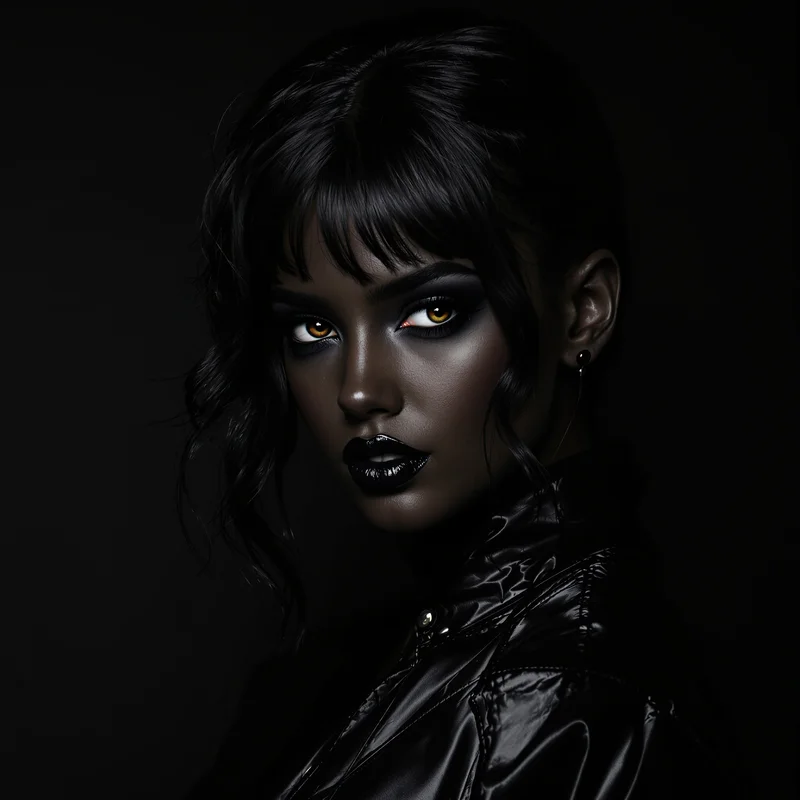
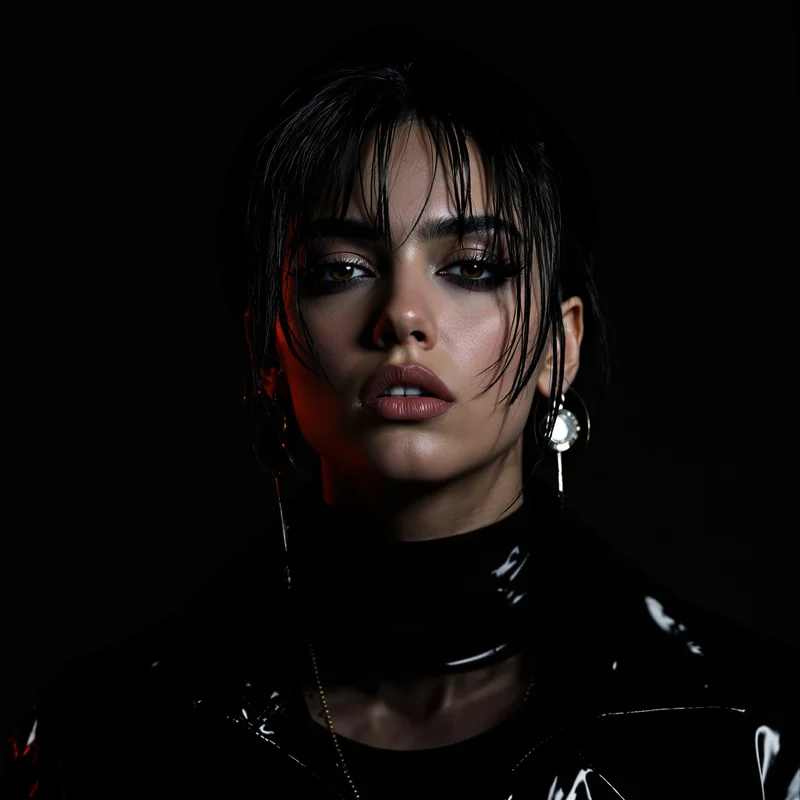
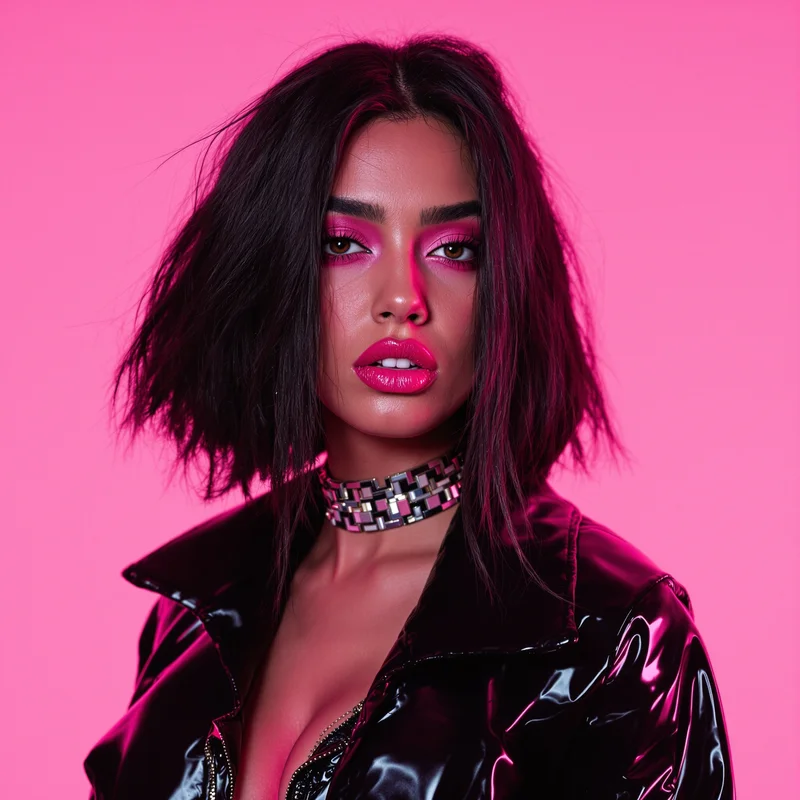
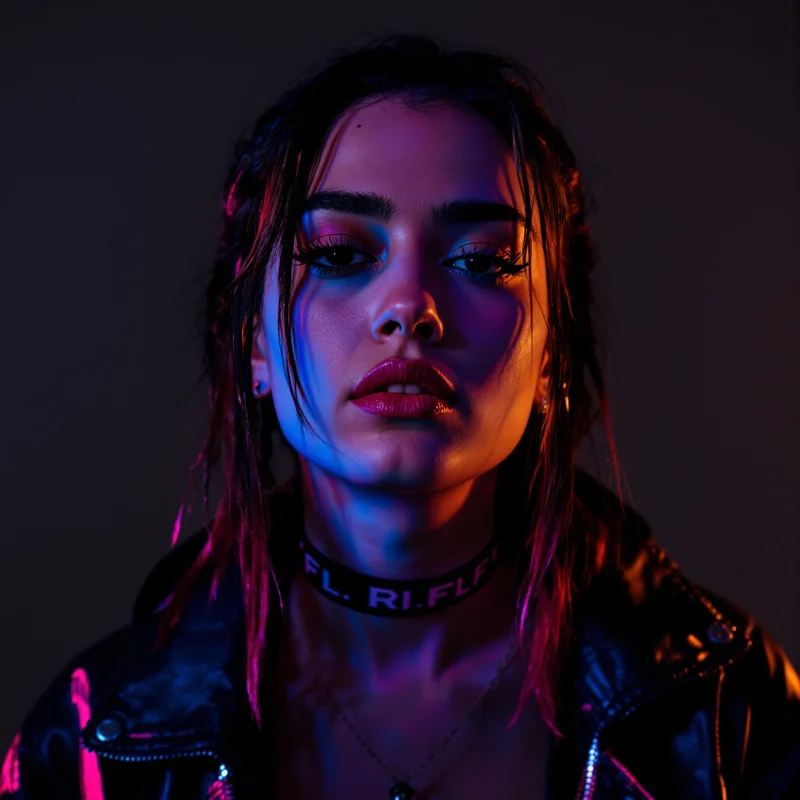
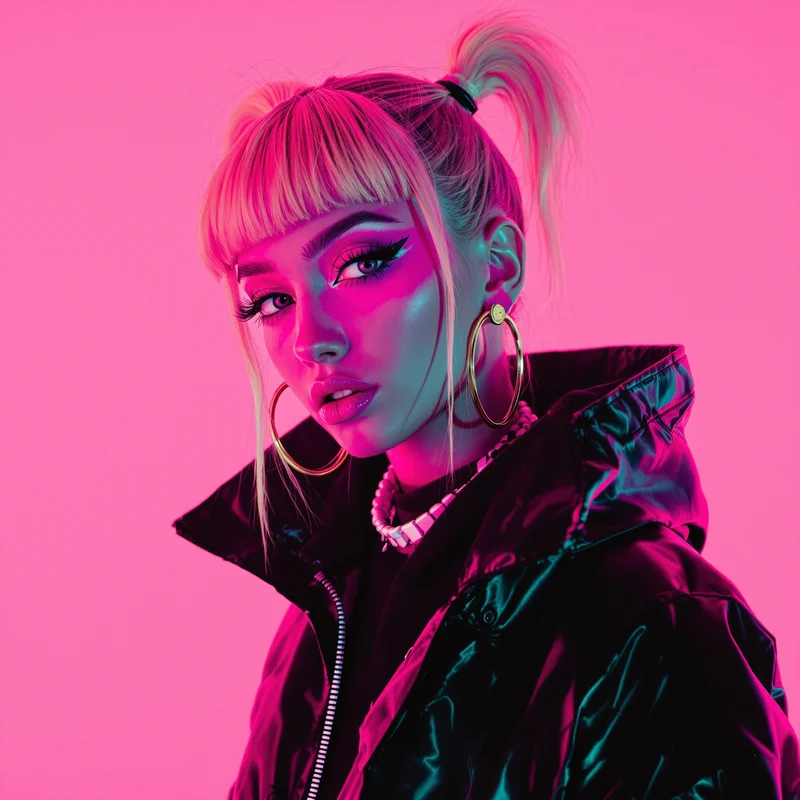
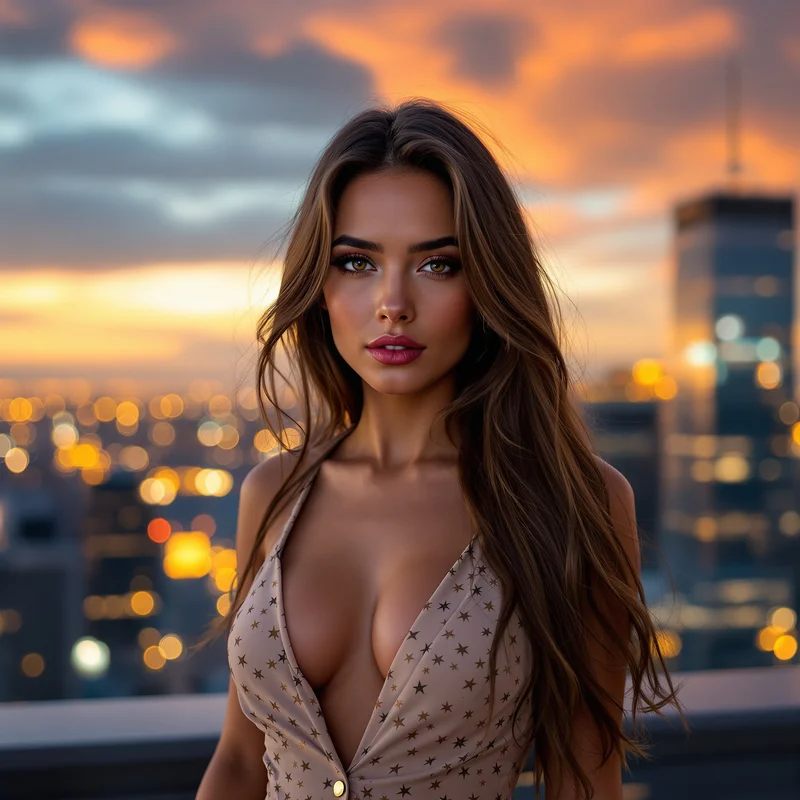
This image uses stronger visual framing to make the profile feel elevated, direct, and impossible to ignore.
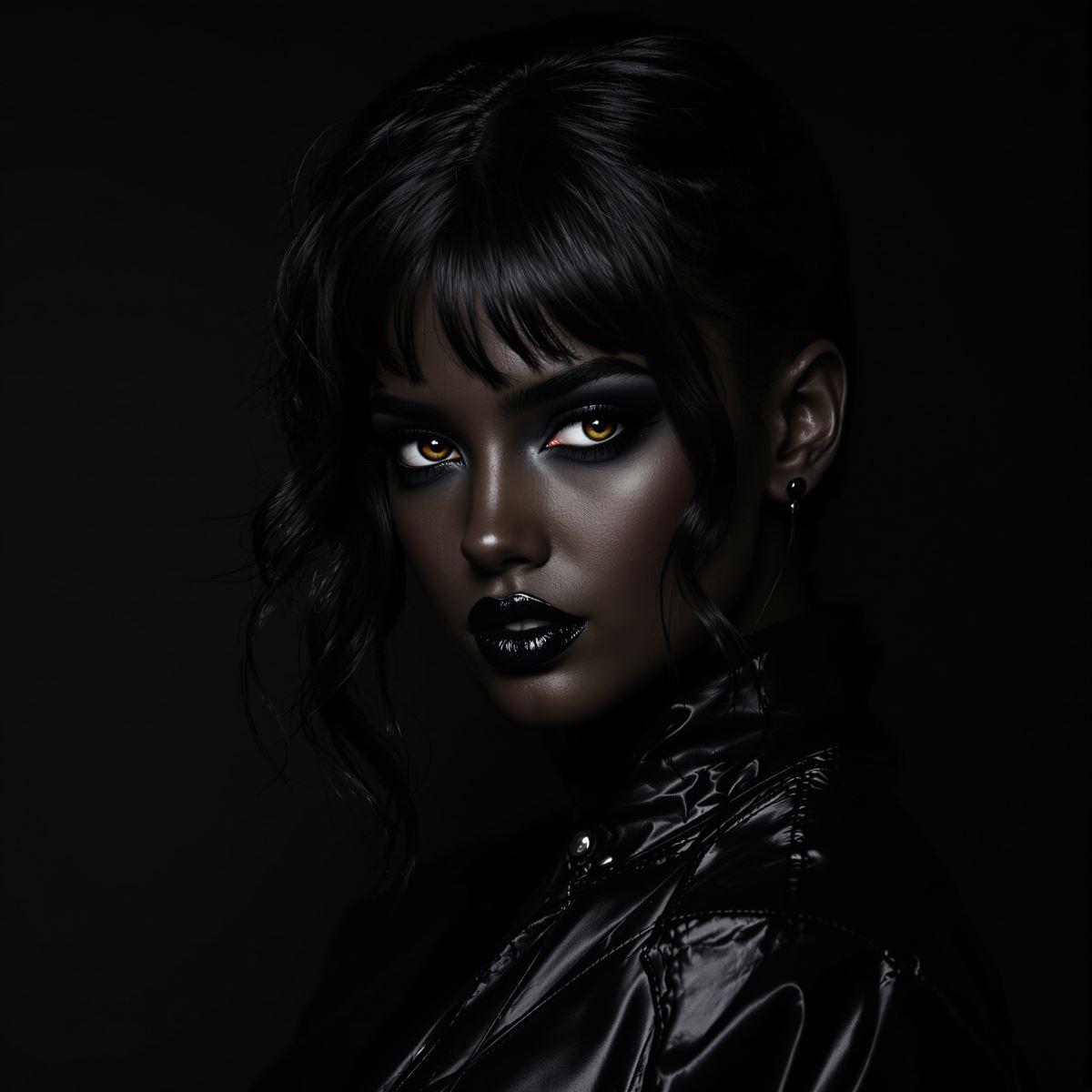
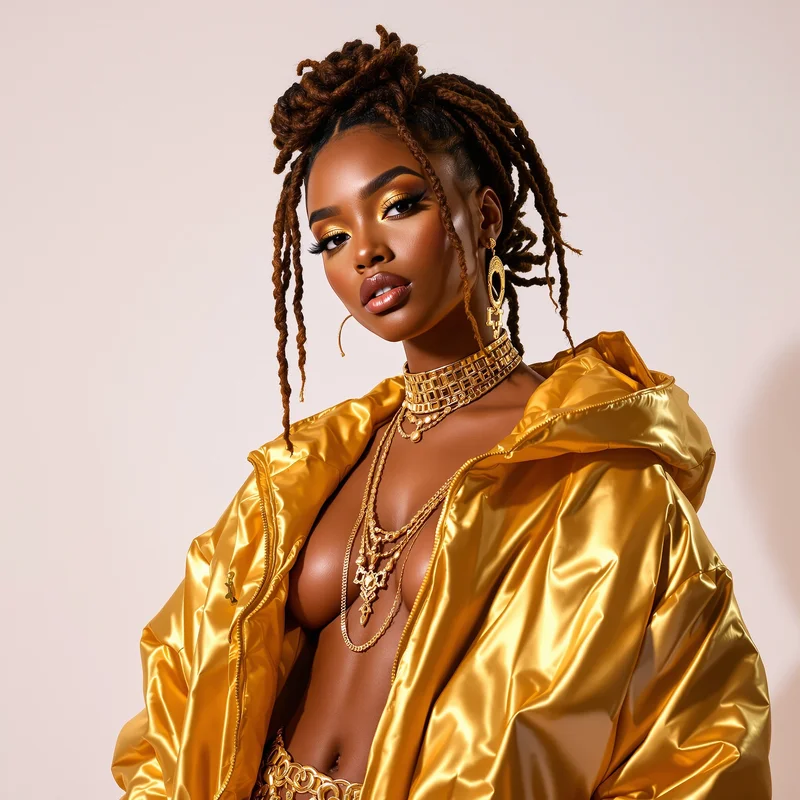
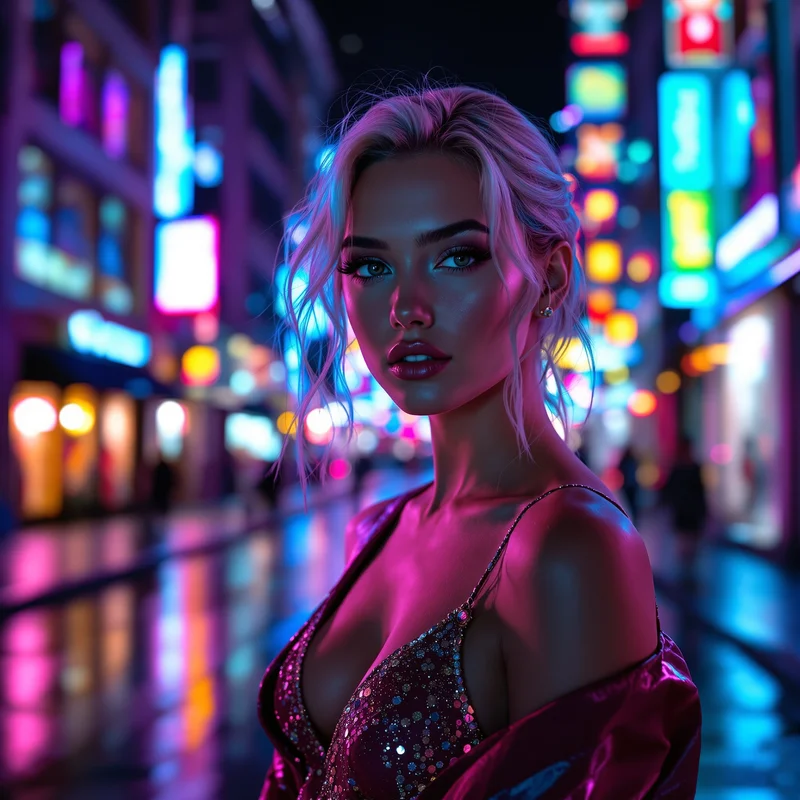
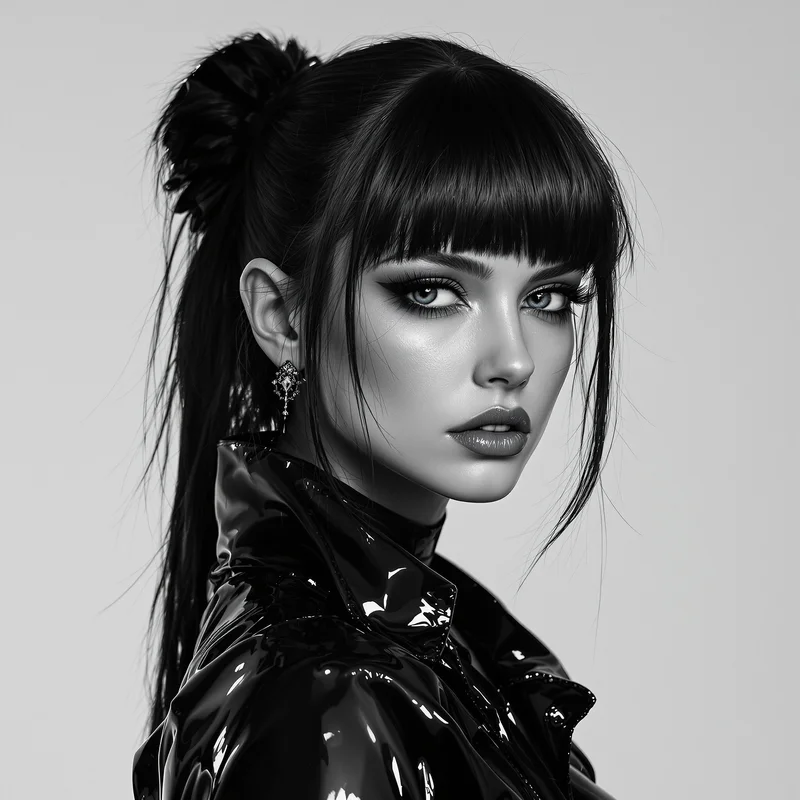
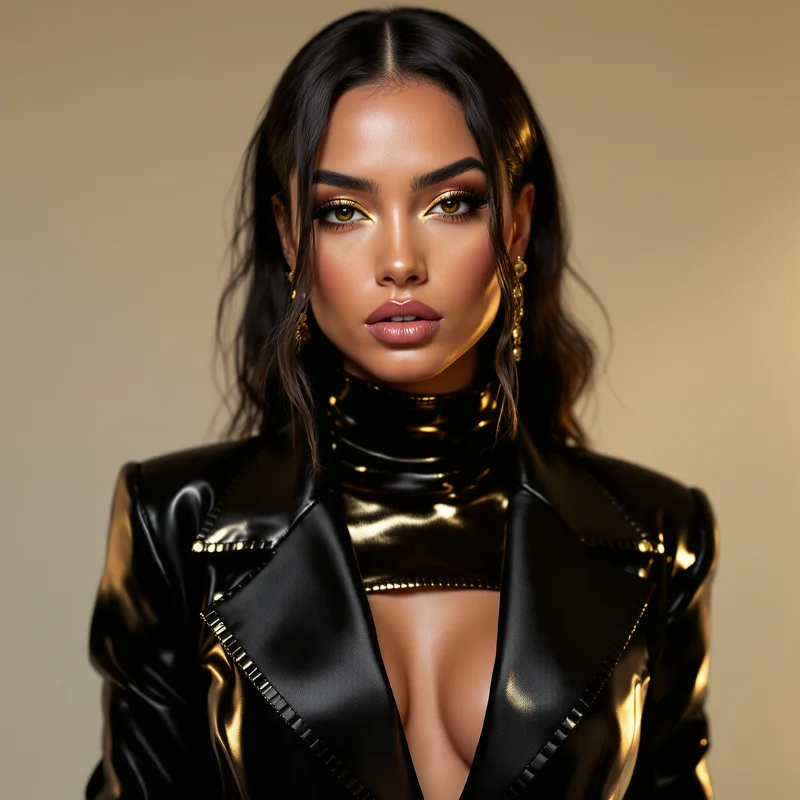
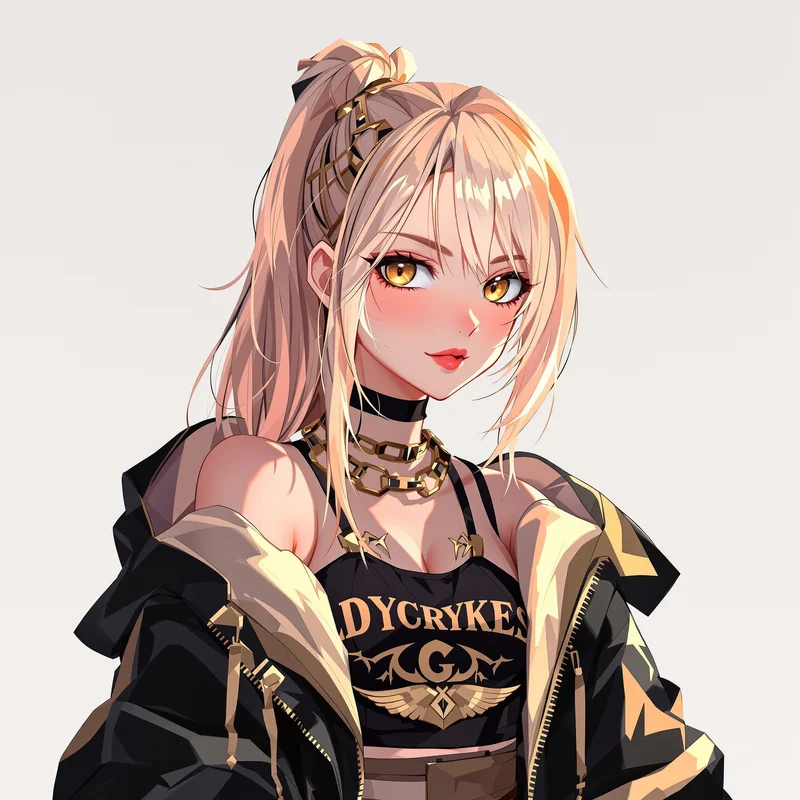
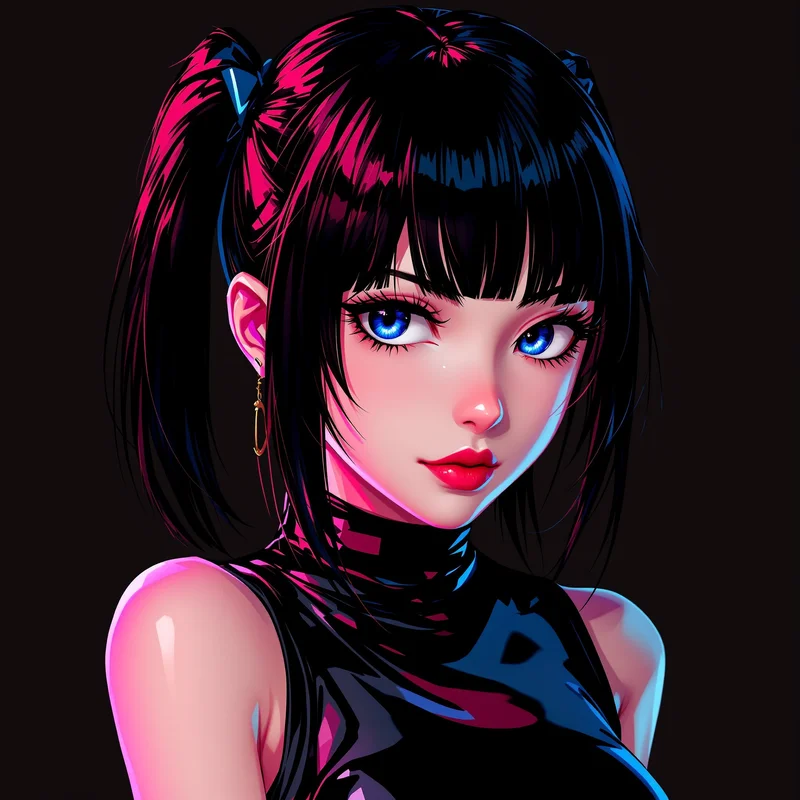
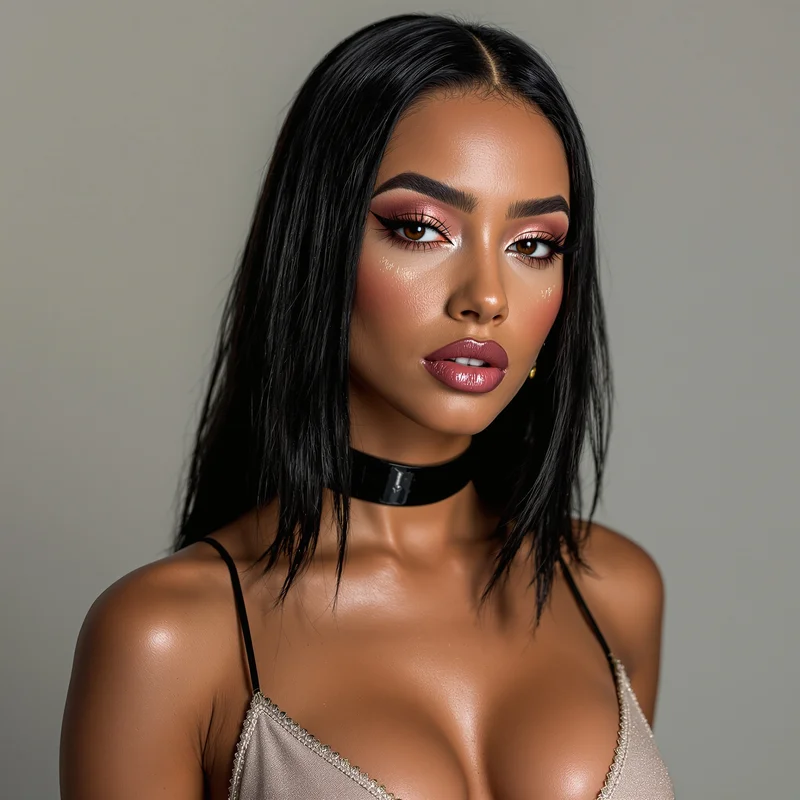
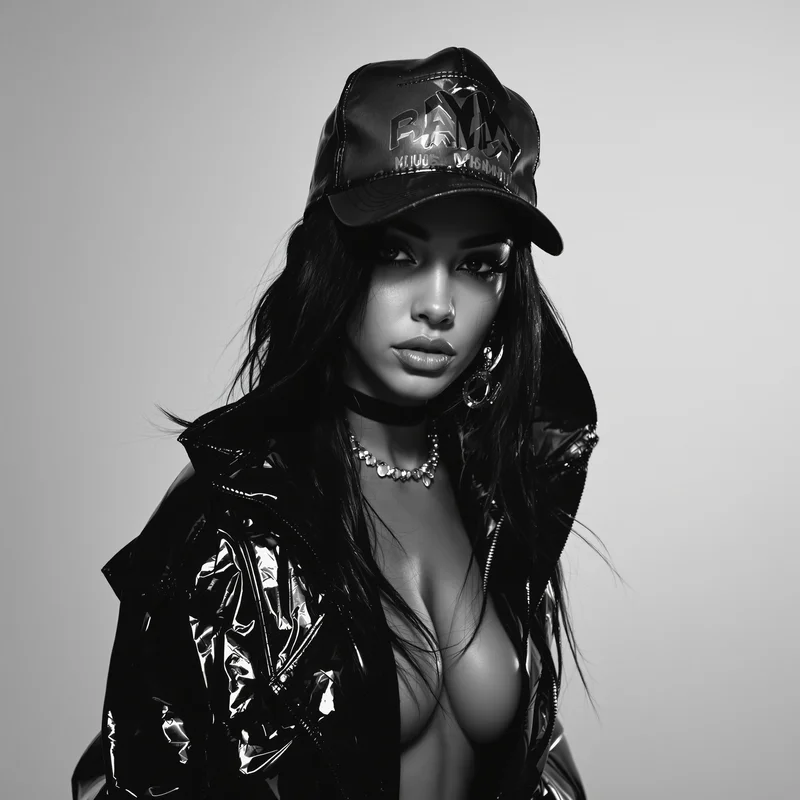
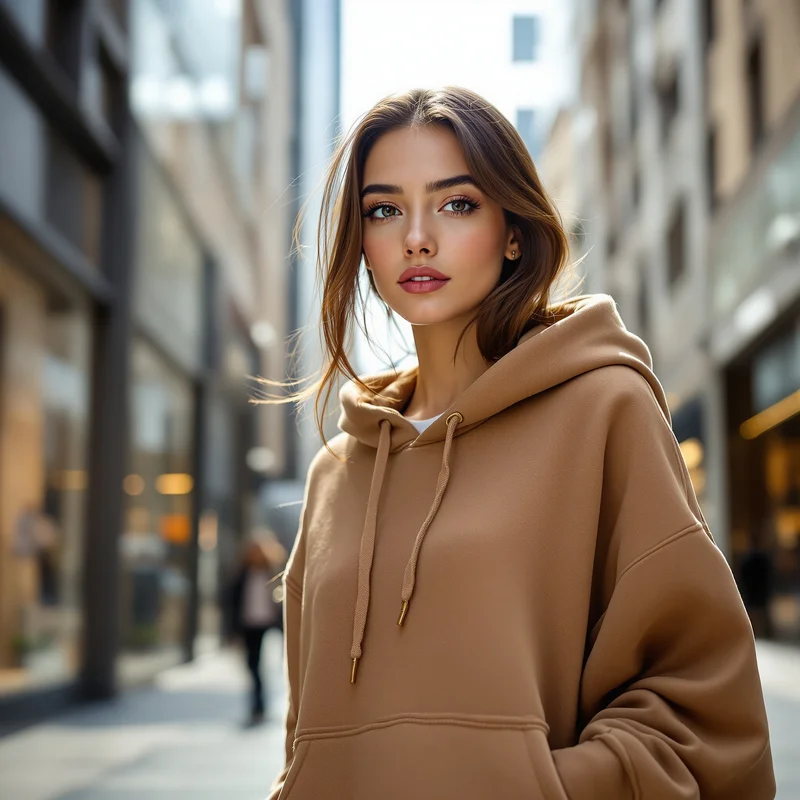
Gloss adds luxury to the identity, giving the avatar a smoother but still unmistakably powerful presence.
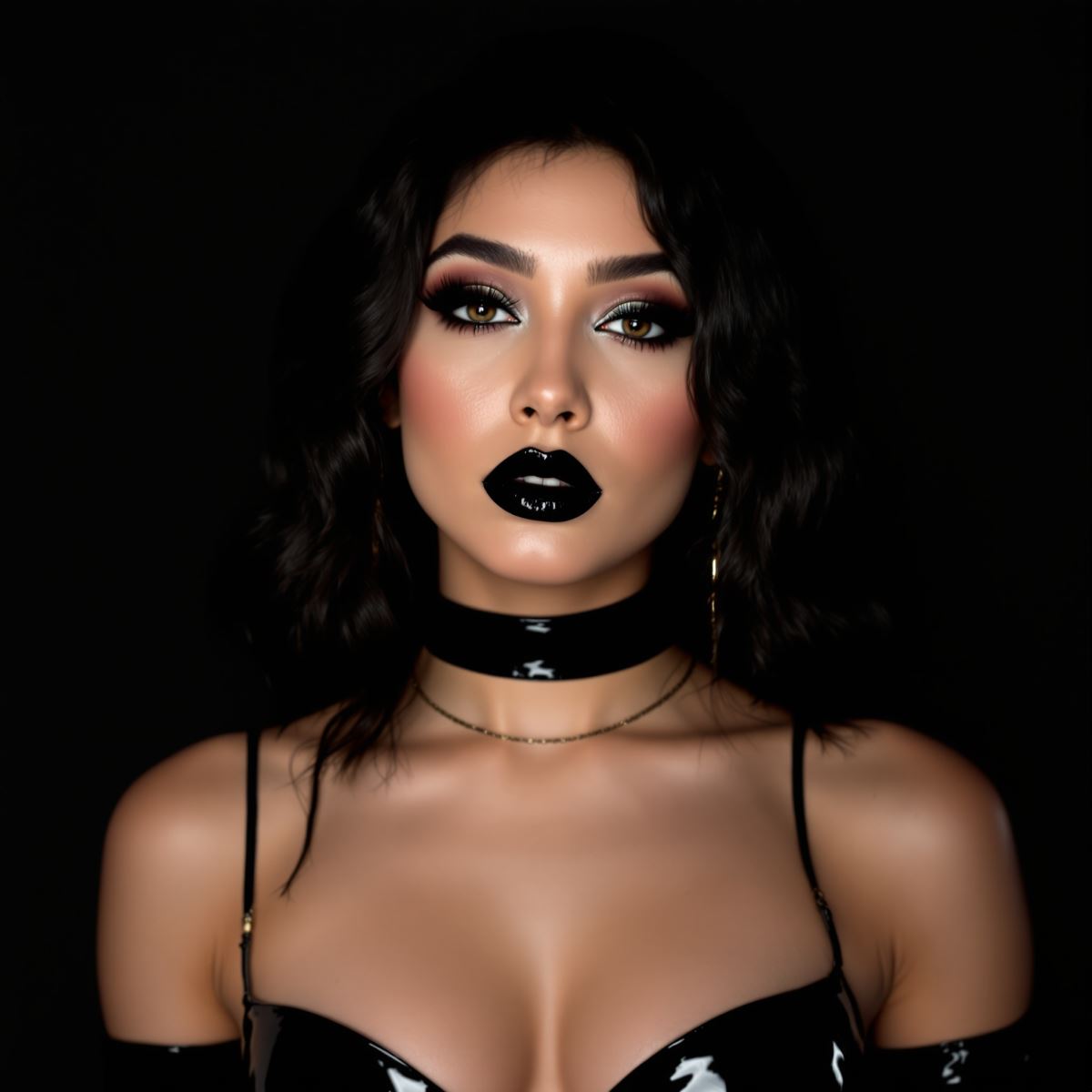
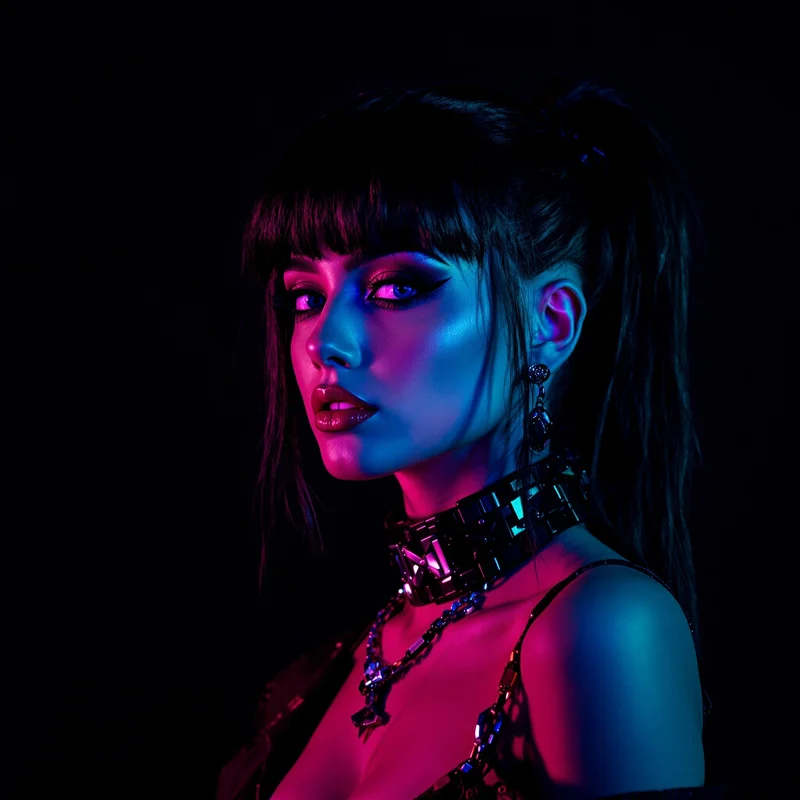
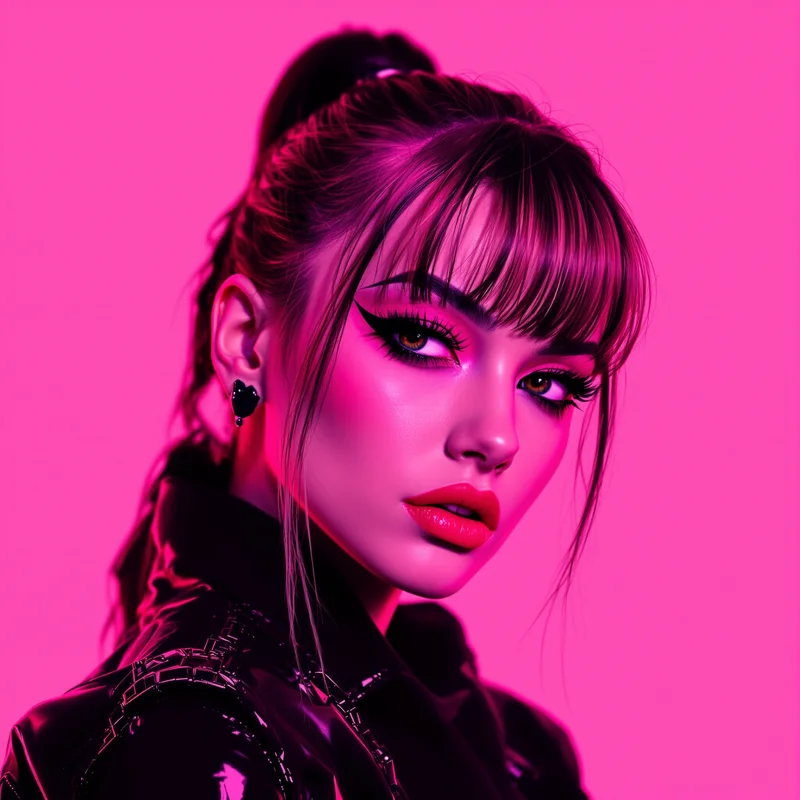
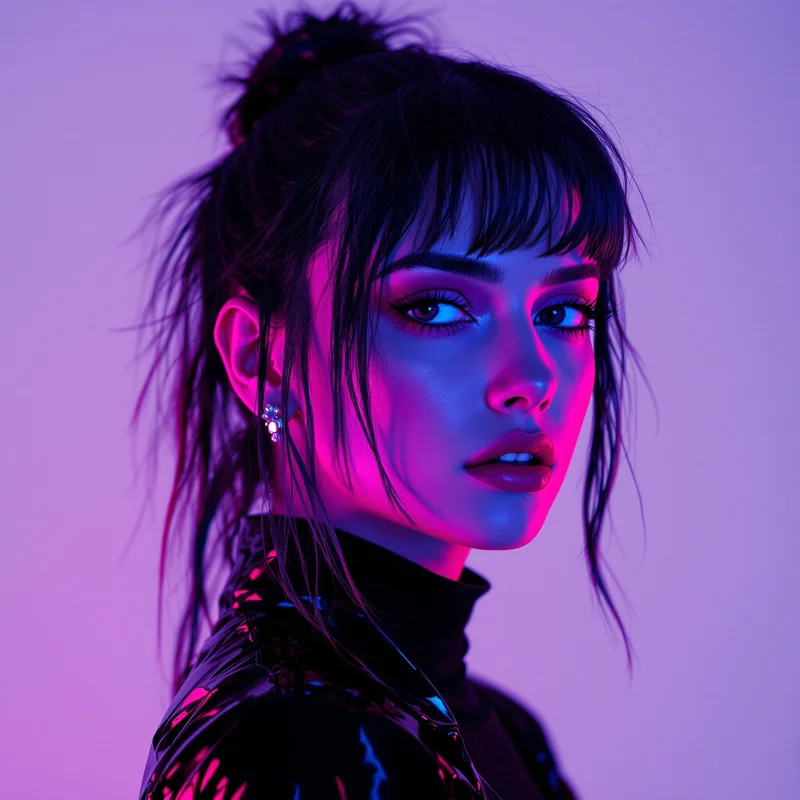
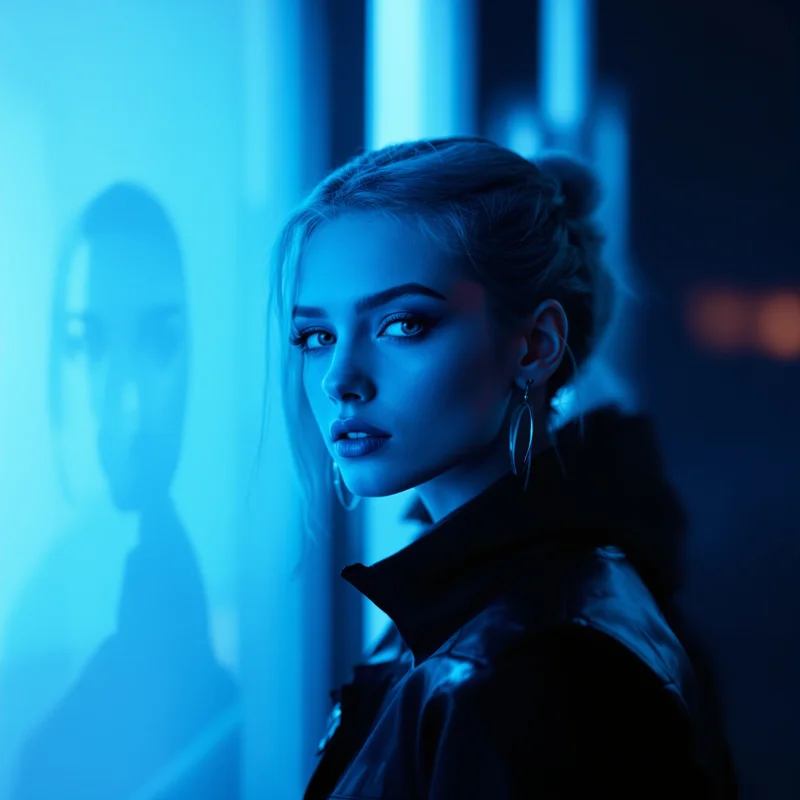
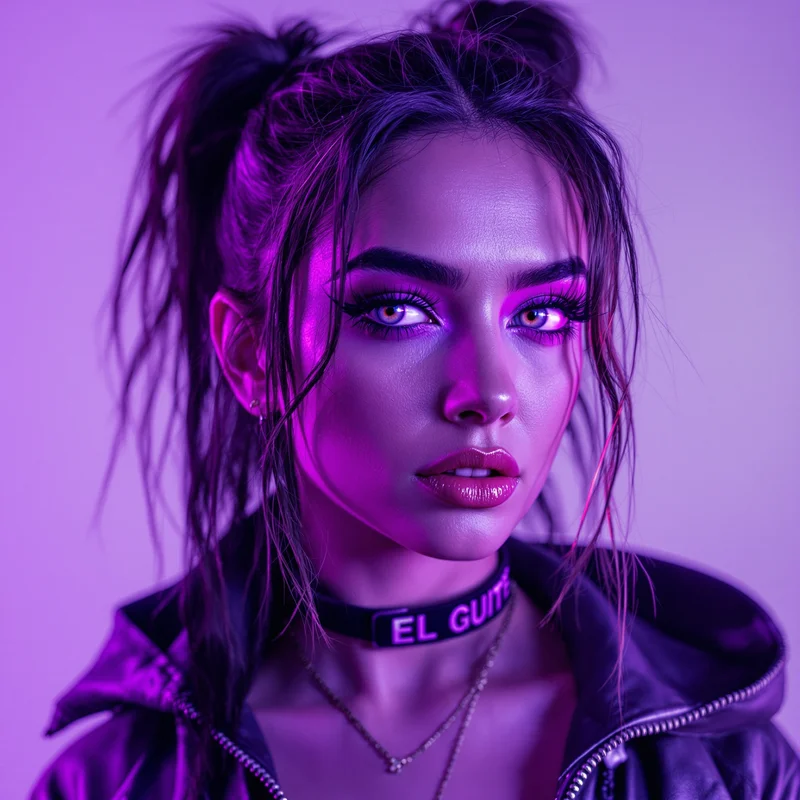
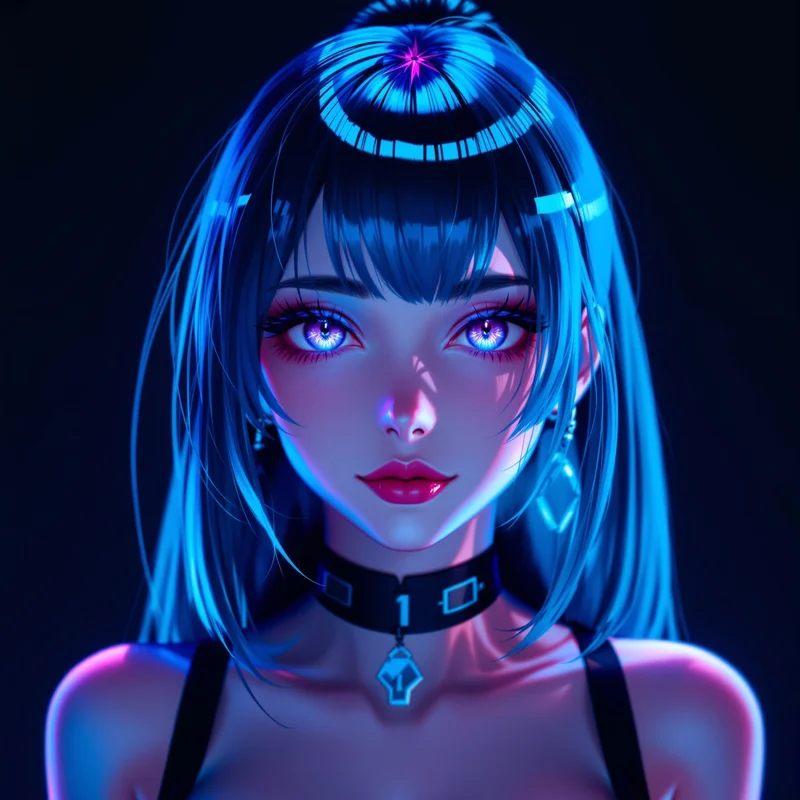
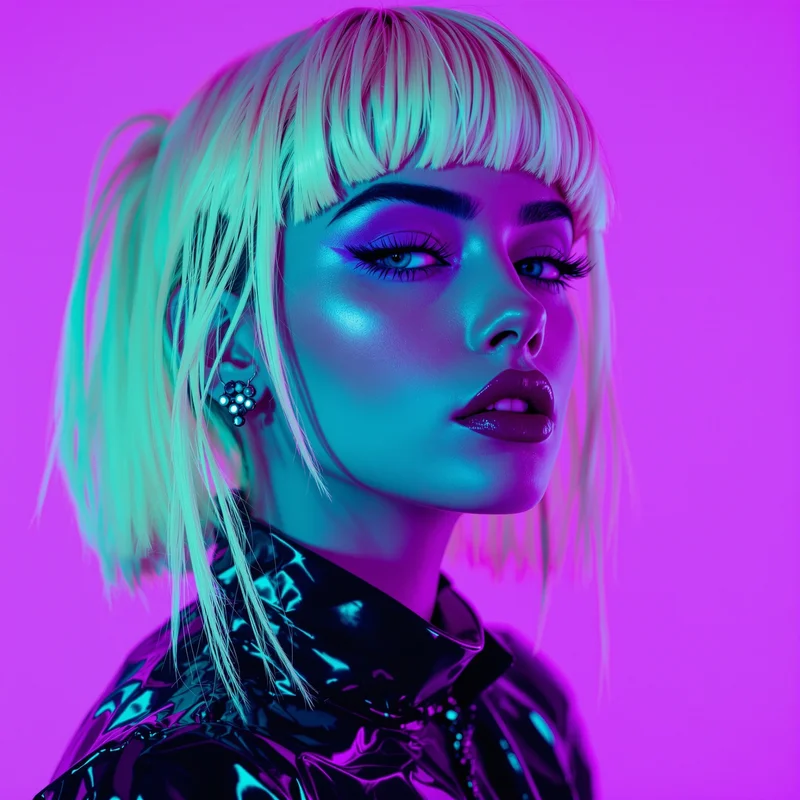
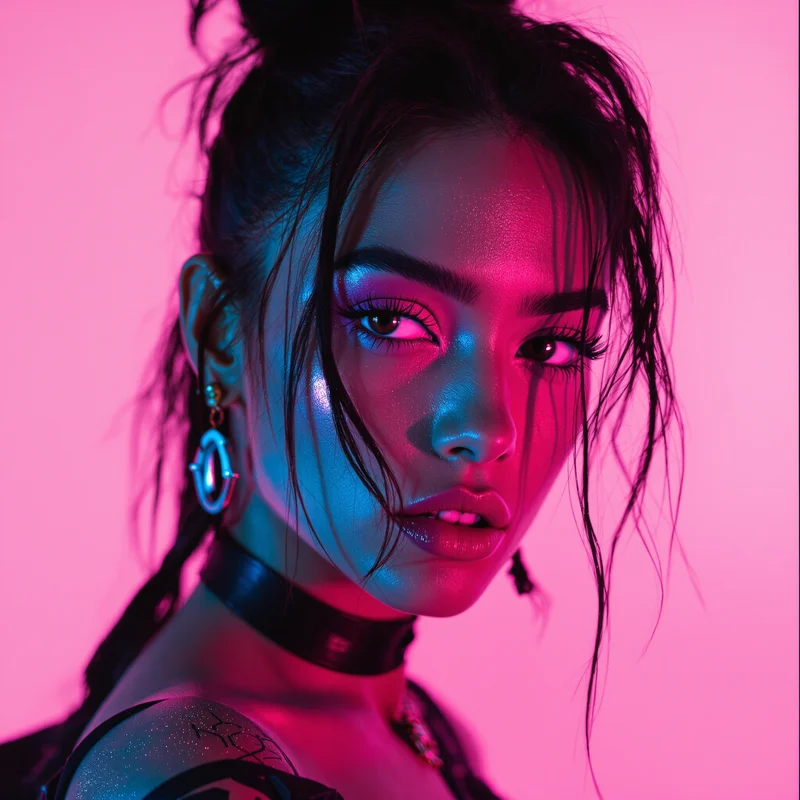
Neon light pushes the mood into a more electric space, where confidence feels louder and more visually charged.
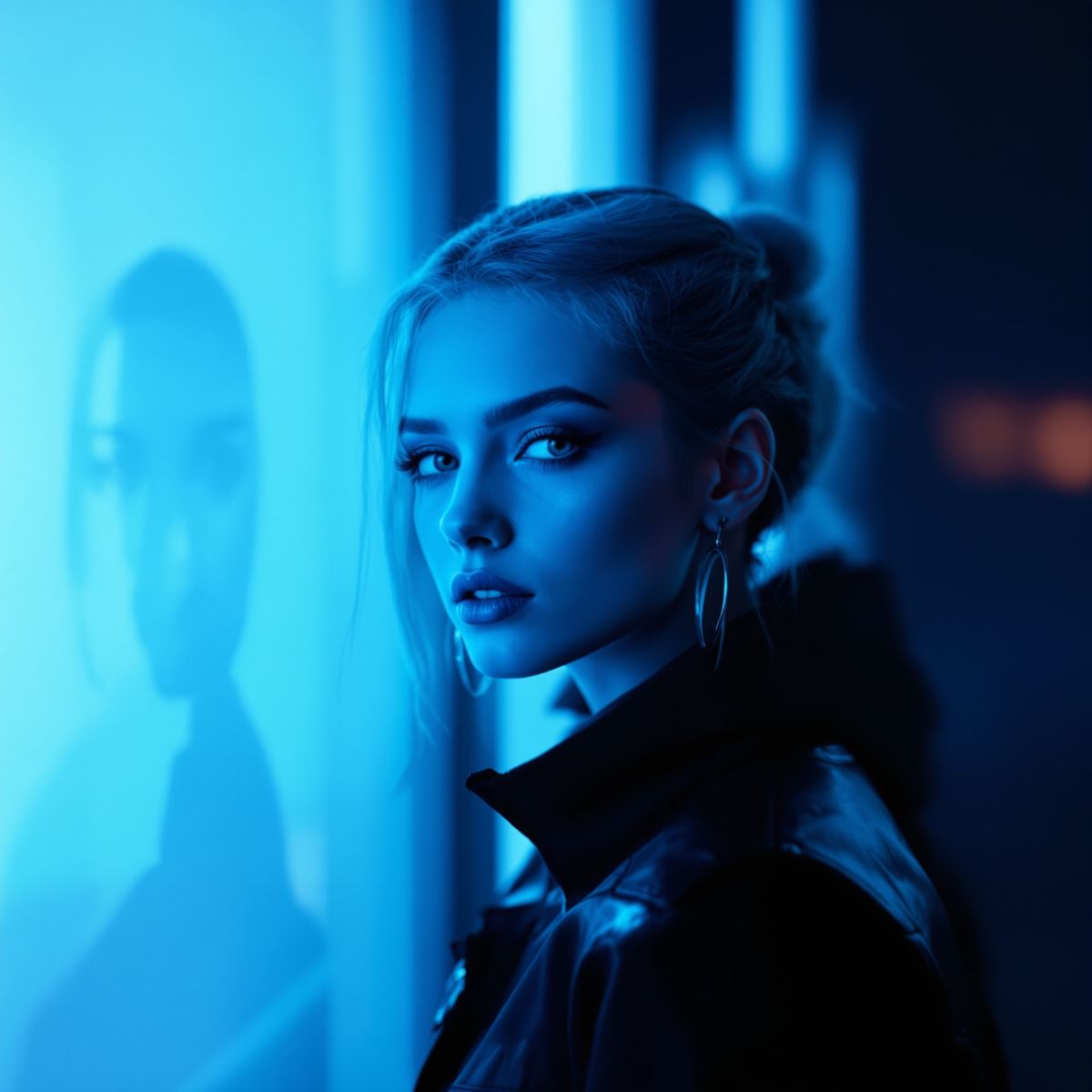
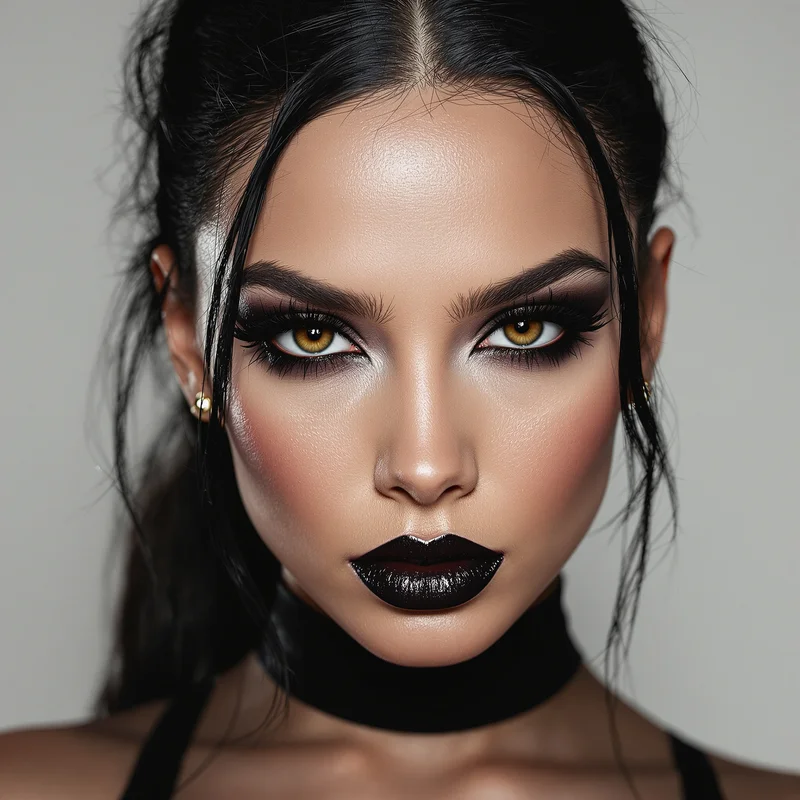
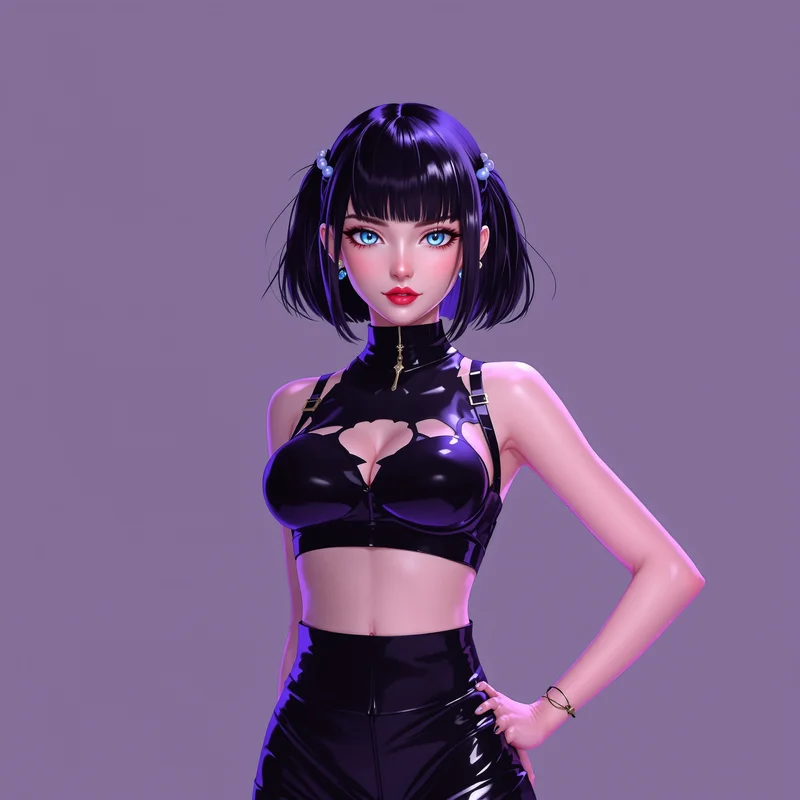
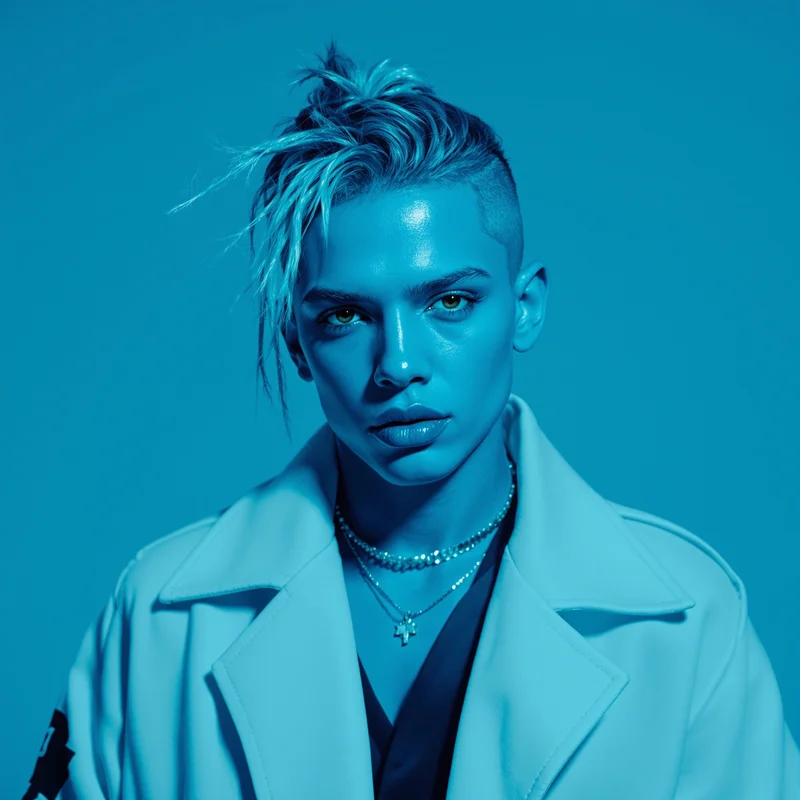
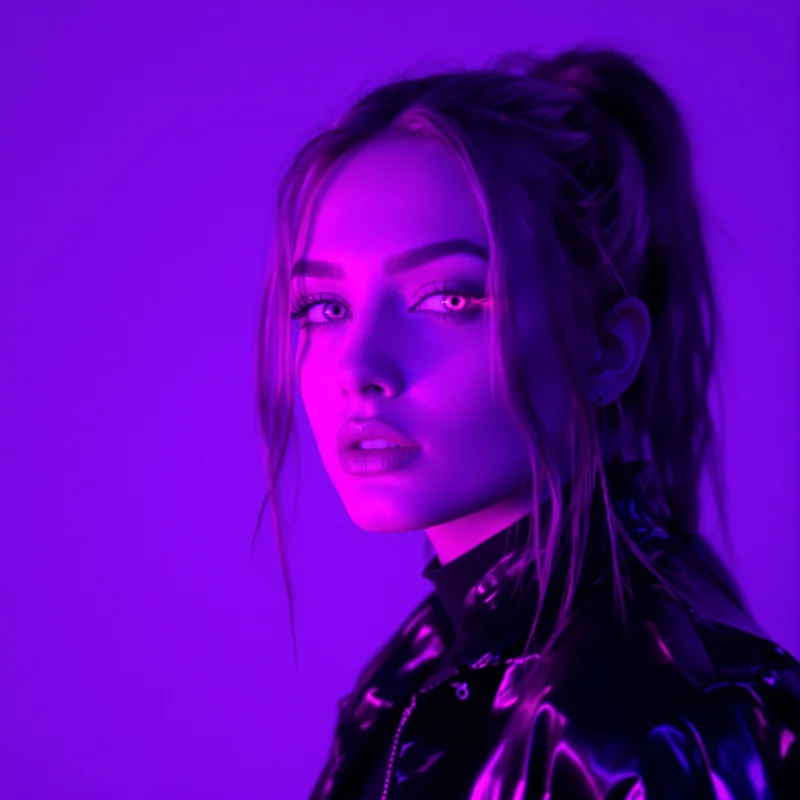
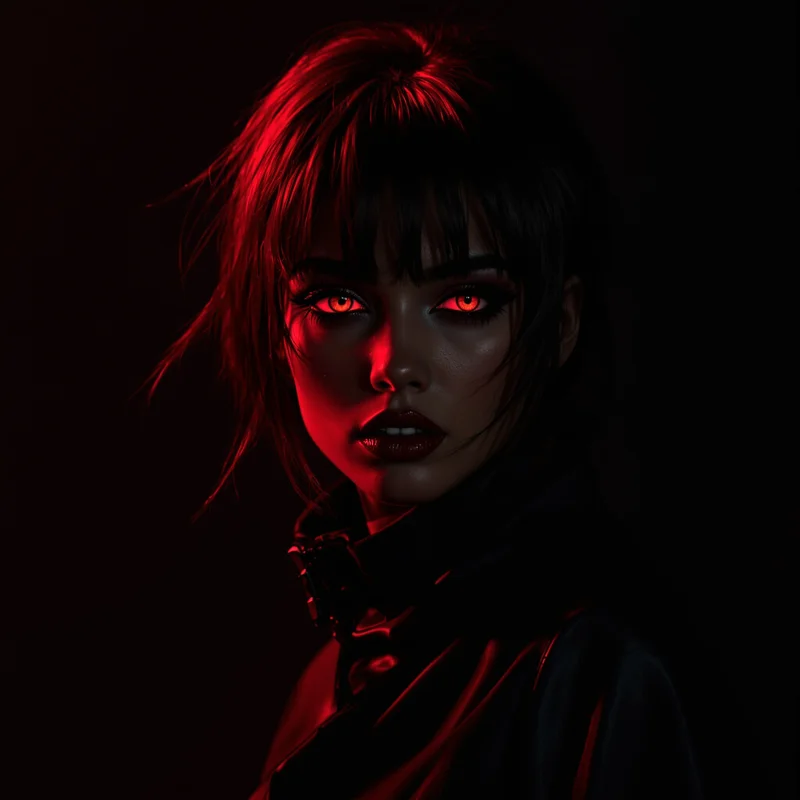
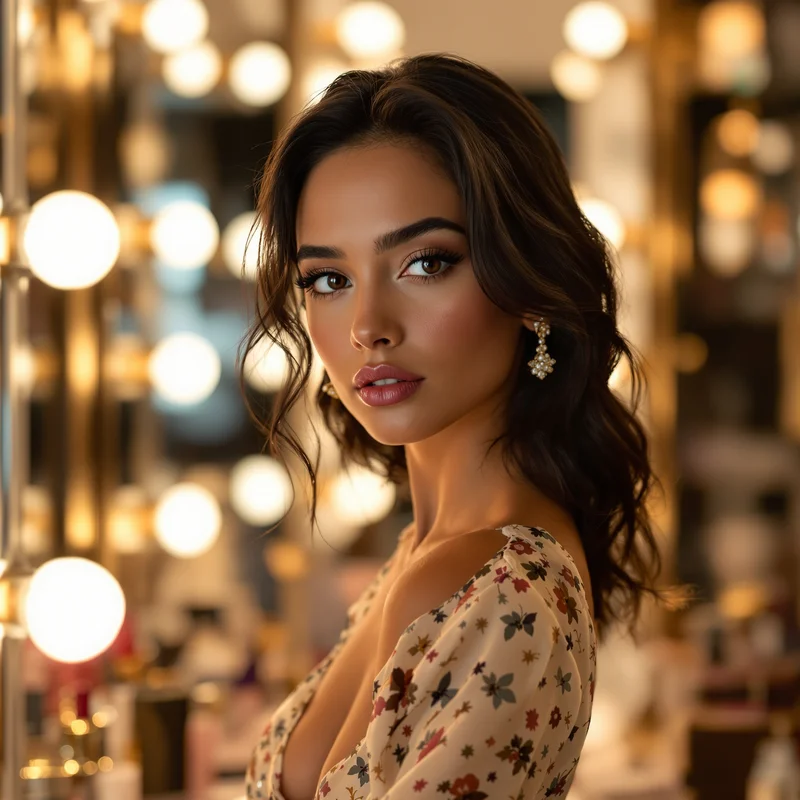
Expression becomes the center here, shaping an identity that feels stylish, aware, and fully in command of attention.
What a Baddie Avatar Communicates
A baddie avatar usually communicates confidence, visual discipline, and social self-possession. It suggests that the user is deliberate about presentation and not interested in looking timid or undefined. Depending on the exact variation, it can also express glamour, bold femininity, modern edge, nightlife energy, or a curated “unbothered” persona.
This type of PFP often signals:
- High-confidence digital identity
- Strong visual self-styling
- Glossy and polished presence
- Bold attitude with social awareness
- Commanding but fashionable energy
Because the baddie style is so readable at a glance, it works especially well in profile rows, social feeds, and image grids where fast impression matters. The viewer understands immediately that the profile is built around intention. That instant readability gives the aesthetic strong image behavior. People stop, recognize the attitude, and often save or select based on that feeling.
When to Use a Baddie PFP
A baddie PFP works best when you want your online identity to feel strong, polished, and visually elevated. It suits social accounts, personal branding spaces, fashion-driven profiles, aesthetic communities, nightlife-coded moodboards, and any environment where image language plays a major role in how presence is perceived.
It can also be useful during phases of reinvention or confidence-building. Some users choose a baddie profile picture when they want their digital presence to feel sharper and more self-defined. In that context, the avatar becomes more than a style decision. It becomes part of how a new attitude is projected. The PFP acts as reinforcement. It tells the world, and reminds the user, that softness is not the goal right now. Control is.
The strongest choices avoid turning the aesthetic into emptiness. A baddie PFP still needs character. If the image becomes too generic, it loses the specific energy that makes it effective. The best examples keep the polish but also hold onto expression, edge, and a clear emotional stance.
Baddie PFP as Selection Behavior
A strong baddie PFP hub should not show only one version of confidence. It should give users multiple expressions of it. Some want colder distance. Some want glossy luxury. Some want a more dominant frame. Some want neon energy. These are not minor differences. They shape the exact identity signal the user sends once the avatar goes live.
That is why this category performs well as an image-first identity system. Users search because they are not looking for any random attractive profile picture. They are looking for a specific version of power and style. The hub works when it helps them compare those tones quickly and choose the one that feels closest to their own self-image. Once that recognition happens, the page stops being just content and becomes a profile-picture decision space.
FAQ
What makes a PFP look baddie?
A baddie PFP usually combines confident expression, polished styling, strong framing, glossy mood, and a clear sense of attitude-driven identity.
Why do people choose baddie avatars?
People choose baddie avatars because they want a profile picture that feels bold, attractive, self-assured, and socially powerful rather than soft or neutral.
Is baddie PFP only about looking glamorous?
No. Glamour is part of it, but the deeper effect comes from control, confidence, and how the image communicates presence and self-possession.
Where does a baddie profile picture work best?
A baddie profile picture works best on platforms where strong visual identity matters, including social media, fashion-adjacent spaces, personal branding profiles, and aesthetic communities.