Platform




















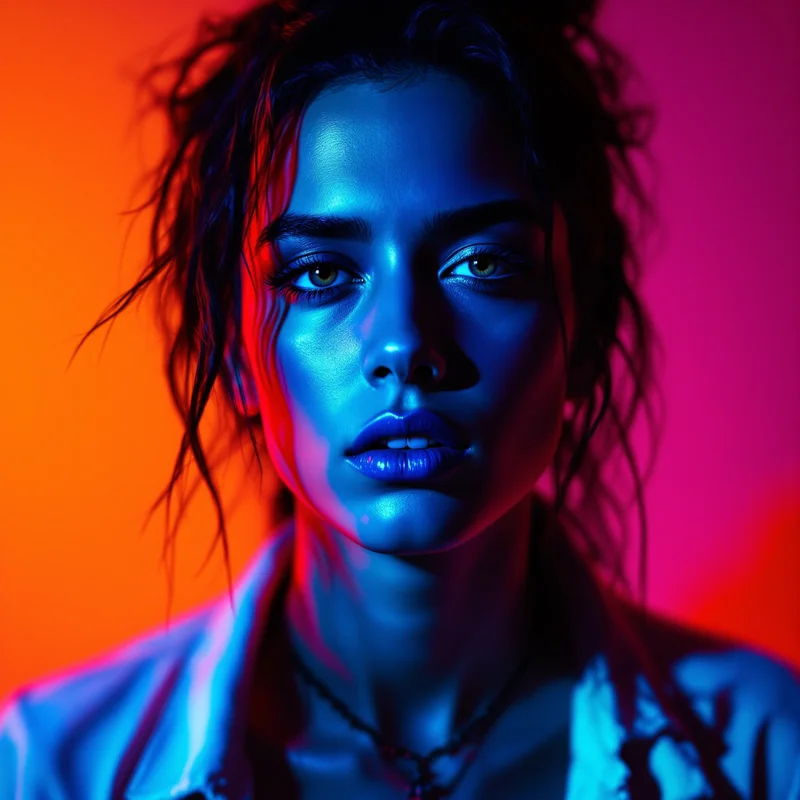

Platform PFP – Avatar Identity Built for Where You Appear
Platform PFP is one of the most practical parent hubs in the entire avatar system because it is built around a simple truth: not every profile picture works equally well on every platform. A great Discord avatar is not always the best choice for Instagram. A TikTok profile image needs different visibility logic than a Fortnite or Roblox identity. That is exactly why Platform PFP matters. It helps users choose avatars based not only on style, but on where the image actually lives.
This makes Platform PFP different from mood-based or character-based hubs. It is not primarily organized around aesthetic taste or symbolic identity. It is organized around platform behavior. Each child hub reflects the visual rules, crop logic, speed of attention, and recognition conditions of a specific platform. Some platforms reward circular crop clarity. Some reward fast feed visibility. Some reward gaming identity and avatar readability. Others reward social polish or creator recognition. The platform itself changes what a strong PFP looks like.
That is why this parent hub is so important. It turns profile picture selection into a platform-aware identity system. Users arrive here because they do not only want a good avatar. They want the right avatar for the environment where it will be seen over and over again.
Why Platform-Based Avatar Strategy Matters
A profile picture is always interpreted inside context. The same image can look excellent on one platform and weak on another because the surrounding interface changes the rules. Discord compresses and repeats avatars inside small circles across chats and servers. Instagram demands strong identity inside circular crop, feed adjacency, and highlight visibility. TikTok rewards fast recognition because users move quickly through high-speed interfaces. Gaming spaces like Fortnite and Roblox often depend more heavily on avatar signal, attitude, and platform-native identity cues.
That is why Platform PFP works so well as a parent hub. It recognizes that identity is not only about expression. It is also about fit. A platform-optimized avatar has a better chance of staying readable, memorable, and aligned with user expectations inside that specific environment. This gives the profile stronger practical performance, not just visual appeal.
There is also a recognition advantage in platform fit. When an avatar feels native to the environment where it is being used, it often becomes easier for other people to process and remember. The account looks more coherent. The identity feels more intentional. That can make a major difference in social, creator, and gaming spaces where repeated exposure shapes memory.
Platform PFP as a Parent Identity Hub
The Platform PFP hub should function as a structured discovery page, not just a collection of unrelated pages. Its job is to help users move from broad platform-based intent into the exact avatar logic they need. Some users arrive knowing they need a Discord PFP. Others only know they want something good for social media, fast-moving feeds, or gaming identity. The parent hub exists to bridge that gap.
Each child page inside this hub represents a different platform logic. Discord PFP focuses on community visibility, circular crop, and profile clarity in repeated chat environments. Instagram PFP focuses on highlight visibility, aesthetic control, and recognizable identity in a visually competitive feed. TikTok PFP focuses on speed, attention, and creator-level recognition in fast-moving mobile contexts. Fortnite PFP supports competitive identity, energetic presence, and strong gamer recognition. Roblox PFP focuses on block-style clarity, avatar logic, and playful but readable platform-native identity.
Together, these pages create a broader taxonomy of platform behavior. That is what makes the parent hub useful for both users and search engines. It defines Platform PFP as a concept built around environment-specific avatar strategy, not just generic profile image inspiration.
Representative Platform PFP Gallery

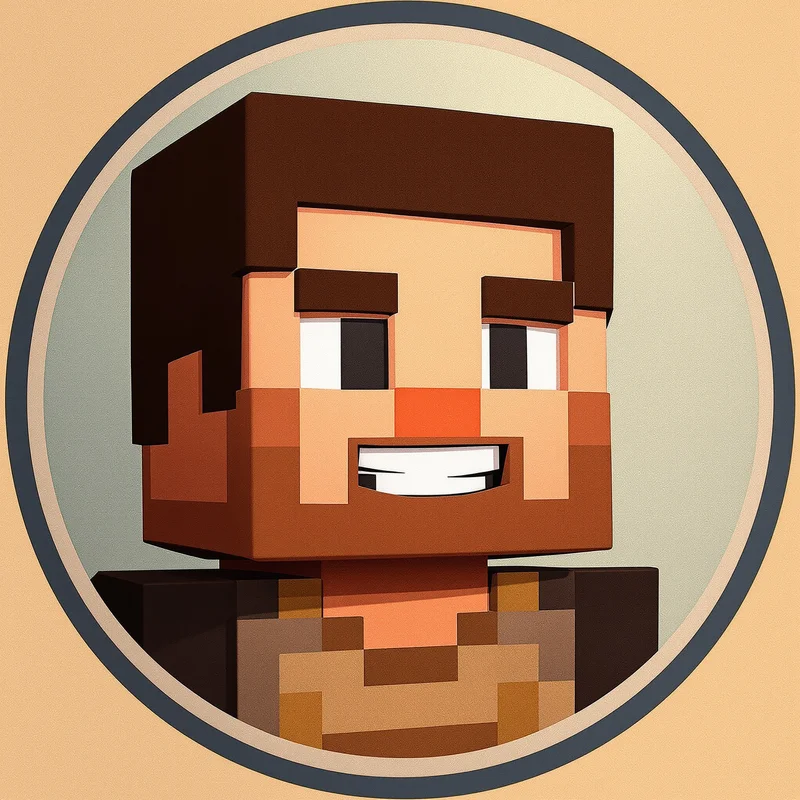
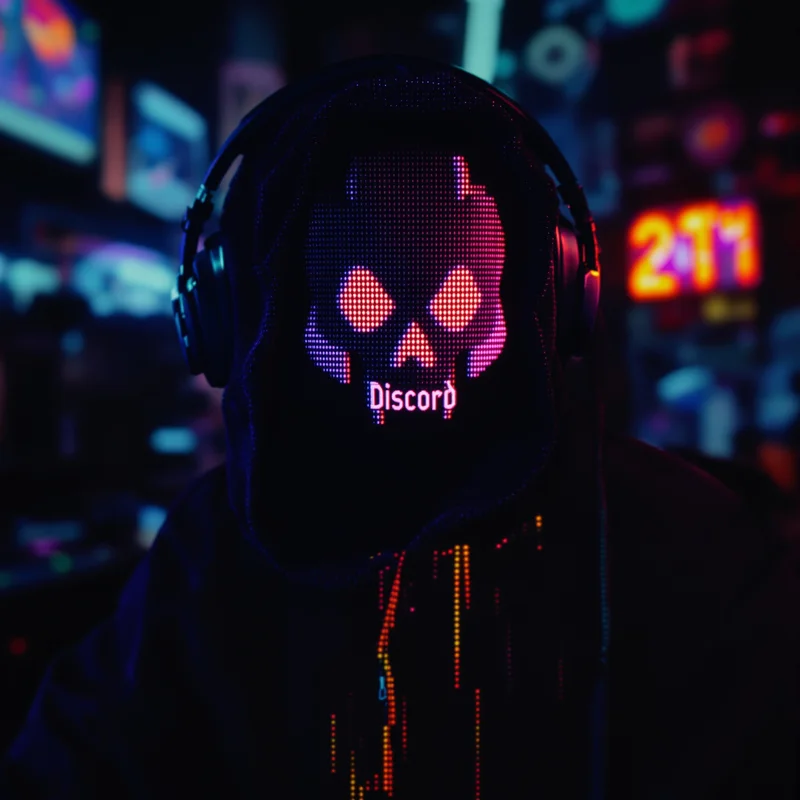
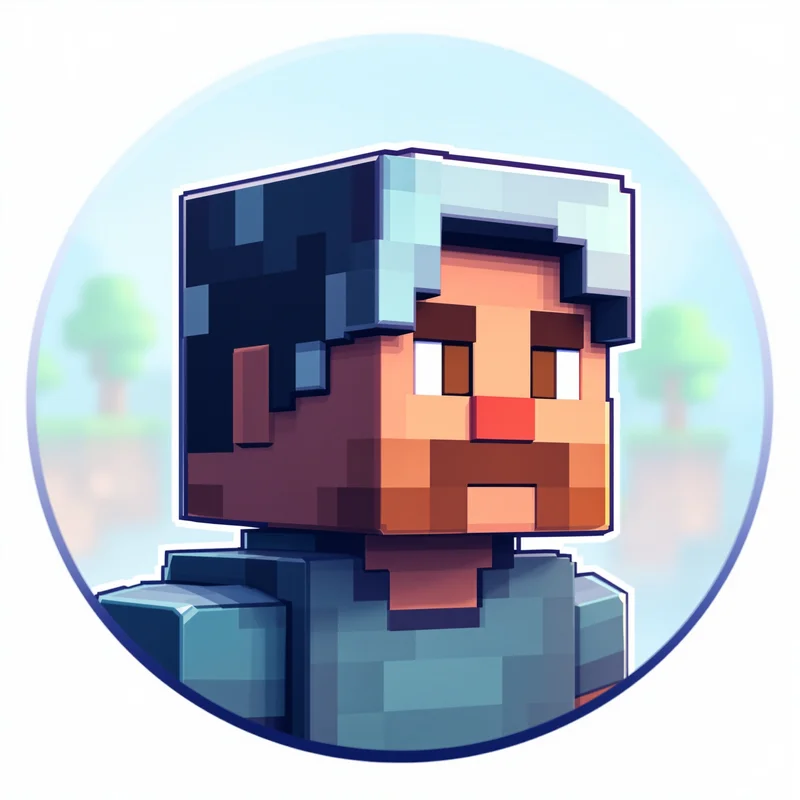
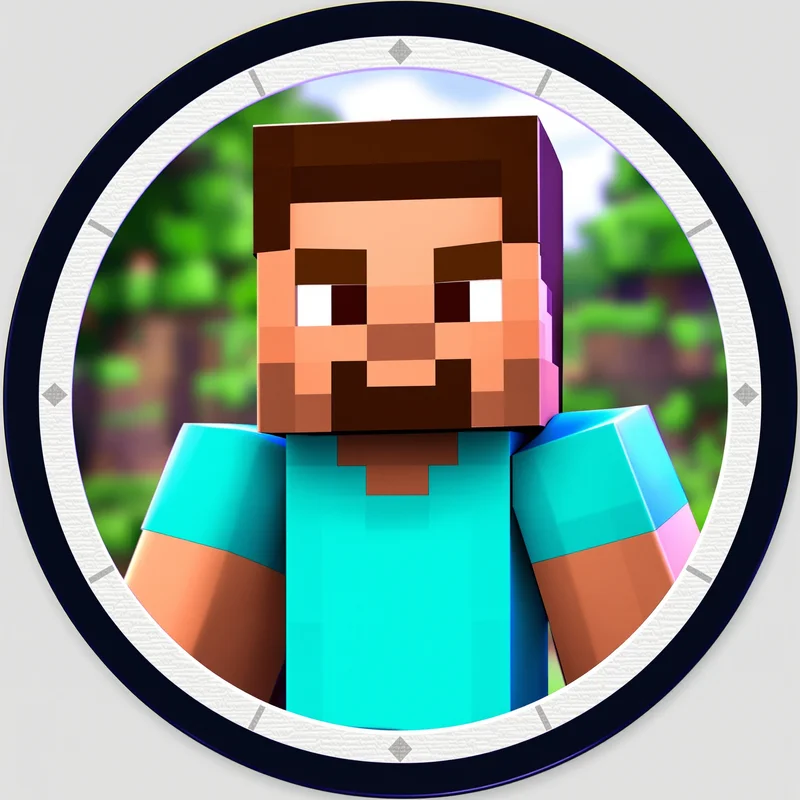
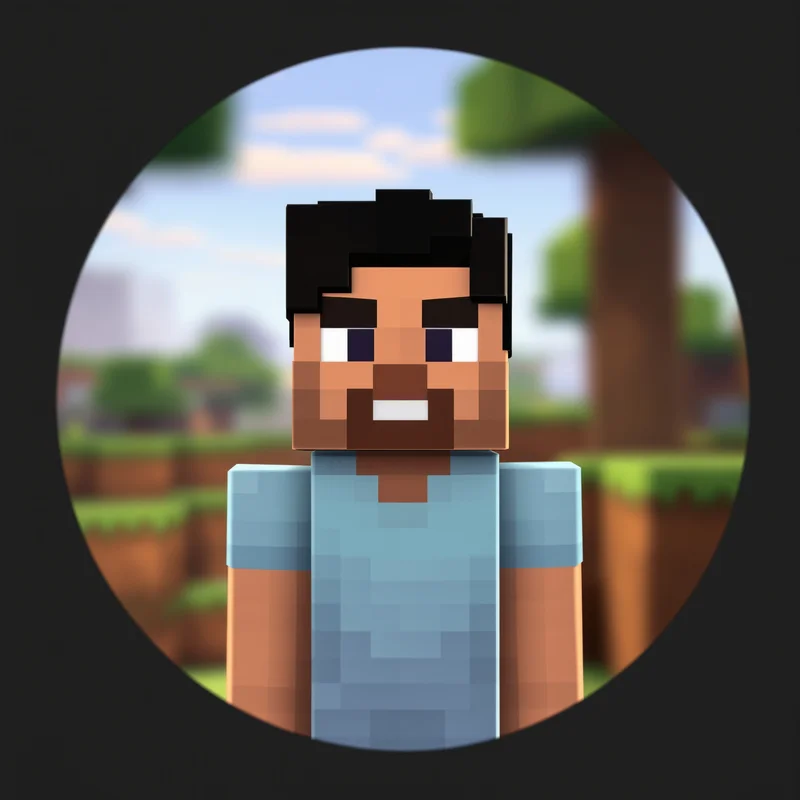
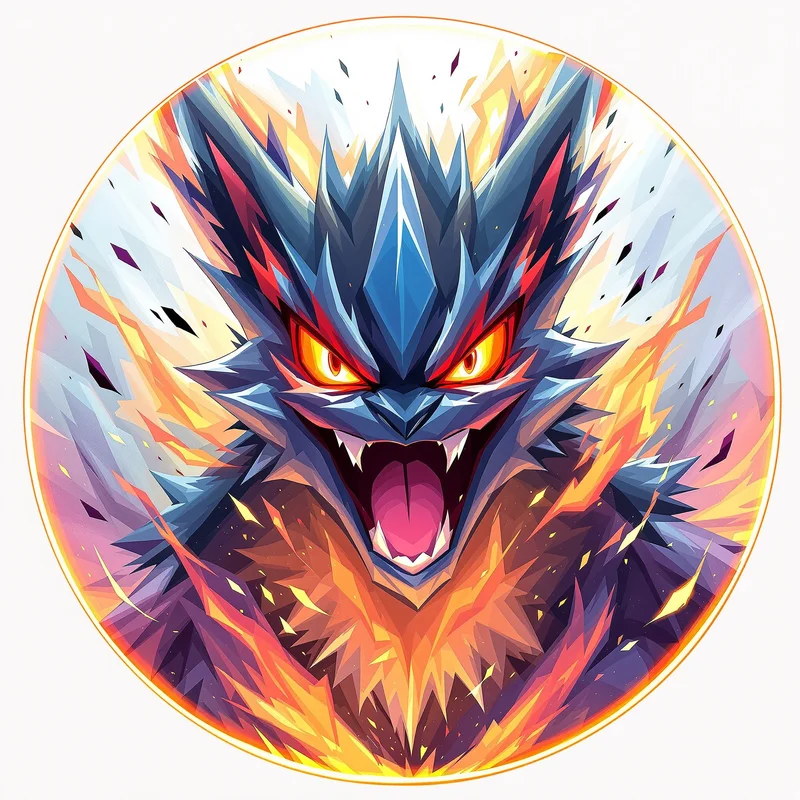
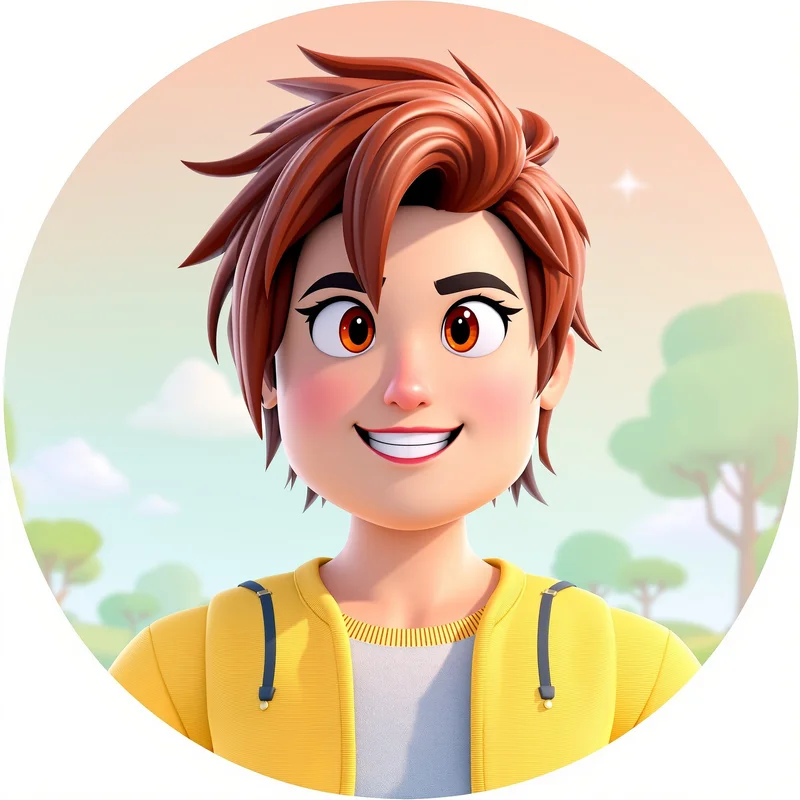
This kind of platform avatar gives the profile stronger repeated visibility in community spaces, helping the identity stay readable across chats and server lists.
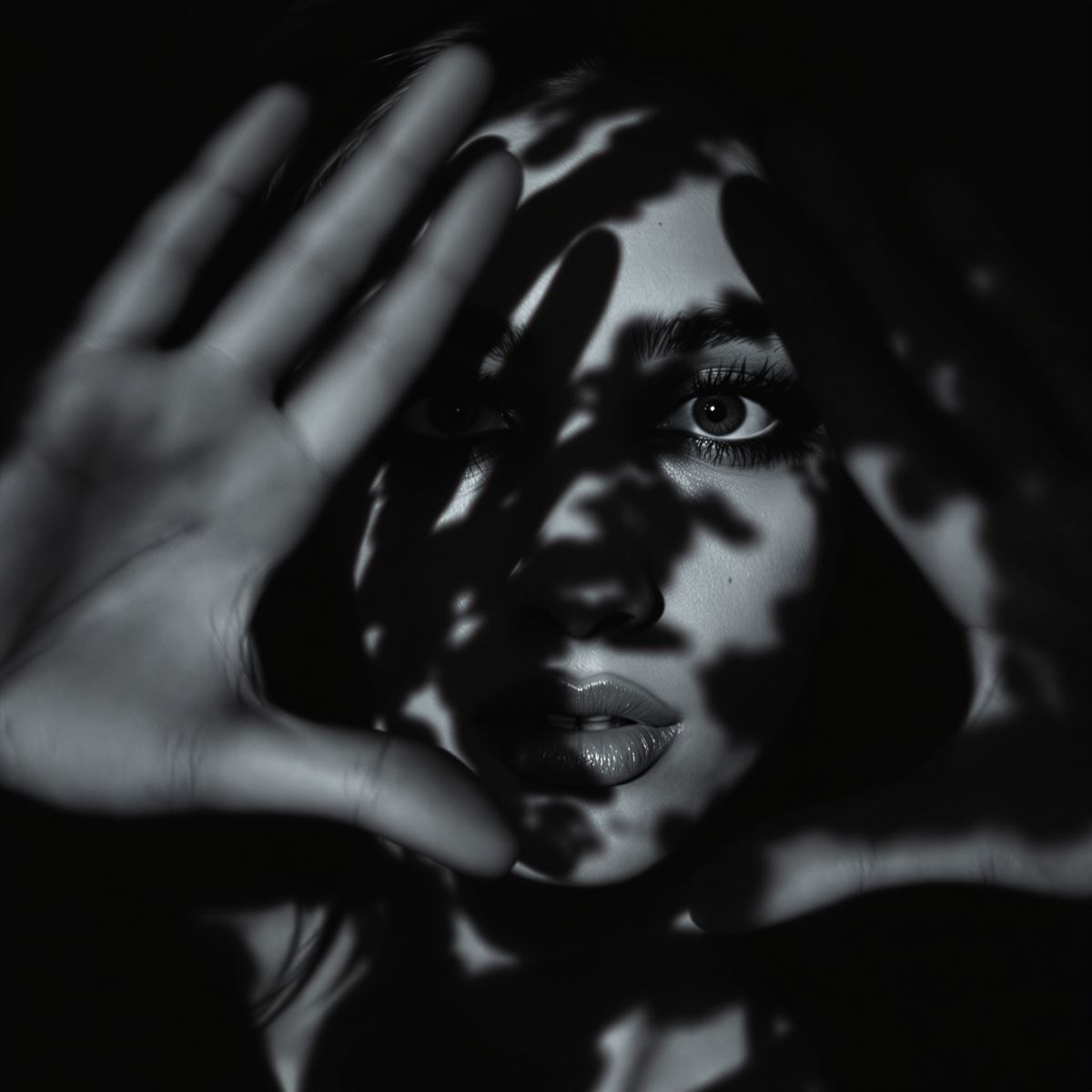
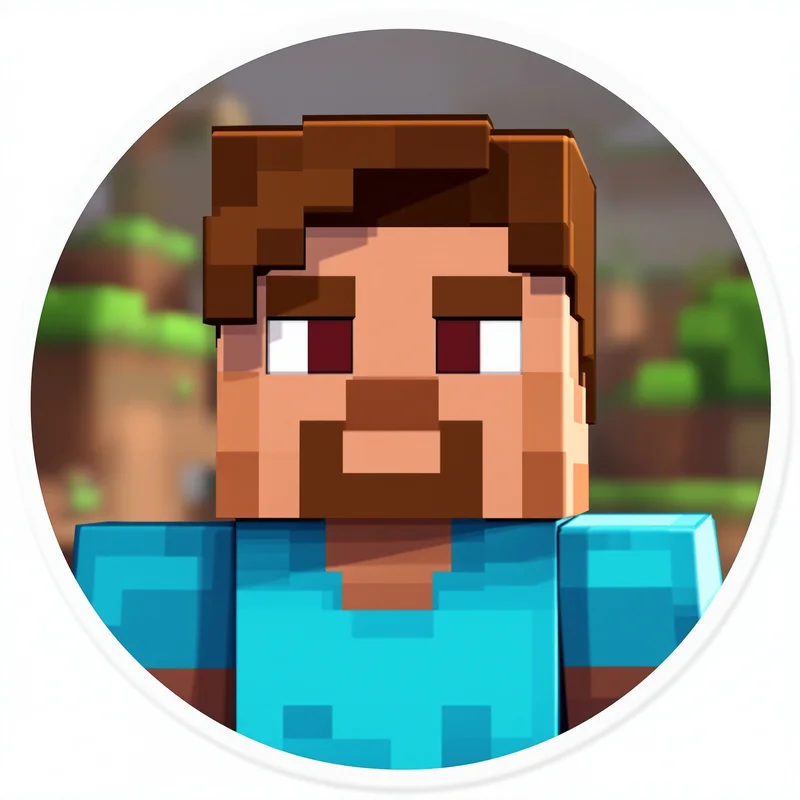
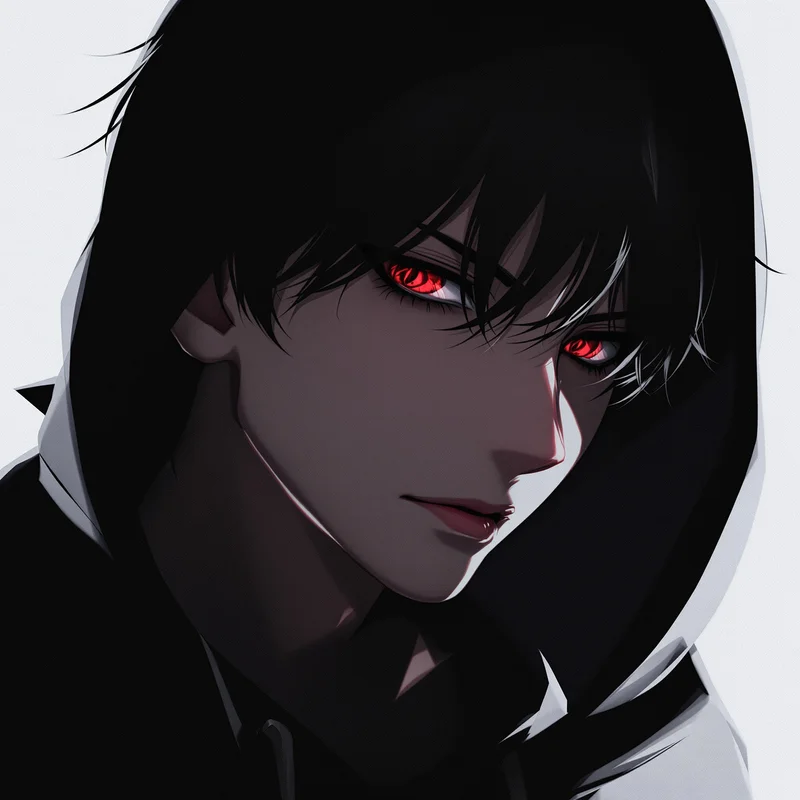
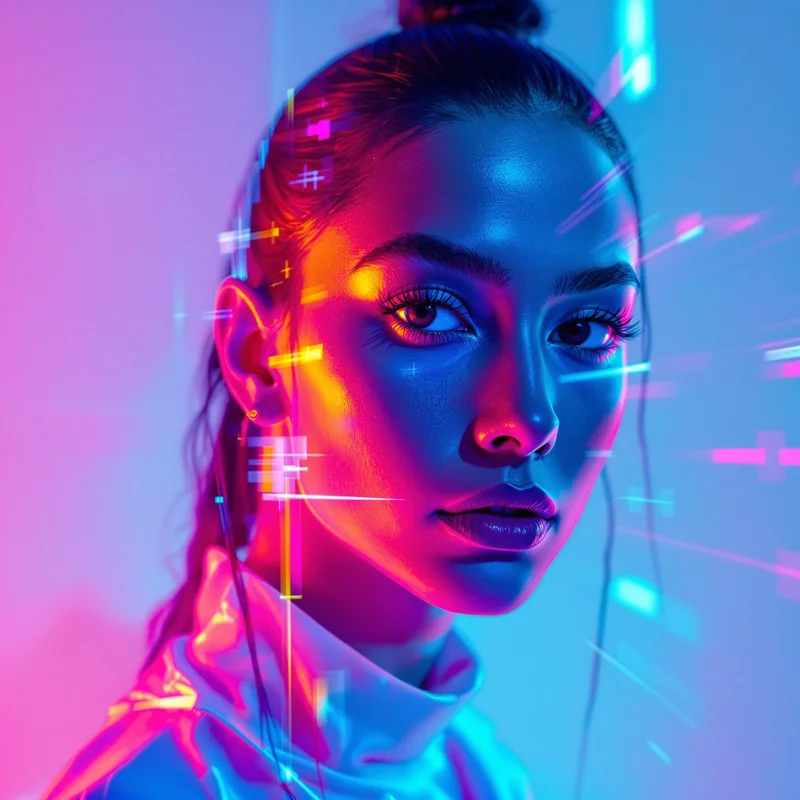
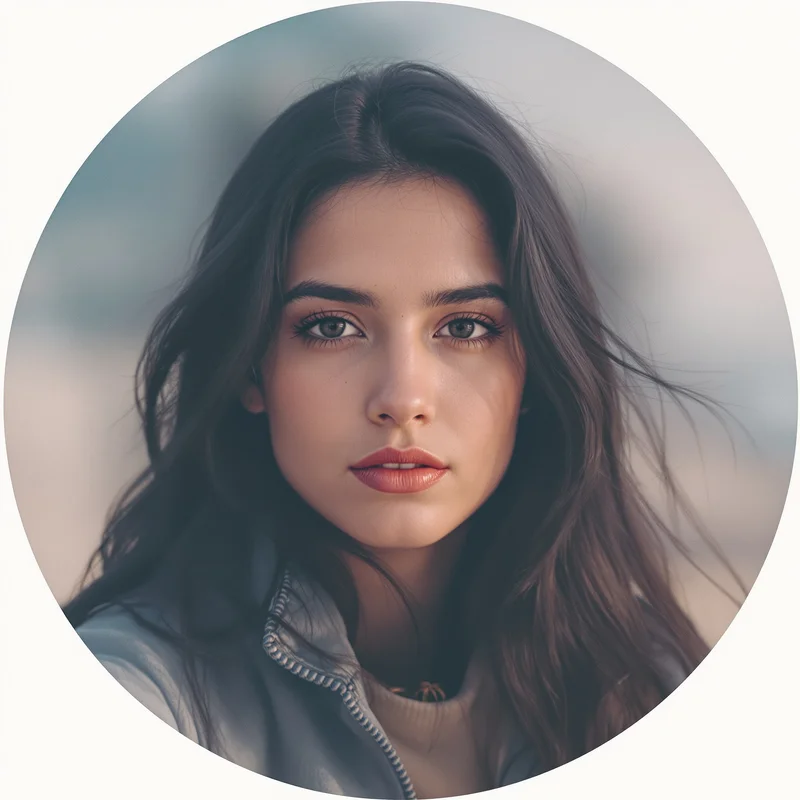
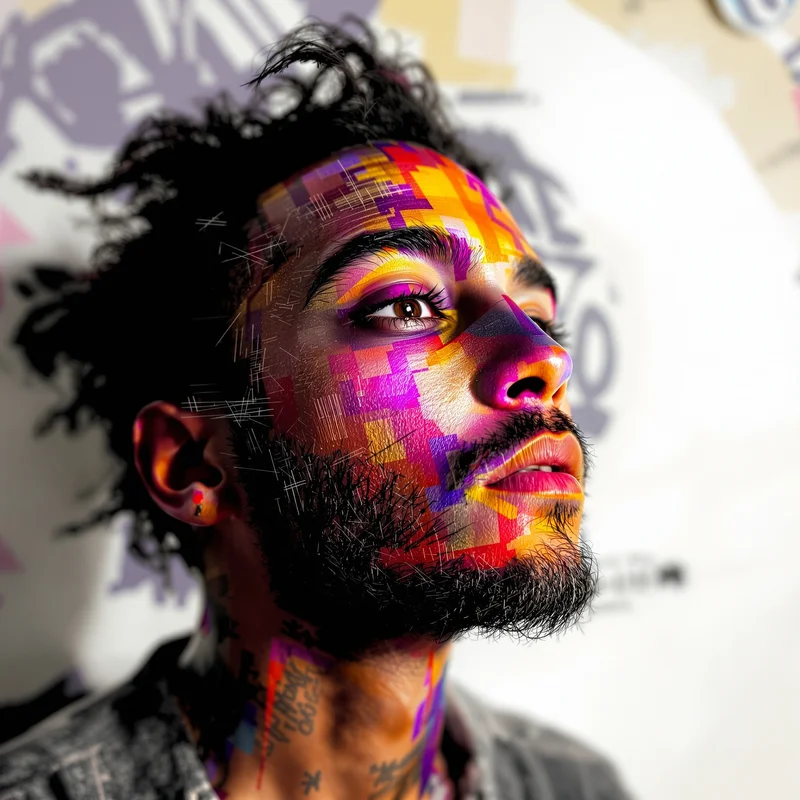
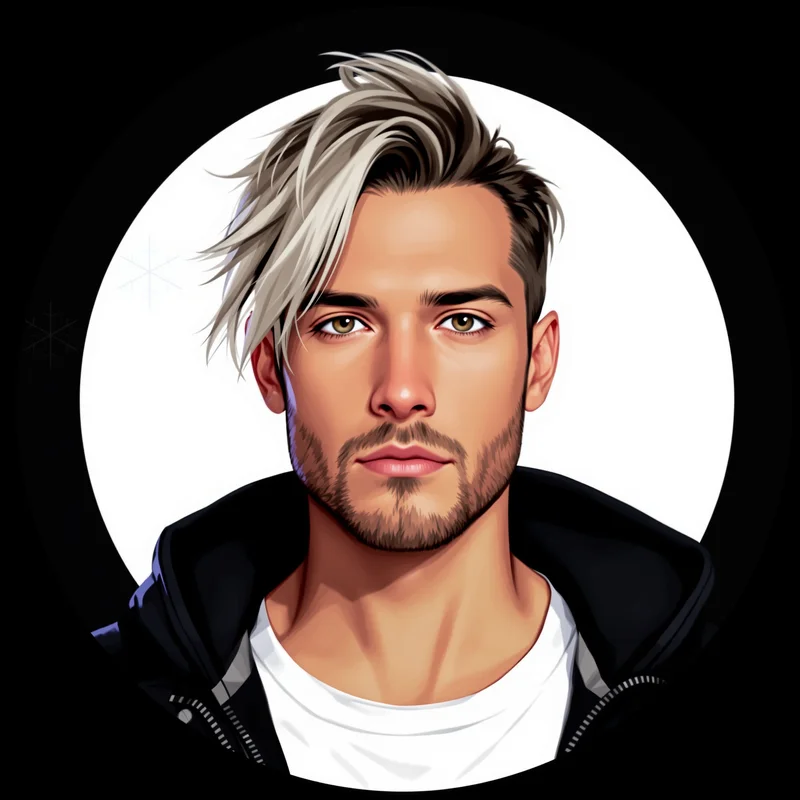
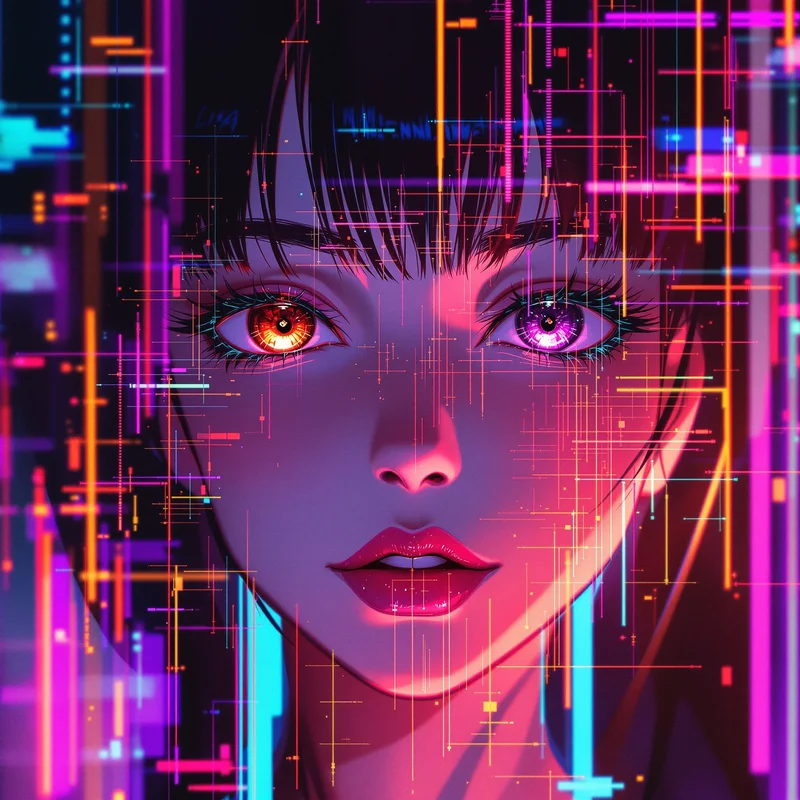
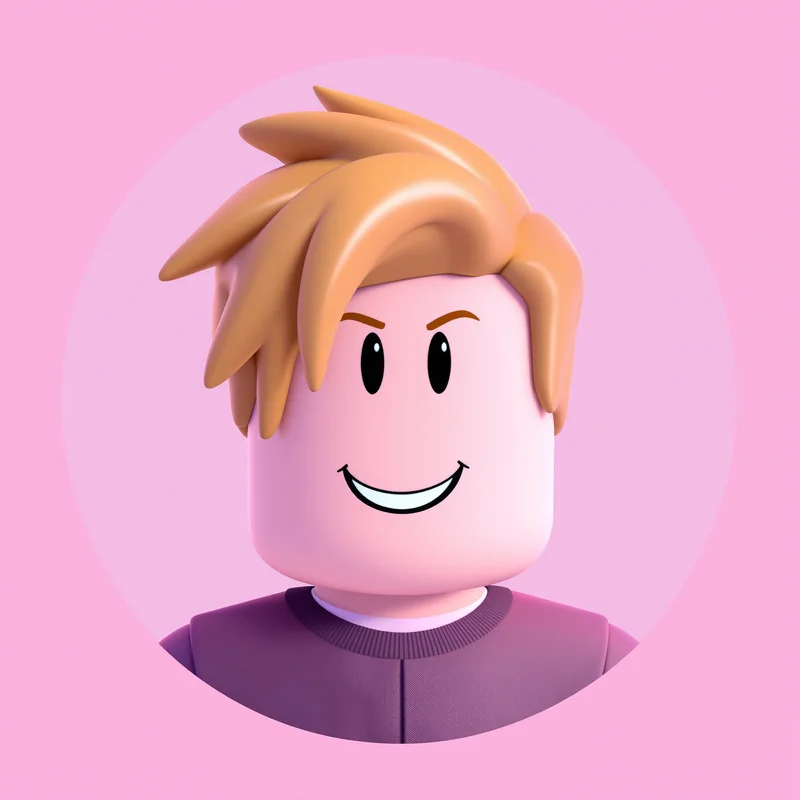
A social-first image like this helps the profile feel cleaner and more polished, making the identity easier to recognize in feed and highlight contexts.
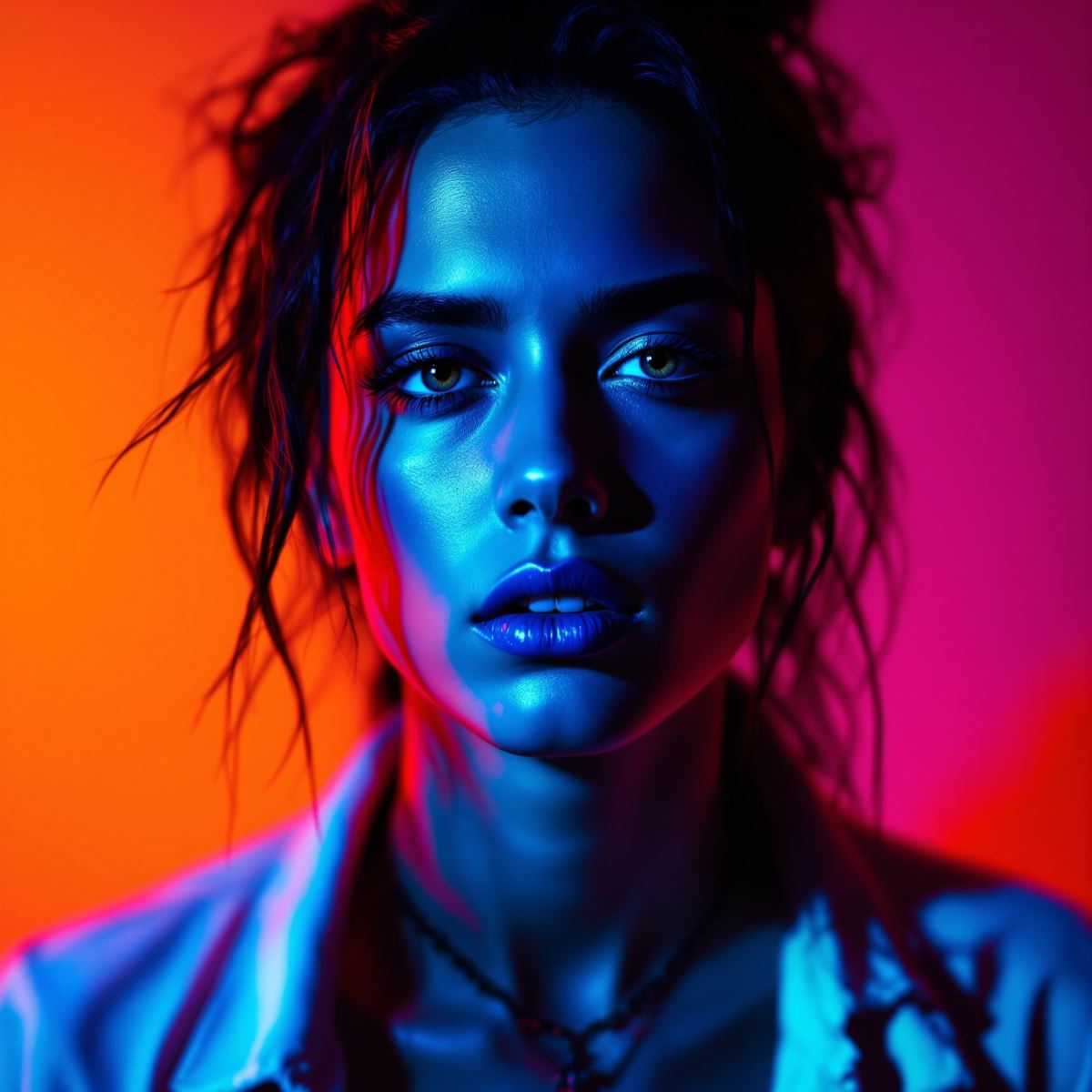
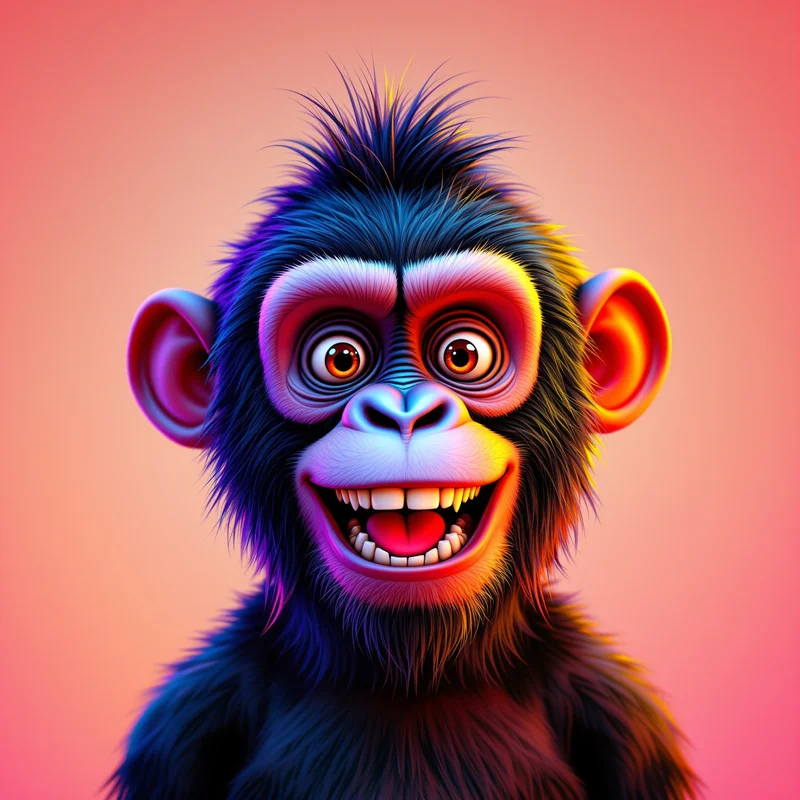
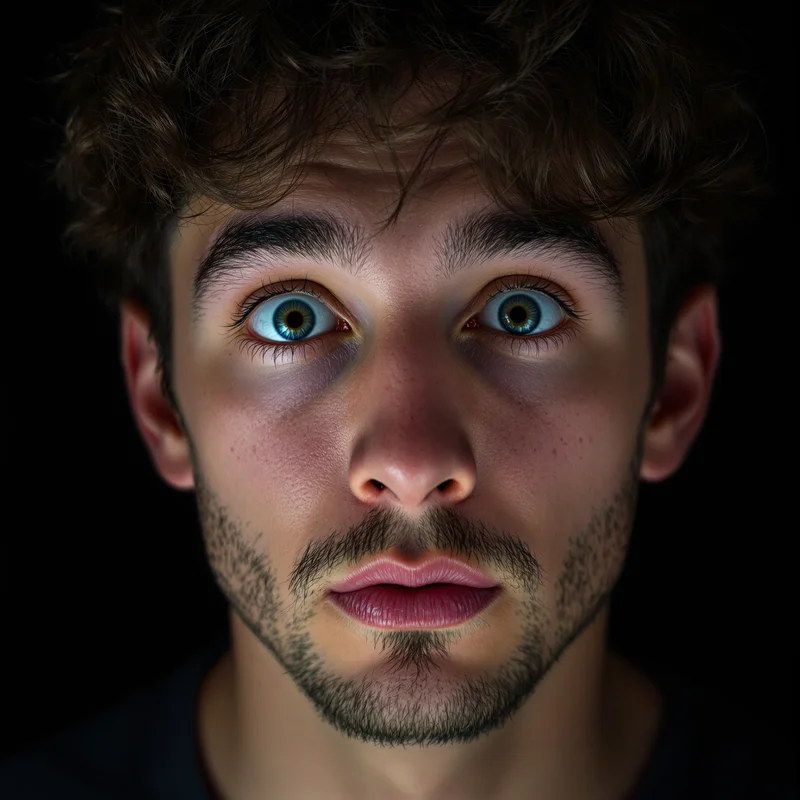
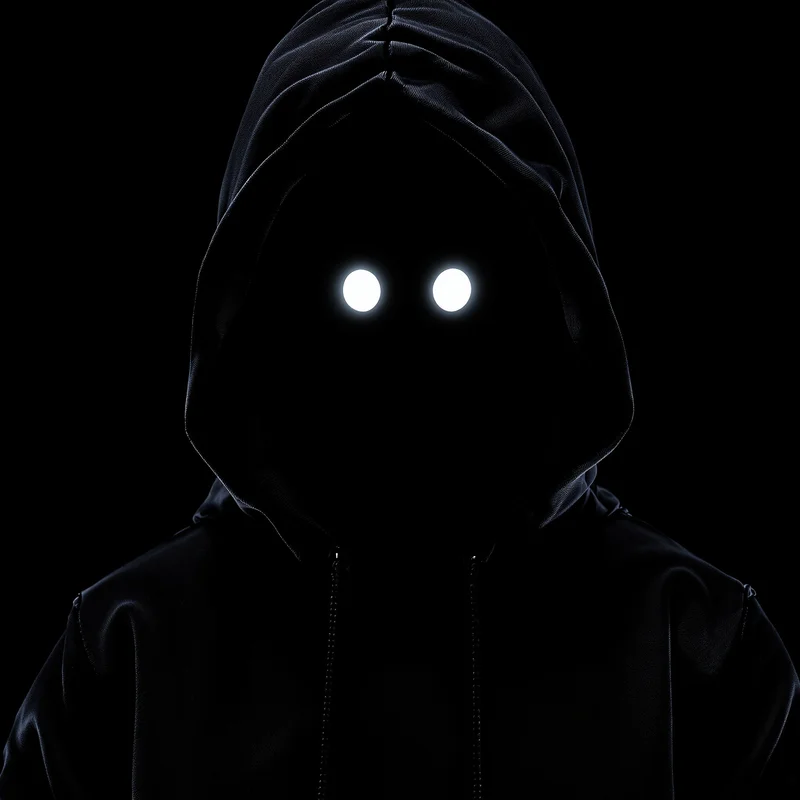
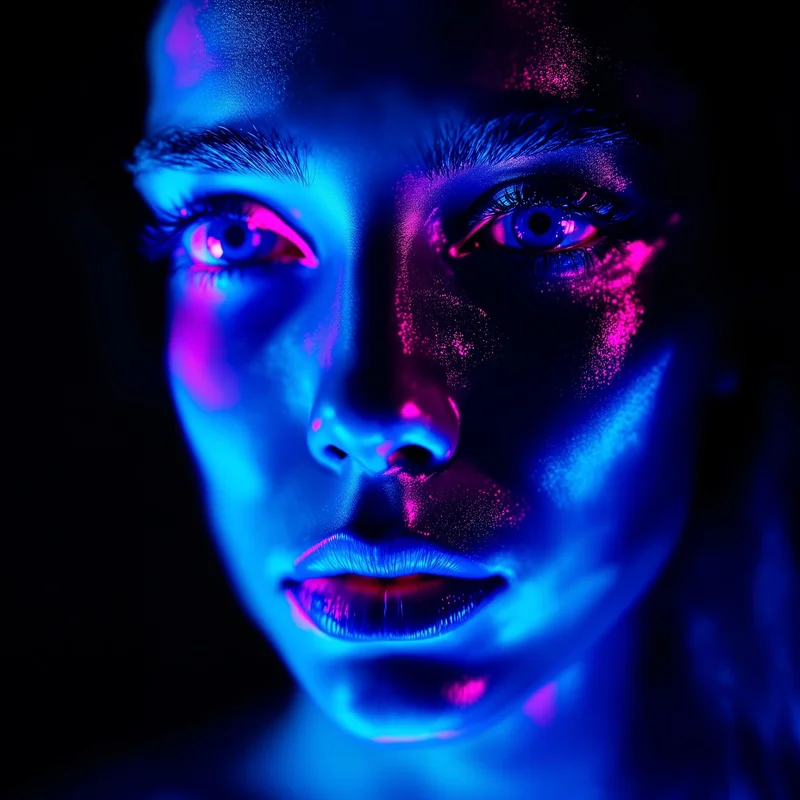
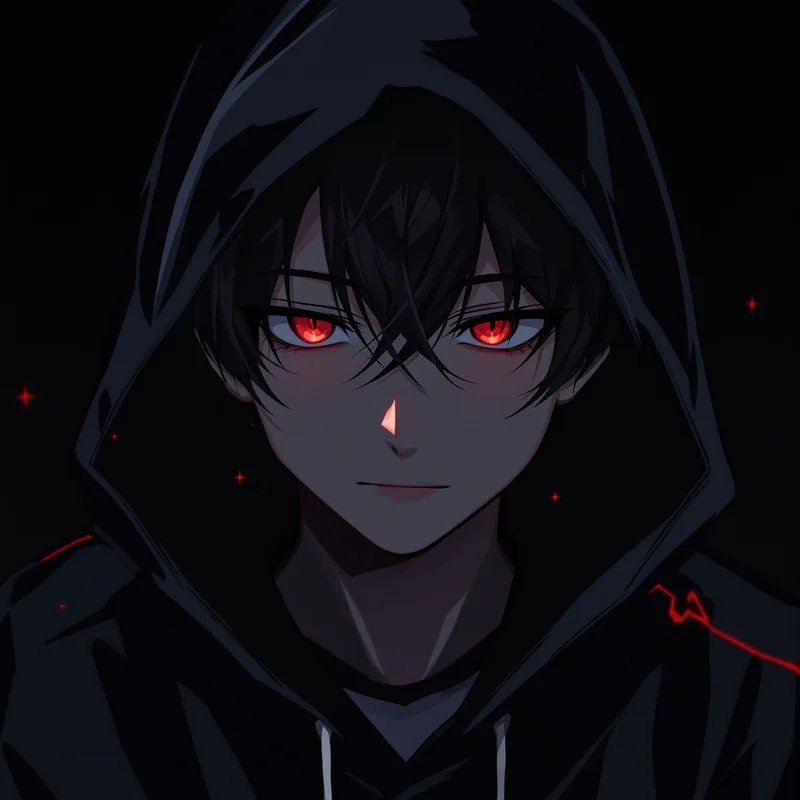
This kind of profile picture pushes speed and attention first, helping the account hold identity in faster, more competitive scrolling environments.
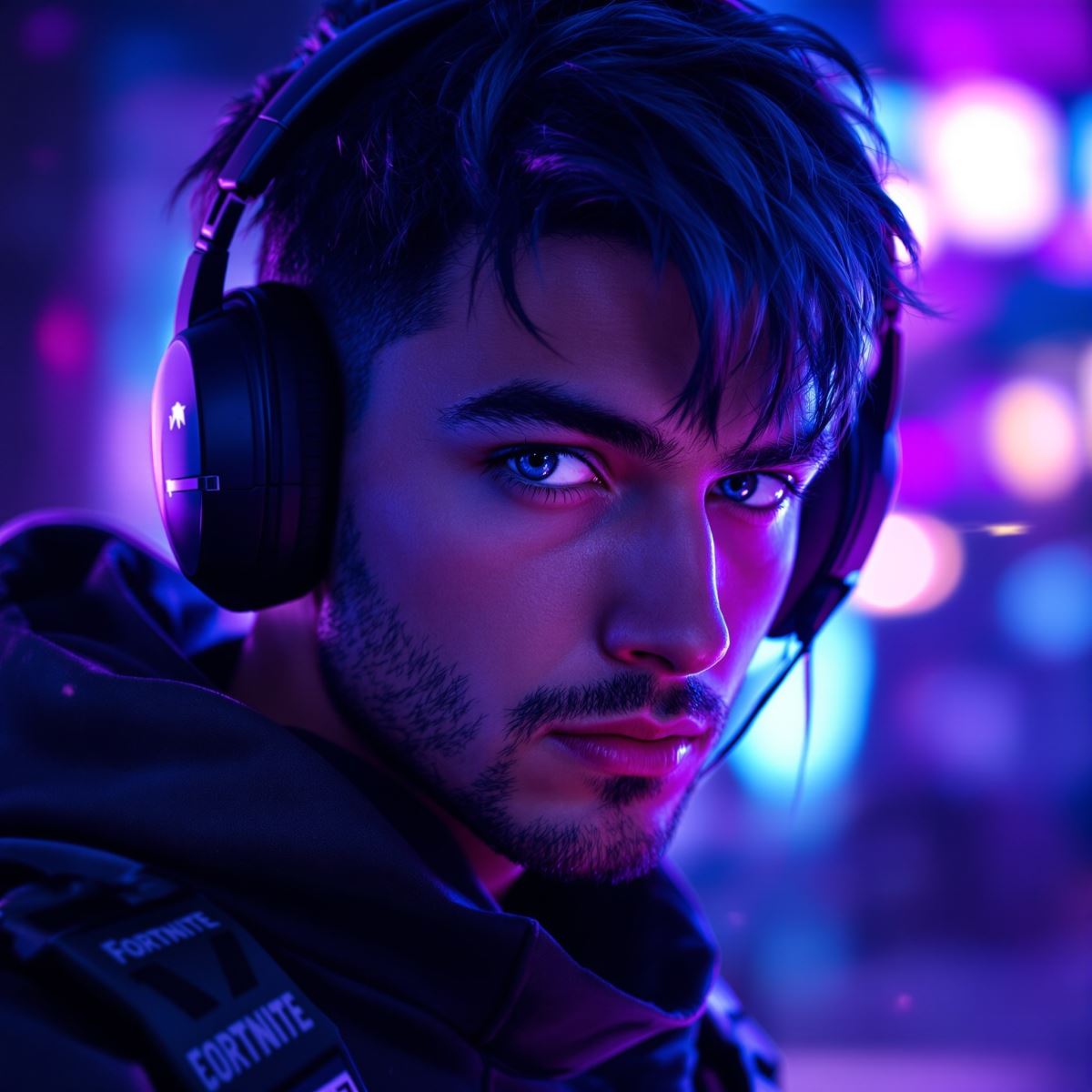
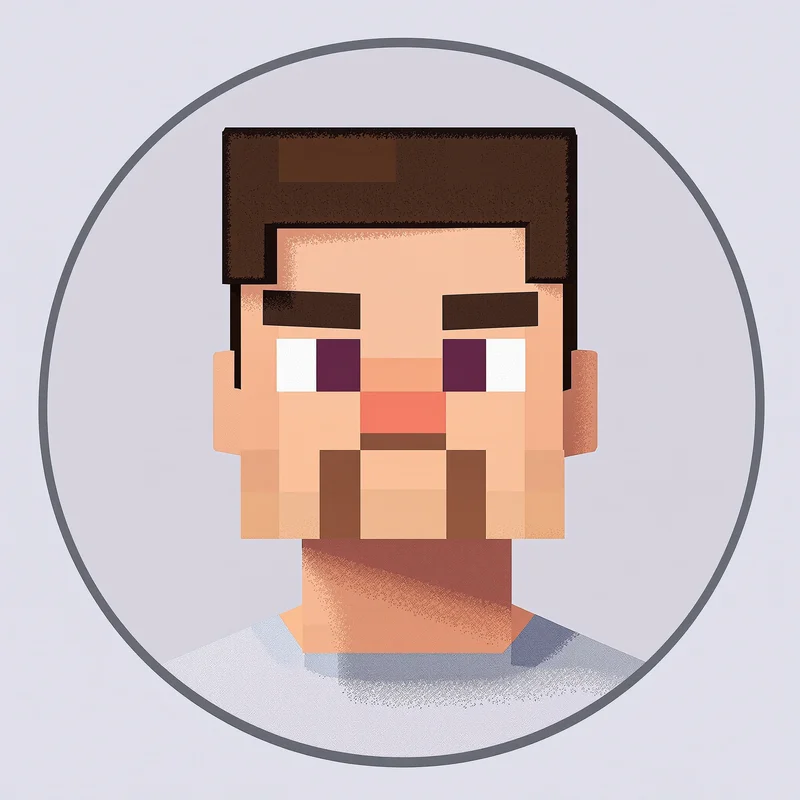
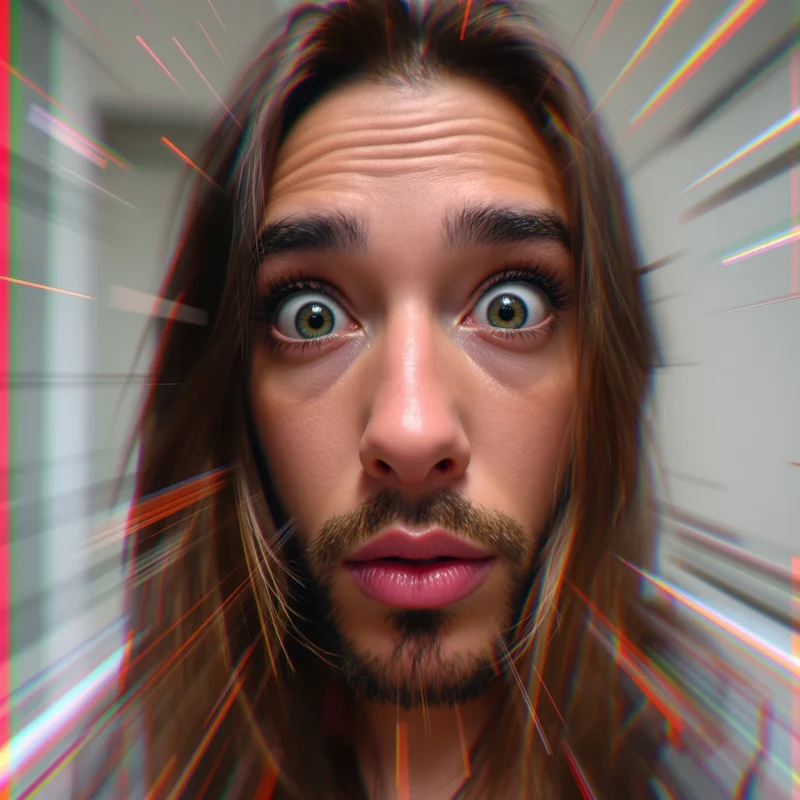
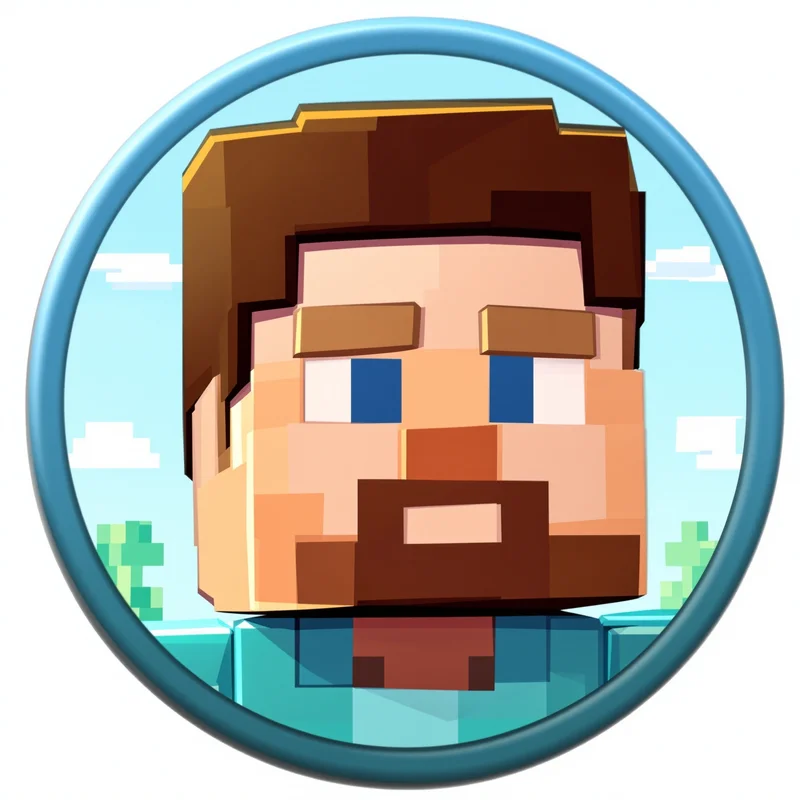
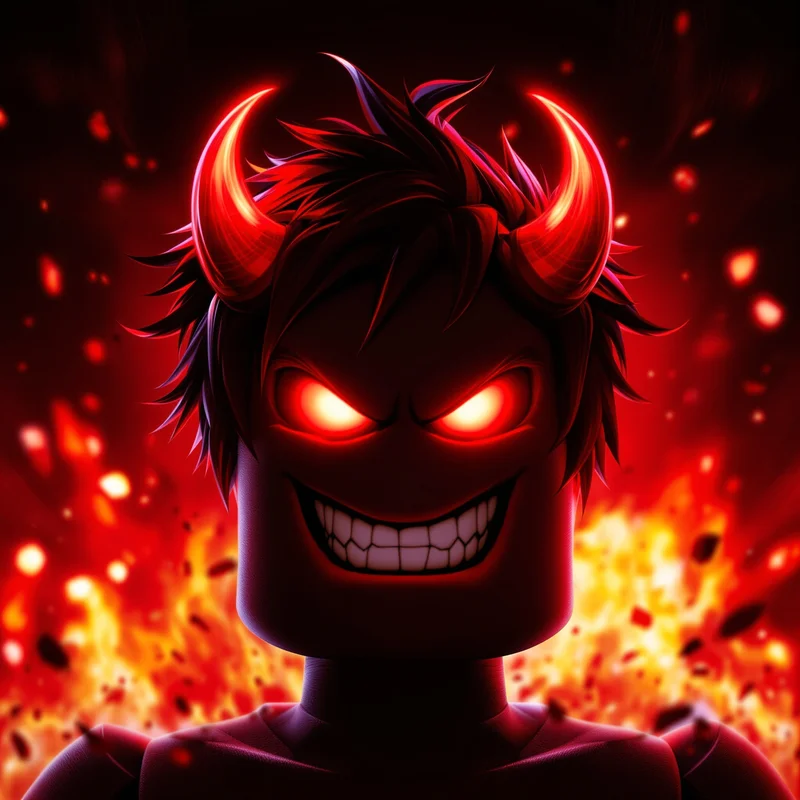
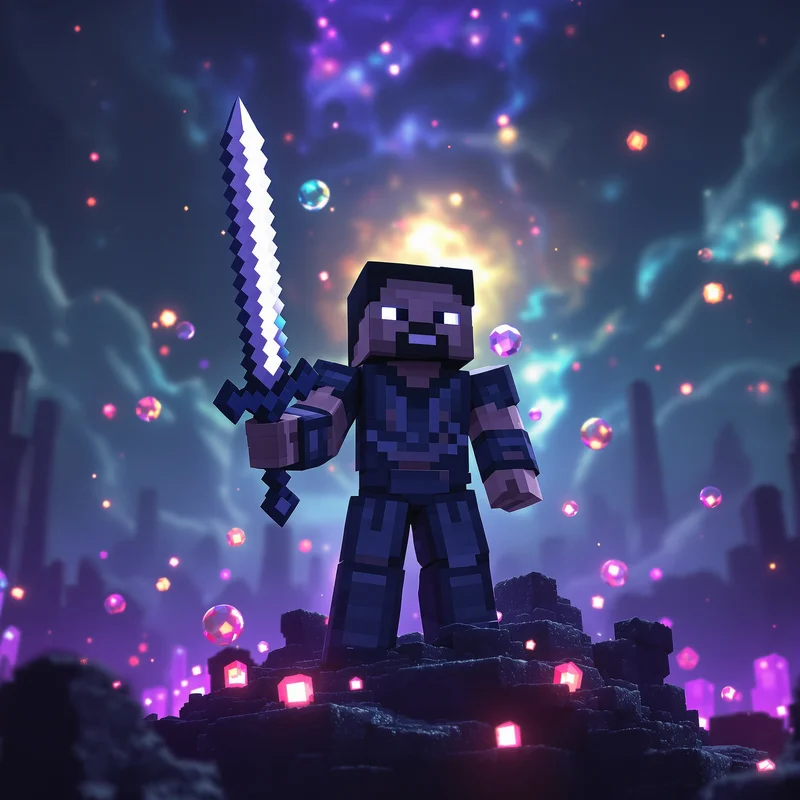
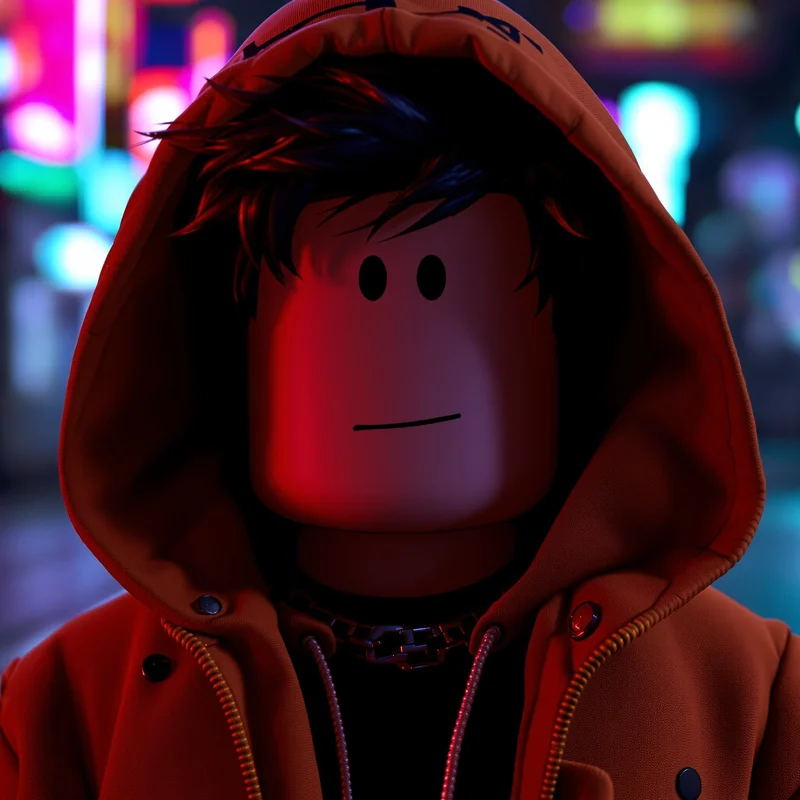
A gaming-driven avatar like this creates more aggressive recognition, helping the profile feel more active, more competitive, and more memorable.

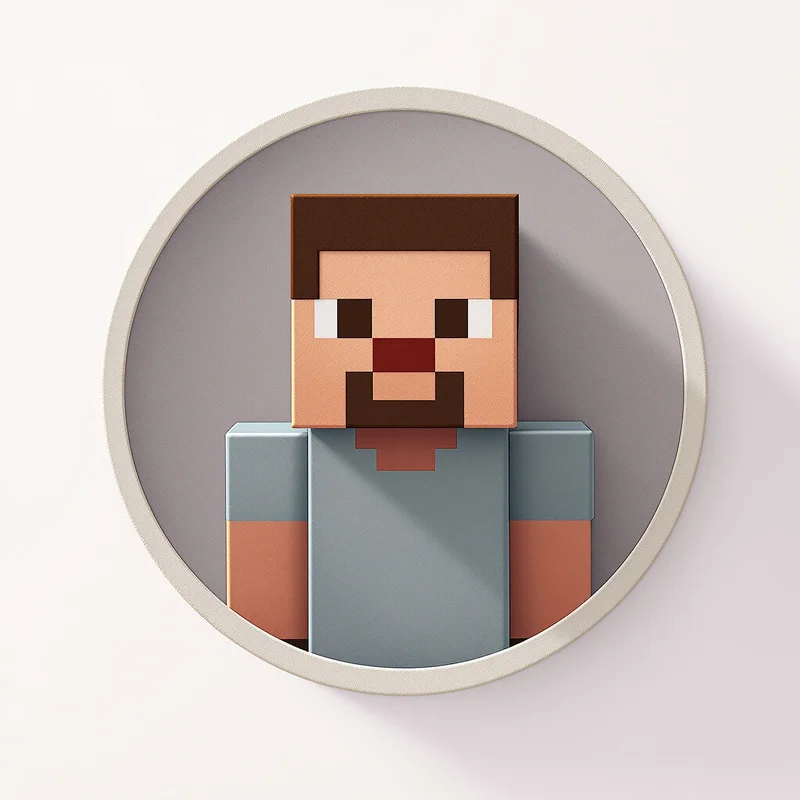
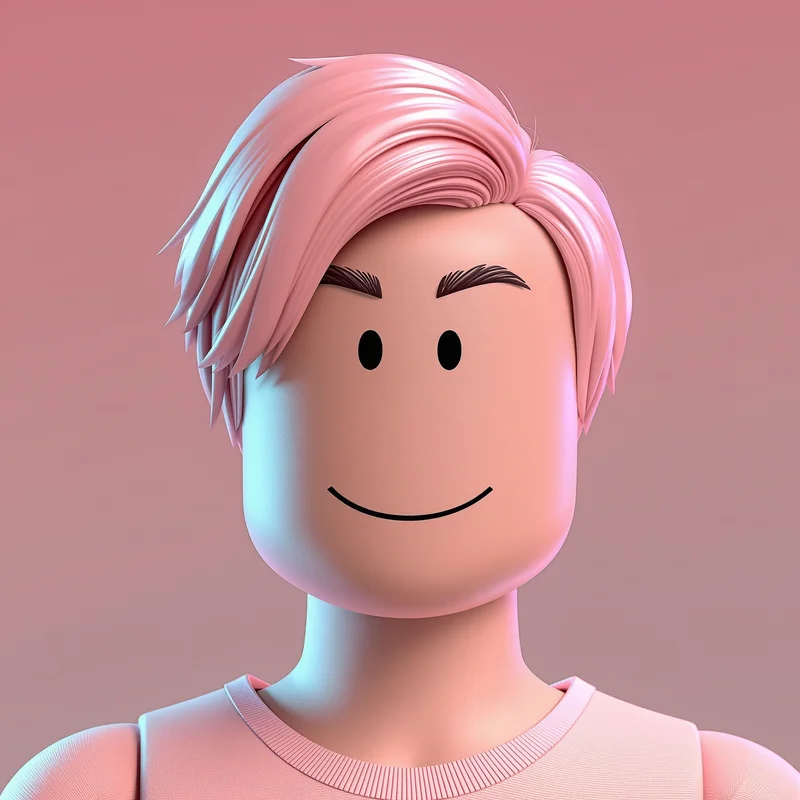
This type of platform image supports cleaner avatar readability, making the profile feel more native to the environment and easier to process at a glance.
Core Platform Identity Paths Inside This Hub
Discord PFP supports users who need strong circular readability, community repetition, and quick social recognition. Instagram PFP supports visual polish, aesthetic profile control, and clean identity in highly image-driven spaces. TikTok PFP supports fast recognition, creator identity, and stronger attention capture. Fortnite PFP supports gamer presence, energetic visibility, and more competitive identity. Roblox PFP supports platform-native avatar logic, playful readability, and cleaner profile clarity inside character-led environments.
These are not small variations of the same thing. They solve different profile problems. Some users need creator visibility. Some need gaming recognition. Some need social polish. The value of the parent hub is that it makes those differences explicit and usable.
How to Choose the Right Platform PFP
Start with the platform environment. Ask where the image will actually be seen most often. If the platform repeats avatars at small size, clarity becomes everything. If the platform is feed-driven, attention speed matters more. If the platform is gaming-native, avatar fit and symbolic style become more important than polished aesthetics alone.
Then think about identity behavior. Do you want your profile to feel social, creator-led, competitive, playful, polished, or highly visible under fast motion? That emotional direction should match the platform context instead of fighting it. A strong platform avatar feels native to its environment.
Finally, think about memory. The best Platform PFP is not only visually good. It becomes something other people recognize and connect to your account after repeated exposure inside that platform’s interface. That is why fit, crop logic, and clarity matter so much inside this hub.
Featured Platform PFP Hubs
FAQ
What is Platform PFP?
Platform PFP is a parent category for profile pictures and avatars designed around the specific visibility rules, identity needs, and interface behavior of different platforms.
Why do profile pictures need to be optimized for different platforms?
Profile pictures need platform optimization because each environment has different crop styles, speed of attention, repetition behavior, and expectations for how identity should appear.
Should I use the same avatar on every platform?
You can, but platform-specific versions usually perform better. A profile image that fits one platform perfectly may lose clarity or impact on another.
What makes a strong Platform PFP?
A strong Platform PFP uses clear composition, environment-specific readability, and enough identity strength that the avatar stays memorable inside the platform where it appears most.