Platform - Instagram





















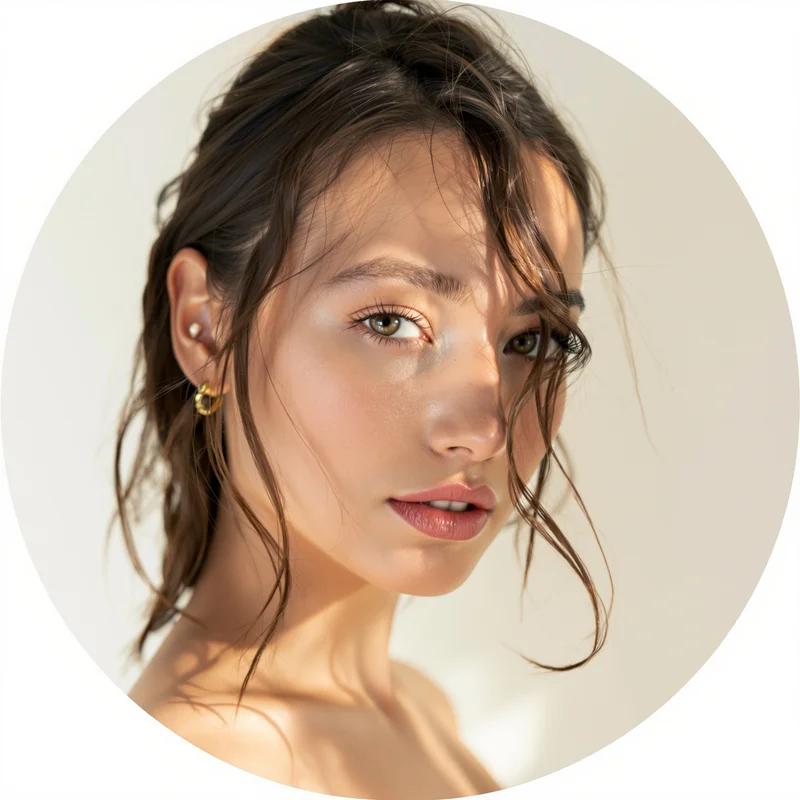

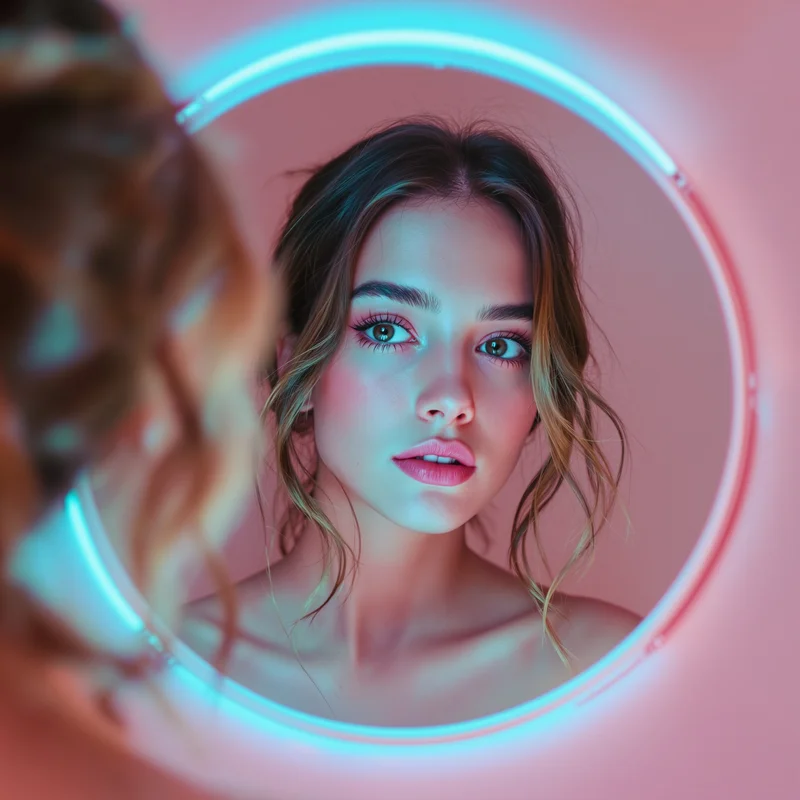






Instagram PFP for Clean Identity and Feed-Level Recognition
An Instagram PFP does much more than sit at the top of a profile. It becomes one of the most repeated identity signals across the entire platform. People see it in the feed, in Stories, in Highlights, in comments, in DMs, in follower lists, and in profile visits. Because of that repetition, the right Instagram avatar can quietly shape recognition over time. The wrong one can disappear into the interface without leaving any memory behind.
This is what makes Instagram different from many other platforms. The avatar is small, circular, and constantly surrounded by visual competition. Users are not viewing your PFP in isolation. They are seeing it next to polished images, bold Reels covers, text-heavy Stories, and highly aesthetic profiles. A strong Instagram PFP has to survive all of that while still feeling intentional, attractive, and easy to remember.
A good Instagram PFP is not just a nice image. It is a visibility system. It helps the account feel coherent, recognizable, and emotionally aligned. Whether the goal is soft aesthetic control, crisp personal identity, creator polish, or clean lifestyle presence, the avatar should support that direction immediately.
Why Instagram Has Its Own Avatar Logic
Instagram is a platform built around image culture, but that does not mean the profile picture should be visually complicated. In fact, the opposite is usually true. The more visually crowded the environment becomes, the more valuable clean identity becomes. On Instagram, users scroll fast. They notice shapes, color blocks, facial focus, and mood cues before they process detail.
This means an Instagram PFP has to do three things at once. First, it has to work inside a circular crop. Second, it has to remain visible in small placements like comments and Story rings. Third, it has to feel aligned with the overall tone of the account. If one of these fails, the profile image becomes weaker no matter how beautiful it may look at full size.
Instagram also places special pressure on aesthetic coherence. A PFP that feels disconnected from the account style can reduce overall profile harmony. On the other hand, an avatar that matches the account’s tone can make the entire profile feel more polished and intentional.
Visual Logic Behind a Strong Instagram PFP
The strongest Instagram avatars are usually built around controlled simplicity. The main focal point should be obvious. If the eye has to search for the subject, the image is already too weak for platform use. A clean face crop, a centered symbol, or a tightly structured portrait often performs better than a wide composition with too many competing elements.
Circular crop behavior matters a lot. Instagram PFP images live inside a round frame, which means outer details often get cut away. If the strongest part of the composition sits too close to the edges, the identity signal weakens quickly. The best Instagram avatars keep the important visual information near the center and allow enough breathing room around it.
Contrast also matters, but it needs to be controlled. Instagram is not always a platform where maximum harshness wins. Sometimes softer palettes can work very well, especially if the shape and focal structure remain strong. What matters most is that the PFP stays readable. The viewer should understand the identity quickly, whether the image feels polished, gentle, minimal, bold, or fashion-forward.
Mood balance is another major factor. Instagram users often build profiles around a visual atmosphere. If the PFP feels too chaotic, too empty, or too unrelated to the feed, it weakens the identity system. A strong Instagram PFP supports the account’s emotional tone without becoming forgettable.
Instagram PFP Gallery

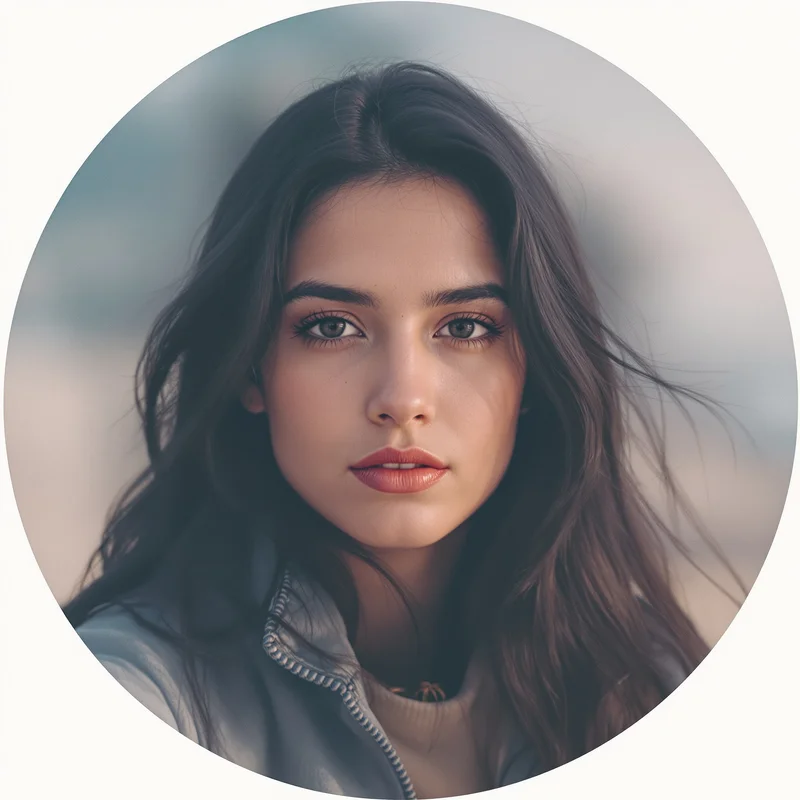
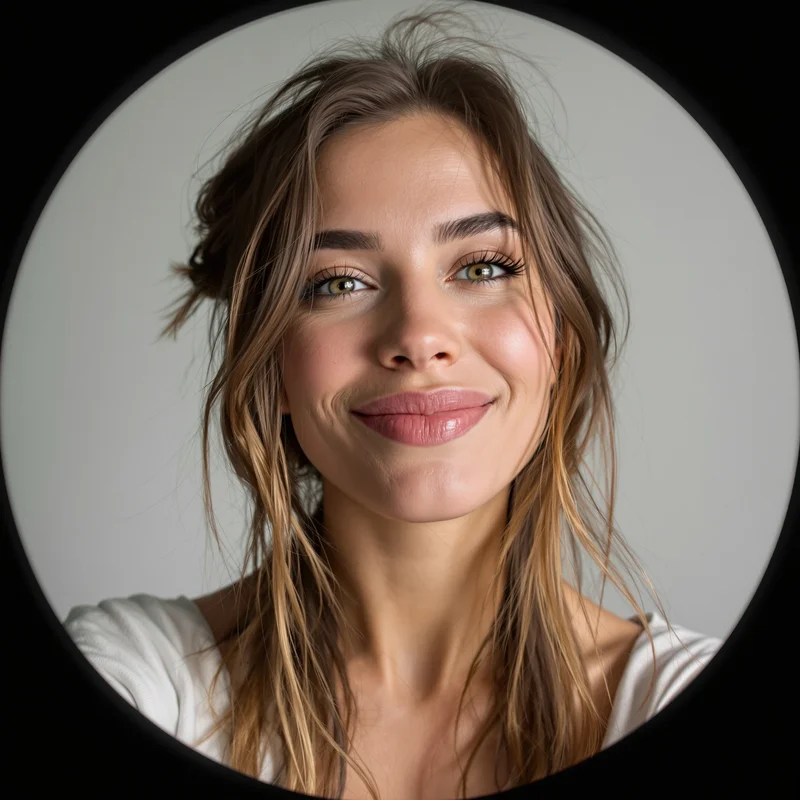
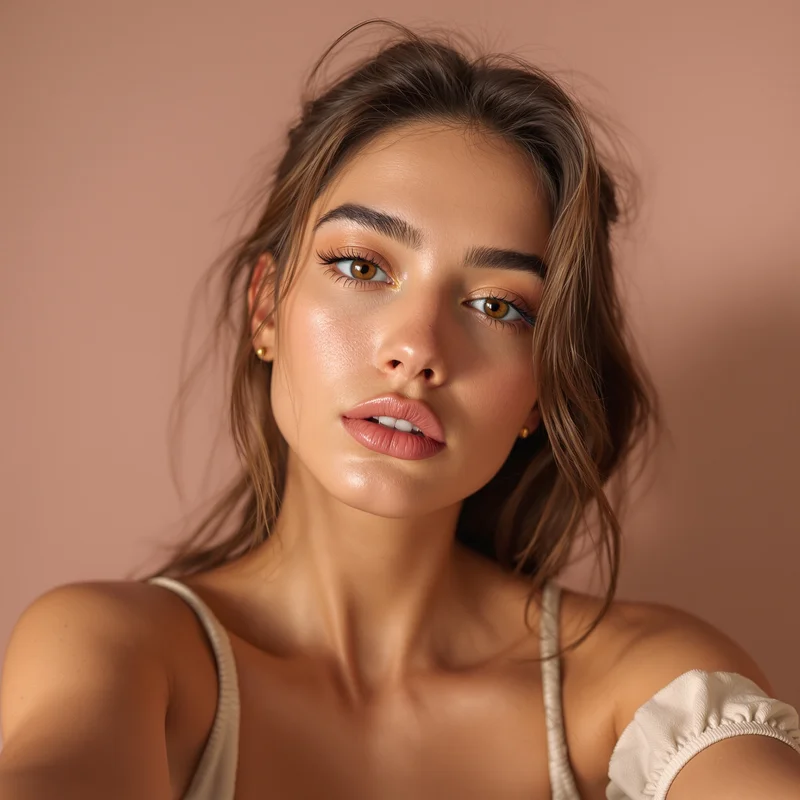
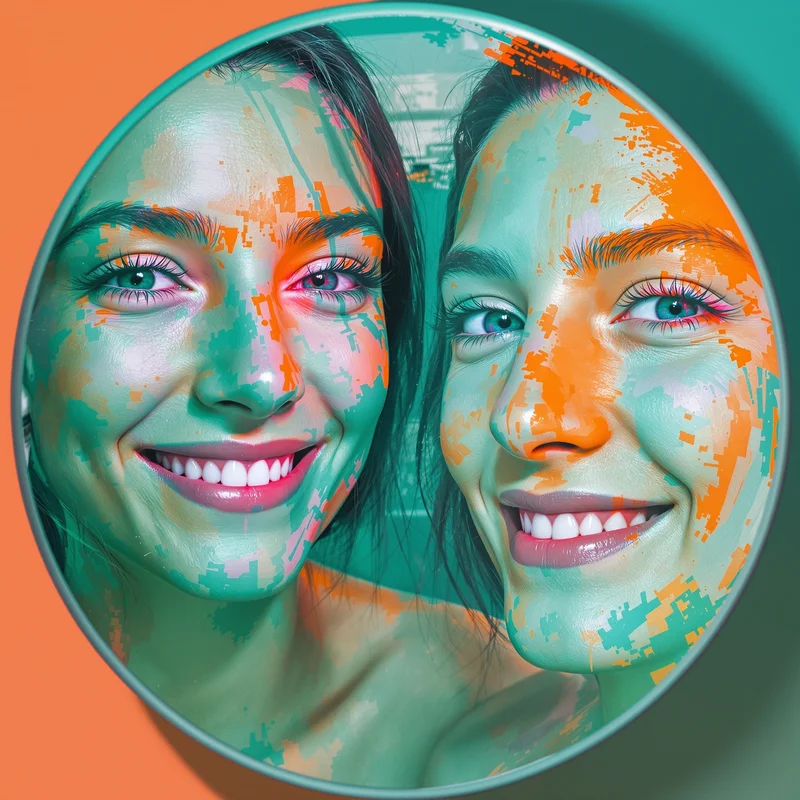
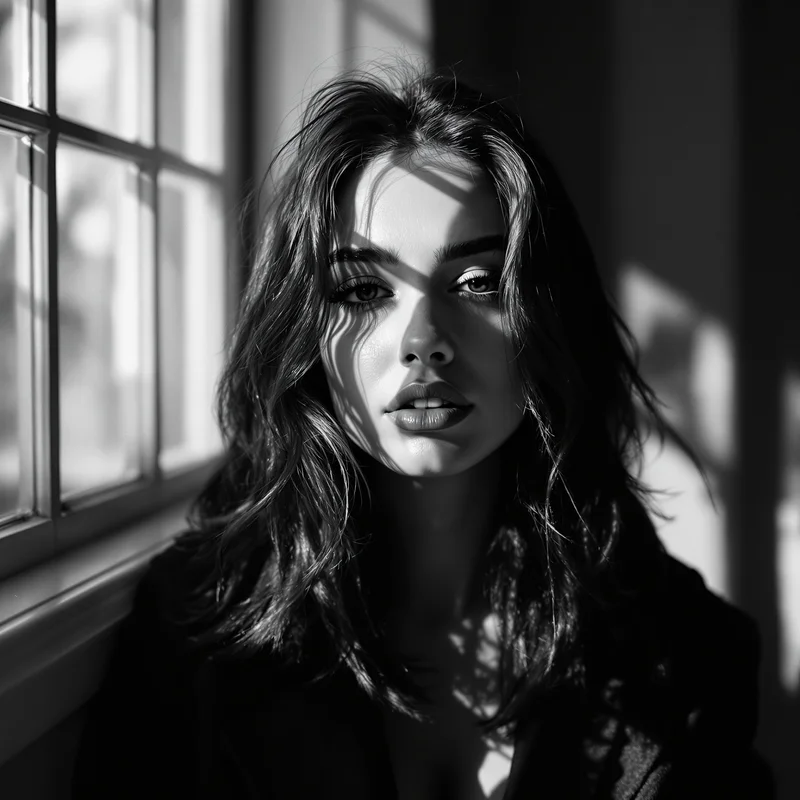
This avatar is built for platform behavior first, helping the profile remain recognizable in both the main grid and smaller Story-driven placements.
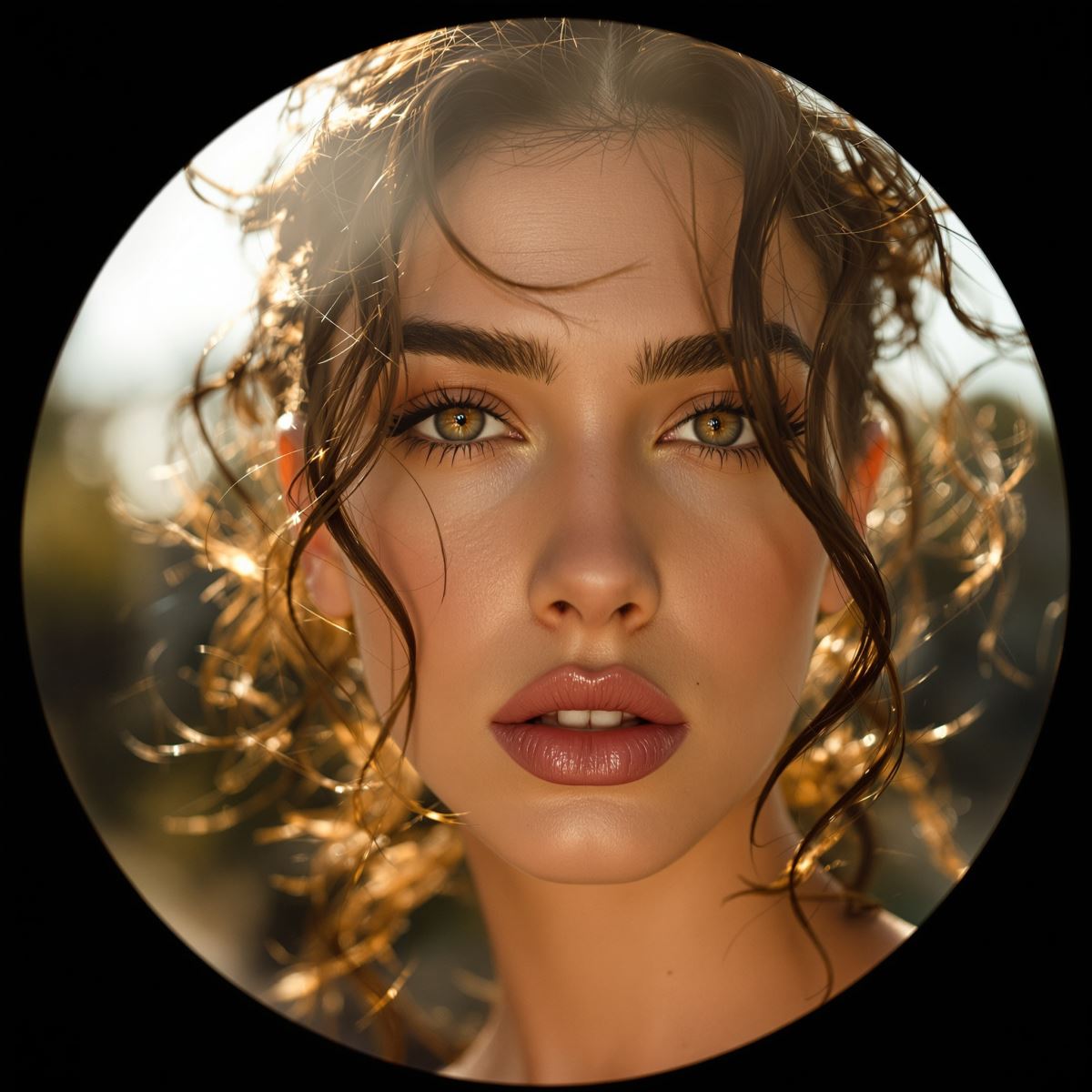
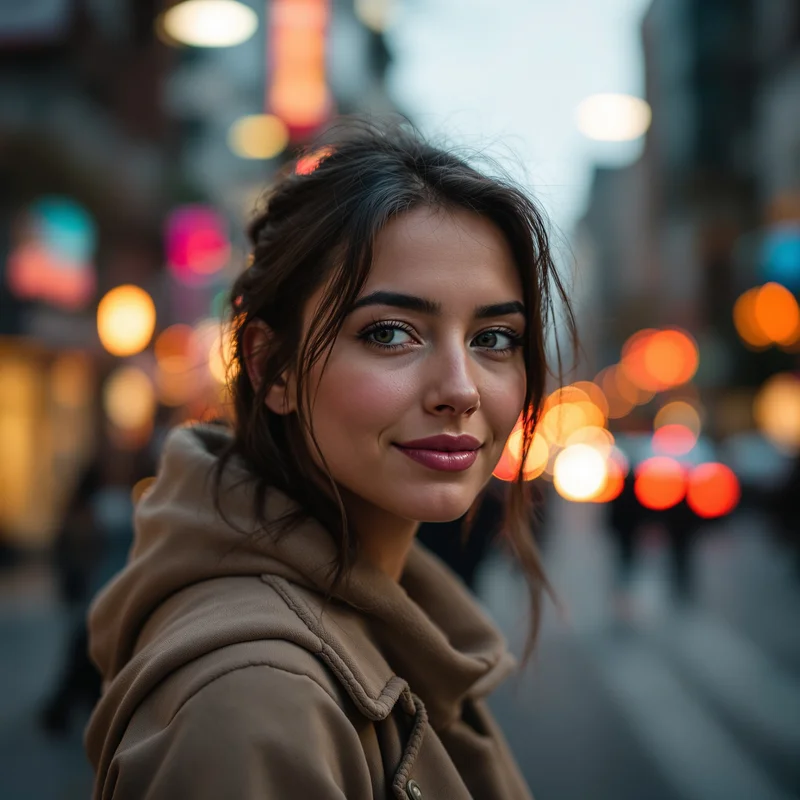
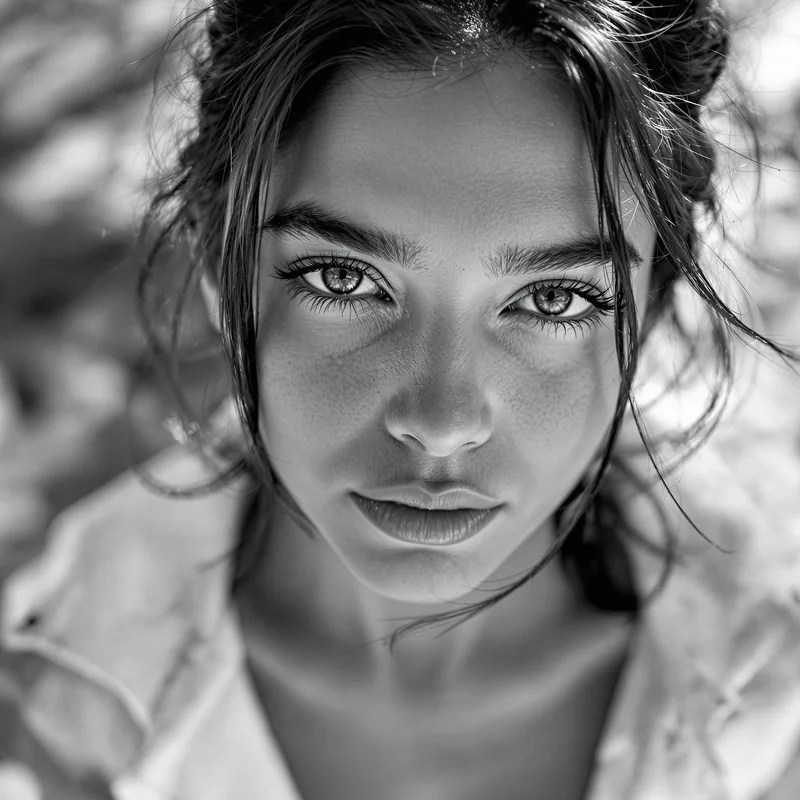
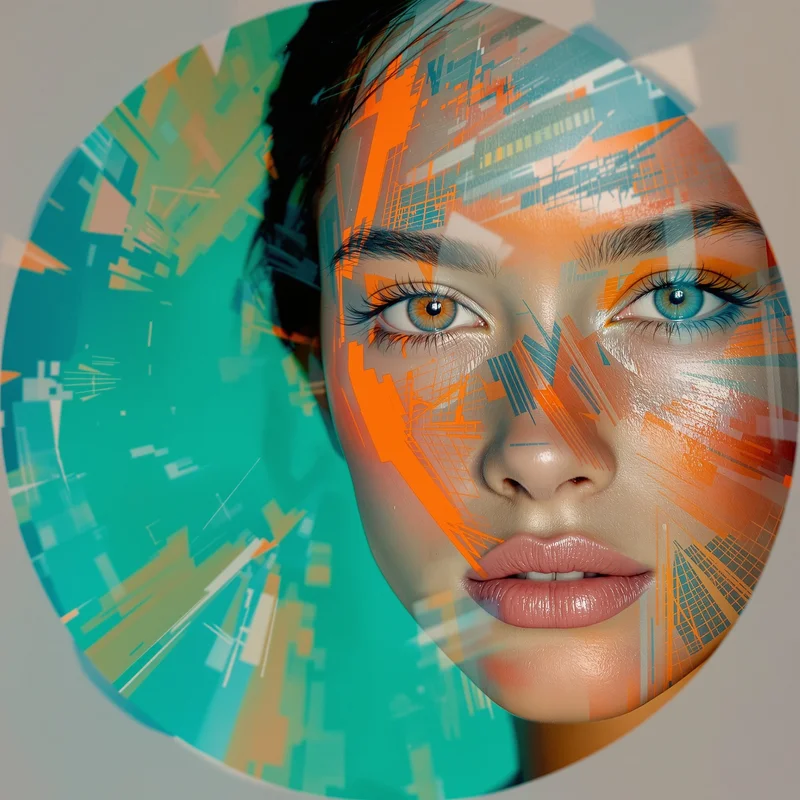
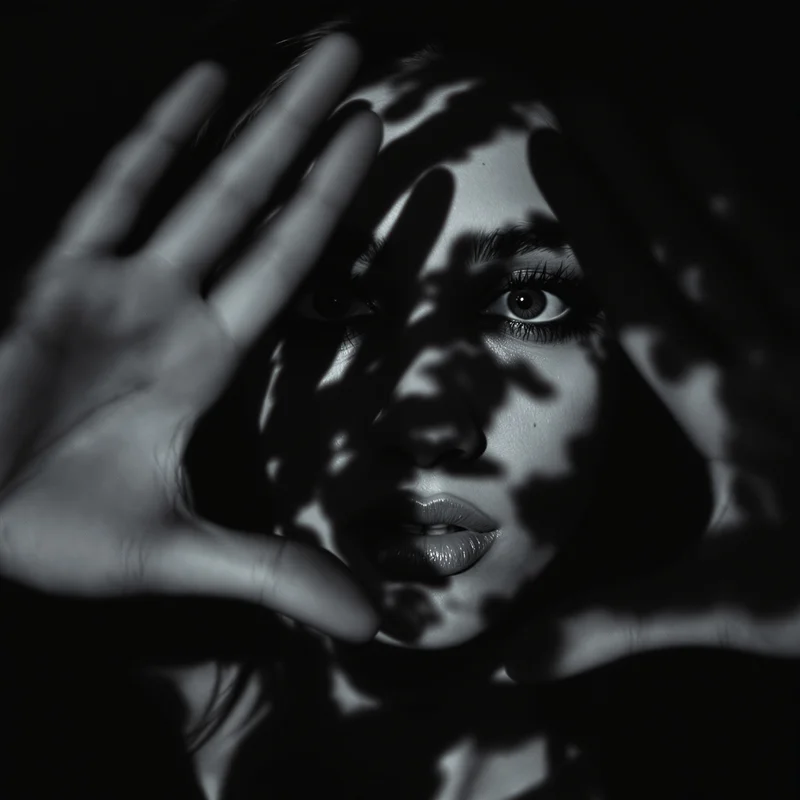
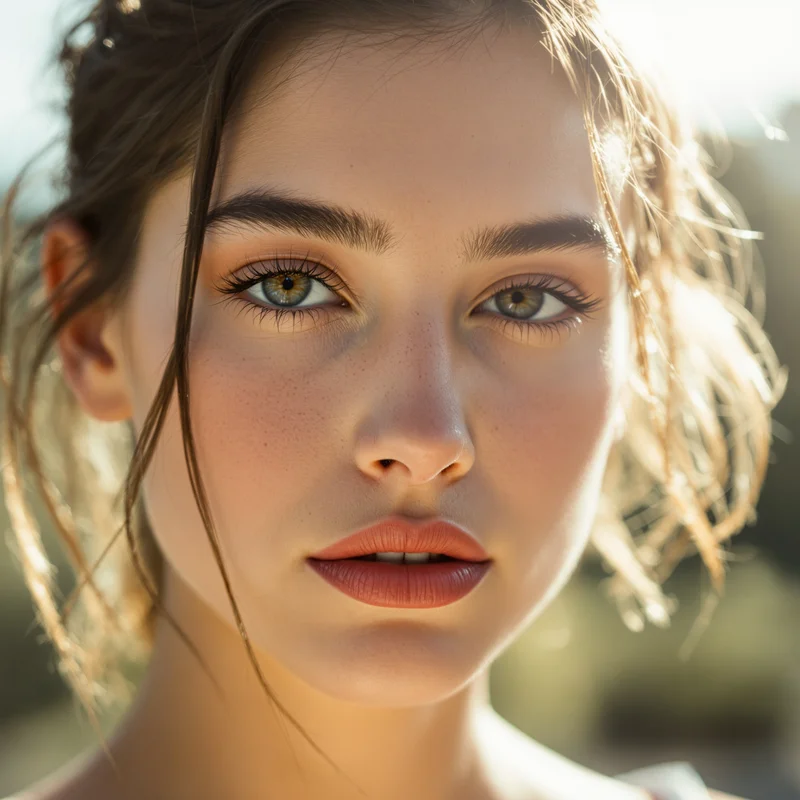
A profile image like this gives the account stronger aesthetic control, making the overall identity feel more deliberate and refined.

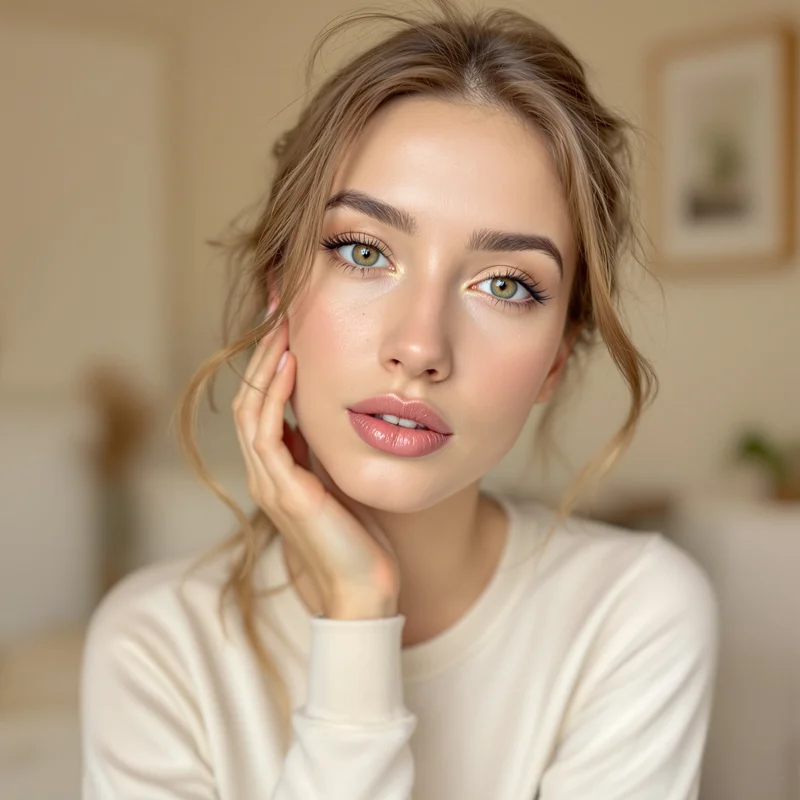
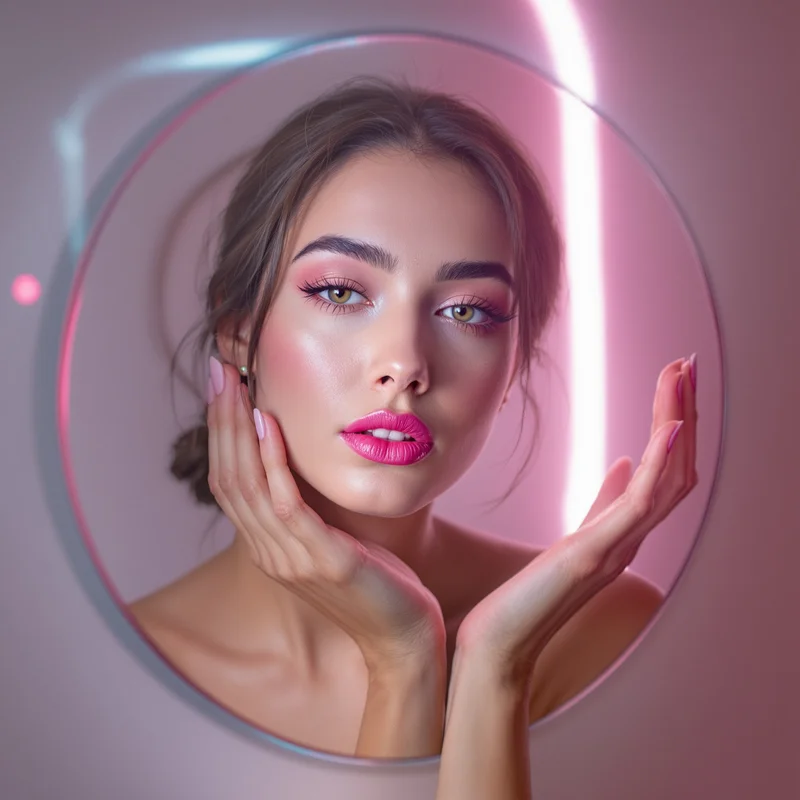
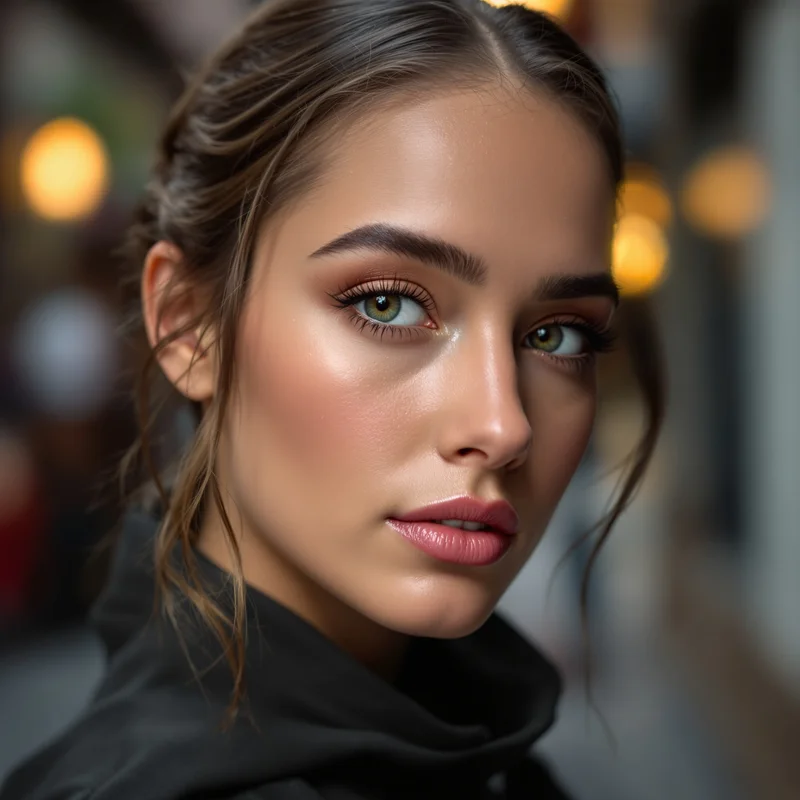
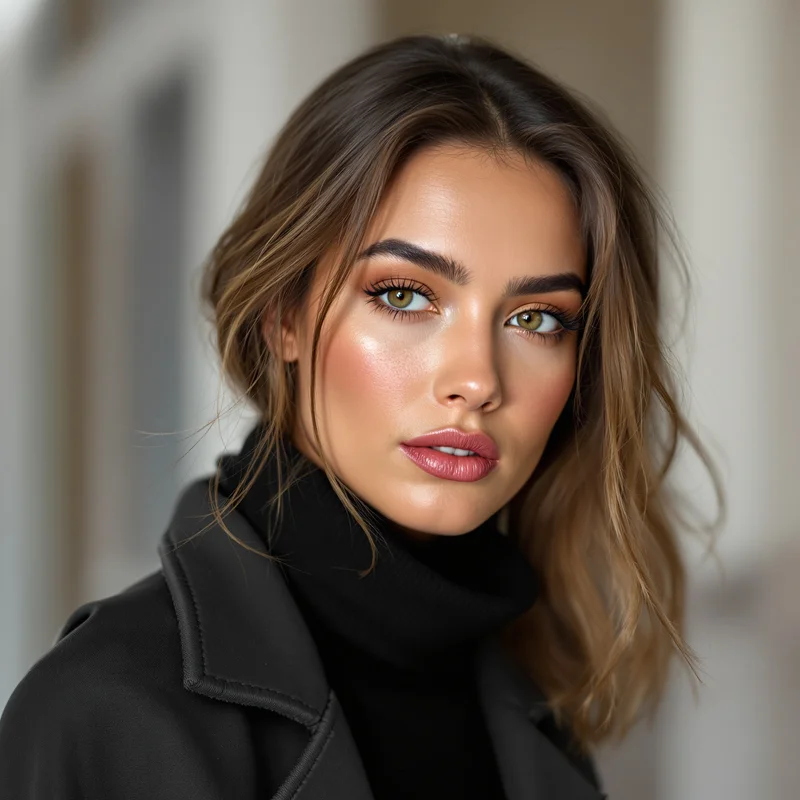
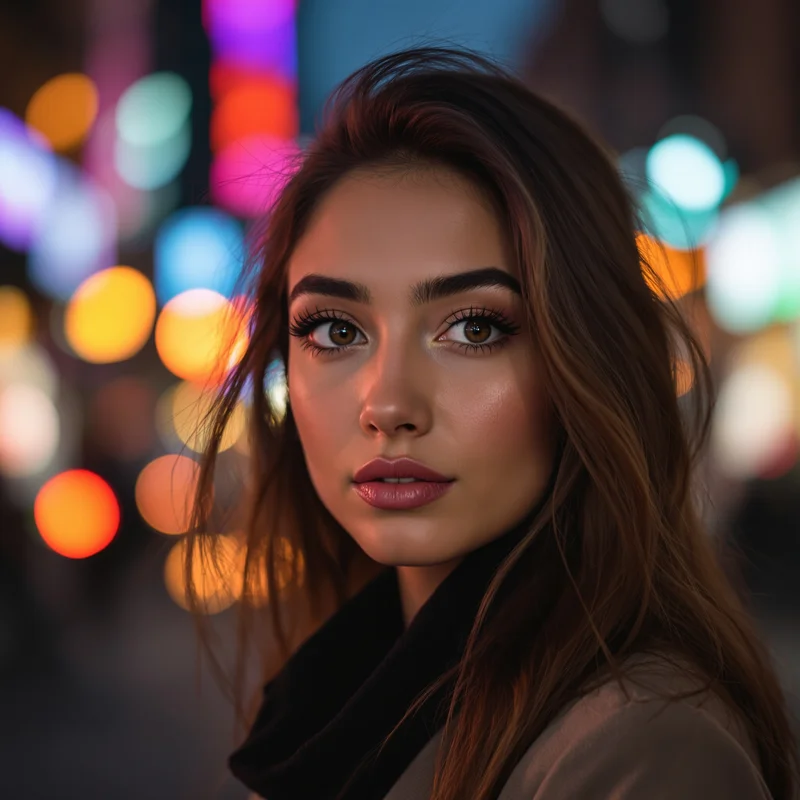
This PFP works well when the goal is emotional balance, giving the profile a softer tone without sacrificing readability.
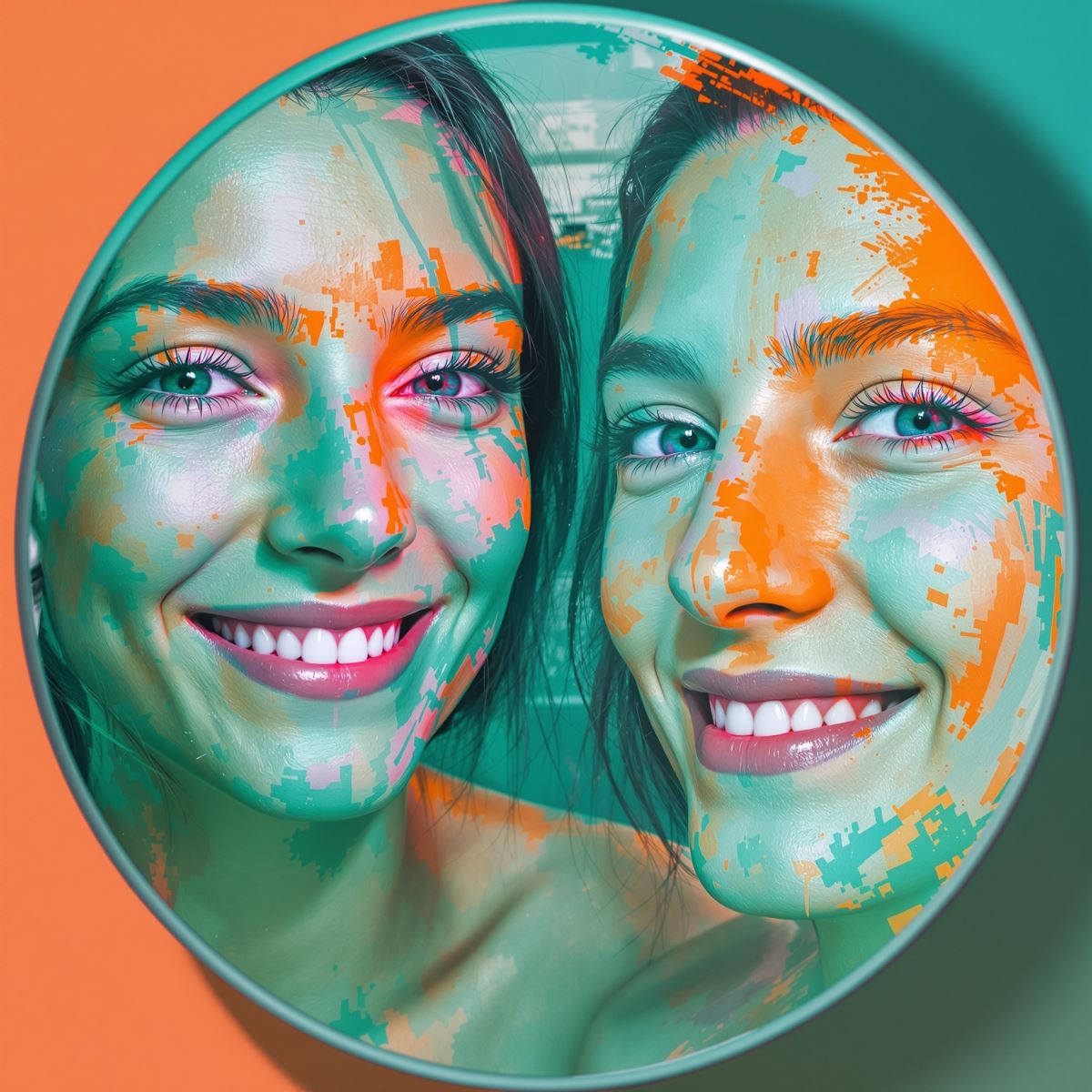
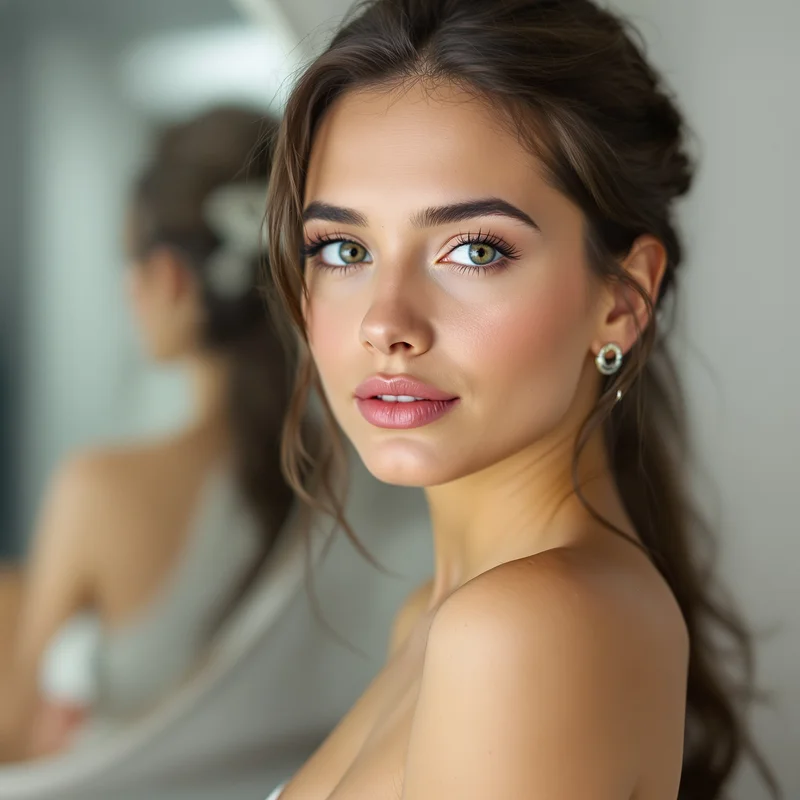
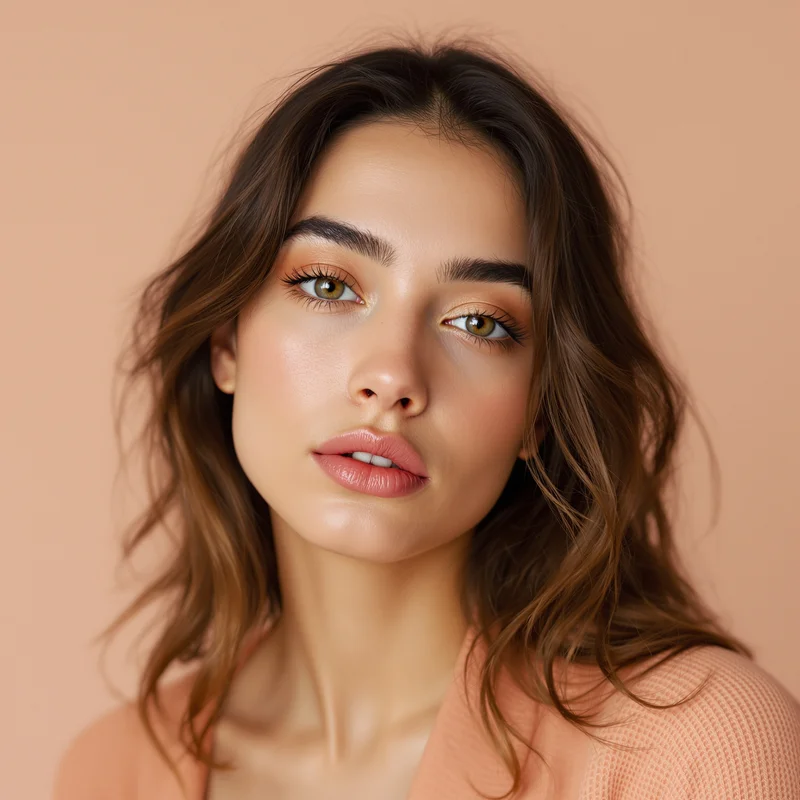
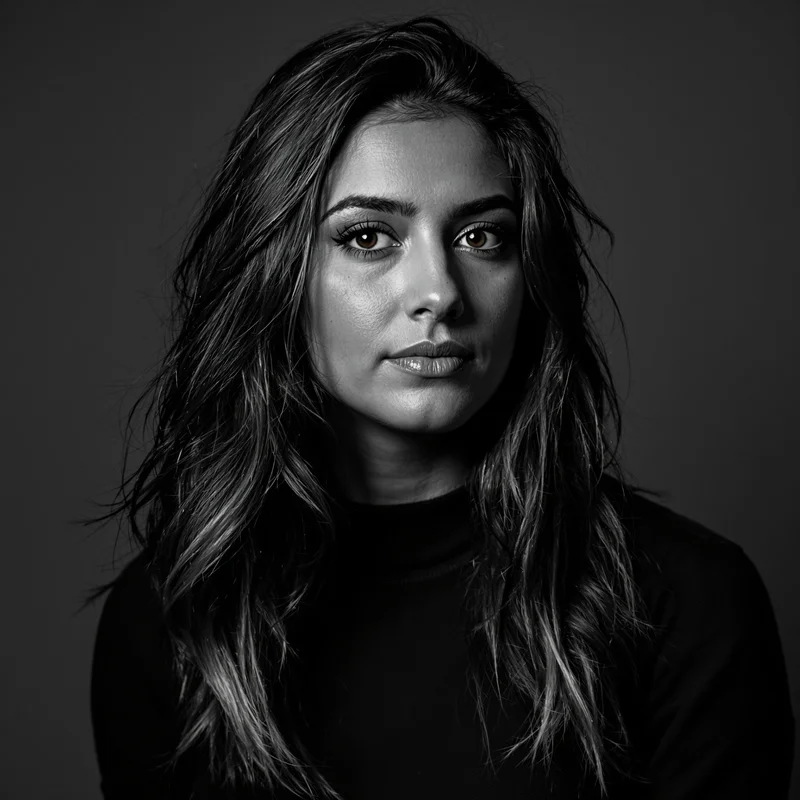
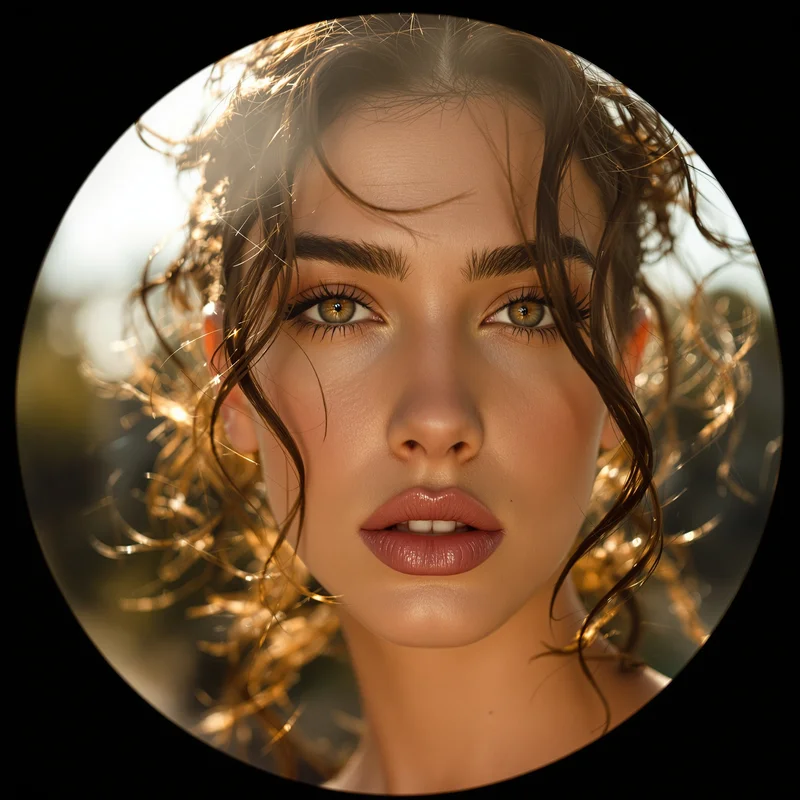
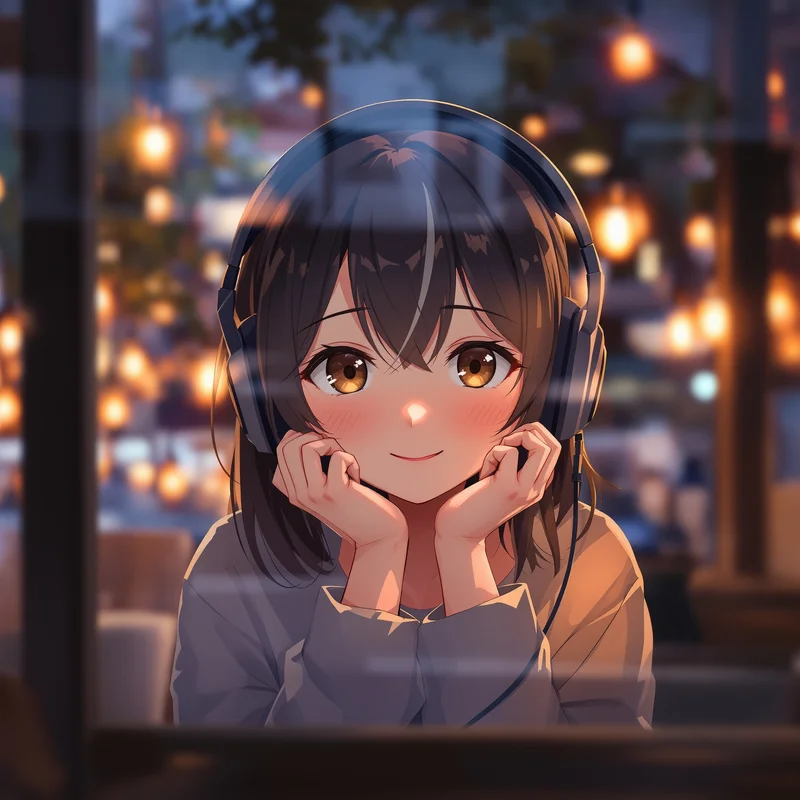
A clean identity system like this helps the avatar perform across feed views, comments, and profile visits without visual confusion.

This image is built for recognition in motion, giving the account a stronger identity signal during fast scrolling and repeated exposure.
What an Instagram PFP Communicates
An Instagram avatar shapes how the account feels before anyone studies the feed. A polished PFP can suggest control and consistency. A softer image can signal warmth, taste, or calm confidence. A sharper, more defined avatar can suggest authority, creator focus, or stronger visual discipline. These signals happen immediately, often before the user consciously thinks about them.
That is why Instagram PFP selection is not just decorative. It is a framing device. It sets the tone for how the rest of the account is interpreted. If the avatar feels clean, confident, and aligned, the profile tends to feel more cohesive. If the image feels weak, random, or visually misplaced, the account can feel less memorable even when the content is good.
The best Instagram PFP choices create a stable identity cue that repeats well. When someone sees the same avatar again in Stories, comments, and the feed, memory starts to build. That repeated recognition is one of the hidden strengths of a strong profile picture.
Where Instagram Avatar Performance Matters Most
Instagram avatars appear in more places than many users realize. In the feed, the PFP helps viewers recognize who posted before they even engage with the image. In Stories, it becomes part of the tap decision. In Highlights, it helps maintain profile polish. In comments, it supports visibility and account memory. In DMs and follower lists, it becomes a quick identity reference.
Because of this, the avatar needs to perform across multiple scales and contexts. It cannot rely on one perfect viewing situation. It must work repeatedly, quickly, and consistently.
How to Choose the Right Instagram PFP
Start with your account tone. Do you want the profile to feel refined, minimal, warm, aesthetic, bold, soft, creator-led, or fashion-forward? That emotional direction should guide the avatar more than generic popularity.
Next, think about crop behavior. Would the strongest part of the image still survive inside a tight circle? Is the face, symbol, or focal point centered enough? Does the image still feel readable when viewed very small? If not, it may not be a strong Instagram PFP even if it looks beautiful at full resolution.
Finally, think about repetition. The best Instagram PFP is not only visually pleasing. It is memorable across repeated exposure. When people can recognize the profile quickly after seeing it a few times, the avatar becomes a real identity asset.
FAQ
What makes a good Instagram PFP?
A good Instagram PFP is clear, centered, and aligned with the account’s visual tone. It should remain readable at small sizes and support recognition across Stories, comments, and feed placements.
Why do some Instagram profile pictures look weak?
Many weak Instagram avatars fail because they are too detailed, poorly centered, or disconnected from the account’s overall aesthetic. Cleaner focal structure usually performs better.
Should an Instagram PFP be aesthetic or highly visible?
The strongest Instagram PFP choices balance both. Aesthetic coherence helps the profile feel polished, while visibility ensures the avatar stays recognizable in small placements.
How often should I change my Instagram avatar?
Consistency usually helps recognition. It is best to update the avatar only when the current image no longer fits the profile’s identity or performs poorly in platform use.