Aesthetic - Grunge



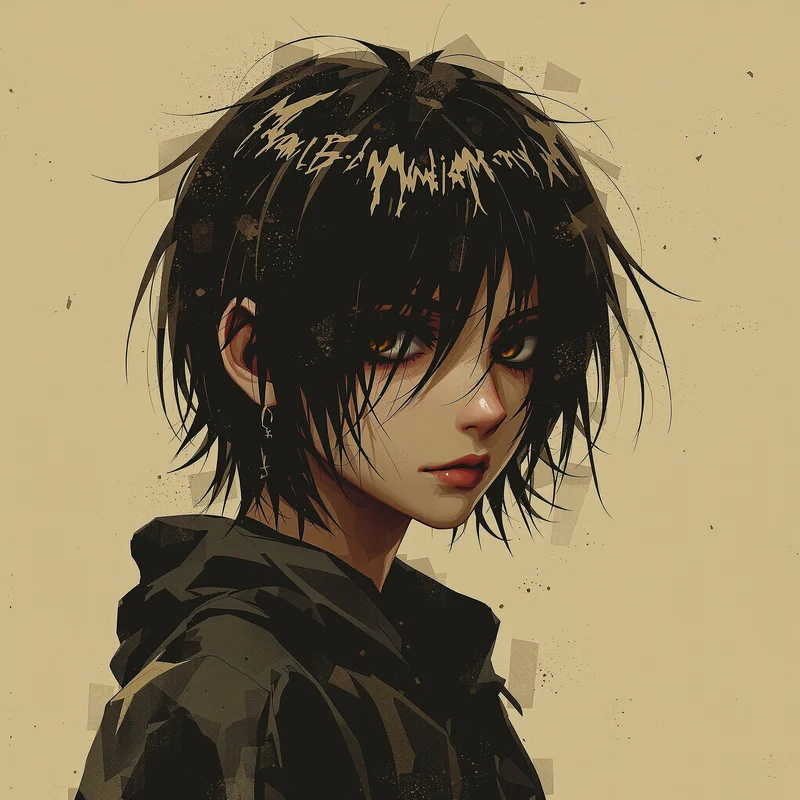
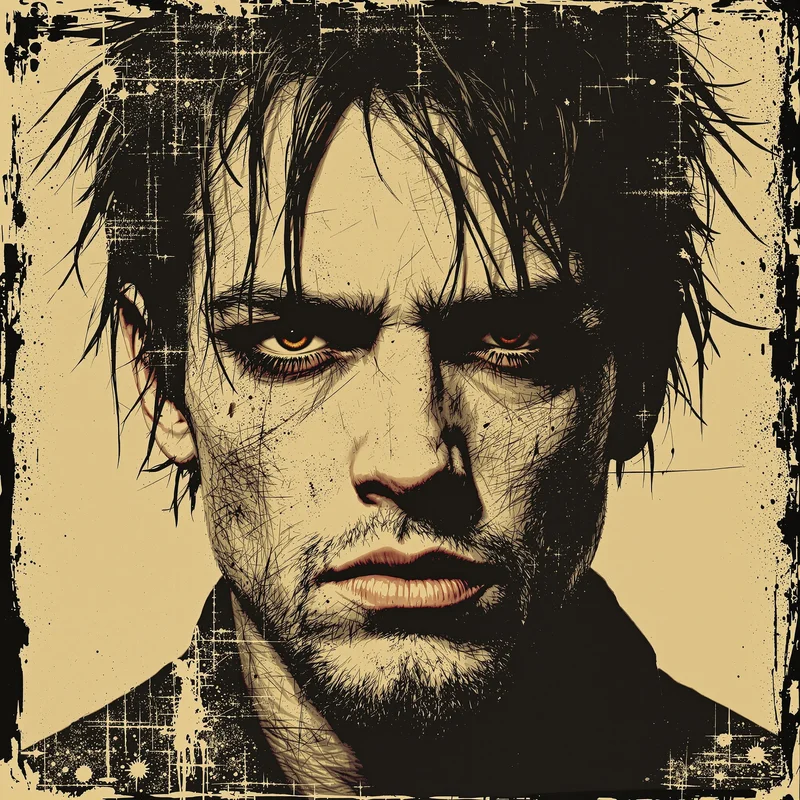
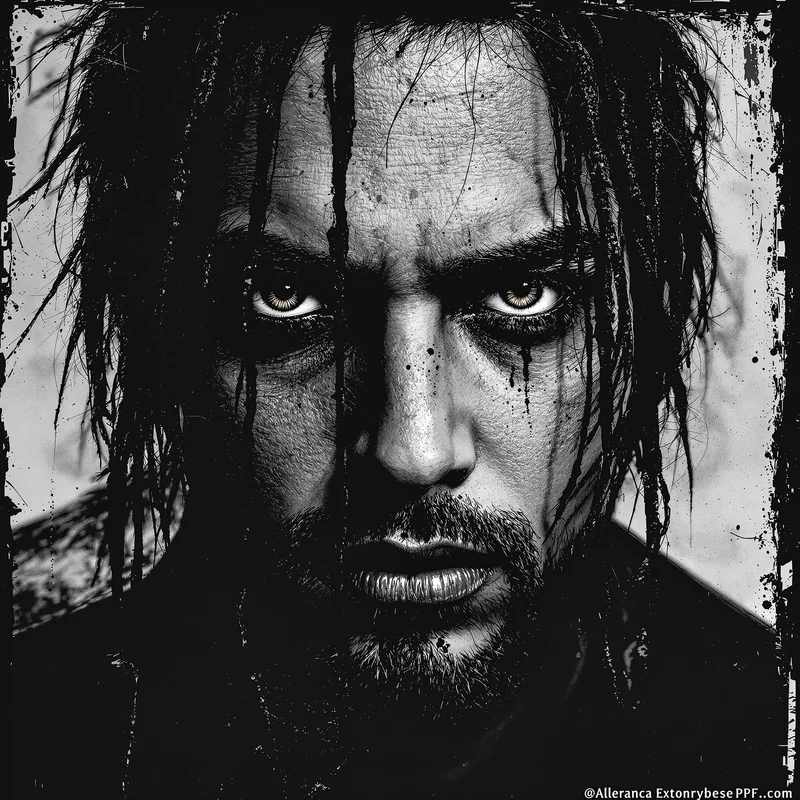
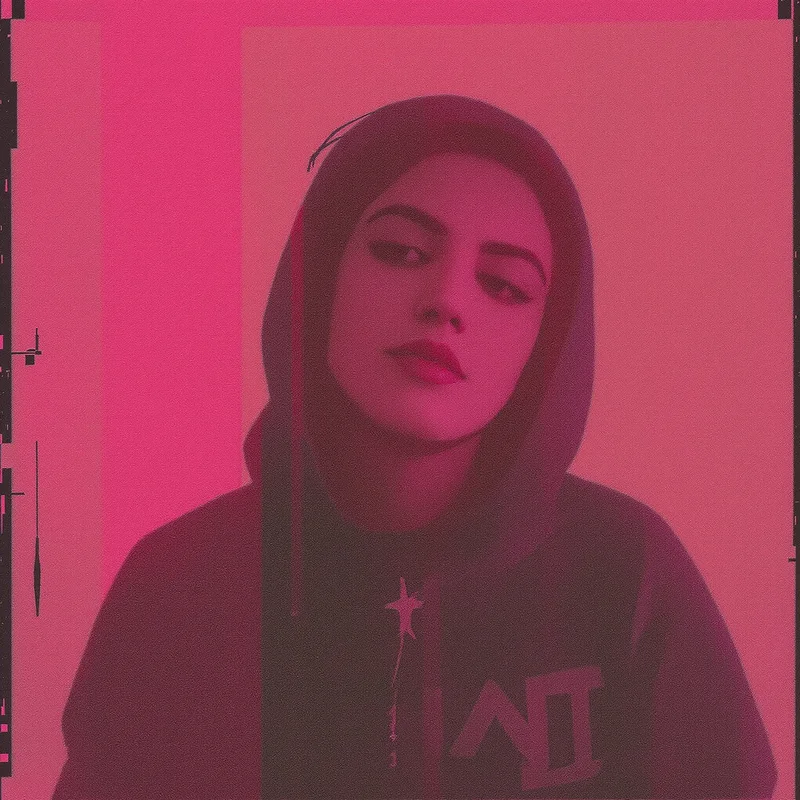
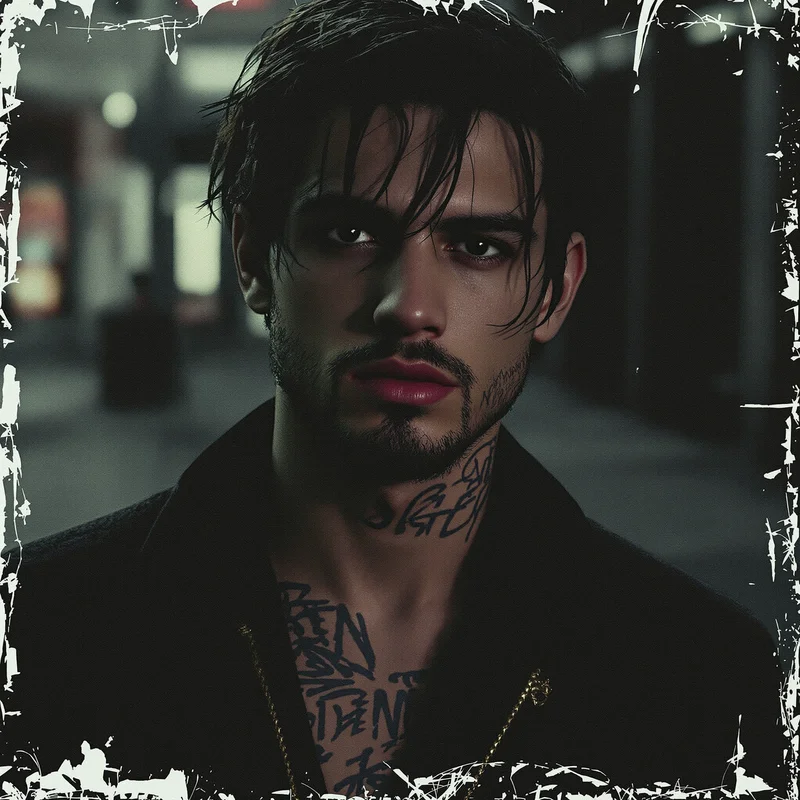
Grunge PFP – Identity Built from Noise, Texture, and Digital Decay
A grunge PFP is not about looking clean, polished, or perfect. It is about presence — a raw signal in a world of over-filtered identities. This aesthetic lives in distortion, glitch, texture, and imperfection. It doesn’t try to impress. It exists to resist.
Choosing a grunge PFP means rejecting the expectation of clarity. It represents an identity that is layered, chaotic, and unapologetically unrefined. Instead of smooth edges and bright tones, this visual language is built from rough textures, broken pixels, noise patterns, and underground energy. It feels unfinished — and that is exactly the point.
Visual Logic of Grunge PFP
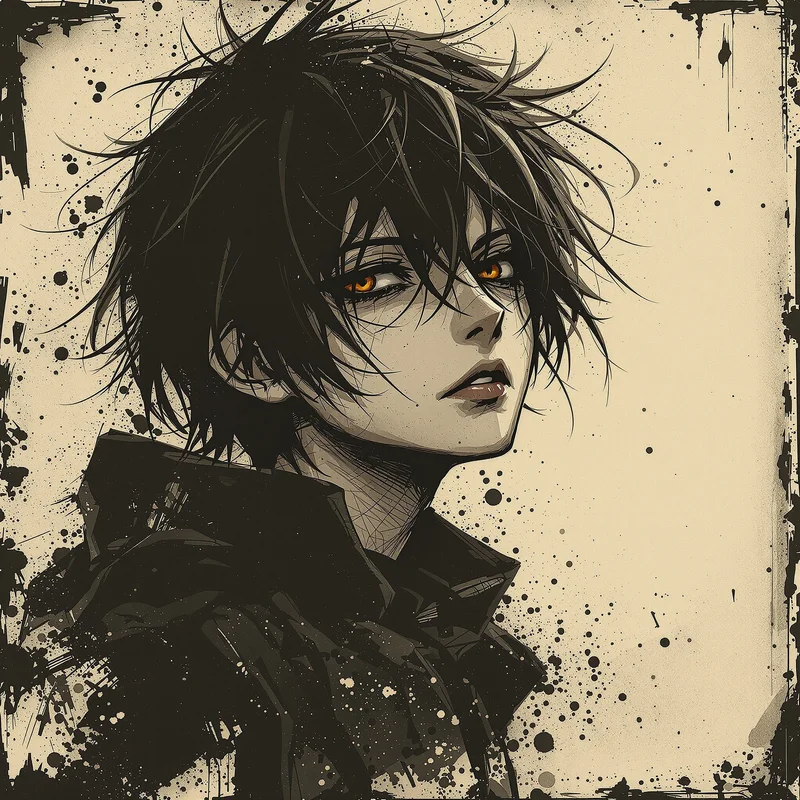
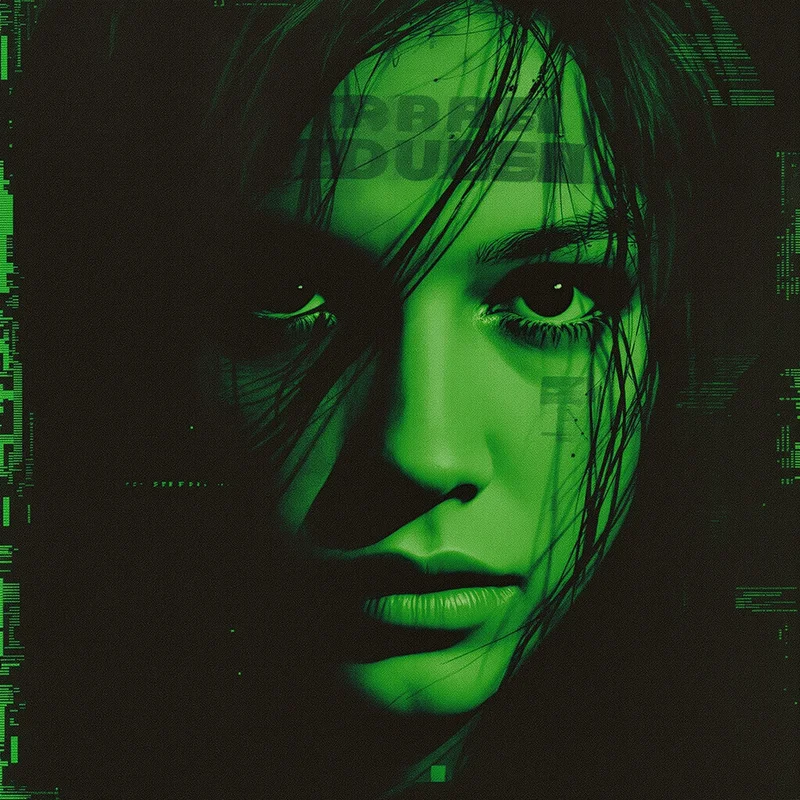
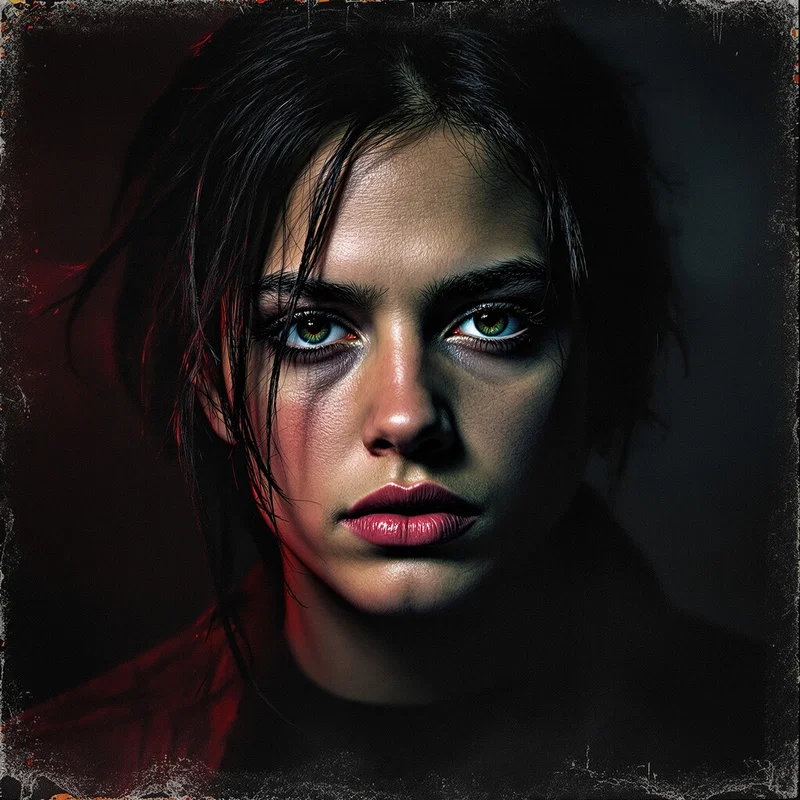
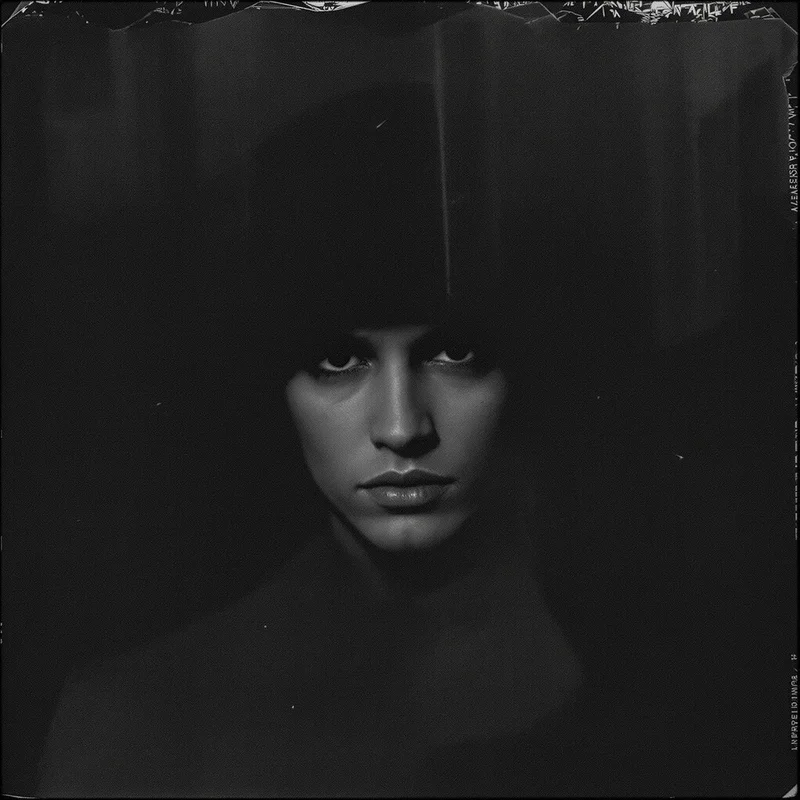
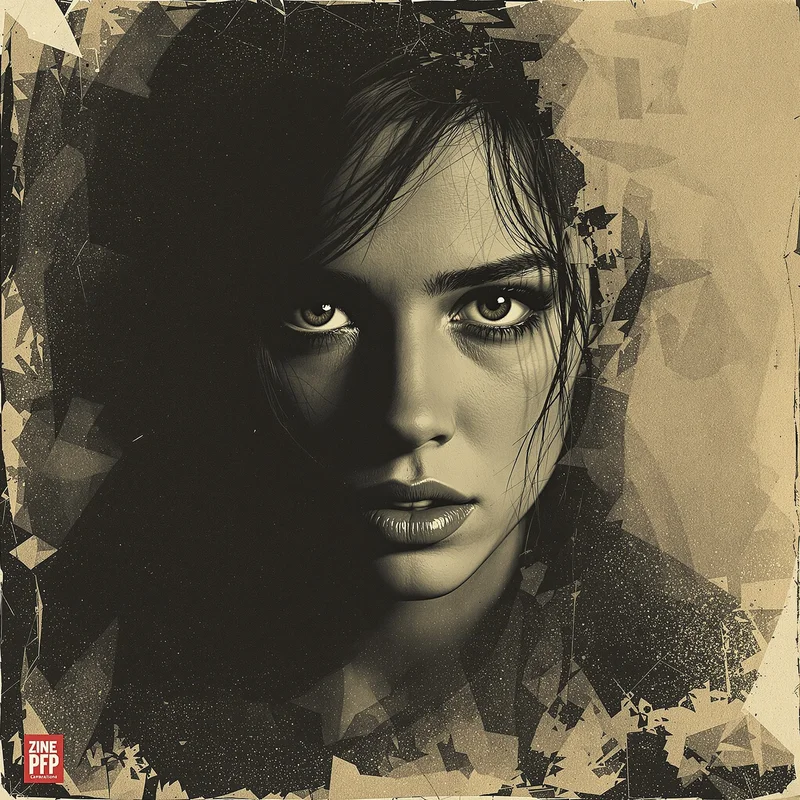
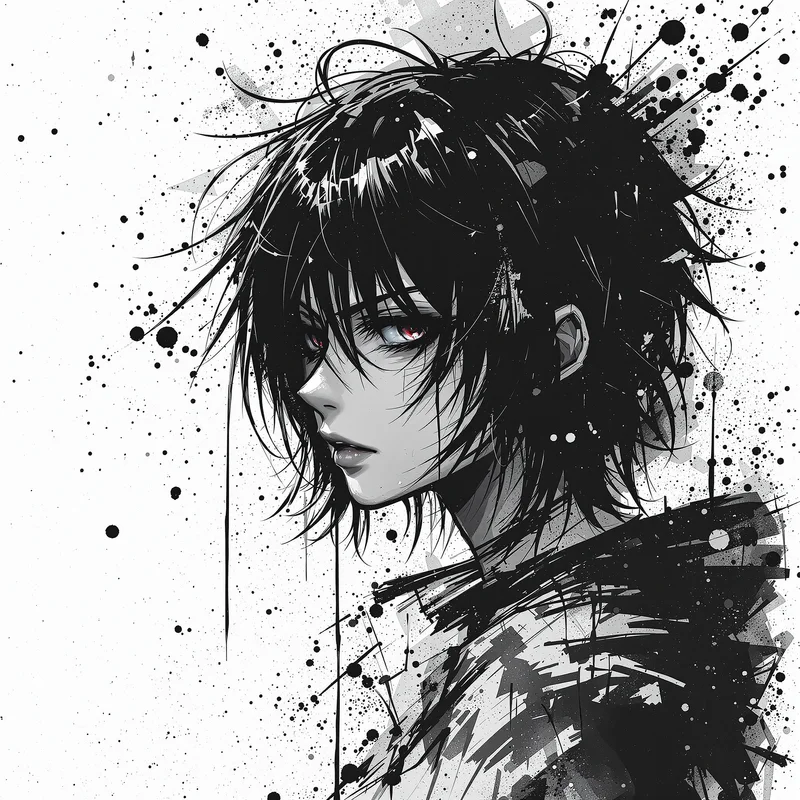
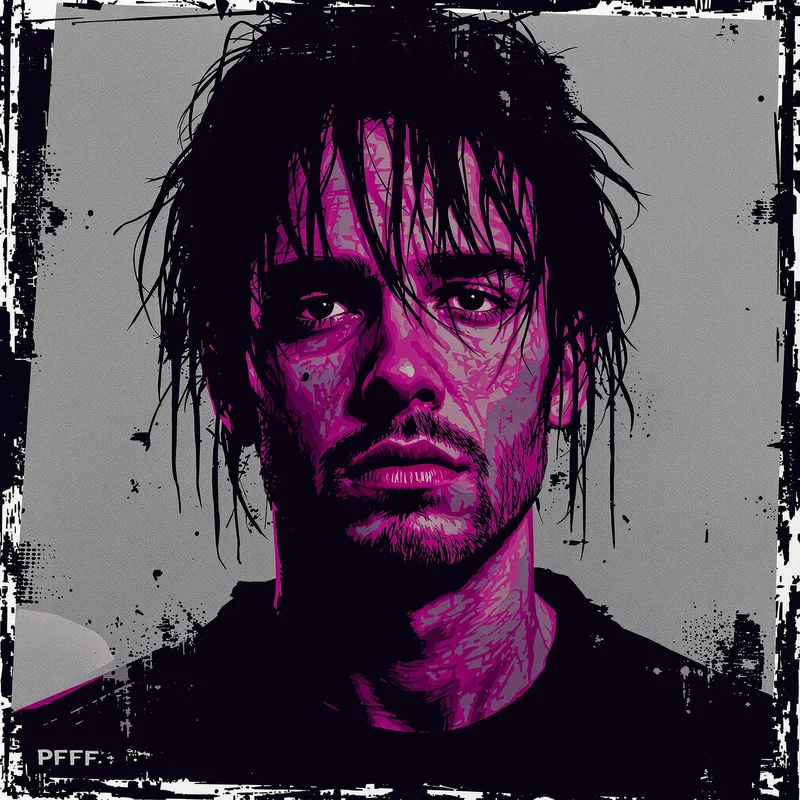
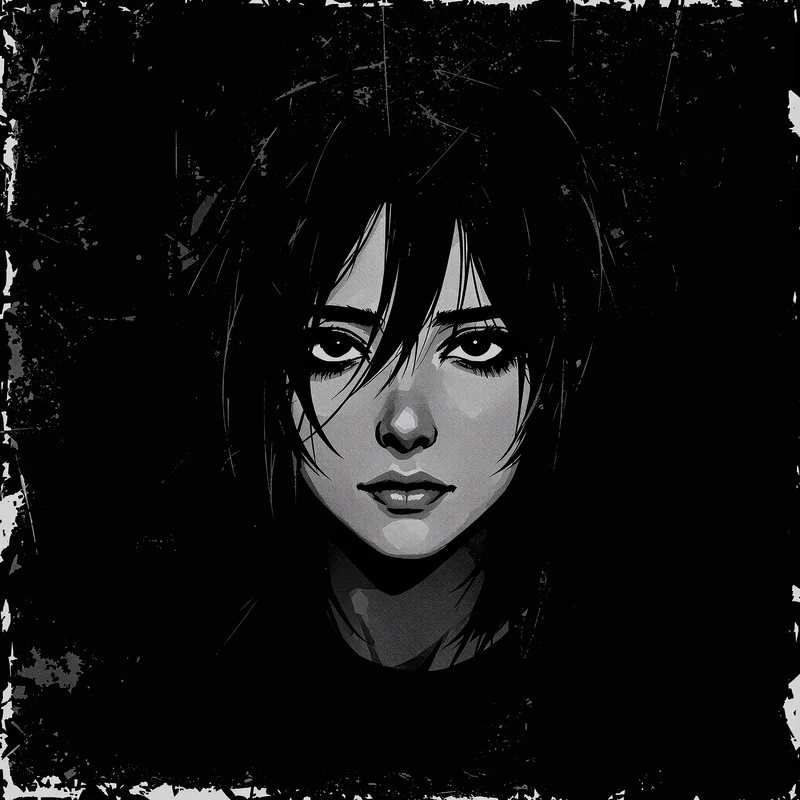
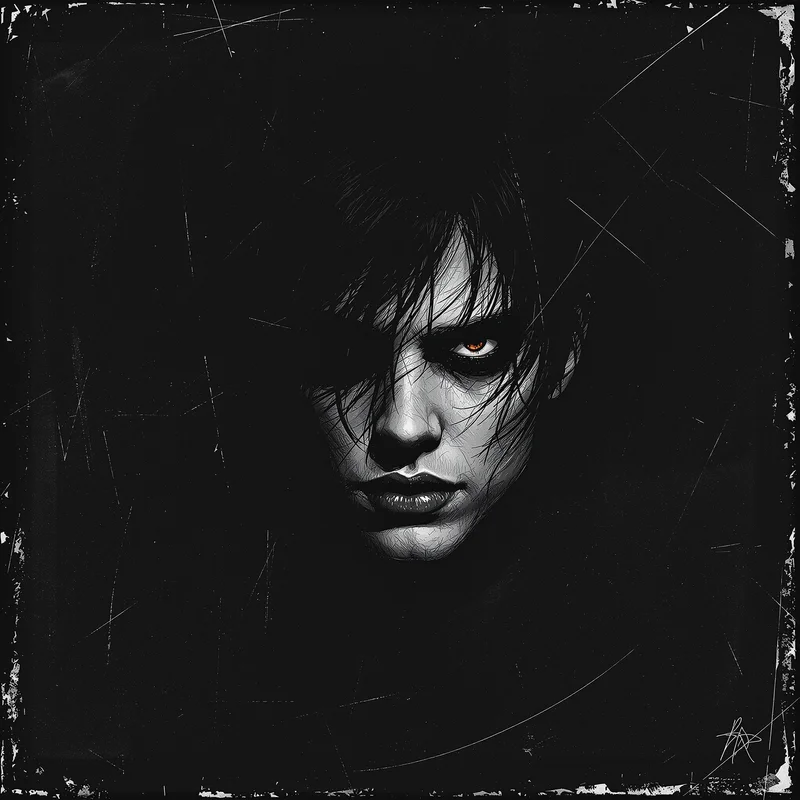
Grunge PFP operates on tension. It blends digital decay with emotional weight. The textures often feel scratched, burned, or corrupted. Colors lean into muted palettes — greys, dirty reds, deep shadows — occasionally interrupted by glitch effects or abrupt highlights.
Unlike clean aesthetic systems, grunge visuals are intentionally unstable. Edges blur. Surfaces crack. The image feels like it has a history. This creates a sense of depth, not through detail, but through damage.
The core elements include:
- Distortion and glitch interference
- Scratches, grain, and surface decay
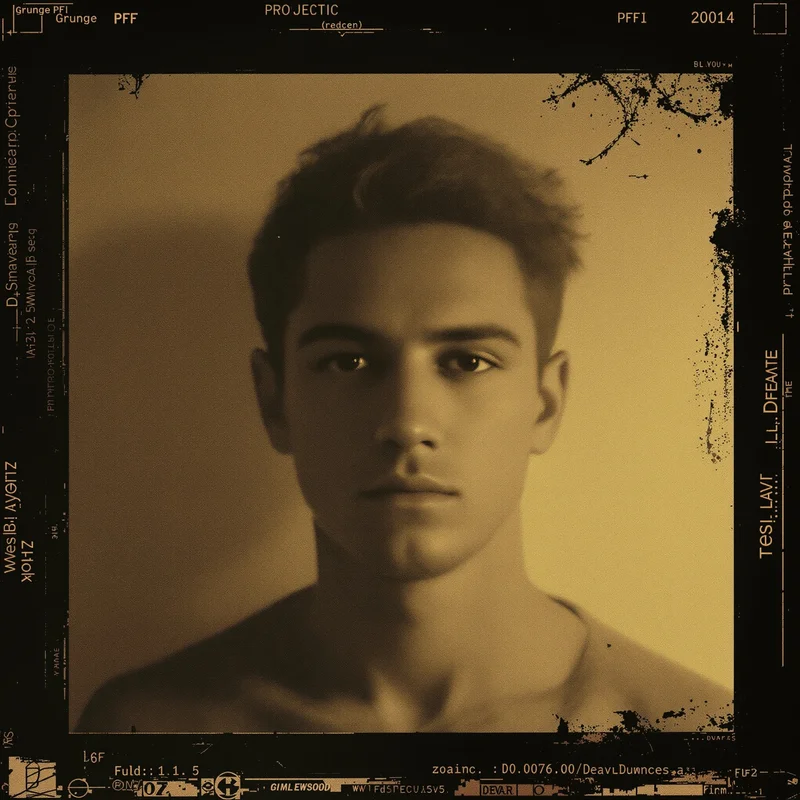
- Low fidelity (lo-fi) visual noise
- Underground and anti-mainstream tone
- Asymmetry and broken composition
A grunge avatar is not meant to be “nice to look at.” It is meant to feel real, imperfect, and emotionally charged.
Grunge PFP Gallery
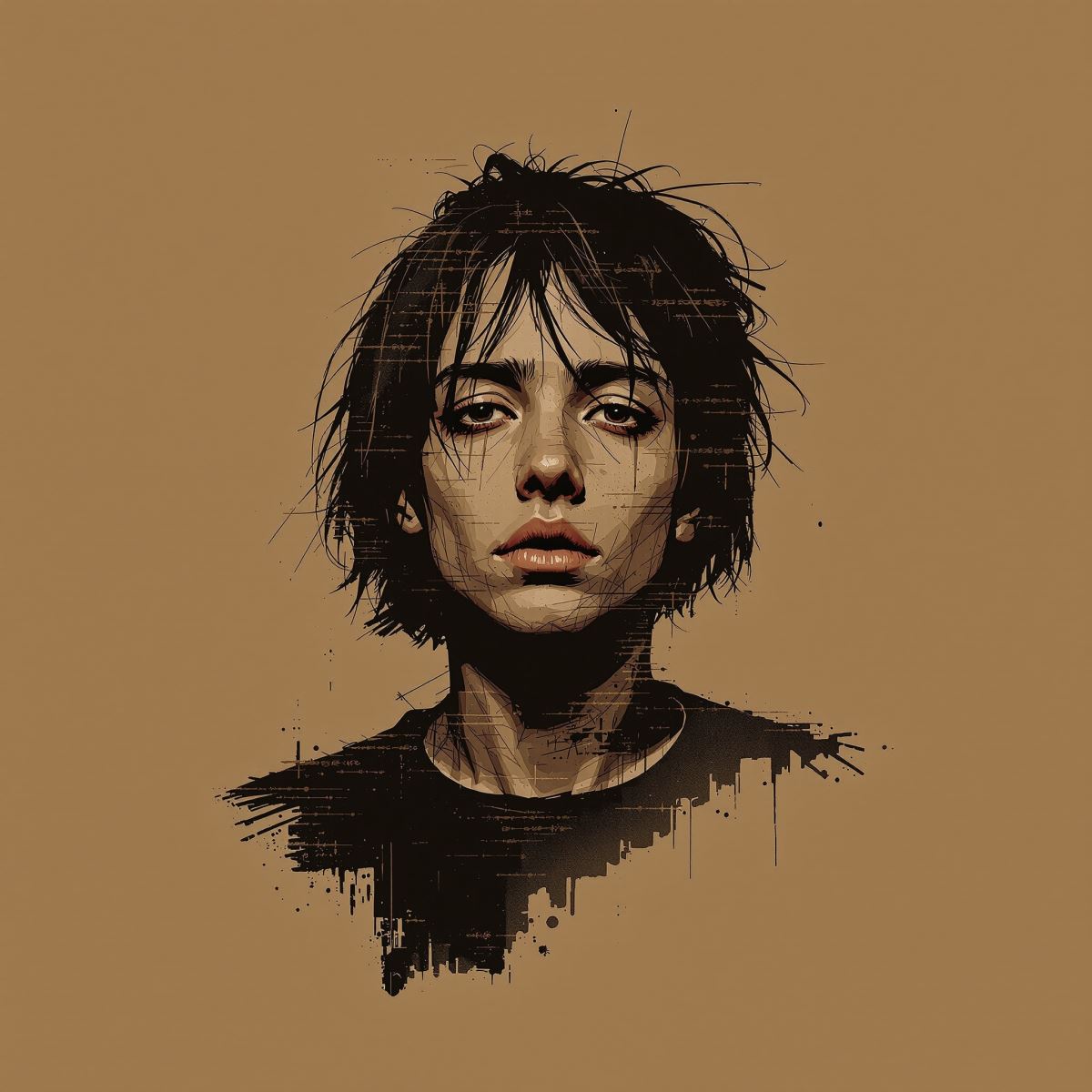
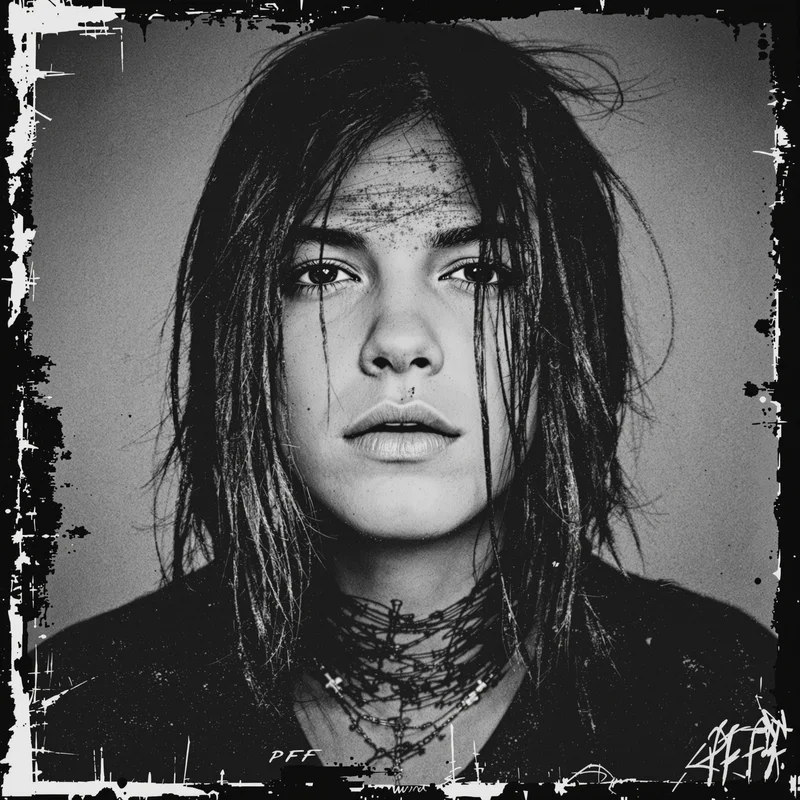
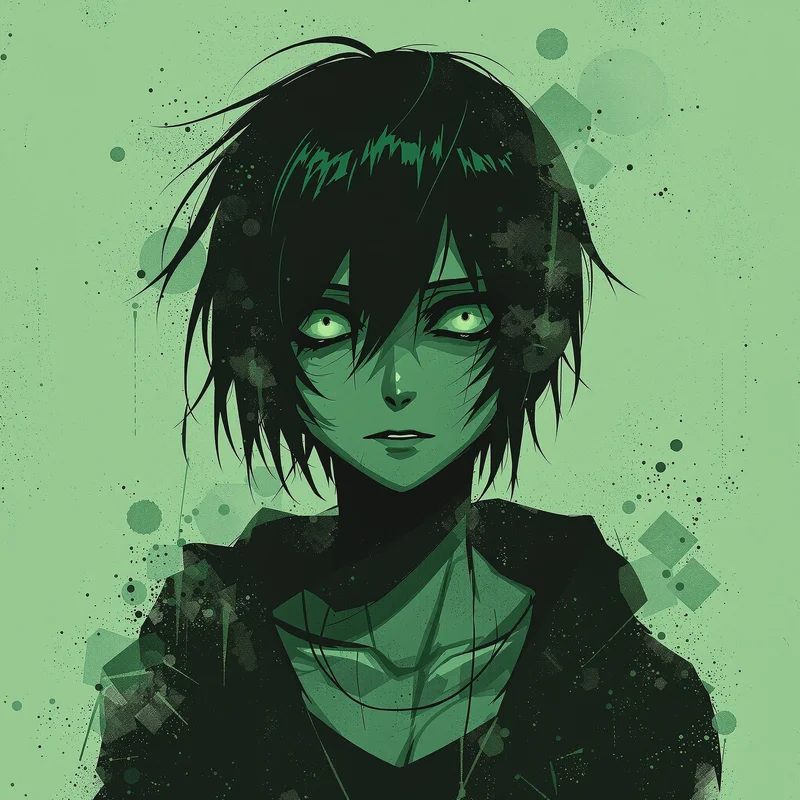
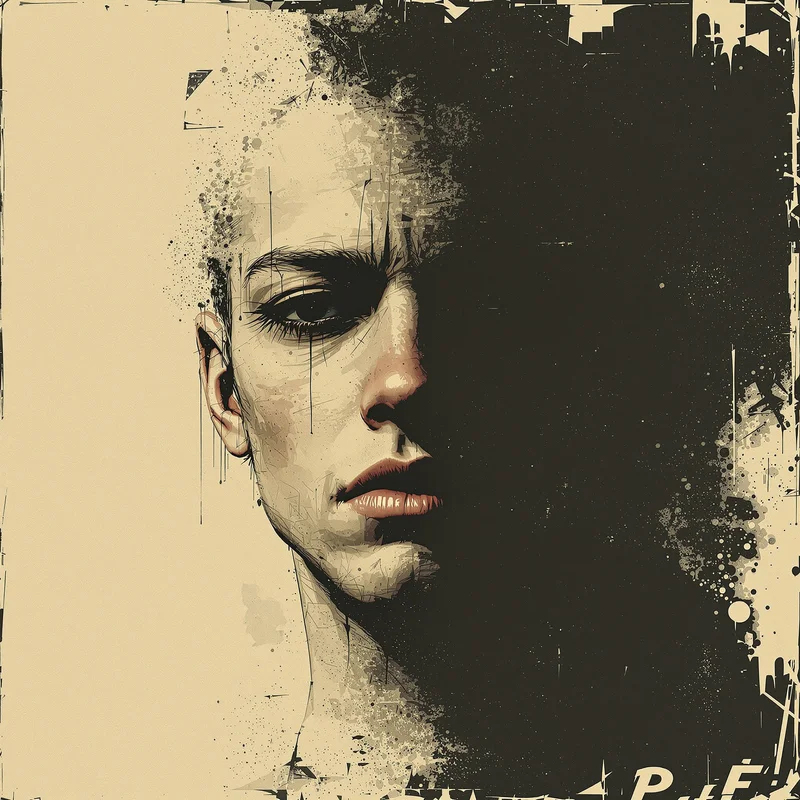
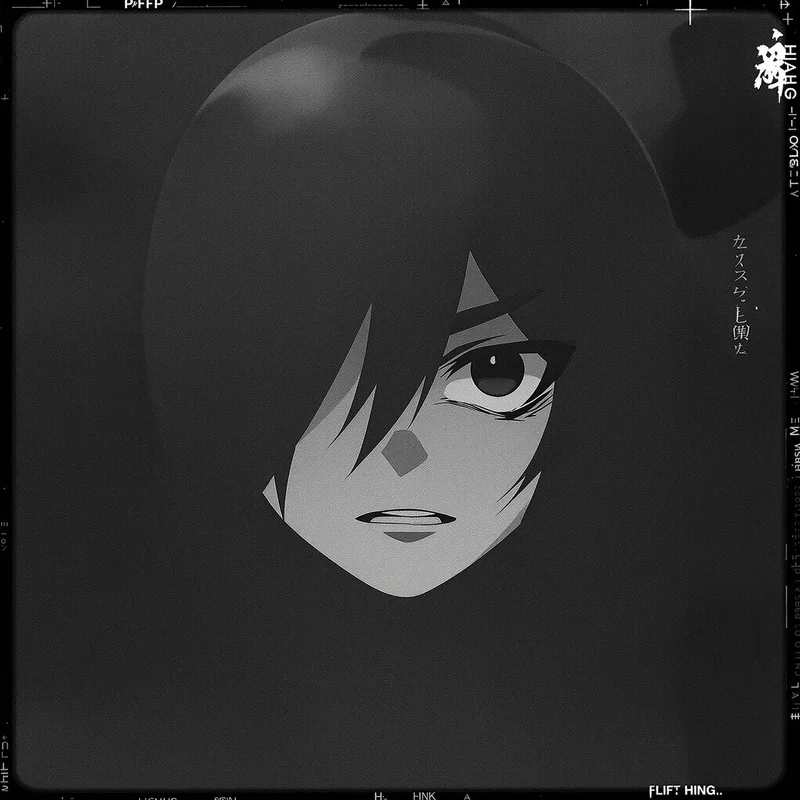
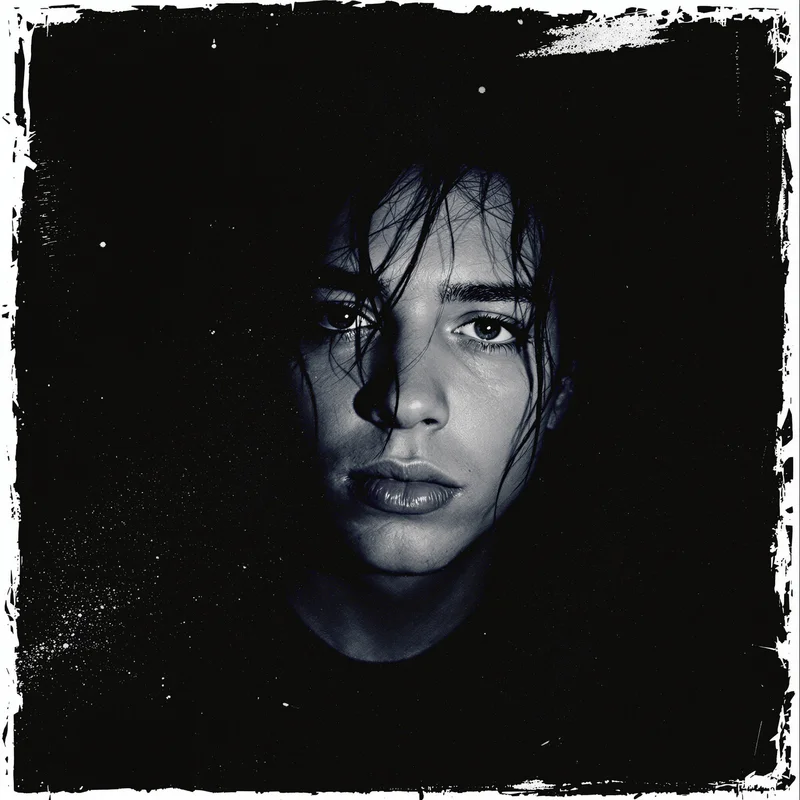
An identity shaped by distortion, where intensity replaces clarity and presence feels deliberately fractured.
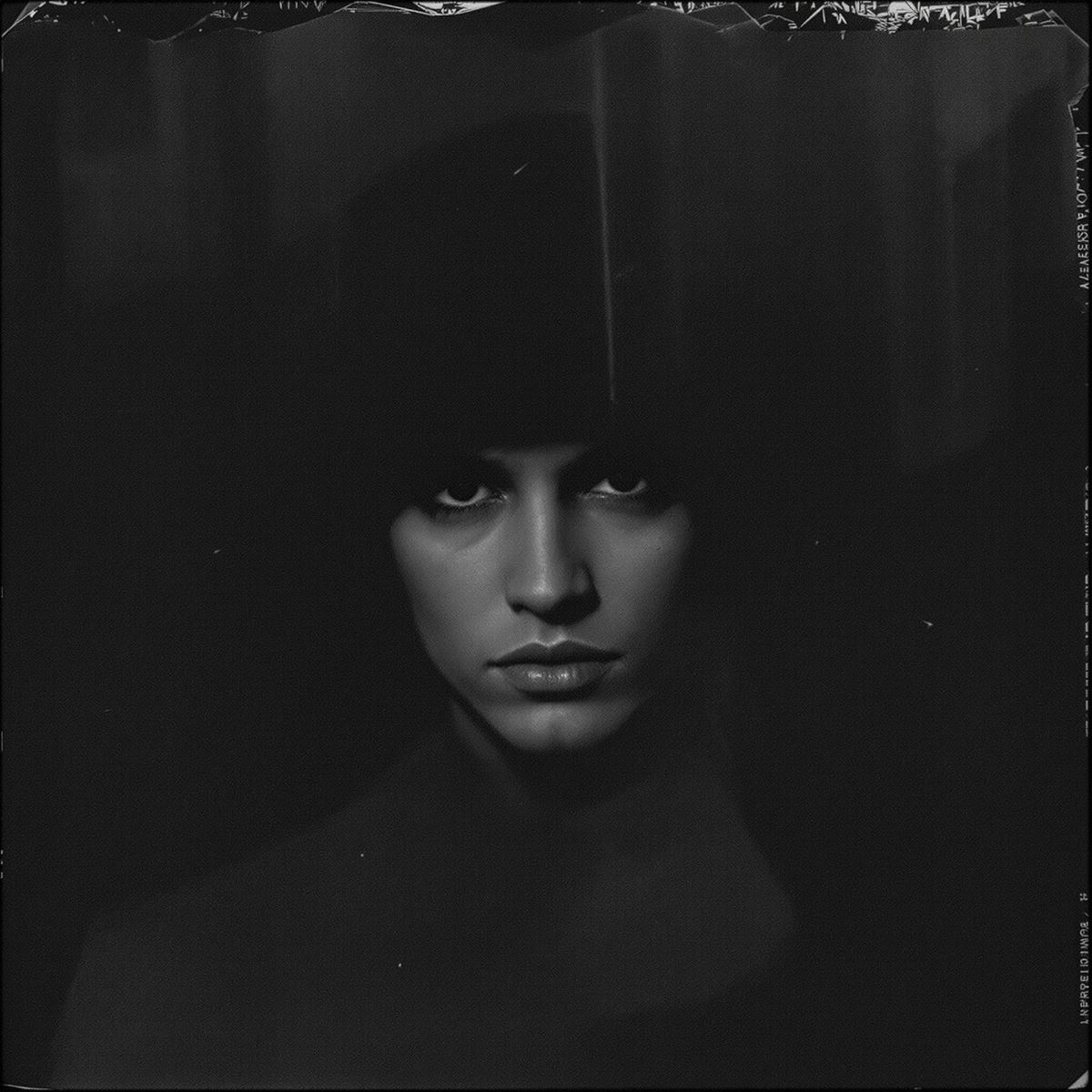
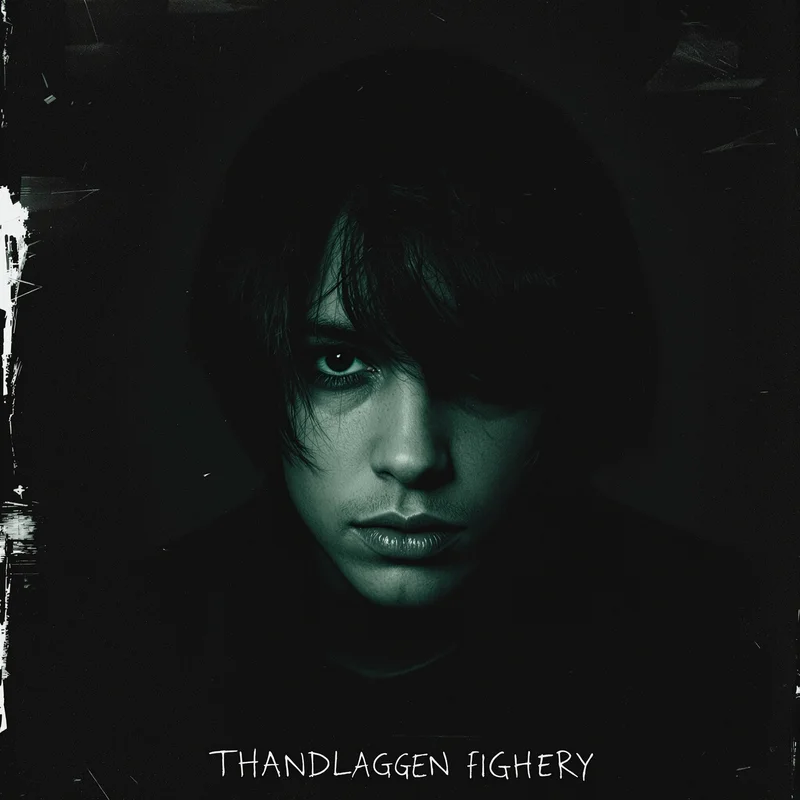
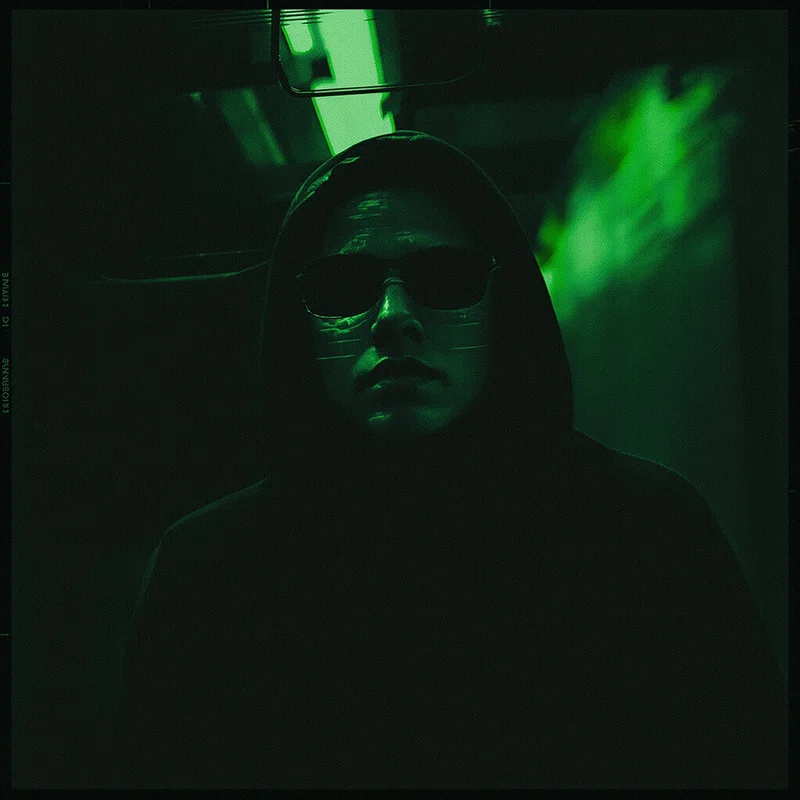
A signal that refuses to stabilize, leaving behind traces of glitch as a permanent identity layer.

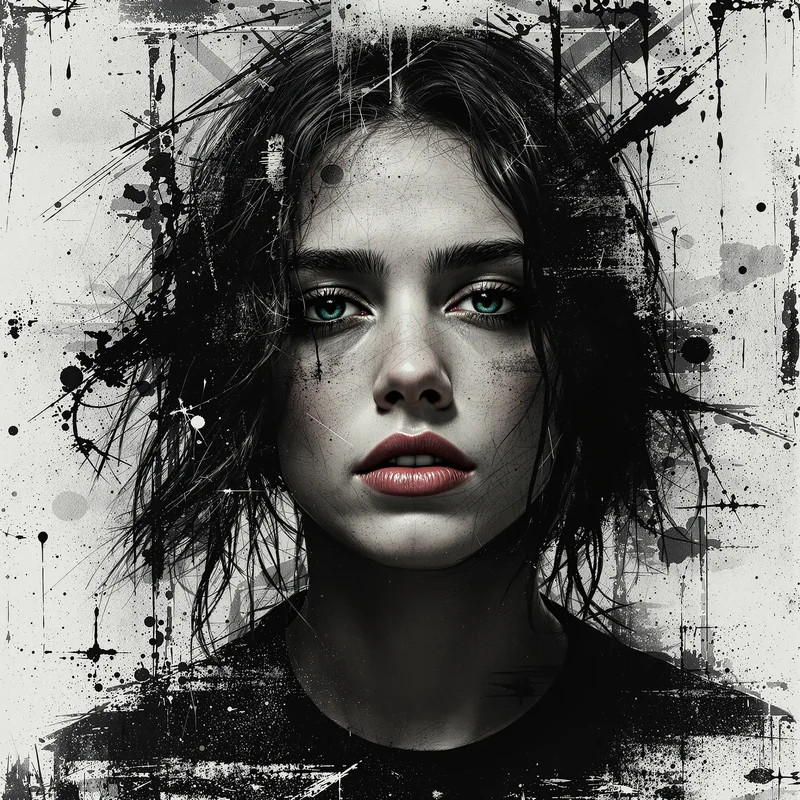
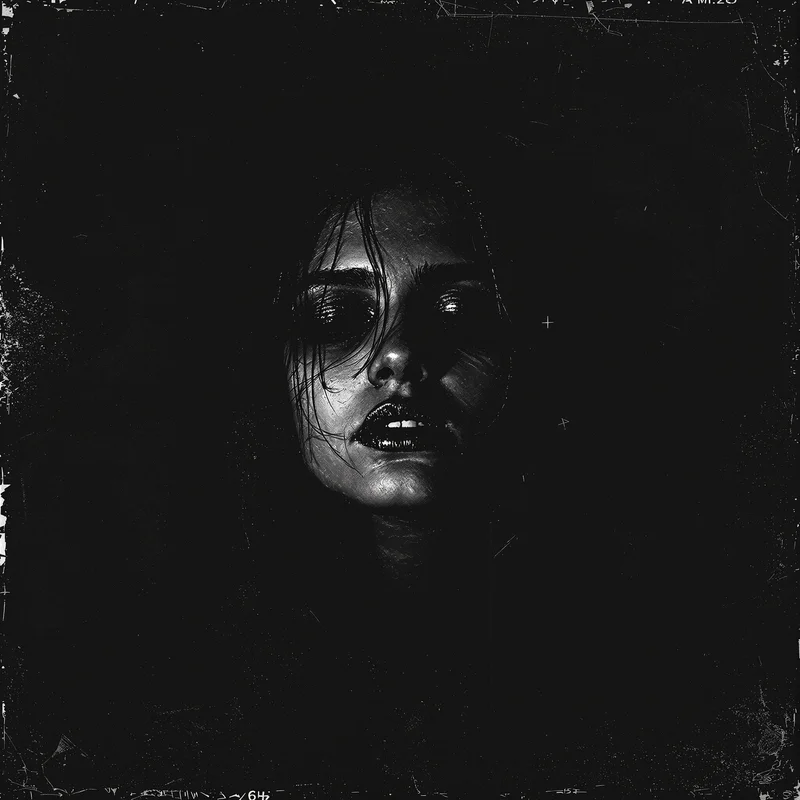
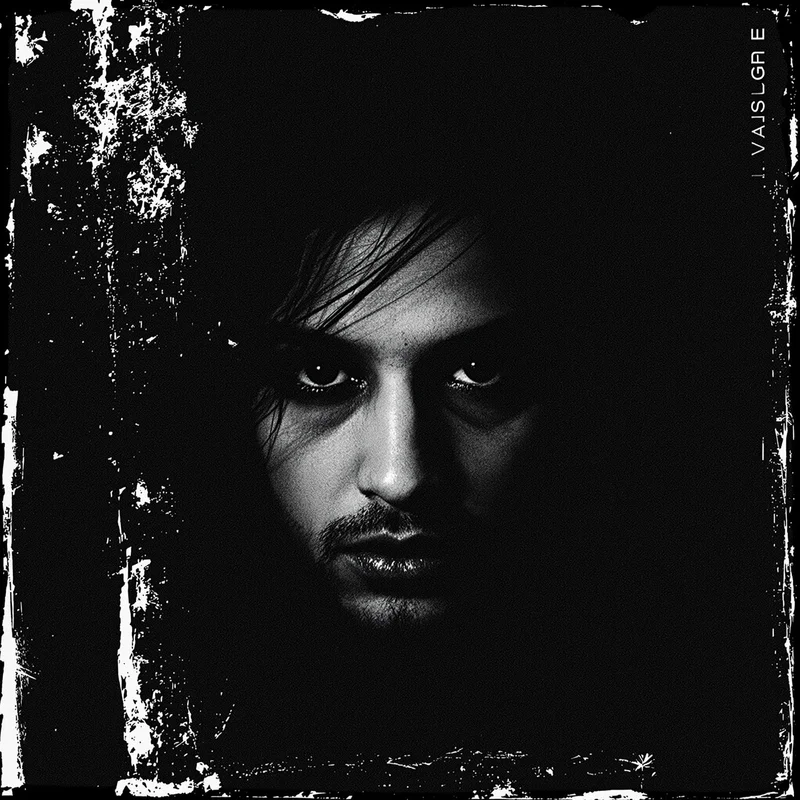
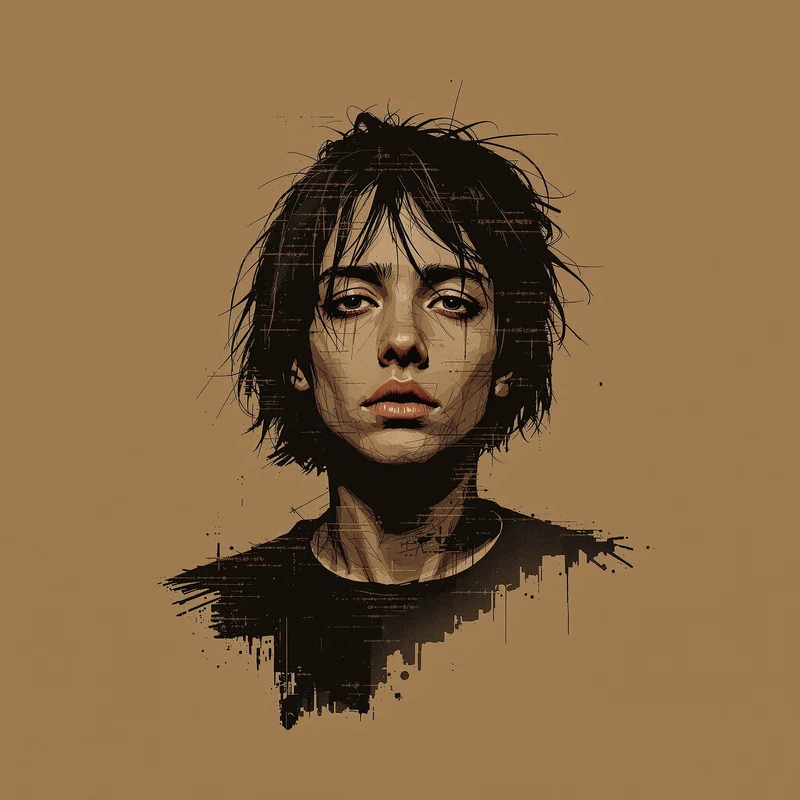
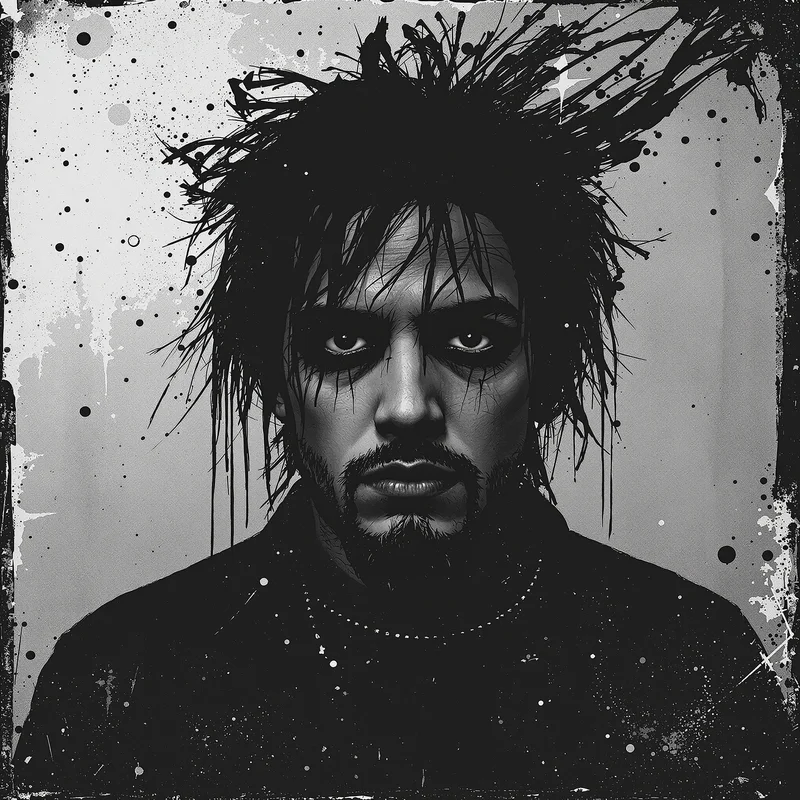
Low fidelity becomes a statement — stripped of polish, focused on atmosphere over perfection.
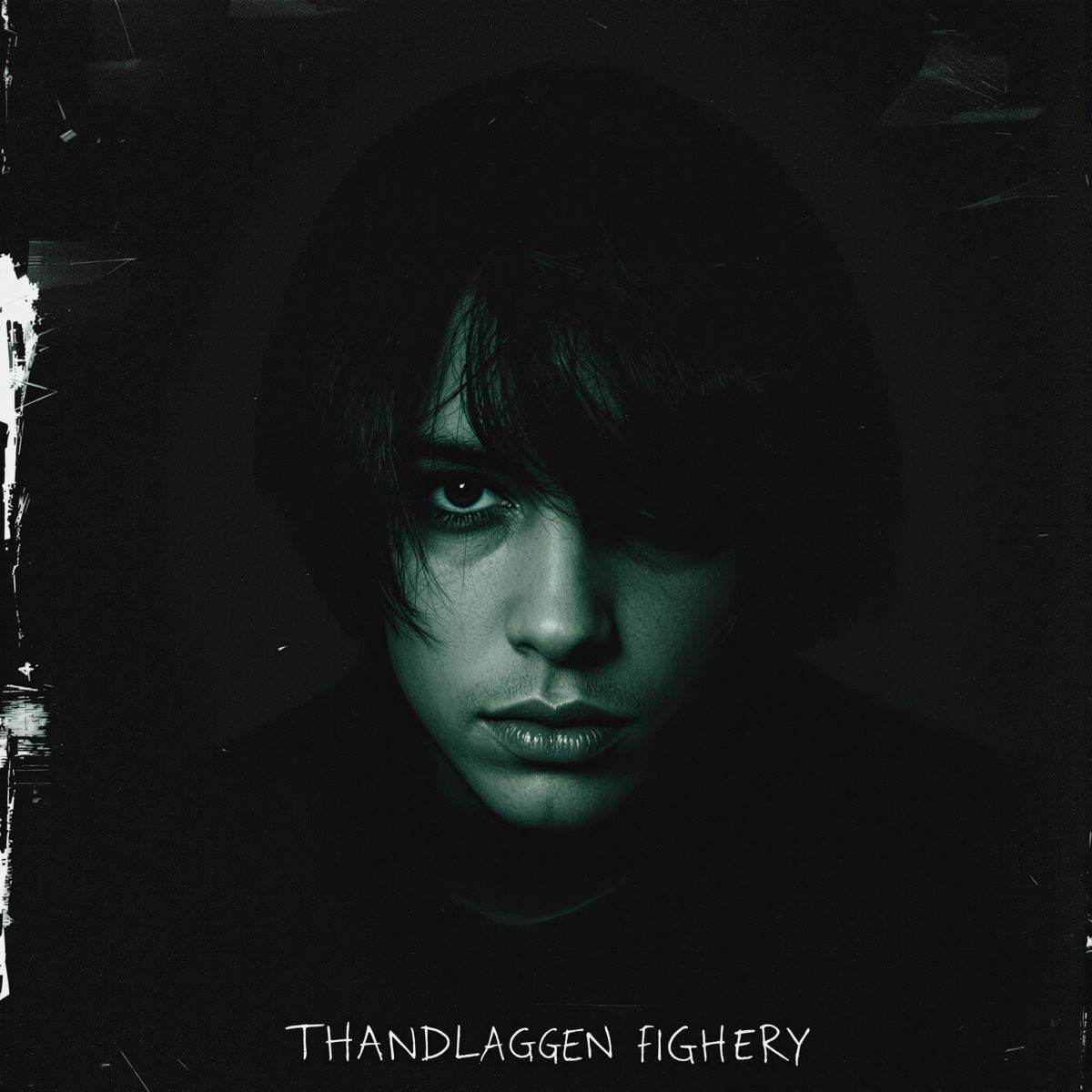
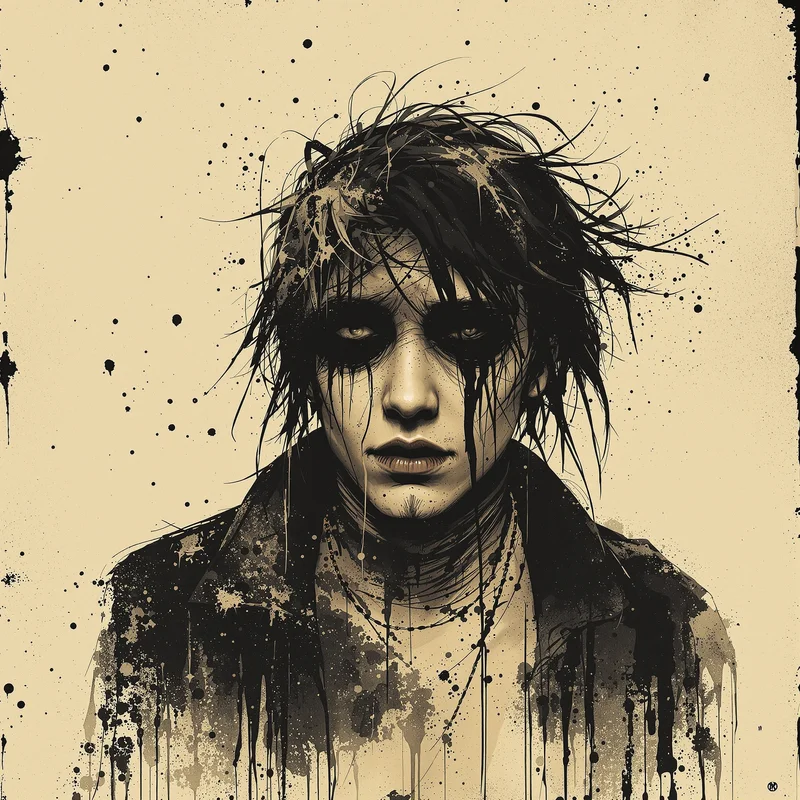
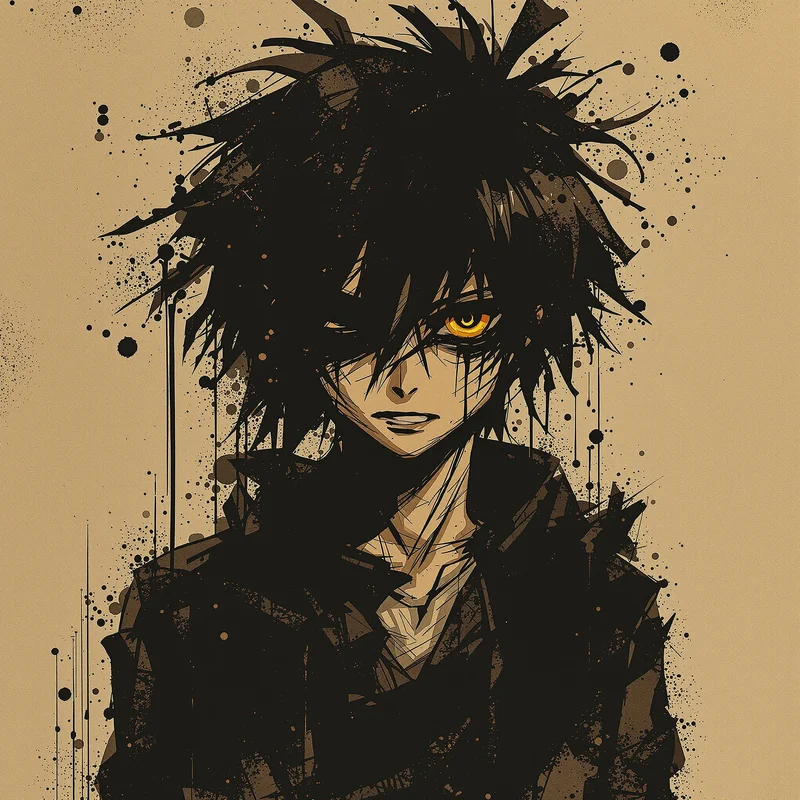
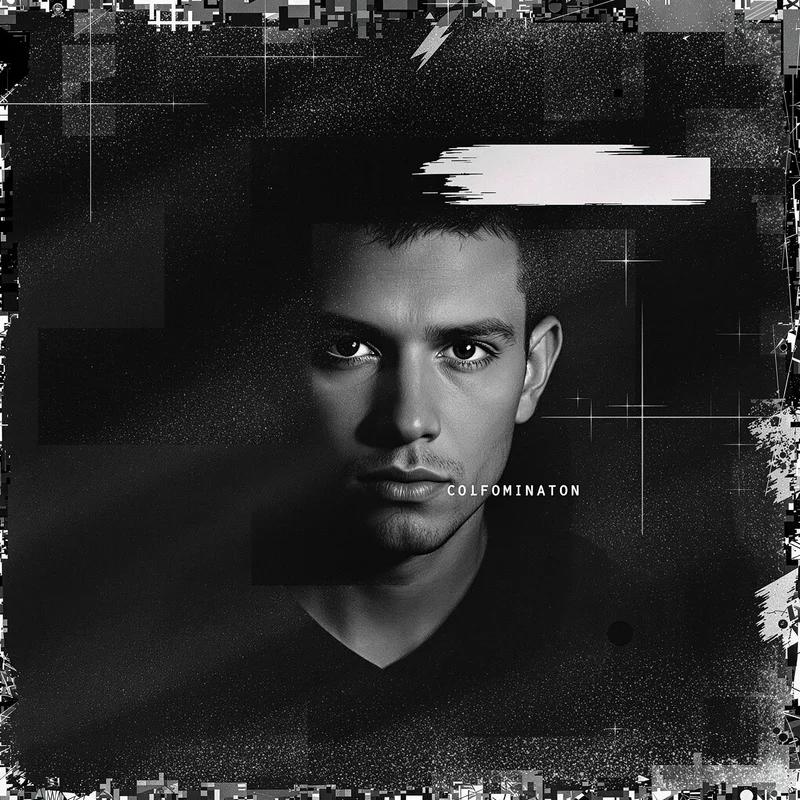
A surface worn down by time, carrying a quiet but undeniable weight in its presence.

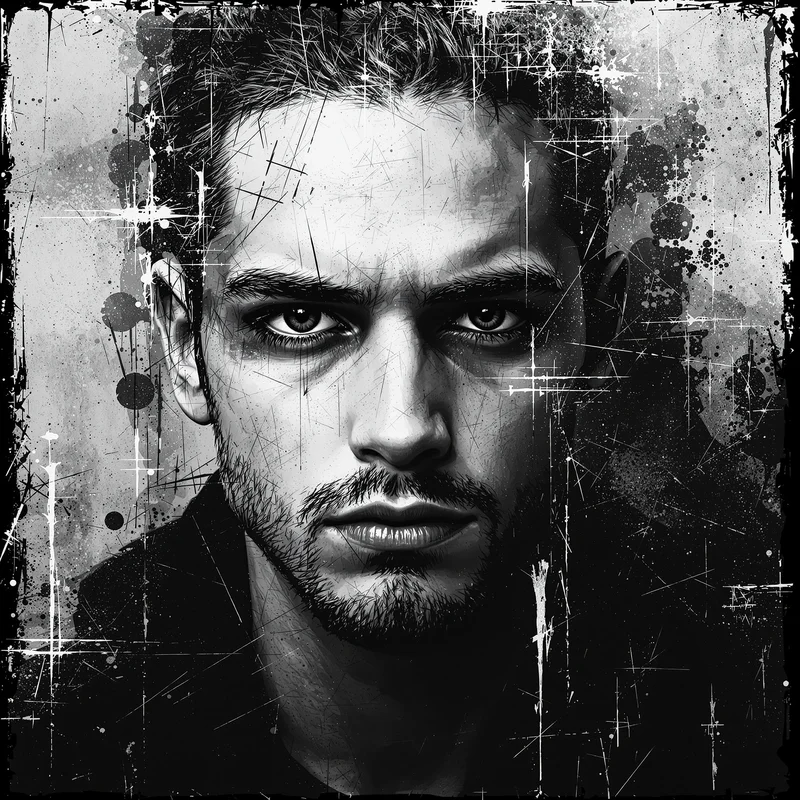
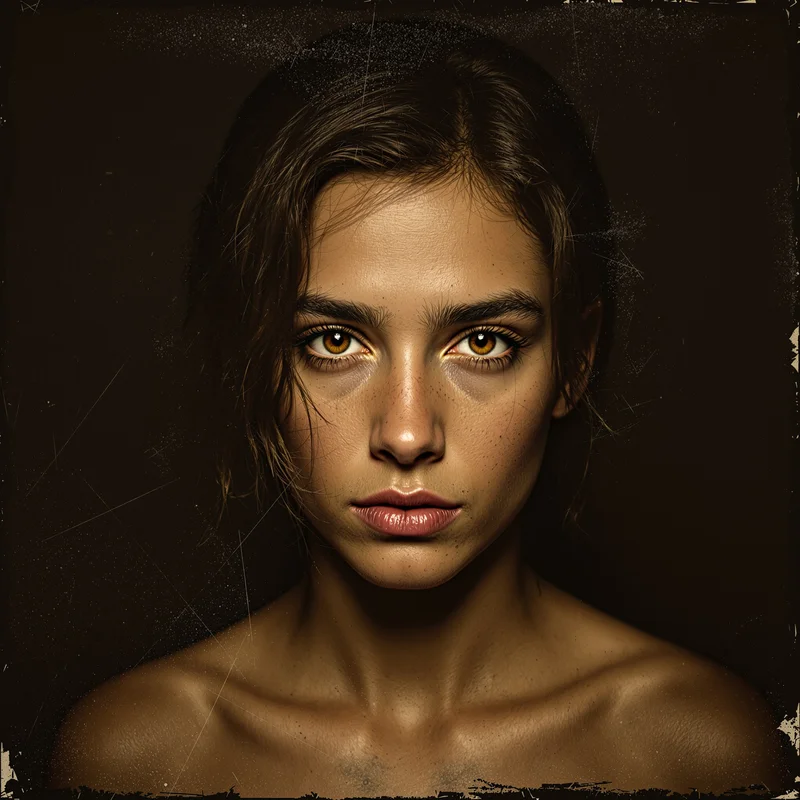
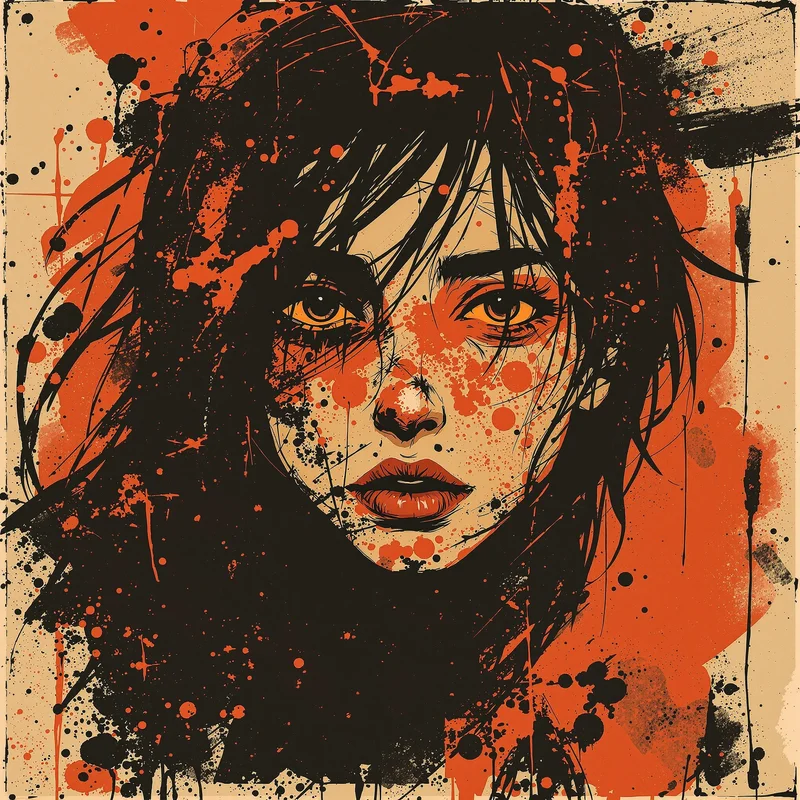
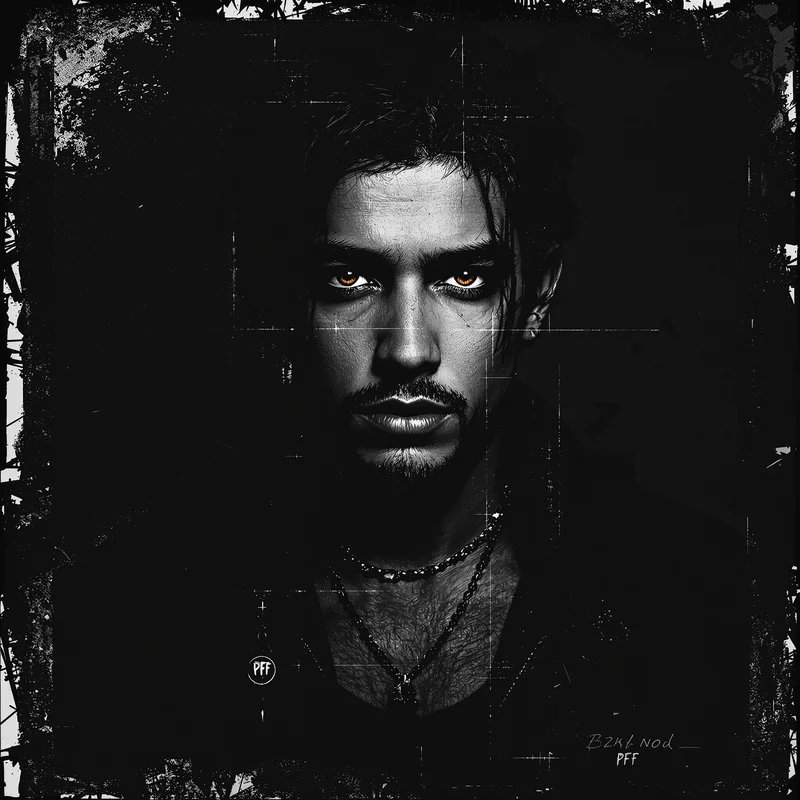
Scratches and marks form a visual history, turning damage into identity rather than flaw.
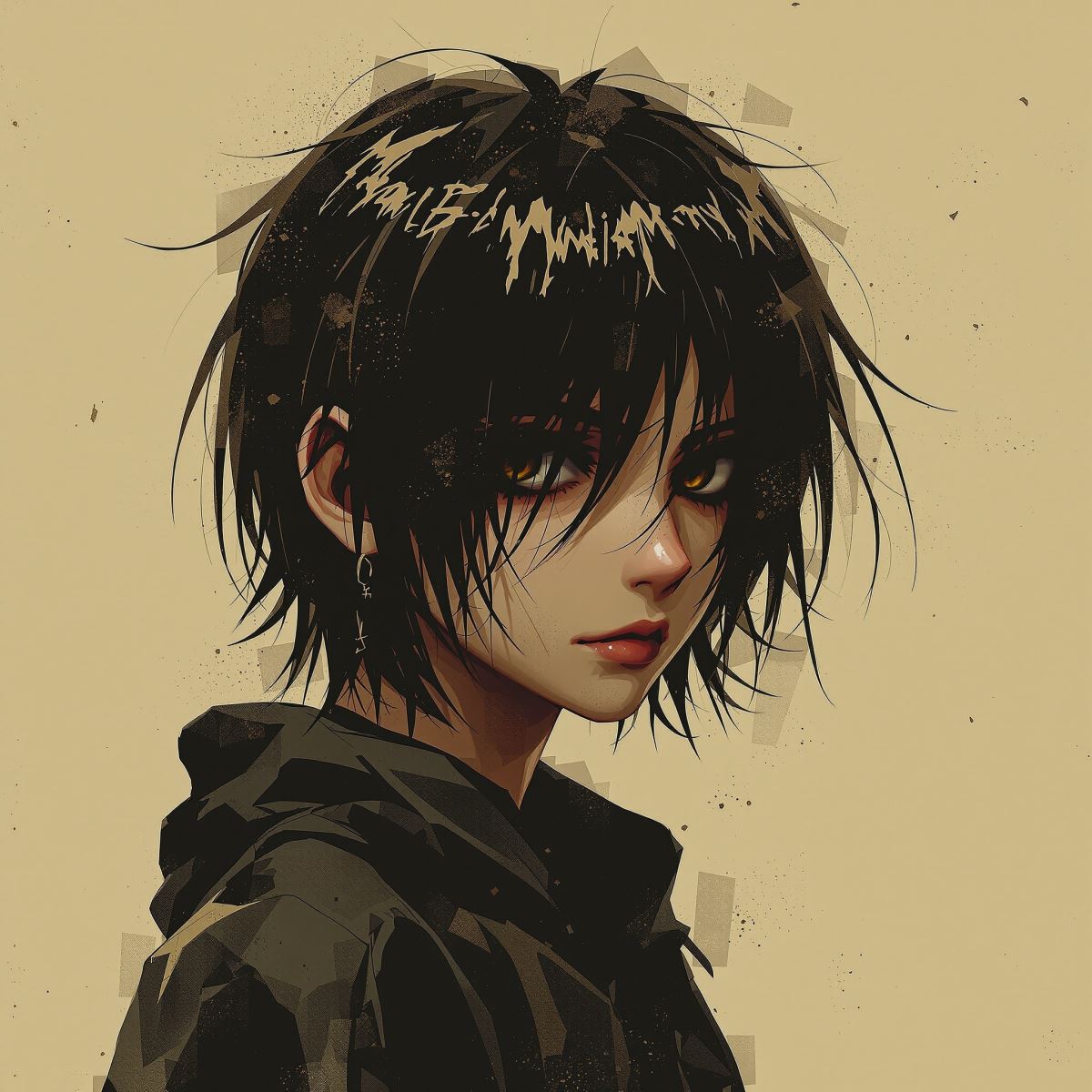
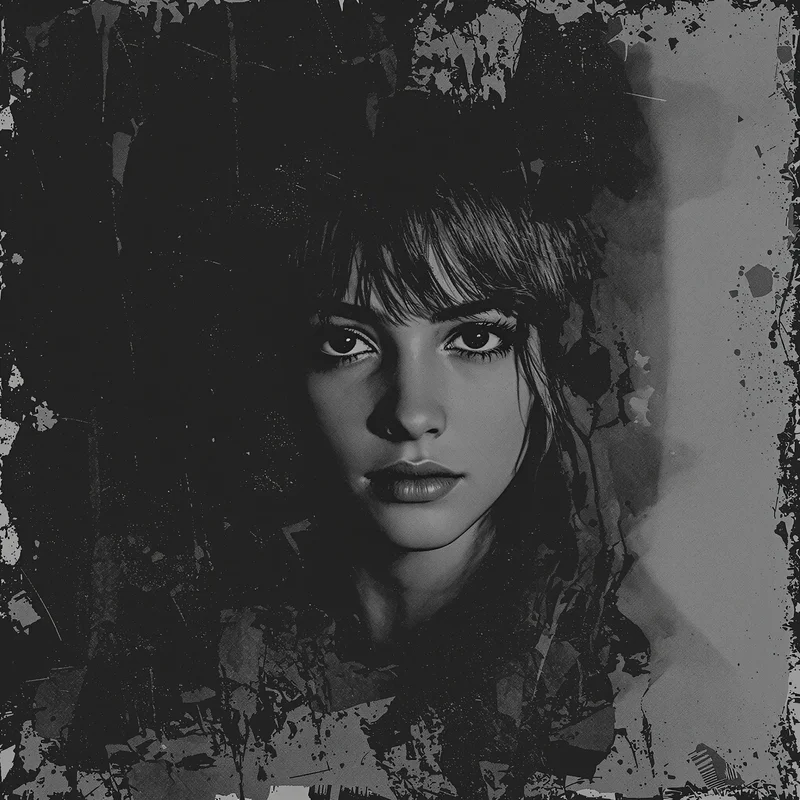
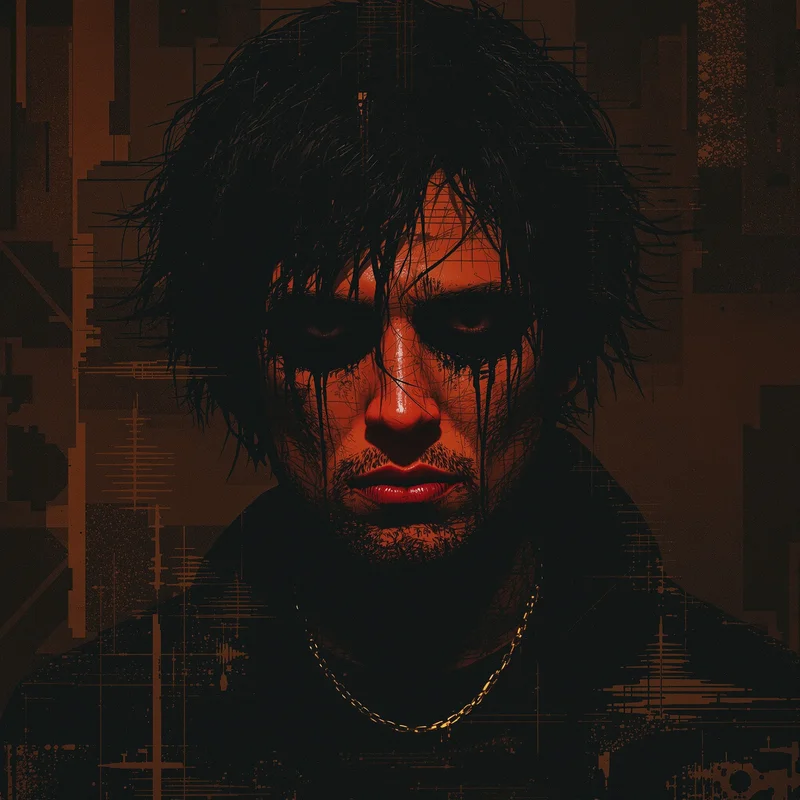
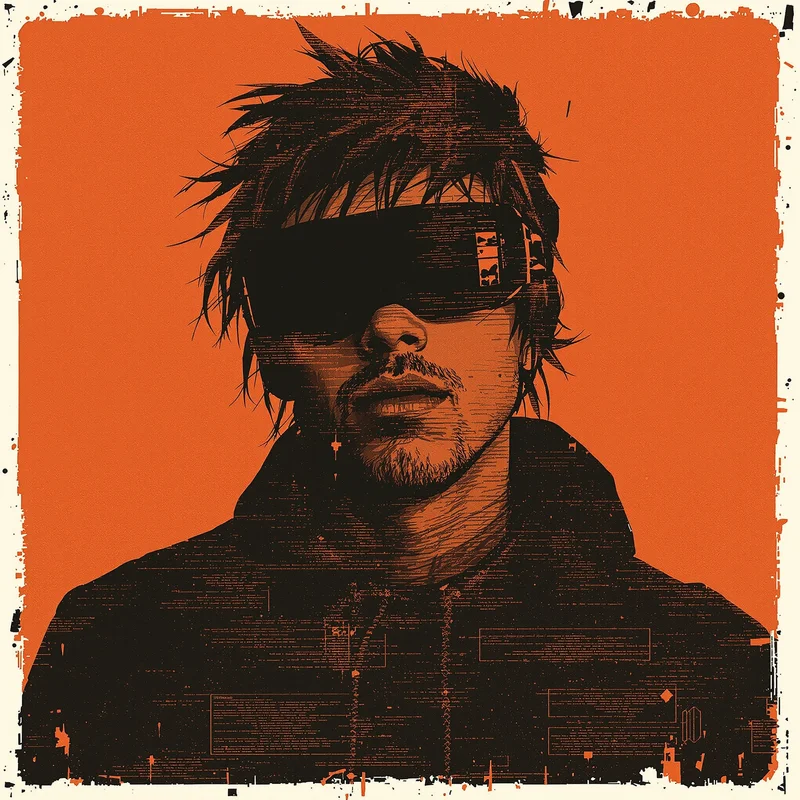
An underground signal that exists outside visibility, defined by depth rather than attention.
What a Grunge PFP Represents
At its core, a grunge PFP represents resistance. It resists polish. It resists perfection. It resists being easily understood.
This type of avatar often signals:
- A non-mainstream identity
- Emotional depth or internal complexity
- Rejection of aesthetic norms
- Comfort with imperfection and chaos
- Connection to underground or alternative culture
It doesn’t try to stand out by being louder. It stands out by refusing to conform.
When to Use a Grunge PFP
Grunge PFP works best in environments where identity matters more than presentation. It is commonly used in:
- Creative communities
- Music or underground culture spaces
- Gaming identities with darker tone
- Anonymous or semi-anonymous platforms
- Personal branding that avoids mainstream polish
If your goal is to look clean, friendly, or approachable, this aesthetic is not the right fit. But if your goal is to feel real, raw, and unfiltered — grunge becomes powerful.
Grunge as a Digital Identity System
Grunge PFP is not just a visual choice. It is a positioning system. It communicates how you exist in digital space.
While other avatars aim to present a perfected version of self, grunge embraces fragmentation. It allows identity to feel layered, unstable, and evolving. This creates a stronger emotional connection — because it mirrors real human complexity.
In a feed full of clarity, the broken image becomes the one that holds attention.
FAQ
What makes a PFP “grunge”?
A grunge PFP uses visual elements like distortion, scratches, noise, and decay to create a raw and imperfect identity presence.
Is grunge PFP suitable for all platforms?
It depends on intent. Grunge works best where individuality and mood matter. It may not fit professional or highly polished environments.
Why do people choose grunge avatars?
Because they communicate depth, rebellion, and authenticity without needing to appear perfect or conventional.
Does grunge PFP reduce clarity?
Yes — and that is intentional. Reduced clarity creates atmosphere, making the identity feel more emotional and less artificial.